Sikar
| Author:Laxman Burdak, IFS (Retd.) |


Sikar (सीकर) is town and district in Rajasthan where Jats dominate in every field of life. Its ancient name was Shrikara (श्रीकर), derived from Shiva.
Original name
- Dasharatha Sharma in book "Early Chauhan Dynasties" [P.171] while discussing Udayasimha Chauhan of Jalor writes that Iltutmish pushed on, and managed to reach Udayasimha's desert capital. ...Nearly five years later, perhaps in V. 1278 (1221 AD) when Iltutmish once again assumed the offensive against Rajasthan. Dasharatha Sharma (P.171,f.n.32) writes that the drama gives the name of the Muslim invader as Milachchhrikara (मीलच्छ्रिकार), which Dr. G.H. Ojha equates with Amir-i-shikar, a title once borne by Iltutmish. It can be easily the Paisachi form of Mir-i-shikar. The Muslim ruler and his minister talk with each other in Paishachi; so it is only natural that he should have a Paisachi name. The dramatist changes Mir into Mila and shikar into chhrikara through the intermediate Sanskritised form Shrikara (=Sikar). The usual sandhi rules thereafter give us the Milachchhrikara, actually used in the drama. As regards the date of this expedition we put it about V. 1278 (1221 A.D.)
- Shrikari- the word Shrikari (Kari ) occurs in verses 19 and 59 of Sunda hill Inscription of Chachigadeva of V.S.1319 (A.D. 1262). To judge from the context in verse 59 (Shrikari-sapta kavādi-). Author could not understand its meaning but our view is that it refers to Sikar = Shrikari or Shrikara, the sansktitized name. Also it is related with Kara, name of Shiva. (See:Nadol)
- Original name of Sikar was Veerbhan-Ka-Bas which was founded by Veerbhan Jat of Khichar gotra (Year=?). According to Ranmal Singh its original habitation was Veerbhan Dhaka Ki Dhani.
Mention by Panini
Sikara (सीकर) is a place name mentioned by Panini under Sakhyadi (सख्यादि) (4.2.80.9) group. [1] Panini's Sikar was probably a different place. Sikara is also a village in Kachchh tah & District in Gujarat.
In Mahabharata
It is believed that Sikar was the name given to this town by Rao Shiv Singh Shekhawat, the Jagirdar of Sikar. But we find mention of this name in ancient sanskrit literature also. Mahabharat Sabha Parva mentions a province named Seka (सेक) which was conquered by Sahadeva in his victories of southern provinces. He also conquered adjoining Aparaseka (अपरसेक) province. सेकानपरसेकान्श्च व्यजयत सुमहाबलः (Mahabharat Sabha Parva:319) [2]
- "The mighty warrior then vanquished the Sekas and others, and exacted tributes from them and also various kinds of gems and wealth. Allying himself with the vanquished tribes the prince then marched towards the countries that lay on the banks of the Narmada. And defeating there in battle the two heroic kings of Avanti, called Vinda and Anuvinda,...."[3]
From the above description in Sabha Parva it appears that the province of Sekas mentioned here appears to be between Chambal and Narmada Rivers. Some historians[4] consider them to be located in Ajmer-Merwara region who owned silver mines and capital at Jahajpur. There is a need to research this region Seka. These Seka people probably gave names to Sikar and Shekhawati region.
It is interesting that Shekha (शेखा) is a Muslim Jat clan found in Pakistan. According to 1911 census the Shekha were the principal Muslim Jat clan in Multan District with population of Shekha (674). [5]
Tahsils in Sikar district
Villages in Sikar tahsil

Ajeetpura, Akwa, Anokhoo, Antri Sikar, Arjunpura, Badalwas, Badhadar, Bajaj Gram, Bajor, Balloopura, Baral, Beri Sikar, Bhadwasi, Bhagowa, Bhairoopura, Bhairoopura, Bharkasli, Bhawanipura, Bheekhanwasi, Bhookhron Ka Bas, Bhoowala, Bhoya, Bidsar, Bidoli, Bijarniyon Ki Dhani, Binjasi, Bootoli, Bosana, Chainpura, Chandeli Ka Bas, Chandpura (Rural), Charan Ka Bas, Charanwas, Chelasi, Chokha Ka Bas, Chooroli, Dab Panora, Dadia, Dadli, Dasa Ki Dhani, Daulatpura Sikar, Deeppura, Deeppura Charnan, Deogarh, Devipura Sikar, Dhahar Ka Bas, Dhani Chooroli, Dhani Fagerian, Dhani Fatehsingh, Dhani Salamsingh (Rural), Dhani Sawairam, Dhani Takhran, Dhaninathawatan, Dhod, Dhokar, Dinarpura Sikar, Doogoli, Doojod, Dulhepura, Dulla Ki Dhani, Fakeerpura, Fatehpura, Ganeshpura, Gokulpura, Gothra Bhookran, Gothra Tagalan, Gumana Ka Bas, Gunathoo, Gungara, Gurha Kalan, Gurha Khurd, Hameerpura, Hardayalpura, Haripura (Losal), Harsh, Hatyaj, Hukampura, Jachas, Jagatpura, Jagmalpura, Jassoopura, Jerthi, Jheegar Bari, Jheegar Chhoti, Jurathra, Kadma Ka Bas, Kaharo Ki Dhani, Kala Khet, Kanwarpura, Kanwarpura Sikar, Kashi Ka Bas, Kasli, Katrathal, Khakholi, Kharsadoo, Khori Brahmanan, Khori Doongar, Khurd, Khurdi, Kirdoli, Koleera, Kudan, Kudli, Kundalpur, Kushalpura, Ladwa, Lakheepura, Laxman Ka Bas, Losal Chhoti, Mailasi, Majipura, Malkera, Mandawara Sikar, Mandoli, Mandota, Milon Ki Dhani, Molyasi, Mordoonga, Mukandpura, Mundwara, Naga Ki Dhani, Nagwa, Nani, Neem Ki Dhani, Nehraon Ki Dhani, Netarwas, Ola Ki Dhani, Palasara, Palthana, Palwas, Pardoli Bari, Pardoli Chhoti, Pewa, Phagalwa, Piprali, Poora Ki Dhani, Pooranpura, Puran Bari, Puran Chhoti, Purohit Ka Bas, Radha Kishanpura (Rural), Raghunathgarh, Rajpura, Rambaxpura, Ramnagar, Rampura, Raseedpura, Rewasi, Rooppura, Sabalpura, Sakrai, Samrathpura, Santoshpura, Sanwaloda Dhaylan, Sanwaloda Ladkhani, Sanwaloda Purohitan, Sewa, Sewad Bari, Sewad Chhoti, Shahpura, Shastrinagar, Shivnagar, Shivsinghpura, Shyamgarh, Shyampura, Sihot Bari, Sihot Chhoti, Sikar (M Cl), Singhasan, Singrawat, Sob, Sotya Ka Bas, Sujanpura, Tajsar Karnawatan, Tajsar Khejdoliyan, Tarpura, Tasar Badi, Tatanwa, Thorasi, Todi Madhopura,
History of Sikar
Sikar was known as ‘Veerbhan-Ka-Bas’ in ancient times and it was under the rule of Nawab of Fatehpur. The Kachwaha ruler of Amber Raja Udaykaran (1367-1389 AD) handed over the Jagir of Barwara along with 12 villages to his son Bala, who is considered to be the person from whom Shekawats have descended. In 1430 Bala died and his son Mokal became his successor. Mokal left the Jagir of Barwara and settled in village ‘Amara-ki-dhani’ founded by Amara Jat of Khasoda gotra.[6] Mokal got son here with the blessings of Sekh Burhan so he named his son as Shekha. Shekha had 360 villages in his rule. The center of Shekha was Amarsar (earlier Amara-ki-dhani).
Shekha’s son Raimal and his son Raisal had supported Akbar in his campaign of attack on Gujarat. During Akbar’s second attack on Gujarat, Raisal’s son Tirmal impressed Akbar by his bravery and Akbar awarded the title of ‘Rao’.
Tirmal’s son Gangaram made Kasali as his capital. Gangaram’s son Syamaram and his son Jaswant Singh made Dujod as their capital. The ruler of Khandela had enmity with Jaswant Singh so he killed Jaswant Singh. Later to have friendly relations the Khandela ruler gave the Jagir of Veerbhan-ka-bas to Jaswant Singh’s son Daulat Singh. [7]Daulat Singh changed the name of this village to Sikar in memory of Rao Shekha and constructed a fort here in 1687. In 1721 Daulat Singh’s son Shiv Singh became Jagirdar of Sikar.
The Jats of Sikar district have played an important role in Indian freedom movement. They also played a crucial role in abolition of Jagirdari system in the state through ‘Sikar Jat-Kisan-Panchayat’.
Ratan Lal Mishra mentions that in village Kuradhan (कुराधन) in Sikar district some coins of Kushana period have been obtained indicating Kushana rule here. Some coins have been obtained from Sikar, Ganeri and Ladusar showing Adivaraha and Vrishabha of 9-10th century. These are inscribed with Varaha on one side and 'Shrimadadivaraha' in nagari script on other side. Coins bearing Vrishabha show Vrishabha on one side and an Ashwarohi on other side. Coins of Allau-din-Khilji and Ibrahim Lodi have been obtained from Harsh and Katrathal respectively. Mughal coins have been obtained from Srimadhopur. Some years back coins of Nagavanshi rulers were obtained from village Sadeensar in Sikar district. On these coins these is image of Naga and palm tree and on other side a man. [8]
संवत 825 (768 AD) में बालरासर से उठकर चौधरी मालसिंह बुरड़क ने चैत सुदी राम-नवमी के दिन कारी गाँव बसाया. गाँव में 90 हाथ गहरा पूणी पांच हाथ चोडा पक्का कुवा और पनघट कराया. चार मरवे बनाये और इसकी गूण उत्तर दिशा में रखी. गोपीनाथजी का मंदिर बनवाया. ब्राह्मण धनराज ने पूजा की. 51 बीघा जमीन मंदिर के लिए दी. कारंगा गाँव से आथुनी सवा दो सौ बीघा जमीन बीरभाण चोहान के समय छोड़ी. संवत 835 (778 AD) में कारी गाँव उस समय राव राजा बीरभाण चुहान हांसी के अधीन था. (See:Burdak Gotra Ka Itihas)
Jat Monuments
Sikar Inscription VS.1761

Notable Jats from Sikar district
- Ganesh Ram Sewda (चौधरी गणेशराम सेवदा), from Sikar, was a leading Freedom fighter who took part in Shekhawati farmers movement in Rajasthan.[9]
- Capt.Udai Ram Puranabas- अध्यक्ष जाट समाज सुधार
- Ramu Ram Garhwal Bidsar - Noted for his incredible politics contribution.
- Mahadeo Singh Khandela - Ex. MP from Sikar & minister of state for road transport & Highways.
- Dinesh Kumar Meel - Professor and Dean at Central University of Gujarat.
- Bhawani Samota - Addl. P.S to Mr. C.P Joshi,the ex. minister for rural development.
- Omprakash Sania - Neem Ka Thana Zila Banao Sangharsh Simiti,Puranabas
- Hari Singh Burdak - The leader of Shekhawati farmers movement from village Palthana
- Sultan Singh Burdak - An Electrical Engineer and a superb Technocrat who can do everything in field of Electrical & Electronics Engineering.... and the Grand son of Ch. Hari Singh Burdak from village Palthana
- Prashant Singh - An Airport Designer @ Larsen & Toubro Ltd. (L&T), Mumbai - Big Grand Son of Ch.Hari Singh Burdak from village Palthana
- Commando Sukhram Jakhar - National Security Guards, from- Birodi badi.
- Bajrang Lal Takhar - won two gold medals in the single and double skull races in South Asian Games 2006.
- Dr. Balram Jakhar MP from Sikar
- Swami Keshwanand Saint and social reformer from village Magloona
- Baldeva Ram Burdak - The leader of Shekhawati farmers movement from village Ghirania Bara
- Narayan Singh Burdak - A senior politician of Indian National Congress and ex Pradesh Congress Committee President of Rajasthan
- Sepoy Ganpat Singh Dhaka -Hero of Kargil war who belonged to the village Sihot Chhoti in Sikar district in Rajasthan.
- Gopal Singh Khandela (Bajiya) - From village Lampua in Sikar district has been MLA twice from Khandela assembly constituency in Sikar district in Rajasthan during 1961-65 and 1985-88. He was also Minister of Milk and Dairy Department during 1985-88.
- Hardev Singh Nehra - Freedom fighter and Social worker from Harsawa
- Lans Naik Daya Chand Jakhar, Village Rahnawa (Sikar) of Unit-04 Jat Regiment became martyr in Kargil war on 12 June 1999.
- Lothoo Nitharwal - A revolutionary freedom fighter
- Mansukh Ranwa - Author
- Master Sudhir Jakhar - Recipient of the prestigious National Bravery Award - 2006.
- Mukesh Kajla (Dr): DANICS 2016 Batch, From Sikar, Rajasthan, M: 95718 11939
- Prashant Kumar Batar, the topper of Rajasthan pre medical (RPMT) Test-2007. He belongs to a small village named Bataranau in Sikar district of Rajasthan.
- Priyanka Khangarot - The Excellent Kids
- Priyanka Meel - The Excellent Kids
- Ram Deo Singh Mahria, a leader of Indian National Congress from Kudan
- Ravi Shankar Godara - Placed in Guinness Book of Records 2007
- Sepoy Banwari Lal Bagaria - Kargil war hero
- Sepoy Shyodana Ram Bijarnia - Kargil war hero
- Shaheed Dayachand Jakhar - Kargil war hero
- Subhash Maharia - A BJP leader
- Vikram Singh Bhukar - The Excellent Kids
- Vijay Nehra - IAS and district Collector,Baroda
- Naresh Choudhary- Marketing Head Asia for Kingsland Group of NZ from small village near salasar Sutod.
- Amar Singh Jat- (Ex Army) S/O Late (Ex Capt & Ex Sarpanch Udai Ram) - , D.O.B.- 23 Mar 1966 , Puranabas , Neem Ka Thana , Sikar , Rajasthan . Phone - 8560095118 , Email - amarsinghjat23@gmail.com , Website - www.amarsinghjat.blogspot.com.Residence-Sikar
- Shiv Baksha Ram Mavliya - Founder Jat Bazar Sikar
- Rita Singh Burdak - Ex. Pradhan Sikar District, Mob:9929872861, Res: 01572-250003
- Harlal Singh Kharra - Ex Minister Rajasthan
- Jhabar Singh Kharra - MLA
- [[ Er. Pankaj Kumar - civil engineer ( GOVT. CONTRACTOR )
List of Jat gotras in Sikar district
Here is the list of Jat gotras, based on Jat Jwala 2002 published by Jila Jat Mahasabha Sikar, arranged in alphabetical order with their relative percentage of total Jats in Sikar district expressed in bracket after the gotra.
1 Achra (0.31) 2 Ahlawat (0.04) 3 Badsara (0.18) 4 Bagariya (2.83) 5 Bagarwa (0.13) 6 Bajad (0.13) 7 Bajrolia (0.13) 8 Bajya (1.79) 9 Balauda (0.09) 10 Bangarwa (0.09) 11 Barala (0.13) 12 Barjati (0.09) 13 Barkesia (0.09) 14 Batar (1.07) 15 Bayala (0.04) 16 Behda (0.04) 17 Beniwal (0.18) 18 Berwal (0.09) 19 Bhadia (0.67) 20 Bhadu (0.09) 21 Bhainri (0.04) 22 Bhakar (2.76) 23 Bhamu (3.26) 24 Bhanwaria (0.31) 25 Bhawala (0.04) 26 Bheda (0.09) 27 Bhinchar (0.4) 28 Bhukar (1.65) 29 Bhuria (1.03) 30 Bijarnia (3.75) 31 Birda (0.18) 32 Birk (0.36) 33 Bochalya (0.04) 34 Boran (0.18) 35 Budania (0.31) 36 Bugalia (0.22) 37 Burdak (2.02) 38 Chahar (1.08) 39 Chandelia (0.04) 40 Chomal (0.76) 41 Dadarwal (0.04) 42 Dangi (0.09) 43 Dara (0.09) 44 Devanda (0.04) 45 Dhaka (5.52) 46 Dhankad (0.04) 47 Dhariwal (0.18) 48 Dhayal (0.89) 49 Dhinwa (0.04) 50 Dodwadia (0.04) 51 Doodhwal (0.22) 52 Dookya 0.36 53 Dorwal (0.63) 54 Dotasara (0.45) 55 Dudi (0.04) 56 Dular (0.18) 57 Fageria (2.14) 58 Fanan (0.31) 59 Faraswal (0.04) 60 Fardolia (0.18) 61 Fogawat (0.27) 62 Garhwal (3.72) 63 Genan (0.04) 64 Ghosalia (0.09) 65 Githala (0.45) 66 Godara (0.8) 67 Gora (0.49) 68 Guleria (0.04) 69 Haritwal (0.4) 70 Hudda (0.45) 71 Jakhar (4.12) 72 Jangoo (0.09) 73 Jatrana (0.04) 74 Jethoo (0.18) 75 Jewalia (0.04) 76 Jhajharia (0.67) 77 Jhuria (0.22) 78 Kajla (1.39) 79 Kaler (0.45) 80 Kalirawna (0.8) 81 Kalwania (0.09) 82 Kankoria (0.04) 83 Kapuria (0.04) 84 Karir (0.04) 85 Karwasra (0.76) 86 Kasania (0.36) 87 Kaswan (0.45) 88 Katewa (0.04) 89 Khairwa (0.22) 90 Khakal (0.04) 91 Kharbas (0.04) 92 Kharinta (0.13) 93 Kharra (0.04) 94 Khedar (0.09) 95 Khichar (3.75) 96 Khileri (0.04) 97 Khokhar (0.09) 98 Khyalia (1.52) 99 Kirdolia (0.09) 100 Kok (0.09) 101 Kudi (0.36) 102 Kukania (0.04) 103 Kulhar (0.09) 104 Kulhari (0.94) 105 Lahri 0.04 106 Lamba (0.09) 107 Lamoria (0.04) 108 Lathar (0.09) 109 Legha (0.04) 110 Lora (0.22) 111 Loyal (0.04) 112 Mahia (0.09) 113 Mahla (1.83) 114 Mali (0.85) 115 Mandia (0.09) 116 Mandiwal (0.89) 117 Mangawa (0.18) 118 Manju (0.09) 119 Manth (0.04) 120 Matwa (0.67) 121 Mawlia (0.54) 122 Meel (3.62) 123 Mehria (1.16) 124 Moond (1.39) 125 Muwal (0.22) 126 Naga (0.54) 127 Nain (0.22) 128 Natwaria (0.04) 129 Nehra (3.48) 130 Nitharwal (0.89) 131 Ola (1.34) 132 Pachar (0.85) 133 Padgad (0.04) 134 Palasian (0.04) 135 Palsania (0.04) 136 Patel (0.09) 137 Pawaria (0.36) 138 Pilania (3.73) 139 Piploda (0.45) 140 Premi (0.09) 141 Punia (1.72) 142 Rabar (0.04) 143 Rabia (0.09) 144 Rad (0.27) 145 Rajharia (0.04) 146 Ranwa (1.43) 147 Rao (0.09) 148 Raukas (0.04) 149 Rayal (0.09) 150 Repswal (0.27) 151 Rewad (0.89) 152 Risaldar (0.04) 153 Ruhela (0.31) 154 Rulania (0.31) 155 Sain (0.04) 156 Sakuniya (0.04) 157 Samota (0.45) 158 Sangwan (0.18) 159 Saran (0.41) 160 Sarawag (0.18) 161 Set (0.04) 162 Sehvag (0.04) 163 Sewda (0.89) 164 Sheoran (0.71) 165 Sheshma (0.71) 166 Singal (0.04) 167 Sinsinwal (0.09) 168 Siyak (0.62) 169 Sohu (0.13) 170 Sunda (1.25) 171 Sutla (0.04) 172 Takhar (0.09) 173 Techra (0.04) 174 Tetarwal (0.45) 175 Thalod (0.86) 176 Thebad (0.13) 177 Thori (0.13)
Note - See Complete list at Jat Gotras in Sikar District, which as on 13 April 2011, has 236 Jat Gotras in Sikar District.
List of Jat Villages in Sikar district
Here is the list of villages and cities in Sikar district where a sizeable population of Jats is dwelling: Click the link below -
Shekhawati farmers movement
Main article: Shekhawati Kisan Andolan


The rural areas of the Shekhawati region are dominated by Jats. The Jats of the Sekhawati region are considered to be the most advanced in the state of Rajasthan. The Shekhawati region has the highest literacy in the state. Jats are politically and economically very sound. The major land holdings in the present times are with Jats. Then comes the Rajput community who were the Jagirdars before independence. The farmers of the region have done great struggle to come to the present status.
Before independence the conditions of the farmers were worst. The farmers of the Shekhawati region were exploited and oppressed by the Jagirdars during British Raj. They were deprived of fundamental rights. They were given inhuman treatment when the Jagirdars did not get cesses known as “lag” or “begar” in time, they were given hard punishments and their crop used to be destroyed.
Every thing that the Kisan had, never treated as his own. In Jagir areas all cultivators were really landless. There was no tenancy law and one could be thrown away from the land one cultivated at the pleasure of Jagirdar, his "malik". In most of the Jagirs a Jagirdar would in the first instance be taking fifty percent of the produce. This would be taken by actual division of the produce on the thrashing floor or by appraisal of the standing crop (kunta). Then over and above the share of the produce the Kisan had to pay numerous "lags" or cesses. There were 37 kinds of ‘lags” prevalent in the Shekhawati area. Together with the share of the produce known as "Hasil" these cesses meant that the Kisans had to part with more than eighty percent of their produce. The findings of the Sukhdeonarain Committee in the years 1940-42 bear this out. If a Kisan had to marry his daughter he had to pay "Chavri Lag" if he held a dinner then a "Kansa Lag"; if members of the family separated then "Dhunwa Lag" and so on. If the Jagirdar had a guest then fodder for his mount had to be supplied. Then there was "begar" that is forced labour, for tilling the personal lands of the Jagirdar. The homestead in which the Kisan lived in the Abadi had to be vacated in case he ceased cultivating the land. He could not alienate the plot to anyone.
Farmers of the Shekhawati, mainly the Jats, united againt oppression of Jagirdars by forming ‘Sikar Jat-Kisan-Panchayat’ and stopped giving "lags" or cesses to the Jagirdards. The ‘Jaipur Praja-Mandal’ also supported the Shekhawati farmers’ movement against abolition of Jagirdari system. The leaders of ‘Bijoria-Kisan-Movement’ of 1922, 1931, and 1932 supported the movement of Shekhawati farmers. The Jagirdars tried to suppress the movement in many ways. Many farmers were killed and a large number were sent to jail. A Jat farmer was beaten to death in the market of Sikar town; his dead body was thrown and insulted.
The Shekhawati Jat movement had its genesis in the Jat Praja Pati Maha-Yagna a socio-religious festival held in January, 1934. It lasted ten days and was the biggest of its kind in Rajputana. It facilitated a widespread involvement of Jats in a community festival. Each Jat household attending it was to contribute some cash and an unspecified quantity of ghee. A total of two hundred maunds of ghee were used in the sacrificial flame. The function concluded with a triumphal elephant ride hitherto prohibited by the rules of Sikar Thikana. The success of this movement encouraged the Jats to hold more meetings on local levels and print literature to glorify Jat history. The Yagna became a dominant symbol of folklore which glorified it as the beginning of an anti-feudal struggle. The peasants demanded remissions in taxes and finally a Jat-Sikar Thikana Agreement was signed on August 23, 1934, by which the Thikana authorities conceded to abolish various lags (taxes) and agreed to provide for a mobile dispensary. The following year, the Kisan Sabha formally came into existence and under its aegis the famous Sikar Andolan of 1935 was launched. With outside mediation efforts of Jamnalal Bajaj, Sir Chhotu Ram-a renowned Jat leader of Punjab and Ratan Singh of All India Jat Mahasabha, a settlement was arrived at and the Jats were promised remissions of rent, abolition of internal cesses and an introduction of fixed rent tenure. The Jats were also promised equal opportunities in Thikana administration and were permitted to ride elephants and horses and to construct schools for their children. The formation of a Jat Kisan Panchayat was officially sanctioned and the right to agitate for redressal of grievances in non-Khalsa areas was conceded. Much however, could not be made out of these agreements for two reasons. First, the subordinate Thikanedars of Sikar did not fully cooperate with Sikar authorities to ensure compliance with the terms of these agreements. Secondly, the beginning of settlement operations and reform of revenue administration was a time-consuming process which entailed enormous delay. This was interpreted by the Jats as a breach of agreement and hence, they indulged in acts of disorder and violence, which were perceived by Thikana authorities as signs of bad faith. In the meanwhile two unsavoury incidents led to a termination of agreements. The first, occured at Khudi village, where the sight of Jat bridegroom riding a horse incensed the local Rajputs and the two sides readied themselves for an armed combat. The state authorities asked the two parties to disperse but the Jats refused. The state police charged and in the melee that followed, several people were injured. The second incident took place at Kudan village, where about one hundred armed Jats attacked Sikar revenue officials. The police fired upon the armed mob, which resulted in several casualties and injuries. A total of 104 Jats were arrested.
Villages leading in the movement
Khudi, Jairampura, Bataranau, Gordhanpura, Ranauli (Shisyu), Danta Ramgarh, Piprali, Dhod, Mundwada, Palsana, Palthana, Gothra Bhukaran, Kudan, Katrathal, Jerthi, Harsawa,
Martyrs of Shekhawati movememt
Following are the Jat Heroes of Shekhawati farmer movement who became martyr in the struggle for abolition of Jagirs.[10]
- Hari Singh Burdak - Palthana, Sikar
- Ram Dev Singh Gill
- Karni Ram
- Chaudhari Tikuram Bhukar, Gothra Bhukaran
- Chaudhari Chetram Bhukar, Gothra Bhukaran
- Chaudhari Tulchharam Bhukar, Gothra Bhukaran
- Chaudhari Asha Ram, Jitpura (Sikar)
- Chaudhari Ratnaram Bajia, Khuri
- Chaudhari Shambhuram Bhukar, Bathot
- Chaudhari Hiraram Dhaka, Bathot
- Chaudhari Ladu Ram and his son Gumana Ram, Beswa (Sikar)
- Chaudhari Shivbakshs Kharra, Bharni (Sikar)
- Chaudhari Kana Ram, Deeppura (Sikar)
Shekhawati farmer movement in Princely States Report
- Following content about Shekhawati farmers' movement is from the Princely States Report:
The main agricultural caste in Rajasthan is the Jats: they comprise the largest single caste in the state (9 per cent), and were, in the 1930's and even earlier, the most self-conscious and prosperous among the peasant castes. In 1935 their claims to certain privileges led to a series of clashes between them and the Rajputs, who resisted their attempts to revise accepted signs of status. The clash of 1935 is reminiscent of similar ones in other areas between lower castes on the rise and higher established castes. [11]
The Jat demonstrations broke out in Sikar, the largest thikana in Jaipur State, and involved both economic and social issues. The Jats in the area had formed two associations, the Sikarwati Jat Panchayat and the Jat Kisan Sabha, and had received some help and encouragement from the British Indian province of Uttar Pradesh. Some of these "outsiders" were organizers for the socialist-oriented Kisan Sabha which attempted to mobilize the peasantry in the 1930's in response to radical pressures in the Congress. [12]
The initial demonstration in Khuri village on March 27, 1935, was occasioned by a social issue, whether a Jat bridegroom should be allowed to ride to his bride's house on a horse, a ceremonial act asserting higher station than Rajputs were prepared to concede. The Rajputs objected, the Jats insisted, fighting broke out, and an old Jat was killed. The incident led to further clashes, and the thikana police, the Sikar Lancers, under command of the English chief of the Sikar police, charged the Jat crowds with lathis (quarter-staffs), injuring many. This incident was followed by others as Jats in the area protested against the revenue collections and resisted and attacked Sikar revenue officials on April 22 at Bhaironpura and at Kudan village on April 25. The Sikar police killed four Jats while putting down this last demonstration and arrested 104 persons. The anti-rent agitation eventually involved some twenty-one villages, and local headmen were as active as any outsiders. A school where, according to the Jaipur durbar, unlawful doctrines were being preached by a Jat teacher from outside the state, was knocked down. The agitation had some effects. The Rao Raja of Sikar remitted all arrears of revenue previous to 1934 and promised to open schools, provide loans where needed, and embark on a permanent land settlement that would introduce some certainty into the vagaries of the thikana's revenue demand. [13] [14]
Discussion on Shekhawati Movement in British Parliament
14. Mr. Pethick-Lawrence: asked the Under-Secretary of State for India whether he can now state what is the annual revenue of the sub-State of Sikar; how much of this revenue is secured from the land; and what is the amount of money spent annually on public education and public health?
The Undersecretary Of State for India (Earl Winterton): It is reported that the average annual receipts of this estate amount to Rs.5½ lakhs, of which land revenue contributes Rs.4 lakhs. The average amounts spent annually on public health and education are stated to be Rs. 20,000 and Rs. 15,000 respectively.
Mr. Pethick-Lawrence : Does not the right hon. and gallant Gentleman consider that the proportion is very small?
Earl Winterton : I should be glad to answer that question, but it would be unconstitutional for me to do so. The Government of India have no responsibility whatever for the administration of this estate, which is in Indian States territory.
15. Mr. Pethick-Lawrence: asked the Under-Secretary of State for India whether he is aware that there has recently been an increase of 25 per cent, in the land tax levied on the peasants in the sub-State of Sikar, and that a number of them who expressed their unwillingness or inability to pay this increased amount were arrested and punished, and what was the nature of the punishment inflicted upon them?
Earl Winterton: I am informed that the actual amount levied in land tax depends upon the nature of the season, but that there has been no change in the method of assessment, and no occasion for arrest or punishment on account of unwillingness or inability to pay. A recent special inquiry showed that the cultivators were in favour of the continuance of the existing method of assessment.
16. Mr. Pethick-Lawrence: asked the Under-Secretary of State for India whether he is aware that 18 peasants in the sub-State of Sikar, who had assembled on 5th March for the purpose of proceeding to Jaipur to lay their grievances before the authorities, were arrested without warrant; whether and, if so, how soon any charge was preferred against them in a Court of Law; whether he is aware that two of their leaders were flogged; and whether he has made inquiries into the whole circumstances, and has any statement been made on the matter?
Earl Winterton: The only foundation for the statements quoted in the question appears to be that a number of peasants who had been incited by an agitator from outside to defy the authorities, were sent to Sikar as a precautionary measure, but were allowed to return to their homes on giving assurances of good behaviour. I am assured that no one was flogged. The hon. Member is, of course, aware that the Sikar estate is not British territory.
Leading Jat farmers of Shekhawati movement
The Praja Mandal leaders also took keen interest in rural peasant affairs and held several of their sessions in rural area towns. The peasant leaders utilized the Praja Mandal as a valuable channel of access to the larger body of political protest and held important positions in it. Harlal Singh Chowdhary became the President of Praja Mandal. Others included Chowdhary Kisan Singh and Chowdhary Ishwar Singh.
This movement got support from famous Kisan leaders like, Baldev Ram Mirdha, Nathuram Mirdha and Chaudhary Kumbha Ram Arya. After a long struggle the farmers got rid of oppression and got the ownership rights over the land they were cultivating.
The leading Jat farmers of Shekhawati region, who played important role in the movement for abolition of the Jagirdari system, were:
- Capt Udai Ram - Puranabas-President Of Jat Samaj Sudhar
- Budh Ram - Piprali
- Chandrabhan Singh -
- Deva Singh Bochalya - Kanwarpura Sikar
- Ganesh Ram Mehria - Kudan
- Ganesh Ram - Bharani
- Goru Singh Garhwal - Katrathal
- Harbaksh Garhwal -
- Hardev Singh Nehra - Harsawa
- Hardeva Burdak - Palthana
- Hari Singh Burdak - Palthana
- Ishwar Singh Bhamu - Bhainrupura
- Kalu Ram Sunda - Kudan
- Kishan Singh Batar -Bataranau
- Ladu Ram Bijarnia - Gordhanpura Sikar
- Mewa Ram - Kudan
- Moti Ram Dhayal - Kotri Dhaylan
- Panne Singh Batar -Bataranau
- Prithvi Singh Bhukar - Gothra Bhukaran)
- Rambaksh Bhukar - Gothra Bhukaran)
- Ram Narain Chaudhari - Neem Ka Thana
- Ranmal Singh (Dorwal) - Katrathal
- Trilok Singh -
- Netaji Omprakash Sania - अध्यक्ष नीमकाथाना जिला बनाओ संघर्ष समिति , Puranabas.
Shekhawati farmers' movement against abolition of Jagirs got great support from outside Kisan leaders like Sir Chhotu Ram from Haryana, Kunwar Ratan Singh and Thakur Deshraj from Bharatpur, Kunwar Hukam Singh from Angai.
The Prajapati Yagya and awakening of Jats Of Sikar
Back ground
In Sikar district, Rajasthan, there were 500 villages of the Jats in one grouping, but in contrast to Haryana and Uttar Pradesh their condition was very backward. The condition was poor and destitute. The reason for this was the existence of the Rajput feudal Thakurs(Bikaner and Shekhawati). In this vast spread out region, there was not a single primary school.
If any one spoke up, even just a little, they and their families were attacked physically, maimed and killed, their houses burnt down, their children kidnapped, by the pet thugs of the Rajput Thakur. There was no law, the cries of the victims went unheard. In the entire estate of Sikar, no one could hold an assembly or a gathering or receive permission for the same, if the applicant was a Jat, the refusal was prompt and totally adverse.
Some Jats from Uttar Pradesh went to Shekhawati on jobs, and some were sent there by the Jat Mahasabha to promote the Arya Samaj. They went from village to village attempting to awaken the people. Some also started to teach children in makeshift schools. Shekhawati was in the Thikana (district) of Sikar in the princely state of Jaipur. The Thakur of Sikar was Rao Raja Kalyan Singh. Some reformers met with him, and asked for some facilities and relief for the ordinary people. No resolution was achieved, and the reformers were instead harassed. This upset the Jats of Uttar Pradesh considerably. The Jat Mahasabha discussed the situation. It was decided that effort would be made to awaken to people in this area, in particular the Jats community.
The Sikar Jat Prajapati Maha-Yagya
The chairman of the Jat Mahasabha was a follower of the Arya Samaj and it was decided that a great Yagya (prayer ceremony), would be organized, and that venue would be used to make an introduction to the community. A Yagya was a religious function, and therefore permission was granted.
In 1934 it was decided to hold the ceremony at the time of Sharad, per the Hindu calendar, Yagya was called the Prajapati Yagya (Prayer ceremony for the Lord of Universe). The Jat Prajapati Maha-Yagya was organized at Sikar from 20 - 29 January 1934. Kunwar Hukam Singh Rahees Angai (Mathura) was made Yagyapati or Chairman of the Yagya. He had been Chairman of the Arya Prathinidhi Sabha, Uttar Pradesh province and All Arya Prathinidhi Sabha, Delhi, for many years. Chaudhary Kaluram of village Kudan was the Yagyaman. Acharya Shri Jagdev Sidhanthi received an invitation for this Yagya at his Gurukul at Kirttal, In that invitation was he requested to attend the Yagya and bring twenty Bhramcharis and disciples with him. Volunteers went to all the households in all the villages in the region and collected material that would be needed. They collected Ghee, Flour, Gur, and invited all the householders to participate. Hundreds of cans of Ghee and hundreds of sacks of flour were collected.
When the trains carrying the groups of the Yajaks (organizers of the Yagya), reached Sikar railway Station, they were greeted with growing crowds. Seth Jamnalal Bajaj, who was a staunch supporter of Mahatma Gandhi, was also present at the railway station to greet the Yajaks. In the open sandy land near the railway station hundreds of thousands of men and women from every corner, every village in Rajasthan had set up camp with their families, bullock carts and camel carts. Seeing this vast preparation and gathering, the local Rajput community and the Brahmin community were not only astonished but panicky, and became determined to stop the Yagya. All kinds of tricks were attempted. The Pundits were determined to show the Yajaks as low people.
The program was scheduled for one whole week. The main aim of this event was to present to , the Jats and other farmers of Shekhawati, the picture of advanced level of the cultural and education development, and the progressiveness of the Jat society in U.P. and elsewhere, so that the Jats of Shekhawati could be inspired to have a desire for education and upliftment.
Jagdev Sidhanthi, per his plan, placed his honour student Raghuvir Singh, at the eastern entrance, as the one learned in the Yagya. Raghuvir Singh was sixteen years old at the time. He spoke fluent Sanskrit, and could recite all the Shastras and Mimamnsas from memory. On the Western entrance he placed Pundit Shanti Swarup, the guru from Gurukul Kirttal, who was a renowned Sanskrit Scholar. The function of these two was to greet the coming pundits in Sanskrit only, to speak to them in Sanskrit, and to give those directions. All the renowned gurus and students of the Sanskrit schools of Jaipur, Sikar, Ajmer, and Jodhpur etc came in small groups. They would first encounter the youth Raghuvir Singh. The students of the Puranic schools were less versed in the speaking of Sanskrit and compared the students of the Arya Samaj schools. In the first day itself the news flashed like wildfire that among the people, who came from Meerut to perform the Yagya, was a young boy who was speaking Sanskrit fluently and rapidly. People started to come from far and wide to listen to Raghuvir Singh.
Along with the Yagya ceremony, Bhajans, and updeshas (sermons) were carried on. The leaders and scholars gave their lectures and held seminars. Sir Chhotu Ram, the acclaimed leader of the common man, had made his debut and mark on the political firmament. He mad a speech. Many prominent persons were present: Thakur Deshraj of Jaghina, the renowned Historian of Jat History, who was devoted his full efforts to the upliftment of the people and the cause of the Jat Sabha( assembly); Advocate , Thakur Jhamman Singh who had been chairman of the Jat Sabha for many years; Richpal Singh Phogat, (of Dhamera Kirat, Distt Bulandshahr) who was an honorary Magistrate and a minister with the Jat Sabha ; Kunwar Ratan Singh of Mandhona, District Bulandshahr, who was involved and very active in the affairs of Bulandshahr and Bharatpur; Chaudhary Moolchand , who was chairman for many years of the All India Jat Mahasabha and the founder of the Jat Boarding House, Nagaur; Rai Sahib Chaudhary Hariram Singh of Kurmalli, Dist Muzzafarnagar, who was a famous orator; Thakur Sansar Singh one of the founders of the Haridwar Girls Gurukul, Pandit Moolchand Shastri, Pandit Shanti Swarup etc. People were enamored with their inspiring speeches.
One day, in the evening gathering, some puranic brahmins taunted Sidhanthiji that his students were simply parroting in Sanskrit. They were accused of simply having learnt their shlokas (verses) and dissertations, which anyone could do. They said - we will acknowdeh your student Raghuvir Singh, if we gave him topic of our choice, and he can speak even a few words on that. Raghuvir Singh accepted the challenge, and the topic given to him - Atma. The entire gathering of Puranic Brahmins was astounded by the extended discourse given by Raghuvir Singh. The people in the audience went wild in their appreciation, but the Rajput community present, were irritated. At The end of the Yagya, Raghuvir Singh made another discourse in Sanskrit, which was translated simultaneously into Hindi by Chaudhary Hariram Singh, which laid a stamp of confirmation on his scholarship.
When the Yagya program ended, the Yagyapati was to be taken in procession seated on an elephant. The Thakur of Sikar had allocated two elephants for this purpose, but the leaders of the Rajput community were unable to tolerate this. They collected in the palace of Raja Rao, and told him they would not tolerate a procession of the elephants with a Jat riding it. Raja Rao was convinced to stop the procession and orders were issued accordingly.
In those days the Chief of Police of the Jaipur state was an Englishman named F.S.Young. He had lived in then United Provinces (modern Uttar Pradesh) and was very popular with the people. Thakur Jhamman Singh, Chaudhary Hariram Singh, and Chaudhary Richpal Singh, knew him personally, and they went to Jaipur to seek his assistance. Mr. Young knew about the Yagya at Sikar, but he had been told that only three or four hundred people were present. The leaders told him that there were three or four hundred thousand people present, and could he go and see for himself. Mr. Young flew to Sikar in an aeroplane and flew over, circled and inspected the vast gathering many times. He moved in to the Guest House of the Raja of Sikar and invited both parties for talks. The Rajputs were not ready to bend. In the meantime their Pandits raised a new issue and stated that there was no such term as ‘Yagyapati’ in the Vedas, and therefore the question of a procession of the Yagyapati did not arise. Mr. Young asked the Yagya organizers for a response. Raghuvir Singh was asked this question. He gave a discourse of the place of Yagyapati in the Vedas, opening the books of the Vedas, marked innumerable places in the Vedas, where the term ‘Yagyapati’ appeared and put that in front of Mr. Young. The Puranic Pandits were stunned. Mr. Young then said to Rao raja - Now what do you have to say? These people are trying to spread learning and knowledge in this backward region and you are opposing them? See their students, how much of a grip and authority they have over their subject!
The Rajputs refused to budge. They threatened to shoot guns at the procession. The people were however so enthused that they were ready to face the bullets, make the greatest sacrifice, and were determined to see the procession take place. The Jat leaders however, showed great presence of mind and a compromise was reached that the procession would take place, but no Jat would sit on the elephant. Some Pandit with a book of the Veda would sit instead. One more obstacle was raised that in the Arya Samaj followers there was no birth born caste brahmin. In the Jats group there was only one caste born Brahmin, Pandit Khemchand Mandawar of Rajasthan, who was also a staunch Arya Samaj follower. His name was only agreed to after he had to pay two amounts 500 Rupees each as two individual bonds as surety that he was a born into the brahmin caste. As Pandit Khemchand sat upon the elephant with his Veda book, one small child of Thakur Deshraj was quietly seated with him in his lap.
The procession started but the gates to the city of Sikar were closed by those in opposition. Sikar was surrounded all around with very high walls. The gates being closed the Procession had to return from outside. The citizens of Sikar still saw the procession, as they climbed on to the rooftops, the trees and the walls, to see this vast procession.
During the Yagya 3000 men and women adopted the Yogyopavit, which was a symbol Kisan sangathan. Sheetal Kumari daughter of Kunwar Netram Singh adopted yagyopavit. Chaudhary Chimana Ram of Sangasi brought his wife wearing salwar-kurta. The unity of Jat farmers had terrified the Jagirdars of Sikar. The role played by Sardar Har Lal Singh and Thakur Deshraj was unparallel which made this yagya a grand success.
The benefits of yagya
There was a tremendous benefit of this Yagya. It sparked a renaissance and acted like water on parched land. It revived the spirit of the people. The struggle continued and grew took on more vigour. The minds of Jats of were now turned to education and the re-establishment of their ancient structures. The Jats and other communities, who had been suppressed for centuries, obtained the inspiration and would establish schools and colleges to educate their children.
After great struggle, Zamindari or feudal estates were abolished in a free India. In the last decades the increasing education and prosperity of the people of the region is index of their development. The brilliant Raghuvir Singh become the Vice Chancellor of Gurukul Kangri Mahavidhyayala (University), Haridwar. He also become a great leader of the Arya Samaj, and a much respected member of the community for his contributions in education and societal reforms.
Struggle for education in Sikar
After the firing incidence by Jagirdars at Kudan village in Sikar district in 1935 the Jats had to face subjugation by the Thakurs of Sikar. In order to suppress ‘Jat agitation’ the Jat leaders and their followers were arrested or exiled from Sikar thikana. With the intervention of Sir Chhotu Ram and Jamanalal Bajaj, the Prime Minister of Jaipur state, Raja Gyan Nath directed Rao Raja of Sikar to have an agreement with the Jat leaders of Sikar thikana. In the agreement it was agreed upon not to raise the land tax and to hand over the khatedari rights over the land of farmers after detailed survey and settlement.
Demand of Jat Boarding at Sikar
In addition, Jats demanded land for Jat Boarding House Sikar near railway station. Rao Raja Sikar did not accept this demand because he was not in favour of educating people. It was for the good luck of the farmers of Sikar that differences developed between Rao Raja Sikar and Maharaja of Jaipur state in the end of 1937. The differences were of so much magnitude that Rao Raja Sikar Kalyan Singh was punished exile to Delhi. At this juncture the Jats of Sikar supported Maharaja Jaipur. As per court order Sikar thikana came under direct control of Jaipur state. Wife of Kalyan Singh requested Prime Minister of Jaipur state Raja Gyan Nath to get Kalyan Singh freed from exile. Gyan Nath put forward a condition that it is possible to free Kalyan Singh only when the Jat leaders of Sikar thikana give him in writing this request. Rani of Sikar was now forced to invite the Jat leaders of Sikar thikana who put before her the demand for land allotment for constructing Jat Boarding house near Sikar railway station. In order to apprise Rao Raja Sikar at Delhi and get consent from him she sent two representatives of Jat leaders from each tehsil on government expenses.
Jat leaders to negotiate
The Jat leaders selected for this purpose were as follows:
Sikar tehsil –
1. Hari Singh Burdak, Palthana
2. Ishwar Singh Bhamu, Bhainrupura
Laxmangarh tehsil –
1. Panne Singh Batar, Bataranau
Fatehpur tehsil –
2. Kanhaiya Lal Mahla, Swarupsar
Rao Raja Sikar Kalyan Singh discussed the demands of above leaders at Delhi and agreed to allot the land for Jat Boarding near railway station after which the Jat leaders gave the request in writing to Raja Gyan Nath to free Kalyan Singh from exile.
On 11-12 September 1938 there was a grand sammelan of of Jats organized in Gothra Bhukaran). It was attended by large number of Jat volunteers.
The punishment of exile of Rao Raja Kalyan Sing ended in August 1942, when he came back to Sikar with the powers to rule Sikar thikana. Rao Raja Sikar allotted 5 bigha of land for Jat Boarding near Sikar railway station and inaugurated it on basant panchami of samvat 1999 (February 1943).
After this the construction of Hostels started under the guidance of Ishwar Singh Bhamu and Kalu Ram Sunda. Meanwhile, Master Kanhaiya Lal started hostel under a shed. In 1945 Sir Chhotu Ram inaugurated this Jat hostel. Ranmal Singh, Katrathal retired from teacher and started helping in the running of this. By 1946 there were 15 rooms and two kitchens, with boundary wall around it. The hall was constructed with the help of Burdak Jats of Palthana. One room each was constructed by Rao Raja Sikar, Ch. Gopiram, Ch. Udaram Mawa of Dadia, Ch. Ishwar Singh Bhamu, Ch Gopal Ram Fandan Rasidpura, Ch. Hari Ram Bhukar Gothra Bhukaran. Rest of the rooms were constructed with collective contribution from Jats of various villages.
Neem Ka Thana tehsil-
1.Late Ex Capt & Ex Sarpanch Choudhary Udai Ram,Puranabas
Gramin Mahila Shikshan Sansthan Sikar
Movement for reservation in jobs
Sikar also came in prominence due to the movement for reservation in jobs for Jats. The then Prime Minister Mr Atal Behari Vajpayee promised reservation and other backward classes (OBC) status to Jats on 30 June 1999 in his speech at Sikar. Dr Gyan Prakash Pilania, ex Director General of Police and patron of Jat Mahasabha, launched the movement of reservation in jobs for Jats at Ramlila maidan in a huge gathering at Sikar on 29 August 1999. As a result of pressure of mass movement, the central government passed orders on 3 November 1999, to include the Jats of Rajasthan, excluding Bharatpur and Dholpur districts, in the list of backward class.
The credit for this goes to All India Jat Mahasabha, Rajasthan Jat Mahasabha, and Sikar Jat Mahasabha . The leaders who are credited for this movement are Dr Gyan Prakash Pilania, Vijay Punia, Raja Ram Meel, Chaudhary Hari Singh, Jagdip Dhankar, Shis Ram Ola, Col Sona Ram, Ishwar Singh Nehra (President Sikar Jat Sabha), Bhanwar Lal Bijarnia, Gangadhar Burdak and Goverdhan Singh (Benda) IAS etc.
राजस्थान में जाट आरक्षण आन्दोलन पर बी.बी.सी. ने कुछ यों टिप्पणी दी - जाट जब अपने असली रूप में आ जाये तो वह हिमालय को भी चीर सकता है. हिंद महासागर को भी पार कर सकता है. थार के रेगिस्तान में बसे करोड़ों धरतीपुत्रों ने रैली को रैला बनाकर हिन्दुस्तान की सत्ता को थर्रा दिया था और आज 20 अक्टूबर 1999 को राजस्थान सरकार को जाटों को ओ.बी.सी. का आरक्षण देना ही पड़ा.
PIN Codes of villages in Sikar district
• Abhawas 332604 • Ajitgarh Amarsar 332701 • Bajajgram Sikar 332021 • Balaran 332401 • Banura 332037 • Baori 332411 • Baya 332601 • Beri 332045 • Besawa 332303 • Bhopatpura 332410 • Bhudoli 332736 • Bidsar 332316 • Bidasar 332316 • Chak Gopinathpura 332733 • Chala 332737 • Chaukari 332738 • Chomu Purohitan 332605 • Churi Miyan 332412 • College Road Fatehpur 332301 • Dabla Sikar 332727 • Dadia 332036 • Dadia Rampura 332413 • Danta 332702 • Danta Ramgarh 332703 • Deorala 332704 • Dhaliawas 332314 • Dhandhan 332302 • Dhod 332022 • Doodwa 332747 • Dujod 332032 • Fatehpur Bazar 332301 • Fatehpur H O Sekhawati 332301 • Ganeri 332029 • Ganeshwar 332705 • Ganwari 332724 • Garoda 332043 • Gaushala Road 332715 • Gorir 332748 • Govindpura 332739 • Guhala 332706 • Gungara 332038 • Gurara 332721 • Harash 332035 • Hassampur 332743 • Hod 332728 • Hospital Road Ringas 332404 • Jairampura 332726 • Jajod Fatehpur 332318 • Jajod Sri Madhopur 332722 • Jalpali 332730 • Jankipura 332315 • Jeelo 332744 • Jetusar 332407 • Jharli 332707 • Kanwat Town 332708 • Karad 332723 • Kasli Sikar 332039 • Katrathal 332024 • Kayamsar 331033 • Khachariawas 332710 • Khandela 332709 • Khatu Shyamji Ki 332602 • Khoor 332023 • Khuri Badi Sikar 332313 • Kochhor 332406 • Kolida 332040 • Kotri Sikar 332740 • Kudan 332031 • Lachhmangarh Bazar 332311 • Lachhmangarh Sekhawati 332311 • Lakhni 332409 • Lorwara 332725 • Losal 332025 • Losal Bazar 332025 • Malikpur 332408 • Mandha Surera 332742 • Mandholi 332741 • Mangloona 332044 • Marg 332001 • Mau 332735 • Mehrauli 332603 • Monda R S 332711 • Mundru 332712 • Nabipura 332306 • Nathusar 332731 • Nayama Bazar 332311 • Nechwa 332026 • Nehru Park Khandela 332709 • Nim Ka Thana 332713 • Nim Ka Thana Bazar 332713 • Nim Ka Thana Town H O 332713 • Pachar 332729 • Palsana 332402 • Patan 332718 • Patoda 332312 • Phagalwa 332041 • Piplai 322214 • Piprali 332027 • Pritampuri 332745 • Puranabas 332732 • Purani Chhawni 332732 • R C P Colony 332034 • Raghunathgarh 332034 • Ralawats Sikar 332734 • Ramgarh Bazar 331024 • Ramgarh Sikar 331024 • Ranoli 332403 • Ringas 332404 • Ringas Town 332404 • Rolsabsar 332304 • Rorubadi 332317 • Sadinsar 332305 • Sekhisar 332308 • Shishu 332405 • Siar Mochiwara 332001 • Sihot Badi 332028 • Sihot Chhoti 332033 • Sikar Bajaj Road 332001 • Sikar Collectorate 332001 • Sikar Devipura 332001 • Sikar Fatehpuri Gate 332001 • Sikar Gandhinagar 332001 • Sikar H O 332001 • Sikar Hospital Road 332001 • Sikar Mahamandir Road 332001 • Sikar Maulana Azad 332001 • Sikariya Bazar Fatehpur 332301 • Singrawat 332030 • Sirohi Sikar 332714 • Sri Madhopur Bazar 332715 • Sri Madhopur H O 332715 • Surana Bazar 332715 • Tatonwa 332042 • Thoi 332719 • Tihawali 332307 • Abhaipura 332402 • Abhaneri 303326 • Ajmeri 332701 • Akwa 332315 • Alkhpura Bogan 332312 • Aloda 332602 • Anokhu 332002 • Aspura 332701 • Athbigha 332709 • Athwas 332401 • Badhadhar 332315 • Badusar 332317 • Bagri 332311 • Bagriawas 332715 • Bagroda 332303 • Bairas 332311 • "bajaj Road, Sikar Ndtso" 332001 • Bajajgram 332021 • Bajiawas 332601 • Bajore 332403 • Ballupura 332718 • Balod Bhakaran 332305 • Balod Chhoti 332305 • Banathala 332601 • Bane Ka Barkhera 303304 • Banthod 332301 • Barsinghpura 332402 • Basri 332708 • Basri Khurd 332708 • Bathot 332312 • Batranau 332311 • Bawanpara 303326 • Beedasar 332316 • Beswa 332303 • Bhadwari 332708 • Bhagasara 332303 • Bhagoth 332714 • Bhaironpura 332001 • Bhandari 303326 • Bharija 332742 • Bharni 332715 • Bheenchari 332303 • Bhilunda 332028 • Bhirana 332025 • Bhooma Bada 332318 • Bhuma 332025 • Bhurdonkabas 332703 • Bhuwala 332042 • Bibipur 332317 • Bidoli 332023 • Bihar 332718 • Biharipur 332718 • Binjasi 332028 • Birania 332301 • Bochi 332029 • Bosana 332025 • Brahman Bairada 303326 • Chachiwad 332311 • Chakgopinathpura 332710 • Chhajakinangal 332718 • Chhokarwada 303326 • Chiplata 332705 • Chirasara 332025 • Chomupurohitan 332602 • Chowkri 332706 • Chuwas 332301 • Dansroli 332742 • Dantru 332311 • Dayalkinangal 332711 • Dayara 332709 • Deenwa 332311 • Deepawas 332705 • Denda Basedi 303502 • Devipura Ndtso 332001 • Dhabawali 332715 • Dhakas 331024 • Dhanani 332318 • Dhanawad 303304 • Dhani Guman Singh 332709 • Dhani Jorawarsingh 332708 • Dher Ka Bas 332028 • Dhingpur 332601 • Dholasari 332703 • Dinarpura 332024 • Dinwa 332303 • Disnau 332401 • Dokan 332718 • Dolika 303304 • Dookia 332402 • Doongakinangal 332718 • Dudhwalonkabas 332709 • Fadanpura 332301 • Fatehpur Shekhawati Mdg 332301 • Fatehpuri Gate Ndtso 332001 • Gandhinagar Ndtso 332001 • Gangadwadi 303502 • Ganora 332602 • Garh Bhopji 332719 • Garh Taknet 332701 • Garinda 332301 • Gassu 332315 • Gerota 303502 • Ghana 332312 • Ghirnia Bada 332026 • Ghumna 303502 • Godia Bada 332301 • Gokulkabas 332709 • Gokulpura 332021 • Goriyan 332403 • Gothra Bhukaran 332031 • Gothra Taglan 332023 • Govati 332402 • Gudha Chhota 332402 • Gunatoo 332028 • Hamirpura 332311 • Hamspur 331715 • Hapas 332312 • Hardaskabas 332707 • Harjanpura 332708 • Harsawa 332301 • Harsh 332021 • Hasampur 332718 • Hathideh 332707 • Heengwa 303508 • Hirna 332303 • Holikabas 332715 • Hospital Road Ndtso 332001 • Jachas 332023 • Jajod 332318 • Jalalsar 332301 • Jalund 332601 • Jana 332025 • Jeenmata 332406 • Jeenwas 332406 • Jheegar Chhoti 332024 • Jillo 332711 • Jugrajpura 332701 • Juliasar 332318 • Jurathara 332402 • Kachhwa 332026 • Kalwan 303508 • Kankra 332742 • Kantia 332601 • Kanwat Rs 332708 • Karanga Bada 332301 • Kardka 332719 • Karodi 303509 • Kasarda 332722 • Kashikabas 332021 • Kaswali 332401 • Kayamsar Gdsso 331033 • Kelai 303304 • Kerpura 332709 • Khandelsar 332403 • Khanri 332025 • Khatundra 332709 • Khatushyamjika 332602 • Kheri Radan 332401 • Khiroti 332705 • Khora 332601 • Khotiya 331024 • Khuntla 303326 • Khuri Badi 332315 • Kirdoli 332041 • Kochhore 332406 • Koodan 332031 • Koolie 332710 • Kothyari 332026 • Kotri Dhayalan 332404 • Kumas 332311 • Kundera Doongar 303508 • Kuti Mariyada 303326 • Lachhmangarh 332311 • Ladikabas 332705 • Ladpur 332411 • Lakhani 332404 • Lalasi 332315 • Lamiya 332602 • Lampuwa 332404 • Likhma Ka Bas 332601 • Lisariya 332712 • Losal Bazar Ndtso 332025 • Losal Chhoti 332025 • Lotwara 303509 • Madhopura 332401 • Mahroli 332603 • Makri 332711 • Mandela Bada 332301 • Mandela Chhota 332301 • Mandha Madni 332402 • Mandota 332023 • Mandusiya 332701 • Maonda Kalan 332711 • Maonda Khurd 332711 • Maonda Rs 332711 • Meirajanpura 332703 • Miran 332312 • Mochiwara Ndtso 332001 • Mokalwas 332705 • Molyasi 332041 • Mordunga 332030 • Mota Ki Dhani 332601 • Motlawas 332702 • Mundawara 332023 • Mundiawas 332702 • N.p.khandela Ndtso 332709 • Nagwa 332002 • Namner 303508 • Nangal Bhim 332715 • Nangal Nathusar 332712 • Narodara 332311 • Narsas 332318 • Narsinghpuri 332706 • Nathakinangal 332711 • Nathawatpura 332001 • "nayama Bazar, Lachhmangarh" 332311 • Nechhwa 332026 • Neemakidhani 331024 • Neemawas 332702 • Neemki 332708 • Netarwas 332002 • Nimkathana Ndtso 332713 • Nimkathana Town Mdg 332713 • Palasara 332405 • Palthana 332315 • Palwas 332042 • Paniharwas 332709 • Pardoli Badi 332041 • Patwari Ka Bas 332715 • Peechupara Kalan 303326 • Peelwa Kalan 303304 • Peepalki 303509 • Pewa 332002 • Posani 332031 • Prithvipura 332402 • Pundarpada 303509 • Puran Badi 332021 • Purohitkabas 332027 • Rahnawa 332401 • Raipur Jagir 332701 • Rajpura Nosal 332742 • Ralwata 332406 • Ramgarh Shekhawati 331024 • Ramshisar 332302 • Ramsinghkidhani 332718 • Rashidpura 332315 • Reta 332406 • Rewasa 332403 • Roopgarh 332406 • Roru Badi 332317 • Rosawa 332304 • Royal 332709 • Rulana 332601 • Rulyana Mali 332041 • Rulyani 332028 • Sahnusar 331024 • Sakraimata 332721 • Saledipura 332709 • Samer 332602 • Sami 332023 • Samrathpura 332708 • Sangarwa 332405 • Sangliya 332025 • Sankhu 332401 • Sanwaloda Dhayalan 332315 • Sanwalpura Shekhawatan 332707 • Sanwalpura Tanwaran 332707 • Sanwloda Ladkhani 332315 • Sanwloda Purohitan 332315 • Sargoth 332404 • Sarwari 332030 • Sawaipura 332722 • Seepur 332701 • Sewad Badi 332041 • Sherpura Sujas 332403 • Shola 332722 • Sihori 332719 • Sikar 332001 • "sikaria Bazar, Fatehpur" 332301 • Simarla Pironka 332603 • Simrala 332719 • Singhasan 332027 • Singodra 332311 • Sola 332312 • Srimadhopur 332715 • Srimadhopur Bazar Ndtso 332715 • Srimadhopur R.s. Ndtso 332715 • Subhash Nagar 332031 • Sujanpura 332030 • Suliawas 332702 • Surani Bazar Srimadhopur Ndtso 332715 • Surera 332742 • Sutod 332029 • Sutot 332041 • Tajsar 332301 • Takhalsar 332024 • Tapiplya 332404 • Tasar Badi 332042 • Tatanwa 332042 • Tatera 332701 • Thedi 331024 • Thikriya 303509 • Thimoli 332307 • Tihay 332307 • Tiroki Badi 332029 • Tiwari Ki Dhani 332715 • Tiwarikidhani 332709 • Trilokpura 332403 • Tunwa 332026 • Umara 332710 • Ved Ki Dhani 332405 • Yalsar 332031
Statues in Sikar Museum
सीकर में पुरातत्व विभाग का राजकीय संग्रहालय (दूर भाष 01572-257473) है. यहाँ पर सीकर जिले के पुरातत्व महत्व के स्थानों से सामग्री लाकर संगृहीत की गयी है. इस संग्रहालय में 1436 कला पुरासामग्री संगृहीत एवं प्रदर्शित है. ऐतिहासिक स्थान हर्ष (सीकर से 7 मील दूरी पर स्थित) से प्राप्त सामग्री की एक हर्षनाथ कलादीर्घा बनाई गयी है. इस दीर्घा में हर्षनाथ मंदिर से प्राप्त काले पत्थर पर उत्कीर्ण विक्रम संवत 1030 का शिलालेख है. इसमें चौहान शासकों की वंशावली दी गयी है. इसमें हर्षगिरी, हर्षनगरी तथा हर्षनाथ का विवरण दिया गया है. हर्षगिरी से प्राप्त मूर्ती-शिल्प में ईशान 10 वीं शदी, अग्नि 10 वीं शदी, त्रिमुखी विष्णु (वैकुण्ठ) 10 वीं शदी, द्वीबाहू नटेश शिव 10 वीं शदी, हरिहर-पितामह-मार्तंड 10 वीं शदी, सुरा-सुन्दरी 10 वीं शदी, द्वारशाखा पर प्रेमी युगल का अंकन, शेषशायी विष्णु, सपत्निक ब्रह्मा, नृसिंह वराह (वैकुण्ठ), विष्णु 10 वीं शदी, आदि प्रमुख हैं.
उत्खनन दीर्घा में गणेश्वर उत्खनन से प्राप्त 3000 ई.पू. की पुरासामग्री है. सैन्धव सभ्यता को ताम्बे की आपूर्ती यहीं से होती थी. गणेश्वर उत्खनन से प्राप्त पुरासामाग्री में बाणाग्र, मछली पकड़ने के कांटे, ताम्र-उपकरण, चूड़ियाँ, मनके, चक्री, ताम्र-कुलहाडी, आदि प्रदर्शित हैं. इसी के साथ अलंकृत मृदभांड भी हैं. झुंझुनू जिले के सुनारी पुरास्थल से प्राप्त प्रस्तर व मृणमय मनके, खेलने के मोहरे, अस्थि-उपकरण, खिलौना गाड़ी के पहिये, बौद्ध मांगलिक चिन्ह युक्त फलक, चूड़ियाँ, लौह-कुल्हाड़ी, कुबडदार बैल का खिलौना आदि हैं.
विविध प्रतिमा दीर्घा में खरसाडू से प्राप्त 10 वी शदी की लघु आकार की मूर्तियाँ, सुदरासन से प्राप्त 9 वीं शदी की विराट प्रस्तर प्रतिमाएं, गौराऊ से प्राप्त ऋषभनाथ, पार्श्वनाथ, आदिनाथ व पद्मप्रभु की जैन धातु प्रतिमाएं, जायल से प्राप्त पार्श्वनाथ तथा रघुनाथगढ़ से प्राप्त महिषासुरमर्दिनी प्रतिमाएं हैं. ग्राम गुरारा, तहसील श्रीमाधोपुर, जिला सीकर से 600 ई.पू.- 200 ई.पू. के पंचमार्क सिक्के चित्र प्रदर्शित हैं. यहाँ नीचे कुछ चित्र लेखक द्वारा लिए गए हैं जो अनुसंधान हेतु यहाँ दिए गए हैं.
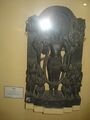
Vishnu Sculptures Sikar Museum from Harsh
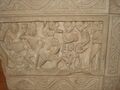
Two handed Shiva Dancing Sculptures Sikar Museum from Harsh
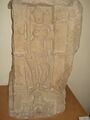
Sura Sundari 10 c. Sculptures Sikar Museum from Harsh
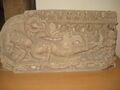
Sheshashavi Vishnu 10 c.Sculptures Sikar Museum from Harsh
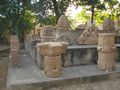
Sculptures Sikar Museum from Harsh
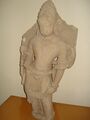
Sculptures Sikar Museum from Harsh
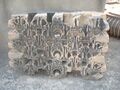
Sculptures Sikar Museum from Harsh
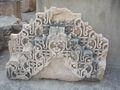
Sculptures Sikar Museum from Harsh
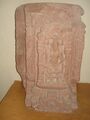
Ishan 10 c. Sculptures Sikar Museum from Harsh
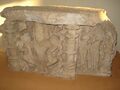
Harihara-pitamaha-Martanda 10 c. Sculptures Sikar Museum from Harsh
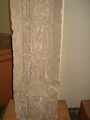
Dwar shakha Sculptures Sikar Museum from Harsh
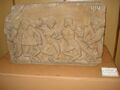
Dance and Music Panal1Sculptures Sikar Museum from Harsh
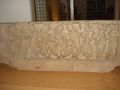
Dance and Music Panal1Sculptures Sikar Museum from Harsh
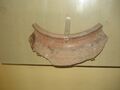
Pot Sherds Ganeshwar 3000 BC Sikar Museum
Pot Sherds Ganeshwar 3000 BC Sikar Museum
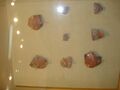
Pot Sherds Ganeshwar 3000 BC Sikar Museum
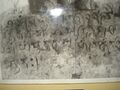
Rememberance pillar inscription Tantanawa Sikar Sculptures Sikar Museum


_10_c._Sculptures_Sikar_Museum.JPG)


Further reading
- Mansukh Ranwa ‘Manu’: Amar Shaheed Lotu Jat, J C Ranwa Prakashan, Sikar, 2001
- Ram Chandra Mali, Article in ‘Jat Jwala Pancham Pushp, 25 December 2002’, Sikar
- Dr Natthan Singh: Jat - Itihas (Hindi), Jat Samaj Kalyan Parishad Gwalior, 2004
- Dr Rajendra Kumar: Suraj Sujan, April 2006, Suraj Mal Education Society, C-4 Janakpuri, New Delhi, India -110058
- Peasant movements and political mobilization: The Jats of Rajasthan by Richard Sisson
- RICHARD SISSON, PEASANT MOVEMENTS AND POLITICAL MOBILIZATION: THE JATS OF RAJASTHAN
External links
- Sikar district villages on Geo API Explorer
- The Prajapati Yagya And The Awakening Of The Jats Of Sikar
- GALLANTRY AWARD WINNERS FROM SIKAR
Gallery of Sikar Events
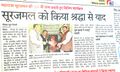
Surajmal Paid Homage in Sikar, Patrika
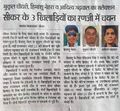
मुकुल चौधरी, हिमांशु नेहरा, अदित्य गढ़वाल का रणजी में चयन


Gallery of Jats from Sikar District


_of_Khandelawati.jpg)


_Surendra_Poonia.JPG)


References
- ↑ V. S. Agrawala: India as Known to Panini, 1953, p.506
- ↑ Aitihasik Sthanavali by Vijayendra Kumar Mathur, p.985
- ↑ Sabha Parva, Mahabharata/Book II Chapter 28
- ↑ Mahendra Singh Arya et al: Adhunik Jat Itihas, p.283
- ↑ Census Of India 1911 Volume xiv Punjab Part 2 by Pandit Narikishan Kaul
- ↑ रतन लाल मिश्र:शेखावाटी का नवीन इतिहास, कुटीर प्रकाशन मंडावा, 1998, पृ. 132
- ↑ रतन लाल मिश्र:शेखावाटी का नवीन इतिहास, कुटीर प्रकाशन मंडावा, 1998, पृ. 150
- ↑ रतन लाल मिश्र:शेखावाटी का नवीन इतिहास, मंडावा, १९९८, पृ.257
- ↑ Thakur Deshraj:Jat Jan Sewak, 1949, p.312-313
- ↑ Mahendra Singh Arya et al: Adhunik Jat Itihas, Section 9 pp. 21
- ↑ Princely States Report
- ↑ Princely States Report
- ↑ Amrit Bazar Patrika, April 4, 1935; Statesmen, April 4 and 18, Mayj2 and 16, June 6, 1935; Times (London), April 30 and July 5, 1935. Barnett R. Rubin, Feudal Revolt
- ↑ Princely States Report
Back to Jat Villages
- Rajasthan Districts
- Jat History
- Jat History in Rajasthan
- Jat Villages
- Villages in Sikar
- Ancient Jat Villages
- Jat Villages in Rajasthan
- Rajasthan Tahsils
- Cities and towns by Jats
- Converted Villages
- Ancient Jat Villages in Rajasthan
- Cities and towns by Jats in Sikar
- Cities and towns by Jats in Rajasthan
- Inscriptions
- Inscriptions in Rajasthan
- Inscriptions in Sikar
- AS