Faridkot


Faridkot (Hindi: फरीदकोट, Punjabi: ਫ਼ਰੀਦਕੋਟ) is a city and district in Punjab. It was founded by Bhallan of the Barar Jats in 16th century during the reign of Mughal Emperor Akbar.[1]
It has been named after the great Sufi Saint Baba Sheikh Fariduddin Ganjshakar, whose verses are mentioned in Guru Granth Sahib the holy book of Sikh religion.[2] Previously it was called Mokalhar.[3]
Contents
List of Faridkot Rulers
- Rao Siddh
- Rao Bhur
- Rao Barad
- Rao Dul
- Vinay Pal
- Manik Singh
- Tenda Singh
- Asi Singh
- Dhira Singh
- Fattu
- Sangar Singh (Contemporary of Babar:1483 – 1530)
- Bhullan Singh (d.1643)
- Kapura Singh (born 1628 - died 1708) (r.1643-1708)
- Jodha Singh (d.1767)
- Tegh Singh (d.1806)
- Sajja Singh (b. ... - died 1710) (r.1708 - 1710 )
- Sukha Singh (born 1681 - died 1731) (r.1710 - 1731)
- ...... (r.1731 - 1763)
- Hamir Singh of Faridkot (b. ... - d.1782, r.1763 - 1782)
- Mohr Singh (b. ... - died 1798) (r.1782 - 1798)
- Charat Singh (b. ... - died 1804) (r.1798 - 1804)
- Dal Singh (b. ... - d.1804) (r.1804 - )
- Gulab Singh (b.1797, r.1804 - d.1826)
- Attar Singh (b. r.1826 - 1827)
- Pahar Singh (b.1800 - d. 1849) (r.1827 - 1846)
- Raja Pahar Singh (s.a.) (r.1846 - d. 1849)
- Raja Wazir Singh (b.1811 - r.1849 - 1874)
- Vikram Singh (b.1842 - d.1898) (r.1874 - 8 August 1898)
- Maharaja Balbir Singh (b.1869,r.1898 - d.1906)
- Maharaja Brajendra Singh (b.1896 - d.1918) (r.11 February 1906 - 1918)
- Maharaja Hirendra Singh (s.a.) (r.1918 - 23 December 1918)
- Har Indar Singh (b.1915 - d.1989) (r.23 December 1918 - 15 August 1947)
Tahsils in Faridkot district
Villages in Faridkot Tahsil
Ahal, Arayanwala Kalan, Arayanwala Khurd, Aulakh, Bagiana, Beguwala, Bhag Singhwala, Bhagthala Kalan, Bhagthala Khurd, Bhairon-Ki-Bhatti, Bhana, Bhilewala, Bholuwala, Bir Bholuwala, Bir Chahal, Bir Sikhanwala, Burj Masta, Buttar, Chahal, Chak Dhudi, Chak Kalyan, Chak Sahu, Chak Seman, Chak Shama, Chambeli, Chand baja, Chanian, Chet Singhwala, Chugewala, Daggo Romana, Dalewala, Dana Romana, Dawareana, Deep Singhwala, Deviwala, Dhab Sher Singhwala, Dhilwan Kalan, Dhilwan Khurd, Dhimanwali, Dhudi, Dhulkot, Dod, Faridkot (M Cl), Faridkot (Rural), Ghaniewala, Ghoniwala, Ghuduwala, Ghugiana, Ghumiara, Golewala, Gujjar, Hadialana, Hari Nau, Hariewala, Hassan Bhatti, Jalaleana, Jandwala, Janerian, Jeonwala, Jhariwala, Jhok Sarkari, Jhotiwala, Kabalwala, Kamiana, Kanianwali, Kater, Kauni, Khara, Khilchi, Kingra, Koharwala, Kot Kapura, Kot Kapura (M Cl), Kot Sukhia, Machaki Kalan, Machaki Khurd, Machaki Mal Singh, Madahar, Mallewala, Mandwala, Mani Singhwala, Maur, Mehmuana, Midu Maan, Misriwala, Moranwali, Mumaru, Nangal, Naraingarh, Nathalwala, Nathewala, Pakhi Kalan, Pakhi Khurd, Pakka, Panjgrain Kalan, Pehluwala, Phide Kalan, Phide Khurd, Pindi Balochan, Pipli, Qila Nau, Rajowala, Rattirori, Rupianwala, Sadhanwala, Sadhuwala, Sadiq, Saideke, Sandhwan, Sangatpura, Sango Romana, Sangrahur, Sher Singhwala, Sibbian, Sikhanwala, Simrewala, Sirsari, Sukhanwala, Tehna, Thara, Virewala Kalan, Virewala Khurd, Wander Jatana, Wara Daraka,
सिद्धू - बराड़ जाटवंश
दलीप सिंह अहलावत [4] के अनुसार ये दोनों जाटवंश (गोत्र) चन्द्रवंशी मालव या मल्ल जाटवंश के शाखा गोत्र हैं। मालव जाटों का शक्तिशाली राज्य रामायणकाल में था और महाभारतकाल में इस वंश के जाटों के अलग-अलग दो राज्य, उत्तरी भारत में मल्लराष्ट्र तथा दक्षिण में मल्लदेश थे। सिकन्दर के आक्रमण के समय पंजाब में इनकी विशेष शक्ति थी। मध्यभारत में अवन्ति प्रदेश पर इन जाटों का राज्य होने के कारण उस प्रदेश का नाम मालवा पड़ा। इसी तरह पंजाब में मालव जाटों के नाम पर भटिण्डा, फरीदकोट, फिरोजपुर, लुधियाना आदि के बीच के प्रदेश का नाम मालवा पड़ा। (देखो, तृतीय अध्याय, मल्ल या मालव, प्रकरण)।
जब सातवीं शताब्दी में भारतवर्ष में राजपूत संघ बना तब मालव या मलोई गोत्र के जाटों के भटिण्डा में भट्टी राजपूतों से भयंकर युद्ध हुए। उनको पराजित करके इन जाटों ने वहां पर अपना अधिकार किया। इसी वंश के राव सिद्ध भटिण्डा नामक भूमि पर शासन करते-करते मध्य भारत के सागर जिले में आक्रान्ता होकर पहुंचे। इन्होंने वहां बहमनीवंश के फिरोजखां मुस्लिम शासक को ठीक समय पर सहायता करके अपना साथी बना लिया था जिसका कृतज्ञतापूर्वक उल्लेख शमशुद्दीन बहमनी ने किया है। इस लेखक ने राव सिद्ध को सागर का शासनकर्त्ता सिद्ध किया है। राव सिद्ध मालव गोत्र के जाट थे तथा राव उनकी उपाधि थी। इनके छः पुत्रों से पंजाब के असंख्य सिद्धवंशज जाटों का उल्लेख मिलता है। राव सिद्ध अपने ईश्वर विश्वास और शान्तिप्रियता के लिए विख्यात माने जाते हैं। राव सिद्ध से चलने वाला वंश ‘सिद्धू’ और उनकी आठवीं पीढ़ी में होने वाले सिद्धू जाट गोत्री राव बराड़ से ‘बराड़’ नाम पर इन लोगों की प्रसिद्धि हुई। राव बराड़ के बड़े पुत्र राव दुल या ढुल बराड़ के वंशजों ने फरीदकोट और राव बराड़ के दूसरे पुत्र राव पौड़ के वंशजों ने पटियाला, जींद, नाभा नामक राज्यों की स्थापना की। जब पंजाब पर मिसलों का शासन हुआ तब राव पौड़ के वंश में राव फूल के नाम पर इस वंश समुदाय को ‘फुलकिया’ नाम से प्रसिद्ध किया गया। पटियाला, जींद, नाभा रियासतें भी फुलकिया राज्य कहलाईं। बाबा आला सिंह संस्थापक राज्य पटियाला इस वंश में अत्यन्त प्रतापी महापुरुष हुए। राव फूल के छः पुत्र थे जिनके नाम ये हैं - 1. तिलोक 2. रामा 3. रुधू 4. झण्डू 5. चुनू 6. तखतमल। इनके वंशजों ने अनेक राज्य पंजाब में स्थापित किए।
जाट वीरों का इतिहास: दलीप सिंह अहलावत, पृष्ठान्त-774
फुलकिया से सम्बन्धित कैथल और अरनौली राज्य थे। इनके अतिरिक्त भदौड़, झुनवा, अटारी आदि छोटी-छोटी रियासतें भी सिद्धू जाटों की थीं। यही वंश पंजाब में सर्वाधिक प्रतापी है और सम्पूर्णतया धर्म से सिक्ख है।
राव सिद्धू के पुत्र राव भूर बड़े साहसी वीर योद्धा थे। अपने क्षेत्र के भट्टी राजपूतों से इसने कई युद्ध किए। इसी तरह से राव भूर से सातवीं पीढ़ी तक के इस सिद्धूवंश के वीर जाटों ने भट्टी राजपूतों से अनेक युद्ध किए। भट्टी राजपूत नहीं चाहते थे कि हमारे रहते यहां कोई जाट राज्य जमे या जाट हमसे अधिक प्रभावशाली बनकर रहें किन्तु राव सिद्धू की आठवीं पीढ़ी में सिद्धू गोत्र का जाट राव बराड़ इतना लड़ाकू शूरवीर, सौभाग्यशाली योद्धा सिद्ध हुआ कि उसने अपनी विजयों द्वारा राज्यलक्ष्मी को अपनी परम्परा में स्थिर होने का सुयश प्राप्त किया। यहां तक कि फक्करसर, कोट लद्दू और लहड़ी नामक स्थानों पर विजय प्राप्त करने पर तो यह दूर-दूर तक प्रख्यात हो गया। राव बराड़ के नाम पर सिद्धूवंशज बराड़वंशी कहलाने लगे। आजकल के सिद्धू जाट अपने को बराड़वंशी कहलाने में गौरव अनुभव करते हैं। इस वीर योद्धा राव बराड़ के दो पुत्र थे। बड़े का नाम राव दुल (ढुल) और छोटे का नाम राव पौड़ था।
इन दोनों की वंशपरम्परा में पंजाब में निम्न राज्य स्थापित किए ।
History
The ruling dynasty of Faridkot State claimed descent from Rawal Jaisal, who founded Jaisalmer in Rajasthan in 1156. The town was founded in the 16th century by his descendant Bhullan Singh of the Barad Jats.
In 13th century, noted Sufi saint, Baba Farid, on his way to Pak Pattan from Delhi, stopped here, and did penance for 40 days, near the fort of King ‘Makoal’, then under construction. The king was so impressed by his presence that he named the city, after Baba Farid, 'Faridkoat, instead of ‘Makoalpur’, and the place, where he stayed, is still called, ‘Tilla Baba Farid’, and ‘Baba Sheikh Farid Aagman Purb Mela’ is celebrated each year, commemorating his arrival in the city [5][6].

The ancestor of the Faridkot principality, Bhullan Singh was an ardent follower of 6th Sikh Guru Har Gobind. He helped the Guru Har Gobind ji in the battle of Mehraj. He died issueless in 1643. Kapura Singh, who was a nephew of Bhullan Singh, succeeded him. Kapura Singh founded the town of Kotkapura in 1661. Nawab Kapura was the Chaudhry of eighty-four villages. He was a Sikh but did not want to earn the ire of the Mughals and avoided helping Guru Gobind Singh Ji in fighingt with Mughals. The famous last battle of Muktsar (Khidrane Di Dhaab) now a historic town, happened after Nawab Kapura declined Guru Gobind Singh's request to use his fort to fight Mughal Army. Otherwise the last war between Mughals and Guru Gobind Singh Ji was destined to happen at Kotkapura. Guru ji moved from Kotkapura to Dhilwan Kalan from there to Talwandi Sabo via Guru ki Dhab. However, later in the battle of Muktsar in 1705, Nawab Kapura, helped Guru Gobind Singh Ji in an underhand manner. Kapura Singh was slain by Isa Khan Manj in 1708. He had three sons named Sukhia, Sema and Mukhia. Mukhia killed Isa Khan and took control of the entire area. Sema was also killed in this battle in 1710. Kapura’s elder son Shekha Singh again came into power in 1720.


A dispute between grandsons of Kapura (sons of Sukhia or Shekha Singh) led to the division of the state in 1763. The older brother, Sardar Jodh Singh Brar, retained control of Kotkapura, and his younger brother, Sardar Hamir Singh Brar, was given Faridkot.
The state was captured in 1803 by Ranjit Singh of Lahore, but was one of the Cis-Sutlej states that came under British influence after the 1809 Treaty of Amritsar. During the Sikh wars in 1845, Raja Pahar Singh aided the British, and was rewarded with an increase of territory. The state had an area of and its 642 square miles, and a population of 124,912 in 1901.
Boundaries of state- It was bounded on the west and northeast by the British district of Ferozepore, and on the south by the state of Nabha. The last Ruler of Faridkot was Lt. HH Farzand-i-sadaat Nishan Hazrat-i-kaisar-i-hind Raja Sir Harindar Singh Brar Bans Bahadur.
Before partition there was majority Muslim population in Faridkot. There are many mosques in Faridkot which are taken care of by Sikh villagers. There was a man named Sher Singh Gill who comes from a warrior family he was known for his brave action against the mob during 1947 riots. In a village named Jattpur there were many attacks on residents that weren't Sikhs or Hindus. Sher Singh Gill saved a man named Mohammad Ali who was running for his life from the mobs. Luckily Sher Singh was in the farms and seen Ali running and presued to stop the mob and save Mohammad from death. Mohammad Ali was really grateful and thanked Sher Singh so much. After the partition was over and killing was finished Ali had resided in Faridkot where he worked with Sher singh. After, Sher Singh death in 1978 he gave all his land, property, and car to Mohammad Ali because of his loyalty.
Faridkot has played a leading role in the politics of the state of Punjab with a number of chief ministers and even a president hailing from the area. Although the separation of Moga and Muktsar left this district considerably smaller, the area remains an important political arena.
Faridkot State
Faridkot State, with its capital at Faridkot, was a Princely state in Punjab, it was one of the Cis-Sutlej states. The state was established in 1763, ruled by a Jatt Sikh Brar dynasty and was an offspring of Kotkapura. Faridkot was occupied by Ranjit Singh of Sikh Empire in 1803 but had to be returned to the former rulers in 1807 on the behest of the British in 1809. Faridkot came under British suzerainty when ancestral lands confiscated by the ruler of Nabha were returned in 1846 after the First Sikh War of 1845/1846 as well as for services rendered to the British Raj in administering the Punjab. For the support in overcoming the Indian Mutiny of 1857, the ruler of Faridkot was accorded a 11-gun salute as per the rules of precedence in the Imperial Durbar.
Faridkot had issued postage stamps independently from 1879 to 1887 when it signed a postal convention with the British.
Faridkot Prominent People

Standing L to R - Tikka Amrinder Singh Brar Bans Bahadur of Faridkot (now Maharaja), Raja Virbhadra Singh of Bushahr (former C.M. of Himachal Pradesh), Rajkumari Gurmehak Inder Kaur of Faridkot, Tikkarani Deepak Kaur , Kanwar Rani Meenakshi Kumari of Faridkot (earlier Rajkumari of Bushahr), Rani Pratibha of Bushahr, Kanwar Ravi Inder Singh Brar Bans Bahadur of Faridkot
Sitting Left - Right -
Raja Bharat Inder Singh Brar Bans Bahadur of Faridkot, Rani Brahm Prakash Kaur of Faridkot, Rajkumar Karan Inder Singh Brar Bans Bahadur of Faridkot (now Tikka)
Credit:- Kanwar Ravi Inder Singh Brar of Faridkot
Source -Jat Kshatriya Culture
Further study
- Jat History Thakur Deshraj/Chapter VII Part II (i), pp.438-474
- An historical sketch of the native states of India/The Cis-Satlaj states, Author: Malleson, G. B. (George Bruce), (1875)
Notable persons

- Abhijit Singh Sekhon (Col) (28.01.1949 - 21.04.1988) became martyr on 21.04.1988 during Operation Pawan in Sri Lanka. He was from Faridkot in Punjab. Unit: 7 Madras Regiment.
Gallery
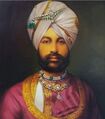
Maharaja Balbir Singh Brar Bans Bahadur of Faridkot, Source - Jat Kshatriya Culture

Kunwar Harmandeepinder Singh Brar of Faridkot
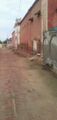
Haveli of Sidhu Jats at Burj Jawahar Singh wala
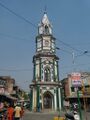
The tower was built by Maharaja Balbir Singh Brar of Faridkot in 1902. The hight of this tower is 115 ft.
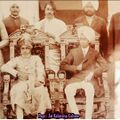
H.H. Maharaja Kishan Singh of Bharatpur (left side), Maharaja Brijendra Singh of Faridkot (right side), Raja Raghunath Singh of Bharatpur in centre standing at Faridkot wedding of H H. Maharaja Kishan Singh of Bharatpur 1914. Credit:- Raja Raghuraj Singh Of Bharatpur.
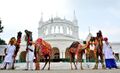
Darbar Ganj Faridkot , Punjab
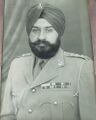
Portrait of Colonel H.H. Farzand-i-Saadat-i-Nishan-i-Hazrat-i-Kaiser-i-Hind Maharaja Sir Harinder Singh, Brar Bans Sahib Bahadur, Maharaja of Faridkot, Source - Jat Kshatriya Culture
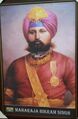
Maharaja Bikram Singh Brar, Maharaja Of Faridkot
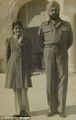
Princess Amrit Kaur Faridkot is seen with her late father H.H Maharaja Harinder Singh Brar Of Faridkot. Source - Jat Kshatriya Culture

Raja Bharat Inder Singh Brar nephew of H.H.Maharaja Harinder Singh Brar Bans Bahadur of Faridkot.
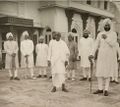
Maharaja Yadavindra Singh of Patiala, Maharaja Ranbir Singh Of Jind, Maharaja Jagatjit Singh of Kapurthala Maharaja Pratap Singh of Nabha, Maharaja Sir Harinder Singh Brar of Faridkot with Sardar Vallabhai Patel


External links
References
- ↑ Encyclopaedia Britannica 2001
- ↑ http://pbsc.nic.in/pdf/districts/faridkot.pdf
- ↑ http://pbsc.nic.in/pdf/districts/faridkot.pdf
- ↑ Jat History Dalip Singh Ahlawat/Chapter IX, pp. 774-775
- ↑ Manns draw crowds at Baba Farid Mela The Tribune, 25 September 2007.
- ↑ Tilla Baba Farid The Tribune, 25 September 2007.
Back to Jat Forts