Firozpur

Firozpur or Ferozepur, Ferozepore, (फिरोज़पुर) is a city and district in Punjab, India.
Contents
Tahsils in Firozpur district
Villages in Firozpur Tahsil
Achhewala, Aku Mastu Ke, Akuwala, Ala Dhutta, Alewala, Alfooke, Alike Jhungian, Aliwala, Arazi Katoria, Arie Ke, Asal, Asman Randhawa, Attari, Atuwala Hithar, Atuwala Uttar, Aulake, Badhni Gulab Singh, Badhni Jaimal Singh, Bage Ko Pipal, Baggewala, Bagguwala, Baghali Singhwala, Baghewala, Bahadurwala, Bandala, Bara Jawahar Singhwala, Barabhai, Bare Ke, Barewala, Basti Pathanawali, Bazidpur, Begu Mahu, Betu Qadim, Bhabra Azam Shahwala, Bhadru, Bhagwanpura, Bhamba Haji, Bhamba Singhwala, Bhambalanda, Bhangali, Bhangar, Bharoli Bham, Bhollowala, Bhure Kalan, Bhure Khurd, Bir Sarkar, Bodal, Bukan Khanwala, Burj Makhan Singh, Butewala, Buttar, Chak Bhangewala, Chak Dona Rahime Ke, Chak Ghobai Alias Tangan, Chak Ghobai Urf Taranwala, Chak Haraj, Chak Khundar, Chak Malha Kari, Chak Rao ke Hithar, Chak Reranwala, Chak Sadhuwala, Chak Sawai Khurd, Chak Sutarya, Chak Tahliwala, Chanar, Changali Jadid, Changali Qadim, Chhanga Khurd, Chhanga Makhna, Chuhar Khilchi, Chupati, Daryake, Dastul Sahibwala, Dhindsa, Dhira Ghara, Dhira Pattra, Dholewala, Dilaram, Dod, Dona Jaimalwala, Dona Mittar, Dona Rahmatwala, Dona Telu Malwala, Doni Khundar, Dula Singhwala, Dulchi Ke, Dulewala, Faridewala, Faridowala, Fatehwala Hithar, Fatta Bora, Fatuwala, Feroze Shah, Firozpur (M Cl), Firozpur Cantt. (CB), Firozpur(Rural), Gadodoo, Gamewala, Gandhu Kilcha Uttar, Gatti Basti Masta - 2, Gatti Chak Jadid, Gatti Mattar, Gatti Mehmud Ke Hithar, Ghall Khurd, Ghatti Rahime Ke, Ghiniwala, Ghugatewala, Ghulam Hussainwala, Gill, Gillanwala, Gokhiwala, Gulam Pattra, Gulamwala, Gurditiwala, Habib Ke, Habibwala, Haji Chhimba, Hakewala, Hakumat Singhwala, Hamad, Hamidwala, Haraj, Haste Ke, Hastewala, Hazara Singhwala, Hussain Dhut, Hussain Shahwala, Ilmewala, Inayat Ke, Ittanwali, Jaimalwala, Jaimalwala Alias Pireana, Jalalwala, Jama Rakhia Hithar, Jama Rakhia Uttar, Jamaitpur Dheru, Jandwala, Jang, Jatala, Jawahar Singhwala, Jhanjian, Jhok Harihar, Jhok Naudh Singh, Jhok Tahal Singh, Jit Singhwala, Jiwa Bhedi, Jodhpur, Kabar Bachha, Kahan Chandwala, Kailash, Kailuwala, Kakar, Kakuwala, Kala Tibba, Kale Ke Hithar, Kaliewala, Kalu Araian Uttar, Kalu Arain Hithar, Kaluwala, Kaluwala, Kamala Bodal, Kamala Middu, Kamaldin Niazi, Kamalwala, Kamalwala, Kamalwala Khurd, Kandawali, Kari Kalan, Kari Khurd, Karian Pahelwan, Karman, Karmiti, Karmonwala, Kasubegu, Katora, Khai, Khaja Kharak, Khamba, Khane Ke Ahal, Khangarh, Khilchi Jadid, Khilchi Qadim, Khundar Hithar, Khundar Uttar, Khushal Singhwala, Killi, Kot Karor Kalan, Kot Karor Khurd, Kotla, Kotwala, Kulgarhi, Lakha Bedi, Lakha Bubna, Lakha Haji, Lakha Singhwala Hithar, Lakha Singhwala Uttar, Lakhmir Ke Hithar, Lakhmir Ke Uttar, Lakho Ke Behram, Lalle, Langiana, Lodharan, Loham, Lohgarh, Lohra Nawab Sahib, Luther, Machhi Bugra, Machhiwara , Machhiwara, Machhiwara, Machhiwara, Machhiwara Alias Kamagar, Madhre, Mahal Singhwala, Mahalam, Malhuwala, Mallha Rahim Ke Uttar, Mallha Rahime Ke Hithar, Malsian, Malwal, Mamdot Hithar, Mamdot Uttar, Mana Singhwala, Maste Ke, Mattar Hithar, Mattar Uttar, Mehmad Khan Niazi, Mehman, Mehmud Ke Hithar, Mehmud Ke Mahal Hithar, Mehmud Ke Uttar, Mida Haji, Miran Shah Boor, Mirza Lakhoke, Mirze Ke, Misriwala, Mohkam Bhatti, Mohkam Khanwala, Mohkamwala, Mohre, Mudki, Najju Shah Misri, Naraingarh, Nasira Khilchi, Naurang Ke Lelli, Naurang Ke Sial, Nawan Qila, Nazamwala, Nihala Kilcha, Nihala Lawera, Nihalewala, Nurpur, Padri, Palha Megha, Patti Gairabad, Pattli, Pharaya Malwala, Pharuwala, Phide, Phularwan, Pir Ahmad Khanwala, Pir Ismail Khanwala, Pir Khan Sheikh, Piranwala, Piruwala, Pojoke Uttar, Pojuko Hithar, Qadabora, Qutabdinwala, Qutbewala, Rahime Ke Hithar, Rahime Ke Uttar, Raja Rai, Rajiwala, Ramewala, Rao Ke Hithar, Rao Ke Uttar, Ratta Khera baja Kotwal, Ratta Khera Bhai Gulab Singh, Ratta Khera Punjab Singhwala, Rohela Haji Uttar, Rohela Hazi Hithar, Roranwala, Rukan Shahwala, Rukna Begu, Rukna Mungla, Ruknewala, Sadar Dinwala, Sadhu Shahwala, Sadhu Singhwala, Said Ke Nail, Saidanwala, Saide Ke, Saide Ke Rohela, Sanda Hasham, Sanda Moja, Sappanwali, Saranwali, Satyewala, Sawai Bhokhari, Sayianwala, Shahdinwala, Shahzadi, Shakoor, Sham Singhwala, Sharinwala, Sher Khanwala, Sidhu, Sodhi Nagar Urf Sultan Khanwala, Sodhiwala, Sodhiwala, Suba Jadid, Suba Qadim, Sulhani, Sultanwala, Sur Singhwala, Tabbi Khurd, Tahliwala, Tali Gulam, Tali Saida Sahu, Talwandi Bhai,]] (M Cl), Tara Singhwala, Tega Singhwala, Theh Gujjar, Theth, Thethar Kalan, Thethar Khurd, Tibbi Kalan, Tonbar Bhan, Toor, Tut, Ugoke, Usmanwala, Waghewala, Wahag Ke, Walhoor, Wan, Waryamwala, Weir, Yare Shahwala,
History
Founded by Sultan Firuz Shah Tughluq (1351-88) on the banks of the Sutlej River, Ferozpur today is a mofussil transportation and administration center and an ancient city located on the banks of the Sutlej River, in the state of Punjab, India. It is a border town on the Indo-Pakistan border with memorials to India's freedom fighters. Three heroic martyrs in India's struggle for freedom, Bhagat Singh, Rajguru and Sukhdev, were hanged in Lahore for their revolutionary activities against the British Government on March 23, 1931. They were cremated and a monument stands at their final resting place in Hussainiwala on the Sutlej river bank. Firozpur Cantonment is adjacent to and south of the city. During British times it was one of the largest Cantonements in the country.
Ferozepur has easy access by road and rail to other places such as Amritsar, Ludhiana, Jalandhar, Delhi, and Chandigarh. The city is a center of numerous holy shrines and historic places.At the nearby city of Zira a beautiful Jain Swetambar Temple with ancient brass icons and beautiful wall murals is located.
Ferozepur is the oldest British district of Punjab established in 1833 as district headquarters even well before Ludhiana and Amritsar became districts. Ferozepur district even after partition included many areas which were later reorganised to be a part of the Faridkot, Moga, Muktsar and Bhatinda Districts.
Jat clans in the district
According to B S Dhillon,[1], the Jat clans in the district with population are as under:
Sidhu (207,000), Gill (78,000), Dhariwal (60,000), Khosa (9,000), Sandhu (31,500), Aulak (4,200), Bath (1,800), Bhullar (9,900), Bahar (1,500), Bhuttar (3,600), Chahil (6,300), Chimma (2,490), Dhillon, (22,500), Garund (3,330), Her (1,950), Jakhan (300), Johal (2,580), Kaler (2,160), Kang (2,400), Kargha (1,650), Khera (2,400), Korutana (2,760), Mahi (1,740), Mahil (1,110), Mann (21,000), Pannun (330), Rai (2,700), Randhawa (930), Sang (4,500), Sangi (1,560), Sarai (12,900), Sekhon (5,400), Sumra (1,650), Wandar (4,560) and Virk (1,500).
Also see
Firozpur Bilsi - Village in Bilsi tahsil of Budaun distt., U.P.
Notable persons
- Dharm Kaur (धर्म कौर) was daughter of Chaudhari Mihr Mitha of Firozepur district in Punjab. She was very beautiful and very strong girl. Akbar wanted to marry with her. Mihr Mitha consulted 35 Jat clan Khap people and the proposal was rejected by the Khaps.[2]

- Deependra Bhuchar (Major), Vira Chakra (Posthumous), became martyr on 23 August 1997 in Uri sector of Jammu and Kashmir fighting with the militants. He was from Firozpur, Punjab.
- Unit: 24 Punjab Regiment.
External links
Gallery
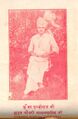
Prithvi Raj son of Narayan Singh of Rupnagar Ferozpur

References
- ↑ History and study of the Jats - by Professor B.S Dhillon.ISBN-10: 1895603021 or ISBN-13: 978-1895603026. 127
- ↑ Sukhvir Singh Dalal, Jat Jyoti, April 2013,p.7
Back to Places