Lahore
| Author:Laxman Burdak, IFS (R) |


Lahore (लाहोर) (Urdu: لاہور, Punjabi: لہور) (Lahor) is the capital of the Punjab province and is the second largest city in Pakistan after Karachi.
Variants of name
- Lahore (Anabasis by Arrian, p. 280, 301.)
- Lahore (लाहौर), पाकिस्तान, (AS, p.817)
- Labokla (by Ptolemy)
- Lohawar (by Abu Rihan)
- Lopaburi (लोपबुरी) दे. Lavapuri (लवपुरी) (1) (AS, p.822)
- Lavapuri (AS, p.814)
- Lamapura लामपुर = Lahore (लाहौर) (AS, p.816)
Location
It is popularly known as the Heart of Pakistan, due to its historical importance in the creation of Pakistan, and also being a cultural, political and educational centre of the country. The city lies along the Ravi River, situated approximately 25 kilometres from Wagah border crossing and is 32 kilometres from the Indian city of Amritsar.
Origin

1. A legend or oral tradition holds that Lahore, known in ancient times as Lavapuri ("City of Lava" in Sanskrit), [1] was founded by Prince Lava or Loh, [2] the son of Rama, the Hindu deity, while Kasur was founded by his twin brother Prince Kusha.[3]To this day, Lahore Fort has a vacant temple dedicated to Lava (also pronounced Loh, hence Loh-awar or "The Fort of Loh").[4]
2. Ptolemy, the celebrated 2nd-century Egyptian astronomer and geographer, mentions in his Geographia a city called Labokla [5] situated on the route between the Indus River and Palibothra, or Pataliputra (Patna) mostly, in a tract of country called Kasperia (Kashmir). It was described as extending along the rivers Bidastes or Vitasta (Jhelum), Sandabal or Chandra Bhaga (Chenab), and Adris or Iravati (Ravi). This city may have been ancient Lahore.
3. Probably name was after Lohar (लोहर) Lohariya (लोहरिया) tribe.The gotra started after Raja Kalash Loha (कलशलोह).[6] Bhim Singh Dahiya[7] has described about the history of this clan. This clan is famous in Kashmir history and gave it a whole dynasty called Lohar dynasty. Their settlement in India was Loharin, in Pir Pantsal range. The Lohar Kot-fort of Lohars-is named after them. The famous queen Dida, married to Kshemagupta, was daughter of Lohar Kong Simha Raja, who himself was married to a daughter of Lalli (Jat Clan) Sahi king Bhima of Kabul and Udabhanda (Und, near modern Attock). Thus Didda was a Lohariya Jat scion, and a granddaughter of Lalli Jats of Kabul baseless called Brahmans. The descendants of their ruling family are still called Sahi Jats. Queen Didda, made one Sangram Raj, her successor. He was the son of her brother Udaya Raj and he died on 1028 A.D. [8]Lohar itself remained with Vigrah Raj. Alberuni refers to this castle Lohar Kot-as Loha Kot, and Mahmud Ghazni’s attack on Lohar Kot was a dismal failure. Farishta tells that Muhmud failed because the fort “was remarkable on account of its height and strength.[9]
History

The oldest authentic document about Lahore was written anonymously in 982 A H and is called Hudud ul-'alam min al-mashriq ila al-maghrib|Hudud-i-Alam[10]. It was translated into English by Vladimir Fedorovich Minorsky and published in Lahore in 1927. In this document, Lahore is referred to as a small shahr (city) with "impressive temples, large markets and huge orchards." It refers to "two major markets around which dwellings exist," and it also mentions "the mud walls that enclose these two dwellings to make it one." The original document is currently held in the British Museum. [11]. Lahore was called by different names in history, and to date there is no evidence to suggest the actual time, when the city was made, some historians trace the history of the city as far as 4000 years ago.[12].

In 1799, all Sikh Misls joined into one to form a sovereign Sikh state ruled by Maharaja Ranjit Singh (Punjab) from the royal capital, Lahore[13].
Lahore enjoys a special position in the history of India's freedom-struggle. The 1929 Congress session was held at Lahore. In this Congress, the Declaration of the Independence of India was moved by Pandit Nehru and passed unanimously at midnight on 31 December 1929.[11] On this occasion, the contemporary tricolour of India (with a chakra at its centre) was hoisted as a national flag, and thousands of people saluted it.
Lahore Fort Prison was a place to detain revolutionary freedom fighters. Noted freedom fighter Jatin Das died in Lahore prison after fasting for 63 days in protest of British treatment of political prisoners. One of the greatest martyrs in the history of Indian independence, Shaheed Sardar Bhagat Singh along with his two comrades Sukhdev and Rajguru, was hanged in Lahore Jail.[14]
The most important session of the All India Muslim League, later the Pakistan Muslim League, the political party fighting for Indian independence and the creation of Pakistan, was held in Lahore in 1940. Muslims under the leadership of Quaid-e-Azam demanded a separate homeland for Muslims of India in a document known as the Pakistan Resolution or the Lahore Resolution. During this session, Muhammad Ali Jinnah, leader of the League, publicly proposed the Two Nation Theory for the first time.
Lahore is regarded as the heart of Pakistan and was known as the Paris of the East before the riots of 1947. Among all cities of India, Lahore suffered the greatest loss due to the Partition of Punjab in 1947.
At independence, Lahore was made capital of Punjab province in the new state of Pakistan.
Alexander Cunningham on Lahore
Alexander Cunningham[15] writes about Lohawar, or Lahor:
[p.197]: The great city of Lahor, which has been the capital of the Panjab for nearly nine hundred years, is said to have been founded by Lava, or Lo, the son of Rama, after whom it was named Lohawar. Under this form it is mentioned by Abu Rihan ; but the present form
1 The identification of Ptolemy's Labokla with Lahor was first made in Kiepert's Map of India, according to Ptolemy, which accompanied Lassen's ' Indische Alterthumskunde.' It has since been confirmed by the researches of Mr. T. H. Thornton, the author of the ' History and Antiquities of Lahor.'
[p.198]: of tie name, Lahor, which was soon adopted by the Muhammadans, has now become universal. Its history has been described by Mr. Thornton in a very full and able account, replete with interesting information. He has identified Lahor with the Labokla of Ptolemy, which I believe to be correct, taking the first two syllables Labo to represent the name of Lava. But I would alter the termination of kla to lka, or laka, thus making the whole name Laboluka for Lavalaka, or the " abode of Lava."
Hwen Thsang makes no mention of Lahor, although it is almost certain that he must have passed through it on his way from Taki to Jalandhar. He notes1 that he halted for a whole month at a large city on the eastern frontier of Taki ; but as this kingdom ex- tended to the Byas river on the east, the great city on its eastern frontier should be looked for on the line of the Bias, and not on the Ravi. It was most probably Kasur. The first distinct mention of Lahor occurs in the campaigns of Mahmud of Ghazni, when the Brahman kings of the Kabul valley, being driven from Peshawar and Ohind, established their new capital first at Bhira on the Jhelam, and afterwards at Lahor. Thus both Jay Pal, and his son Anand Pal, the successive antagonists of Mahmud, are called Rajas of Lahor by Ferishta. This Hindu dynasty was subverted in A.D. 1031, when Lahor became the residence of a Muhammadan governor under the king of Ghazni.2
1 Julien's ' Hiouen Thsang,' i. 99.
2 This date is derived from Ferishta; but there are coins of Mahmud with Arabic and Sanskrit inscriptions, struck at Mahmudpur in A.H. 1019. Mr. Thomas has identified this city with Lahor. It is found in Abu Rihan, and other Muhammadan historians, under the corrupt form of Mandhukur, the capital of Lahor.
[p.199]: Upwards of a century later, in A.D. 1152, when Bahram was driven from Ghazni by the Afghans of Ghor, his son Kushru established himself at Lahor. But this new kingdom lasted for only two generations, until A.D. 1186, when the sovereignty of the Ghaznavis was finally extinguished by the capture and imprisonment of Khusru Malik, the last of his race.
लाहौर, पाकिस्तान
Lahore लाहौर, पाकिस्तान, (AS, p.817): विजयेन्द्र कुमार माथुर[16] ने लेख किया है .....रावी नदी के दाहिने तट पर स्थित बहुत प्राचीन नगर है। जनुश्रुतियों के अनुसार लाहौर नगर का प्राचीन नाम लवपुर या लवपुरी था, और इसे श्रीरामचन्द्र के पुत्र लव ने बसाया था। कहा जाता है, कि लाहौर के पास स्थित कुसूर नामक नगर को लव के बड़े भाई कुश ने बसाया था। वैसे वाल्मीकि रामायण से इस लोकश्रुति की पुष्टि स्पष्ट रूप से नहीं होती, क्योंकि इस महाकाव्य में श्रीराम के द्वारा लव को उत्तर और कुश को दक्षिण कोसल का राज्य दिए जाने का उल्लेख है- -"कोसलेषुकुशं वीरमुत्तरेषु तथालवम्" (उत्तर काण्ड). दक्षिण-कोसल में कुश ने कुशावती नामक नगरी बसाई थी। लव के द्वारा किसी नगरी के बसाए जाने का उल्लेख रामायण में नहीं है।
लाहौर का मुसलमानों के पूर्व का इतिहास प्रायः अन्धकारमय और अज्ञात है। केवल इतना अवश्य पता [p.818]: है, कि 11वीं शती के पहले यहाँ एक राजपूत वंश की राजधानी थी। 1022 ई. में महमूद ग़ज़नवी की सेनाओं ने लाहौर पर आक्रमण करके इसे लूटा। सम्भवतः इसी काल के इतिहासकारों ने लाहौर का पहली बार उल्लेख किया है। ग़ुलाम वंश तथा परवर्ती राजवंशों के शासनकाल में भी कभी-कभी लाहौर का नाम सुनाई पड़ जाता है। 1206 ई. में मुहम्मद ग़ोरी की मृत्यु के पश्चात् लाहौर पर अधिकार करने के लिए कई सरदारों में संघर्ष हुआ, जिसमें अन्ततः कुतुबद्दीन ऐबक सफल हुआ। तैमूर ने 14वीं शती में लाहौर के बाज़ारों को लूटा और 1524 ई. में बाबर ने इस नगर को लूटकर जला दिया। किन्तु उसके बाद शीघ्र ही पुराने नगर के स्थान पर नया नगर बस गया।
वास्तव में, लाहौर को अकबर के समय से ही महत्त्व मिलना शुरू हुआ। 1584 ई. के पश्चात् अकबर कई वर्षों तक लाहौर में रहा और जहाँगीर ने तो लाहौर को अपनी राजधानी बनाकर अपने शासनकाल का अधिकांश समय वहीं पर बिताया। मुग़लों के समय में उत्तरी-पश्चिमी सीमान्त पर होने वाले युद्धों के सुचारू संचालन के लिए भी लाहौर में शासन का केन्द्र बनाना आवश्यक हो गया। इसके साथ ही जहाँगीर को कश्मीर घाटी के आकर्षक सौंदर्य ने भी आगरा छोड़कर लाहौर में रहने को प्रेरित किया, क्योंकि यहाँ से कश्मीर अपेक्षाकृत नज़दीक़ था। शाहजहाँ को भी लाहौर का काफ़ी आकर्षण था, किन्तु औरंगज़ेब के समय में लाहौर के मुग़लकालीन वैभव विलास का क्षय प्रारम्भ हो गया।
1738 ई. में नादिरशाह ने लाहौर पर आक्रमण किया, किन्तु अपार धन-राशि लेकर उसने यहाँ पर लूटमार मचाने का इरादा छोड़ दिया।
1799 ई. में पंजाब केसरी रणजीत सिंह के समय में लाहौर को फिर एक बार पंजाब की राजधानी बनने का गौरव मिला।
1849 ई. में पंजाब को ब्रिटिश भारत में मिला लिया गया और लाहौर को सूबे का मुख्य शासन केन्द्र बनाया गया।
लाहौर के प्राचीन स्मारक हैं — क़िला, जहाँगीर का मक़बरा, शालीमार बाग़ और रणजीत सिंह की समाधि। लाहौर का क़िला तथा इसके अंतर्गत भवनादि मुख्य रूप में अकबर, जहाँगीर, शाहजहाँ और औरंग़ज़ेब के बनवाए हुए हैं। हाथीपाँव द्वार के अन्दर प्रवेश करने पर पहले लव के प्राचीन मन्दिर के दर्शन होते हैं। यहीं औरग़ज़ेब का बनवाया हुआ नौलख़ा भवन है, जो संगमरमर का बना है। इसके आगे मुसम्मन बुर्ज़ है, जहाँ से महाराजा रणजीत सिंह रावी नदी का दृश्य देखा करते थे। पास ही शाहजहाँ के समय में बना शीशमहल है। यहाँ रणजीत सिंह के उत्तराधिकारी ने सर जान लारेंस को कोहिनूर हीरा भेंट में दिया था।
क़िले के अन्दर अन्य उल्लेखनीय इमारतें हैं—बड़ी ख़्वाबग़ाह, [पी.819]: दीवानेआम, माती मस्जिद, हज़ूरी बाग़ और बारादरी। हज़ूरी बाग़ से बादशाही मस्जिद को, जिसे 1674 ई. में औरग़ज़ेब ने बनवाया था, रास्ता जाता है। शाहदरा, जहाँ जहाँगीर का मक़बरा अवस्थित है, रावी के दूसरे तट पर लाहौर से 3 मील दूर है। मक़बरे के निकट ही नूरजहाँ के बनवाए हुए दिलकुशा उद्यान के खण्डहर हैं। मक़बरा लाल पत्थर का बना हुआ है। जिस पर सफ़ेद संगमरमर का काम है। इसमें गुम्बद नहीं है। इसकी मीनारें अठकोण हैं। जहाँग़ीर के समाधि के चारों ओर संगमरमर की नक़्क़ाशी जाली के पर है। छत पर भी बहुत ही सुन्दर शिल्पकारी है। इस मक़बरे को जहाँगीर की प्रिय बेगम नूरजहाँ ने बनवाया था। नूरजहाँ की समाधि जहाँगीर के मक़बरे के निकट ही स्थित है। इस पर कोई भी मक़बरा नहीं है, और बेगम तथा उसकी एकमात्र सन्तान लाड़ली बेगम की क़ब्रें अनलंकृत और सादे रूप में सब ओर से खुले हुए मण्डप के अन्दर बनी हैं। ये शाहजहाँ के ज़माने में बनी थीं। शाहजहाँ का बनवाया हुआ शालीमार बाग़ कश्मीर के इसी नाम के बाग़ की अनुकृति है। यह लाहौर से 6 मील दूर है। रणजीत सिंह की तथा उनकी आठ रानियों की समाधियाँ क़िले के निकट ही एक छतरी के नीचे बनी हुई हैं। ये रानियाँ रणजीत सिंह की मृत्यु के पश्चात् सती हो गई थीं।
शत्रुंजय के एक अभिलेख में लवपुर या लाहौर को लामपुर कहा गया है।
लामपुर
महाराजा रणजीतसिंह का लाहौर पर प्रभुत्व
ठाकुर देशराज लिखते हैं - लाहौर नगर प्राचीन समय से प्रसिद्ध चला आता है और यह पंजाब की राजधानी समझा जाता था। जब से जाट-सिखों के अन्दर राज्य-भावना पैदा हुई थी, तभी से वे लाहौर पर आधिपत्य जमाने की कौशिश कर रहे थे। अहमदशाह अब्दाली लाहौर को अपने नायक के सुपुर्द करके चला गया था। सन् 1764 ई० में लहनासिंह और गूजरसिंह से भंगी सरदारों ने, रात के समय नगर में घुसकर, मुसलमान गवर्नर को जब कि वह नाच देख रहा था, कैद करके लाहौर पर कब्जा कर लिया था। सरदार सोभासिंह कन्हैया भी पीछे से इनकी सहायता को पहुंच गया था। इस तरह लाहौर के तीन हिस्से करके इन्होंने बांट लिये। किन्तु इनकी सन्तानें निपट नालायक निकलीं। जब रणजीतसिंह को लाहौर की सूबेदारी शाहजमां से मिली तो उस समय लाहौर के शासक चेतसिंह, जौहरसिंह और साहबसिंह थे। इनमे साहबसिंह कुछ अच्छा था। शेष दोनों परले सिरे के लम्पट और व्यभिचारी थे। शराब पीकर ओंधे मुंह पड़े रहते थे। चेतसिंह से नगर के कुछ मुसलमान चौधरी नाराज थे। इसकी वजह यह थी कि लाहौर के मुसलमानों में मियां आशिक मुहम्मद और मुहकमुद्दीन दो बड़े चौधरी थे। आशिक मुहम्मद की लड़की बदरुद्दीन के साथ ब्याही गई थी। नगर के कुछ खत्री मियां बदरुद्दीन से नाराज थे। उन्होंने चेतसिंह से शिकायत की कि बदरुद्दीन शाहजमां के पास यहां की खबरें भेजता है और लाहौर को छिनवाने की कौशिश में है। इस बात पर विश्वास करके चेतसिंह ने मियां बदरुद्दीन को गिरफ्तार कर लिया। शहर के प्रतिष्ठित मुसलमान चेतसिंह के पास बदरुद्दीन की सिफारिश के लिये भी गये, किन्तु उसने किसी की एक न सुनी। डेढ़ महीने के बाद मुसलमानों ने रणजीतसिंह के पास खबर भेजी कि शहर में जुल्म हो रहा है, प्रजा तंग है अतः आप आइये और लाहौर के शासक बनिये। रणजीतसिंह ने अपने एजेन्ट काजी
जाट इतिहास:ठाकुर देशराज, पृष्ठान्त-250
अब्दुलरहमान को भेज कर सब हाल मालूम किया और विश्वास हो जाने पर सेना लेकर बटाले में आये। अमृतसर से पांच हजार सैनिक बुलाकर लाहौर को रवाना हुए। लाहौर पहुंचने पर वजीरखां की बारहदरी में डेरा डाल दिए। सन् 1799 में एक दिन आठ बजे प्रातःकाल लुहारी दरवाजे से उनकी फौज ने शहर में प्रवेश किया। उस समय साहबसिंह लाहौर में उपस्थित था। चेतसिंह घेर लिया गया। उसके दो साथी भाग गए। नगर के फाटक मीरमुहकम, मुहम्मद आशिक और मीरसादी नामक मुसलमानों ने चेतसिंह से शत्रुता रखने के कारण खोल दिये। नगर पर अधिकार प्राप्त होते ही रणजीतसिंह जी ने घोषणा कराई कि नागरिकों को कतई भी न डरना चाहिये। उनका कुछ भी नुकसान न किया जाएगा। व्यापारी लोग अपनी दूकान खोलें। इस घोषणा से नगरवासियों पर बड़ा अच्छा प्रभाव पड़ा और वे रणजीतसिंह जी की प्रशंसा करने लगे।
रणजीतसिंह की उत्तरोत्तर बढ़ती हुई जागीर, होती हुई विजय और चमकती हुई तकदीर ने यों तो पहले सिख, मुसलमान और हिन्दुओं के कान खड़े कर दिये थे किन्तु लाहौर पर रणजीतसिंह का प्रभुत्व स्थापित होते ही उन लोगों के दिलों में चूहे कूदने लगे। हालांकि सिखों को तो प्रसन्न होना चाहिये था, किन्तु वे भी परस्पर की स्पर्धा से रणजीतसिंह जी से जलते थे। उनमें से अनेक के इरादे थे कि हम लाहौर के शासक बनकर अपना नाम पैदा करें और साथ ही अपना राज भी बढ़ावें। अब वे सरदार रणजीतसिंह की बजाए महाराज रणजीतसिंह कहलाने लग गये थे।
तत्कालीन शासक - जिस समय महाराज रणजीतसिंह जी ने पंजाब, लाहौर पर कब्जा किया था और राजा की उपाधि धारण की थी, उस समय पंजाब में निम्न शासक शासन करते थे -
- (1) कसूर में पठान निजामुद्दीन,
- (2) चक गुरु (अमृतसर) में भंगी सरदार गुलाबसिंह,
- (3) मुलतान में मुजफ्फर खां सदूजई। यह अबदाली खानदान से था, :(4) दायरा में अब्दुल समद,
- (5) मनकेरिया, हूत, बन्नू में मुहम्मदशाह निवाज,
- (6) डेरागाजीखां, बहावलपुर में बहावलखां,
- (7) झंग में अहमदखां,
- (8) स्यालकोट, पेशावर में फतहखां वरकजई,
- (9) काश्मीर में अजीम खां,
- (10) अटक में वजीर खेल जहांदाद खां,
- (11) कांगड़ा में राजा संसारचन्द्र,
- (12) चम्पा में राजा चड़हतसिंह,
- (13) होशियारपुर से कपूरथला तक सर फतहसिंह अहलूवालिया,
- (14) वजीराबाद, धन, पाक पट्टन आदि स्थानों पर अन्य सिख सरदार शासक थे।
ईर्षा-द्वेष
महाराज रणजीतसिंह 1799 में लाहौर के अधिकारी हुए थे। उस समय
जाट इतिहास:ठाकुर देशराज, पृष्ठान्त-251
उनकी अवस्था केवल 20 वर्ष की थी । यह पहले ही लिखा जा चुका है कि उनको अफगान बादशाह से राजा की उपाधि भी मिल चुकी थी, इससे उनकी धाक सारे पंजाब पर छा गई थी। कुछेक सिख सरदारों के दिल में भी सन्देह का सांप लौटने लगा। जस्सासिंह, रामगढ़िया, गुलाबसिंह भंगी अमृतसर, साहबसिंह भंगी गुजरात, जोधसिंह बजीराबाद और निजामुद्दीन कसूर ने मिलकर षड्यंत्र किया और अमृतसर से सबने एक साथ रवाना होकर सन् 1800 ई० में लाहौर पर हमला किया। महाराज रणजीतसिंह भी मैदान में आ गये। ‘भसइन’ के मुकाम पर दोनों ओर से फौजें डट गईं। दो महीने तक बराबर दोनों लश्कर एक दूसरे के सामने पड़े रहे। उन लोगों ने एक चाल चली। रणजीतसिंह के पास खबर भेजी कि - वे हम लोगों से भेंट कर जाएं तो हम अपने देश को वापस चले जाएंगे। इस भेंट में आपसी मनोमालिन्य और सन्देह सब मिट जाएंगे । रणजीतसिंह जाट तो थे, किन्तु भोले जाट नहीं! जाट भूल करने में या धोखे में आने में प्रसिद्ध होते हैं। किन्तु महाराज रणजीतसिंह उनके जाल में न फंसे। जब भेंट करने गये तो इतने सैनिक अपने साथ ले गये कि उन लोगों की हिम्मत तक न पड़ी कि रणजीतसिंह पर हाथ उठाएं। पहले से सोचे हुए इरादे को दिल में ही पचाना पड़ा। इसके बाद छोटी-छोटी लड़ाइयां भी हुईं, किन्तु साथ ही भोज, विवाह और आखेट भी होते रहे। भंगी सरदार युद्धक्षेत्र में भी भोगविलास में तल्लीन हो गए। एक दिन गुलाबसिंह ने तो इतनी शराब पी ली कि उसी के कारण उनकी मृत्यु हो गई। गुलाबसिंह के मरने पर उनकी सब फौजें तितर-बितर हो गईं। महाराज रणजीतसिंह जी विजय का नगाड़ा बजाते हुए लाहौर लौट आए। इस छेड़छाड़ के बाद ऐसा मालूम हुआ कि मानो इन विरोधियों ने रणजीतसिंह का लोहा मान लिया। लाहौर आकर महाराज ने नजराने वसूल किए जो कि उन्हें विजय पर लोगों ने दिए थे।
महाराज रणजीतसिंह जी को पता चल गया था कि उनके विरुद्ध संगठन करने में कसूर का निजामुद्दीन अगुआ था। वह लाहौर के इलाके पर आक्रमण करके लूट-खसोट भी कर चुका था, इसलिए महाराज रणजीतसिंहजी ने उसको शिक्षा देना ही उचित समझा। अतः उस पर चढ़ाई की गई। नवाब एक झटके को भी न झेल सका, तुरंत पैरों में आ गिरा, और हार मानकर यह निर्णय स्वीकार किया कि उसका भाई कुतुबद्दीन महाराज की सहायता करने के लिए आवश्यकता पड़ने पर जाया करे और उसकी रियासत रणजीतसिंह की करद बनी रहे। इसी साल रणजीतसिंह नारूवाली, येरूवाल और जस्सरवाल होते हुए जम्बू की ओर बढ़े और जम्बू से चार मील के फासिले पर जाकर डेरा डाल दिए। जम्बू के राजा ने उनके प्रताप को सुन रक्खा था, इसलिए उसने बिना लड़ाई-झगड़ा किए 20 हजार रुपया और एक हाथी इनकी नजर किया। उससे नजराना लेकर स्यालकोट की तरफ बढ़े। स्यालकोट मुसलमानों के आधीन था। पर स्यालकोट
जाट इतिहास:ठाकुर देशराज, पृष्ठान्त-252
एक ही चपेट में फतह कर लिया गया। यहां से चलकर दिलावरगढ़ को विजय किया। यहां पर सोढ़ी केसरसिंह शासक था। लाहौर पहुंचकर सन् 1801 में महाराज रणजीतसिंह ने एक बड़ा जबरदस्त दरबार किया और ‘महाराज’ की उपाधि धारण की। यह दरबार बड़ी शान-शौकत के साथ सम्पन्न हुआ था। इसमें सब सरदार हाजिर हुए, पुरोहित ने राजतिलक किया, कवियों ने प्रशंसा के गीत गाये, विद्वानों ने आशीर्वाद दिया, और सैनिकों ने सलामी दी। इस दरबार में यह भी घोषणा हुई कि महाराज को सरकार लिखा जाया करे। लाहौर में टकसाल स्थापित करने की आज्ञा जारी की गई। न्याय के लिए न्यायालय कायम किए। काजी निजामुद्दीन और अजीजुद्दीन के भाई फकरुद्दीन को न्याय-सचिव नियुक्त किया। इमामबख्स को शहर का कोतवाल बनाया। चूंकि पिछले वर्षों से लाहौर का किला कई स्थानों से जीर्ण-शीर्ण हो गया था, इसलिए उसकी मरम्मत के लिए दीवान मोतीराम को 1 लाख रुपये दिए गए। राज्य में महाराज के नाम का सिक्का जारी हुआ। टकसाल में पहली बार में जितने रुपये हुए थे महाराज ने वे सब दान में दे दिए।
इन्हीं दिनों महाराज को खबर लगी कि साहबसिंह भंगी के कहने पर अकालगढ़ का सरदार फौज इकट्ठी कर रहा है। महाराज ने उसे मित्रता की चिट्ठी लिखकर लाहौर बुला लिया। उसकी काफी इज्जत की, परन्तु पीछे उसके मकान के आसपास फौजी सिपाहियों का पहरा लगवा दिया अर्थात् उसे गिरफ्तार कर लिया और उसके किले अकालगढ़ पर चढ़ाई कर दी। किन्तु दिलसिंह की रानी तेजो ने इस वीरता का काम किया कि महाराज को वापस लौटना पड़ा। साहबसिंह ने वजीराबाद के सरदार जोधसिंह को भी अपने साथ में मिला लिया था। महाराज ने उसको भी मित्र बना लिया और साहबसिंह पर हमला किया, परन्तु थोड़ी-सी लड़ाई के बाद गुलाबसिंह की प्रार्थना से परस्पर समझौता हो गया। इस सुलह के मुताबिक महाराज ने दिलसिंह को छोड़ दिया, परन्तु दिलसिंह अकालगढ़ पहुंचते ही मर गया। महाराज यह जानते थे कि बिना छोटे-छोटे राज्यों को मिटाये वह एक बड़ा साम्राज्य स्थापित नहीं कर सकते, इसलिए उन्होंने अकालगढ़ पर कब्जा कर लिया और तेजों के लिए दो गांव जागीर में दिए, जिनको भी इसी साल अपने राज्य में मिला लिया।
सन् 1802 ई० में महाराज ने तरनतारन की यात्रा की और वहां पर अहलूवालिया सरदार फतहसिंह से, जो वहां स्नान करने के लिए आया था, पगड़ी-पलट मित्रता की।
भंगी सरदारों ने अपनी कुटिलता त्यागी न थी, किन्तु महाराज रणजीतसिंह भी अचेत न थे। उन्होंने अमृतसर में, जो भंगी सरदारों का मुख्य स्थान था, कहला भेजा कि सन् 1764 ई० में लाहौर पर अधिकार करने के समय सिक्ख सरदारों
जाट इतिहास:ठाकुर देशराज, पृष्ठान्त-253
ने जमजमा तोप को मेरे पितामह चरतसिंह का भाग निश्चय किया था, उस पर मेरा अधिकार है। आप लोगों के लिए उचित है कि जमजमा तोप को मेरे पास शीघ्र भेज दें। भंगी सरदारों ने जब रणजीतसिंह की इस बात पर कोई ध्यान नहीं दिया, तो उन्होंने अमृतसर पर चढ़ाई कर दी। इस चढ़ाई में फतहसिंह अहलूवालिया भी साथ था। इन दिनों तक गुलाबसिंह मर चुका था, इसलिए उसकी विधवा रानी सुकवां अपने अबोध बालक के नाम पर अमृतसर पर राज्य करती थी। रानी ने सब दरवाजे बन्द कर दिए और बुर्ज के ऊपर चढ़ गई। महाराज ने स्वयं लोहगढ़ दरवाजे से और फतहसिंह ने हाल दरवाजे से आक्रमण किया। बड़े विकट संग्राम के बाद महाराज की विजय हो गई और नगर पर उनका अधिपत्य हो गया। किसी तरह की लूट नहीं हुई और महाराज खुद हरि-मन्दिर में गए और बहुत सा दान किया। रानी और उसके सरदार रामगढ़िया सरदारों की शरण में चले गए। इस प्रकार महाराज रणजीतसिंह का भंगी सरदारों के कुल इलाके पर कब्जा हो गया। इस प्रभावशाली युद्ध से महाराज रणजीतसिंह का पंजाब की आर्थिक तथा धार्मिक दोनों प्रकार की राजधानियों पर अधिकार हो गया। हिन्दू राजाओं में इस समय ‘कूंच’ का संसारचन्द्र ही था, जो कुछ साहस रखता था। उसे महाराज रणजीतसिंह के साथ टक्कर खानी पड़ी, परन्तु वह महाराज रणजीतसिंह से हार गया और उसका बहुत सा इलाका और 4 तोपें हाथ से निकल गईं। वापस होते हुए लादहां से चार सौ घोड़े महाराज ने प्राप्त किये थे। अगले साल महाराज को खबर मिली कि एक खत्री चूहड़मल की विधवा फगवाड़े में स्वतन्त्र राज्य कायम करना चाहती है। महाराज ने फगवाड़ा पर कब्जा कर लिया और विधवा को हरद्वार भेज दिया। इस समय संसारचन्द्र ने फिर होशियारपुर और वैजवाड़ा पर चढ़ाई की। जब महाराज उधर गए तो संसारचन्द्र कांगड़े की ओर भाग गया, परन्तु दूसरे साल फिर वह सामना करने आया। इधर उसके इलाके में गोरखा लोग आ पहुंचे, जिनका इरादा हिन्दुस्तान में अपना शासन स्थापित करने का था। इसलिए संसारचन्द्र को वापस लौटना पड़ा। सन् 1806 ई० में पटियाला और नाभा का आपस में झगड़ा हो रहा था। दोनों ने महाराज को अपना पंच नियुक्त करके निमन्त्रित किया।
महाराज अपनी सेना लेकर के उधर गए और कुछ लड़ाई झगड़े के बाद उनकी आपस में सन्धि करवा दी, परन्तु इसके साथ ही जंडियाला, रायकोट, जगराम, तिलोंडी और लुधियाना को अपने सरदारों में बांट लिया। लुधियाना इस समय रायकोट के एक मुसलमान-राजपूत इलियखां की दो विधवाओं के आधिपत्य में था। महाराज ने उन दोनों को निकाल कर अपना आधिपत्य जमा लिया। इसी समय महाराज को खबर मिली कि गोरखा जनरल अमरसिंह ने गढ़वाल का प्रदेश विजय करके सरमौर, बसी वगैरह हो करके कांगड़ा आ घेरा
जाट इतिहास:ठाकुर देशराज, पृष्ठान्त-254
है। महाराज रणजीतसिंह तुरन्त कांगड़े पहुंचे, तो अमरसिंह का वकील जोरावरसिंह महाराज के पास आया। उसने दुगुना नजराना पेश किया, परन्तु महाराज ने नजराना लेना अस्वीकार कर दिया, क्योंकि वे गोरखों को गैर समझते थे और वह पंजाब में गोरखों की हुकूमत होना पसन्द नहीं करते थे।
कसूर के हाकिम निजामुद्दीन को 1801 में परास्त किया जा चुका था और उसके माफी मांगने पर महाराज ने क्षमा भी कर दिया था, किन्तु कुछ समय बाद उसके साले कुतुबुद्दीन ने उसे कतल कर दिया और आप कसूर का स्वतंत्र शासक बन बैठा। इसलिए महाराज ने कसूर पर भी घेरा डाल दिया। कुतुबुद्दीन ने तंग आकर आधीनता स्वीकार कर ली और बहुत सा रुपया महाराज की भेंट किया।
1802 ई० में इन्होंने नकिया मिसल के सरदारों की कन्या से शादी कर ली। कांगड़े के प्रबन्ध के लिए महाराज ने देसासिंह मजीठिया को वहां का कमान्डर तथा सारी पहाड़ी रियासतों का नाजिम मुकर्रिर किया। ज्वालामुखी में दान पुण्य करके मंडी, सुकेतकल्लू के राजाओं से नजराने वसूल किए। रास्ते में सरदार बघेलसिंह की विधवाओं से हरयाणा प्रान्त का अधिकार प्राप्त कर लिया। इसी दौर में फजीलपुरिया धूपसिंह को गिरफ्तार कर लिया और उसके इलाके को अपने कब्जे में कर लिया।
संसारचन्द्र ने भी इस समय अपने भाई फतहचन्द को महाराज के पास इसलिए भेजा कि हम अधीनता स्वीकार करने को तैयार हैं, किन्तु महाराज ने न अमरसिंह की सुनी और न संसारचन्द्र की। 24 अगस्त सन् 1802 ई० को किले में प्रवेश कर दिया। बड़ी भयंकर लड़ाई हुई, हजारों गोरखे और सिक्ख काम आये। अमरसिंह भाग गया और अंग्रेजों से कोशिश करने लगा कि वे रणजीतसिंह पर चढ़ाई करने में उसकी मदद करे, किन्तु अंग्रेजों का उस समय इतना साहस न था कि वे शेर को छेड़ सकें।
कहावत है ‘नीच निचाई ना तजे कैसे हू सुख देत’ इसी सिद्धान्त के अनुसार कुतुबुद्दीन फौज जमा करने लगा। वह चाहता था कि अपनी ताकत बढ़ाकर स्वतंत्र हो जाए। रणजीतसिंह की आधीनता को इस्लाम की शिक्षा के प्रभाव से कुफ्र समझने लगा। महाराज ने भी जब यह समाचार सुने तो कसूर पर हमला कर दिया और एक महीने तक उसे किले में बन्द रखा। आखिर वह हार गया। सिक्खों ने उसके किले में घुसकर उसे अपने अधिकार में कर लिया।
महाराज रणजीतसिंह की नीति स्पष्ट थी। वे अपनी सल्तनत को मजबूत बनाने के लिए यह चाहते थे कि पंजाब में कोई ऐसा सरदार, राजा, नवाब न रहे जो उनसे बराबरी का दावा कर सके। मिसलों के जितने सरदार थे, वे या तो उनके झण्डे के नीचे आ गए थे या उनका इलाका महाराज के राज्य में मिला लिया गया अथवा सतलज पार हो गए थे। 1808 ई० में पटियाला की रानी और
जाट इतिहास:ठाकुर देशराज, पृष्ठान्त-255
महाराज का झगड़ा निबटाने महाराज रणजीतसिंह पटियाला गए थे। वहां से लौटने पर उन्होंने सरहिन्द के इलाकेदारों से खिराज वसूल किया। नारायणगढ़ के किले को जीत कर फतहचन्द अहलूवालिया के सुपुर्द कर दिया। राहूं का सरदार नारायणगढ़ में लड़ता हुआ मारा गया, इसलिए उसका इलाका भी अपने आधीन कर लिया। सरदार भावलसिंह की सेना से भरतगढ़ को छीन लिया। दीवान मुहकमचन्द ने वादनी के इलाके को विजय करके सतलज के पार भी हाथ साफ किया। इसी साल महाराज की रानी महतावकुंवरि से शेरसिंह और तारासिंह दो लड़के जुड़वां पैदा हुए। कुछ इतिहास लेखक इन्हें रानी की सन्तान नहीं बताते, लेकिन इसमें कहां तक सच्चाई है, यह कहना जरा कठिन है।
अब सतलज पार की सिक्ख रियासतों को यह डर उत्पन्न हुआ कि रणजीतसिंह एक दिन उन्हें भी मिटा देगा, इसलिए उन्होंने 1808 ई० में समाना राज्य पटियाला में एक मीटिंग की कि उन्हें रणजीतसिंह के साथ मिलना चाहिए, या अंग्रेजों के साथ। आखिर यही तय हुआ कि अंग्रेजों की शरण में चलना चाहिए क्योंकि पटियाला के राजा ने कहा था कि नष्ट तो हम दोनों के हाथ होंगे, किन्तु रणजीतसिंह हैजा है, जो तुरन्त नष्ट कर देगा ।जींद का राजा भागसिंह, कैथल का लालसिंह, पटियाले का दीवान चैन और नाभे का एजेण्ट गुलामहुसैन डेपूटेशन बनाकर देहली गए और एक तहरीरी प्रार्थनापत्र पेश किया, किन्तु अंग्रेजों की ओर से कोई जवाब नहीं मिला। महाराज साहब को जब यह खबर लगी तो उन्होंने इन सब राजाओं को अमृतसर में बुलाया और धैर्य दिया कि तुम्हारे साथ कोई अन्याय नहीं किया जाएगा।
यों तो महाराज अंग्रेजों के युद्ध-कौशल की तारीफ सुना करते थे। एक बार उनकी आंखों के सामने ही एक घटना घटी जिससे उन्हें अंग्रेजी सेना की शिक्षा का पता चल गया। इसी से आगे उन्होंने भी अपनी सेना को अंग्रेजी ढ़ंग से ही शिक्षा दिलाने की कौशिश की थी।
अमृतसर में जब मि० मिटकॉफ ठहरे हुए थे, तो उनके साथ के मुसलमान सैनिकों ने मुहर्रम के आ जाने के कारण ताजिया निकाला । जब वह अकालियों के पास से गुजरा तो फूलासिंह अकाली ने उन पर हमला कर दिया। यद्यपि इन सिपाहियों की संख्या कम थी, किन्तु रण-कुशल होने के कारण सिक्ख सिपाहियों को पीछे हटा दिया। महाराज ने यह हाल गोविन्दगढ़ में सुना। वहां से आकर उन्होंने रूमाल के इशारे से अपने सिपाहियों को हटा दिया। अंग्रेजी सेना की रणचातुरी से उन्हें विश्वास हो गया कि अंग्रेजी फौज बहादुर है। उनकी फौज अभी अंग्रेजों का मुकाबला नहीं कर सकती और अभी अपनी हुकूमत भी कच्ची है। इस घटना का उनके दिल पर ऐसा असर पड़ा कि उन्होंने अंग्रेजों से उन्हीं के प्रस्ताव
जाट इतिहास:ठाकुर देशराज, पृष्ठान्त-256
के अनुसार सन्धि कर ली। हालांकि उनकी आत्मा इस सन्धि के विरुद्ध थी। सन्धि की ये बातें थीं –
अंग्रेज महाराज से सन्धि करने के लिए उतावले इस बात से थे कि फ्रांस के नेपोलियन बोनापार्ट ने रूस से सन्धि कर ली थी और वह रूस की सहायता से भारत पर चढ़कर आना चाहता था। इंग्लैंड और भारत के अंग्रेजों को इससे बहुत फिकर हुई। इसलिए भारत के अंग्रेज गवर्नर जनरल ने काबुल के अमीर के पास एलीफिन्स्टन, ईरान के शाह के पास मेलकम और पंजाब के महाराज रणजीतसिंह के पास मेटकॉफ को दोस्ती पैदा करने के लिए भेजा। मेटकॉफ जब लाहौर पहुंचा तो महाराज कसूर चले गये। मेटकॉफ ने समझा महाराज अंग्रेजों से दोस्ती नहीं करना चाहते हैं। किन्तु बात यह थी कि दीवान मुहकमचन्द्र ने महाराज को सलाह दी थी कि हम दोस्ती की शर्तों में यह नियम रखना चाहते हैं कि जिसका जहां तक राज है, वह वहीं तक सीमित रहे। दोस्ती हो तब तक आप बाहर रहकर सतलज के पार अपना इलाका बढ़ा लीजिए। किन्तु मेटकॉफ लाहौर ठहरने की बजाय कसूर रवाना हो गया। उसके साथ महाराज को भेंट देने के लिए घोड़ों की जोड़ी, एक अंग्रेजी गाड़ी और तीन हाथी मय सुनहरी हौदे के गये थे। दोस्ती की शर्तें सामने आने पर महाराज ने इस शर्त को मानने से इन्कार कर दिया कि सतलज के पार महाराज अपना राज न बढ़ायेंगे। इसके साथ ही मि० मेटकॉफ को अजीजुद्दीन के साथ रवाना करके आप सतलज पार हो गए। पहली अक्टूबर को उनके सरदार कर्मचंद ने फरीदकोट पर कब्जा कर लिया। मालेरकोट पहुंचकर अलाउद्दीन से एक लाख नजराना लिया। मेटकॉफ ने मुलाकात होने पर महाराज से कहा - यह बात मैत्री-नियमों के विरुद्ध है। महाराज ने आश्चर्य प्रकट करते हुए कहा कि अंग्रेज-सरकार को इससे क्या? हमें अपने सिक्खों पर पूरा हक है, हम चाहें उनके साथ जैसा व्यवहार करें।
मेटकॉफ फतेहाबाद ठहरा रहा और महाराज अम्बाला जा पहुंचे। गुरुबक्ससिंह की विधवा दयाकौर का मुल्क लेकर नाभा और कैथल के हवाले किया, माल और जेवर अपने कब्जे में किये। गंडासिंह को अम्बाला का हाकिम बनाया। साहनीवाल, चांदपुर, झंदा, धारी, बहरामपुर पर कब्जा करके दीवान मुहकमचंद को दे दिए। रहीमाबाद, कानातरी, कोट वगैरह दूसरे सरदारों को दे दिये। शहाबाद के सरदार कर्मसिंह और थानेसर के सरदार से खिराज वसूल किया। पटियाला के राजा साहबसिंह से पगड़ी बदल मित्रता करके 2 दिसम्बर को लौटकर मेटकॉफ से मुलाकात की।
मि० मेटकॉफ ने महाराज से अंग्रेजी सरकार का आखिरी संदेशा कहा कि सतलज पार की रियासतें अंग्रेजों की शरण में समझनी चाहियें। महाराज उनसे सम्बन्ध छोड़ दें और ताजा लिया हुआ सारा इलाका वापस कर दें। महाराज इस
जाट इतिहास:ठाकुर देशराज, पृष्ठान्त-257
पर तैयार न थे। वे अंग्रेजों से लड़ने की भी तैयारी करने में जुट गए और दोस्ती करने के लिए देर लामते रहे। इधर लार्ड मिन्टो ने भी, डेविड अक्टरलोनी के साथ, एक दस्ता पंजाब के लिए रवाना कर दिया। सरहिन्द के सारे सरदार अंग्रेजों की मदद को तैयार थे, वे इसे सौभाग्य समझते थे। वह दस्ता, बोरिया, पटियाला होता हुआ सन् 1809 में लुधियाना पहुंच गया और वहां छावनी डाल दी। अम्बाला को रानी दयाकौर के हवाले कर दिया। इससे राजा साहबसिंह और जसवन्तसिंह खूब प्रसन्न हुए। ये खबरें महाराज को पहुंच रही थीं। वे भी कुछ करना चाहते थे कि इतने में उक्त ताजिया वाली घटना घट गई। आखिर महाराज ने अंग्रेजों से दोस्ती कर ली।
25 अप्रैल 1809 को सन्धि-पत्र पर महाराज ने हस्ताक्षर कर दिए जिसके अनुसार सतलज पार की सब रियासतों पर से उन्होंने अपना दावा हटा लिया। अंग्रेजों का सतलज से उत्तर (शुमाल) की ओर कोई सम्बन्ध न रहा। यह सन्धि महाराज ने जन्म-पर्यन्त निभाई। 6 मई सन् 1809 को यह सन्धि-पत्र मुकम्मिल हो गया।
अंग्रेजों की छावनी में महाराज का एजेन्ट बटाला का बख्शीनन्दसिंह मुकर्रिर हुआ और अंग्रेजों ने लाहौर में कायस्थ खुशखतराय को खबर-रसा नियत किया।
सन् 1814 ई० में खड़कसिंह की शादी कन्हैया सरदार जेहलसिंह की पुत्री बुद्धिमती चन्दकौर के साथ हुई जिसमें नाभा, झींद आदि के सब रईस शामिल हुए। अंग्रेज अफसर अक्टरलोनी को भी बुलाया, किन्तु दीवान महकमचन्द इसके खिलाफ था कि अंग्रेज अफसर को अपने यहां बुलाकर उसे यहां की बातों से जानकार हो जाने दिया जाए।
मि० एलफिन्स्टन ने काबुल में वहां के तत्कालीन शासक शाहशुजा से सन्धि कर ली। लेकिन कुछ ही दिन बाद सन् 1810 के आरम्भ में उसके भाई शाह महमूद ने कैद से निकल फतहखां वरकजई की सहायता से शुजा को काबुल की गद्दी से हटाकर भगा दिया। इस तरह अंग्रेज-अफगान संधि का खात्मा हो गया। और जब शाह महमूद कश्मीर के सूबेदार के विरुद्ध भारत में आया तो महाराज ने रावलपिंडी में उससे दोस्ती कर ली।
सन् 1811 ई० शाहशुजा लुधियाने के अंग्रेजों से निराश होकर महाराज के पास आ गया। हालांकि वह पहले भी एक बार महाराज के पास आया था, लेकिन वह अपने भाई से लड़ने को पेशावर चला गया था। अब की बार भी महाराज ने उसको इज्जत से अपने यहां रखा। मुवारिक तेवली में उसके रहने का प्रबन्ध किया। खाने-पीने और खर्चने का कुल प्रबन्ध महाराज की ओर से था। अवसर पाकर महाराज ने शाहशुजा से कोहनूर हीरे के लिए सवाल कर दिया। शाहशुजा और उसकी स्त्री ने बहाने बनाकर महाराज को टालना चाहा। लेकिन जब उन्होंने
जाट इतिहास:ठाकुर देशराज, पृष्ठान्त-258
उसका खान-पान बन्द कर दिया और उसके ऊपर पहरे लगा दिए तो कोहनूर उसने महाराज के हवाले कर दिया। हीरा मिलने पर महाराज ने उसे काबुल दिलाने में सहायता देने के लिए भी आश्वासन दिया और उसे एक जागीर भी दे दी। लेकिन शाहशुजा अपना और अपने बाल-बच्चों का भेष बदलकर एक दिन, रात को लाहौर से छिपकर निकल गया। कहते हैं उसके पास और भी कीमती जवाहरात थे। उसे डर था कि महाराज इन्हें भी न ले लें। इधर-उधर भटककर सन् 1819 ई० में उसने अपने आपको अंग्रेजों के हवाले कर दिया।
नोट - जब अंग्रेजों को यह मालूम हुआ कि रूस महाराज से दोस्ती करना चाहता है तो उन्होंने भी शीघ्रता से महाराज से दोस्ती करनी चाही। भारतवर्ष का इतिहास (लेखक - एक इतिहास प्रेमी) पेज 174 से 183 ।
लाहौर का आखिरी दरबार

लाहौर का आखिरी दरबार .....
29 मार्च 1849 को लाहौर के शाही किले में एक विशेष अदालत की स्थापना की गई थी। इस अदालत में 10 साल के महाराजा दलीप सिंह द्वारा एक दस्तावेज पर हस्ताक्षर किए गए थे। दलीप सिंह ने रोमन पत्रों में अपने हस्ताक्षर किए। लॉर्ड डलहौज़ी के सचिव, सर हेनरी इलियट ने अदालत में अदालत को जोर से पढ़ते हुए कहा कि महाराजा दलीप सिंह ने अपने उत्तराधिकारियों के पंजाब को उनके सभी अधिकार, दर्जा दिए। कोहिनूर सहित सभी खजाने और राज्य संपत्ति का स्वामित्व छोड़कर, अब अंग्रेजों के स्वामित्व में है। भट्टी जाटसिखों का शासन समाप्त हो गया। यह अब ब्रिटिश राज्य में होगा। घोषणा के दौरान पूरे न्यायालय में सन्नाटा पसर गया। जब घोषणा समाप्त हो गई, तो महाराजा दलीप सिंह ने कोहिनूर हीरे को अंग्रेजों को सौंप दिया और फिर अपने प्रसिद्ध पिता के सिंहासन से कभी नहीं बैठने के लिए नीचे चले गए।
जैसे ही महाराजा दलीप सिंह गद्दी से उतरे, लाहौर रियासत का सूरज भी डूब गया। तमाम प्रमुख जरनलों में निराशा फैल गई।
इससे पहले, जब खालसा फौज को उनके विश्वासघात के कारण हराया गया था, तो अंग्रेजों ने उस समय की दुखद तस्वीर को चित्रित किया था: - 'जब पराजित लाहौर सैनिक अपनी बंदूकों, तलवारों, ढालों और हथियारों के ढेर पर ढेर करता है। आत्मसमर्पण करते समय, सबसे हड़ताली परिदृश्य तब होता जब लाहौर सैनिक का घोड़ा अंतिम-दृष्टि वाले और भ्रामक घोड़े के साथ उसे देखता। '
Source - Jat Kshatriya Culture एक अन्य अंग्रेजी जनरल, थैकवेल ने भी परिदृश्य को "बड़े खालसा को आत्मसमर्पण के लिए अनिच्छुक लग रहा था" के रूप में वर्णित किया। कई लोग अपने आंसू भी नहीं रोक सके। क्रोध और घृणा दूसरों के चेहरे पर स्पष्ट रूप से दिखाई दे रहे थे। एक सफेद दाढ़ी वाले बुजुर्ग पर टिप्पणी करते हुए, उन्होंने पंजाब के इतिहास को संक्षेप में कहा: "आज रणजीत सिंह मर चुका है।"
आखिरकार, जब 29 मार्च, 1849 को खालसा राज्य का अंतिम न्यायालय स्थापित किया गया था, तो महान सेनापति अपनी नीचता पर गौर कर रहे थे। उनके राज्य को मकर से एक मामूली महाराजा ने लूट लिया था। जैसे ही महाराजा दलीप सिंह अपने शाही सिंहासन से उतरे, खालसा का झंडा लाहौर के शाही किले से उतार दिया गया और यूनियन जैक को भुला दिया गया।
29 मार्च 1849 के बाद, अंग्रेजों ने सम्पूर्ण पंजाब पर कब्जा कर लिया और सिंहासन के उत्तराधिकारी सत्ता में आ गए। महाराजा रणजीत सिंह का शासन इतना लोकप्रिय और धर्मनिरपेक्ष था कि आज भी दुनिया भर में इसके उदाहरण दिए जाते हैं।
जाटों का विस्तार
डॉ रणजीतसिंह[17] भारत भूमि में जाटों के विस्तार को देखते हुए योगेन्द्रपाल शास्त्री [18] ने लिखा है कि ...."जाट अपने आदि देश भारतवर्ष के कोने-कोने में नहीं वरन उपजाऊ प्रदेशों की ऊंची भूमियों पर बसे हुए हैं। नदियों की अति निकटवर्ती खादर भूमि या पहाड़ों की तलहटी में उनकी सामूहिक विद्यमानता नहीं पाई जाती। डेरा गाजी खां, डेरा इस्माइल खां, डेरा फतेह खाँ, बन्नू, कोहाट, हजारा, नौशेरा, सियालकोट, गुजरात, गुजरान वाला, लायलपुर, मिंटगुमरी, लाहौर की चुनिया तहसील में कुल मिलाकर 25 लाख जाट आज भी बसे हुए हैं। यद्यपि इनका धर्म है इस्लाम है किंतु रक्त की दृष्टि से जाट होने का उन्हें गर्व है। विभाजित भारत में जाटों की संख्या किसी भी प्रकार कम नहीं है। "
Jat clans in Lahore District
According to 1911 census, the following were the principal Muslim Jat clans in Lahore District[19]:
Aulakh (357), Awan (3,433), Bhatti (2,042), Bajwa (492), Bhullar (1,373), Buttar (198), Bath (340), Chauhan (393), Cheema (603), Chhina (742), Chander (1,221), Chahal (561), Deo (111), Dhillon (1,706), Dhariwal (752), Gill (2,381), Goraya (480), Ghumman (403), Gondal (1,080), Heer (376), Hanjra (836), Johiya (649), Khera (107), Kharal (2,064), Khokhar (2,708), Maan (637), Malhi (154), Pannun (7), Randhawa (162), Sidhu (1,022), Sandhu (9,965), Sarai (351), Sekhon (155), Sansi (522), Sial (1,373), Samra(45), Tarar (170), Uppal (87), Virk (1,375) and, Waraich (357)
Jats and Lahore
- Origin of many Jat clans: Many Jat Gotras have originated from rulers of Lahore. According to the bards king Gaj of Ghazni had two sons named Mangal Rao and Masur Rao. Mangal Rao was the ruler of Lahore and Masur Rao of Sialkot. Foreign invaders drove both of them out of their kingdoms. Masur Rao fled away to the deserts of Rajasthan. He had two sons named Abhai Rao and Saran Rao. Descendants of Abhai Rao came to be called Bhurhya Bhatti and those of Saran Rao, Saran. Mangal Rao had six sons, named Mojam Rao, Gulrish, Moolraj, Sheoraj, Kewl Rao and Phul Rao. Descendants of Gulrish came to be called Gloraya or Kiliraya, those of Moolraj, Munda and those Sheoraj, Sheoran. Descendants of Kewal Rao and Phul Rao adopted pottery as their profession and were called Kumhar.
- Burdak History - Rao Burdak Dev went to Lahore to help Raja Jai Pal. He died in war in 1057 (1000 AD) and his wife Tejal of gotra Shekwal became sati in Dadrewa . Her chhatri was built on the site of Dadrewa pond in samvat 1058 (1001 AD). According to the Bards the Jat Gotra Burdak is said to be started after Rao Burdak Dev. Rao Burdakdeo of Dadrewa begot three sons: Samudra Pal, Dar Pal and Vijay Pal. Rao Burdakdeo’s elder son Samudra Pal begot two sons: Nar Pal and Kusum Pal. Samudra Pal went to Vaihind near Peshawar in Pakistan to help Raja Anand Pal and was killed there in war. Samudra Pal’s wife Punyani became sati in samvat 1067 (1010 AD) at Sambhar.
- The majority of Sindhu Jats are found in the districts of Lahore and Amritsar.
- King Porus (पौरुष), the Greek version of the Indian names Puru, Pururava, or Parvata, was the ruler of a Kingdom in Punjab located between the Jhelum and the Chenab (in Greek, the Hydaspes and the Acesines) rivers in the Punjab. Its capital may have been near the current city of Lahore [20]. He had 600 small republics under him, which were ruled by Jats. Porus was most poerful of them.[21]
- Maharaja Ranjit Singh (Punjab) also called "Sher-e-Punjab" ("The Lion of the Punjab") (1780-1839) was a Sikh emperor of the sovereign country of Punjab and the Sikh Empire. His Samadhi is located in Lahore, Pakistan. Ranjit Singh took the title of Maharaja on April 12 1801 (to coincide with Baisakhi day). A descendant of Guru Nanak, the founder of the Sikh religion, conducted the coronation ceremony [22]. Lahore served as his capital from 1799.
- Kisan Andolans were first started from Punjab. It was in Punjab that India's first farmers’ movement emerged. The role played by Ghadar party, led by Raja Mahendra Pratap, in the political awakening of India was an important step. The peasant conferences were held in Lahore, Faislabad, Lyallpur and other places of West Punjab -- the most famous of them being 1938-39 Long Morcha in Lahore when peasants from all over Punjab courted arrests for nine months in front of the assembly building.
- Sardar Bhagat Singh, One of the greatest martyrs in the history of Indian independence, a Sandhu Jat Shaheed, was hanged in Lahore Jail.[23]
Native language
Punjabi is the native language of the Punjab Province and is the most widely-spoken language in Lahore and rural areas. Urdu and English, however, are becoming more popular with younger generations since they are officially supported, whereas Punjabi has no official patronage. Many people of Lahore who speak Punjabi are known as Lahori Punjabi due to their use of a mixture of Punjabi and colloquial Urdu.
Gallery
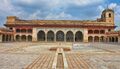
Ath Dara (Building with Eight Opening) Built By Maharaja Rajit Singh in Lahore Fort West Punjab. The Sandhawalia Jatsikh Ruler Sher E Punjab Maharaja Ranjit Singh, who used it as court of Justice, built the open pavilion. The combination of white marble and red sandstone brackets, and marble trellis screens with red sandstone posts in the ornamental railing placed on the roof of the building clearly indicate its Sikh origin. Source - Jat Kshatriya Culture
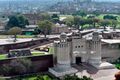
Sher-E-Punjab Da Shahi Qila fort, Lahore , Pakistan
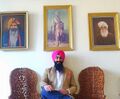
Kunwar Damandeep Singh Sandhawalia of Lahore. He is current descendant of Maharaja Duleep Singh Sandhawalia and 37th Generation descendant of Maharaja Salivahana, Founder of Sialkot. State:- Lahore (Jat Sikh Empire). Dynasty:- Bhatti Jat (Title:- Sandhawalia)
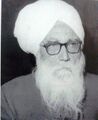
Kunwar Pritam Singh Sandhanwalia of Lahore. Kunwar Pritam Singh was son of Kunwar Gurdit Singh Sandhanwalia who was adopted by Maharaja Duleep Singh Sandhanwalia in 1889. Kunwar Gurdit Singh passed away in 1910 and Kunwar Pritam Singh Sandhanwalia was adopted and brought up by Princesses Sophia and Princesses Bamba (daughters of Maharaja Duleep Singh Sandhanwalia of Lahore). State:- Lahore, Dynasty:- Bhatti Jat ( Title Sandhawalia), Credit :- Kunwar Damandeep Singh Sandhanwalia of Lahore. Source - Jat Kshatriya Culture
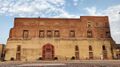
Haveli Maharani Jind Kaur (Rani Jindan) in Lahore Fort Now Converted into Sikh Gallery. Maharani Jind Kaur Sandhawalia was born in Chachar, Gujranwala, the daughter of Jagirdar Sardar Manna Singh Aulakh, into an Aulakh Jat family. She was the youngest wife of the Sandhawalia Jat ruler Maharaja Ranjit Singh, and the mother of the last Maharaja of Lahore , Duleep Singh...Source - Jat Kshatriya Culture
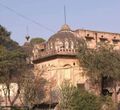
Samadhs (Tombs) of Maharani Raj Kaur ( Datar Kaur) wife of Bhatti Jat ruler Maharaja Ranjit Singh of Lahore and Mother of Maharaja Khadak Singh of Lahore. Maharani Datar Kaur was Daughter of Sardar Ran Singh, a Sandhu Jat of Nakai Misl. Rani Chand Kaur, wife of Maharaja Kharak Singh (Maharani Chand Kaur was daughter of Sardar Jaimal Singh, a Sandhu Jat of Kanhaiya Misl) and Ghulab Kaur, 2nd wife of Prince Naunihal Singh. These structures are located in Govt College, Civil Lines, Lahore. Source - Jat Kshatriya Culture
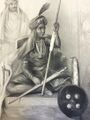
Original Antique Photography of Raja Pratap Singh of Lahore (1844), S/o Maharaja Sher Singh, Dynasty:- Sandhawalia, State:-Lahore, Source - Jat Kshatriya Culture
Kunwar Sukhdev Singh Sandhanwalia belongs to the family of Lion of Punjab Maharaja Ranjit Singh Sandhawalia of Lahore at Lahore Fort. Source -Jat Kshatriya Culture
_Built_By_Maharaja_Rajit_Singh_In_Lahore_Fort_West_Punjab.jpg)


_In_Lahore_Fort.jpg)
_of_Maharani_Raj_Kaur(_Datar_Kaur)_wife_of_Bhatti_Jat_ruler_Maharaja_Ranjit_Singh_of_Lahore.jpg)
,.jpg)

References
- ↑ Bombay Historical Society (1946):Annual bibliography of Indian history and Indology , Volume 4, p. 257
- ↑ Baqir, Muhammad (1985): Lahore,past and present, B.R. Pub. Corp. pp. 19–20
- ↑ Nadiem, Ihsan N (2005):Punjam - Land, History, People; Al-Faisal Nashran. p. 111.
- ↑ Aqoosh, Lahore Number 1976
- ↑ Imperial Gazetteer of India, v. 16, p. 106
- ↑ Dr Mahendra Singh Arya, Dharmpal Singh Dudee, Kishan Singh Faujdar & Vijendra Singh Narwar: Ādhunik Jat Itihasa (The modern history of Jats), Agra 1998, p. 280
- ↑ Jats the Ancient Rulers (A clan study)/Harsha Vardhana : Linkage and Identity, pp.224-225
- ↑ RAJAT, VI, 355 and VII, 1284
- ↑ Elliot, Early History of India (V A Smith), Vol I
- ↑ HUDUD AL-'ALAM 'The Regions of the World' A Persian Geography
- ↑ Dawn Pakistan - The 'shroud' over Lahore's antiquity
- ↑ [1]
- ↑ Encyclopædia Britannica article on Lahore
- ↑ Daily Times Pakistan - Memorial will be built to Bhagat Singh, says governor
- ↑ The Ancient Geography of India/Ransi,pp.197-199
- ↑ Aitihasik Sthanavali by Vijayendra Kumar Mathur, p.817-819
- ↑ Jat Itihas By Dr Ranjit Singh/1.Jaton Ka Vistar,p. 6
- ↑ योगेद्रपाल, क्षत्रिय जातियों का उत्थान और पतन, पृष्ठ 271-73
- ↑ Census Of India 1911 Volume xiv Punjab Part 2 by Pandit Narikishan Kaul
- ↑ www.livius.org
- ↑ Dr Mahendra Singh Arya, Dharmpal Singh Dudi, Kishan Singh Faujdar & Vijendra Singh Narwar: Ādhunik Jat Itihasa (The modern history of Jats), Agra 1998 (Page 290)
- ↑ http://www.sikhcybermuseum.org.uk/People/ranjitmaharaja.htm
- ↑ Daily Times Pakistan - Memorial will be built to Bhagat Singh, says governor

Back to Places
Back to Places