Mahla
Mahla (महला),Dhanda(ढांडा)[1][2]/Mahlavat (महलावत)[3] Mahala (महला) Mahalawat (महलावत) [4][5] Malawat/Malavat (मलावत) Mahalaut (महलौत) Mahlan (महलान)/(माहलाण)[6] Mahlania (महलानिया) Mahalwar (महलवार)[7] Mehla (मेहला) Mela (मेला)[8] [9] Malhay (मल्हय)/Mahle (महले)[10] Mahla (माहला) [11] [12] Mailla (मैल्ला) [13] Mahlan (महलाण) [14] is a Gotra of Chandravanshi Jats found in Rajasthan[15] , Gujarat, Punjab, Bihar, Madhya Pradesh and Haryana.Malata/Mahali/Mahaila/Maila/Mhaila clan is found in Afghanistan.[16] They were supporters of Chauhan Confederacy. Malu (मालू) were supporters of Tomar Confederacy. [17] [18][19][20]
Contents
- 1 Origin
- 2 Mention by Panini
- 3 Jat Gotras Namesake
- 4 Jat Gotras Namesake
- 5 History
- 6 Bardic History
- 7 In Rajatarangini
- 8 In Mahavansa
- 9 Migration of Mahla's
- 10 Villages founded by Mahla clan
- 11 Sub divisions of Tunwar
- 12 Sub divisions of Chauhan
- 13 Distribution in Delhi
- 14 Distribution in Haryana
- 14.1 Villages in Fatehabad district
- 14.2 Villages in Bhiwani district
- 14.3 Villages in Sirsa district
- 14.4 Villages in Yamunanagar District
- 14.5 Villages in Jhajjar district
- 14.6 Villages in Rewari district
- 14.7 Villages in Palwal district
- 14.8 Villages in Hisar district
- 14.9 Villages in Jind district
- 14.10 Villages in Kaithal district
- 14.11 Villages in Gurugram district
- 14.12 Villages in Mahendergarh district
- 15 Distribution in Rajasthan
- 15.1 Locations in Jaipur city
- 15.2 Villages in Sikar district
- 15.3 Villages in Jhunjhunu district
- 15.4 Villages in Churu district
- 15.5 Villages in Alwar District
- 15.6 Villages in Jaipur districct
- 15.7 Villages in Bhilwara District
- 15.8 Villages in Hanumangarh District
- 15.9 Villages in Nagaur district
- 15.10 Villages in Jodhpur district
- 16 Distribution in Punjab
- 17 Distribution in Madhya Pradesh
- 18 Distribution in Uttar Pradesh
- 19 Distribution in Bihar
- 20 Distribution in Pakistan
- 21 Notable persons
- 22 Gallery
- 23 External Links
- 24 References
Origin
They are said to be originated from Chandravanshi King Malla (मल्ल) of the Mahabharata period.[21]
Ferozepur tradition avers that Saroia, Jat, had five sons, Sangha, Mallhi, Dhindsa, Dhillon and Dusanj, eponyms of as many gots. [22]
Mention by Panini
Malavat (मालावत) is mentioned by Panini in Ashtadhyayi. [23]
Jat Gotras Namesake
- Mela = Manavgat = Melas (Pliny.vi.4)
Jat Gotras Namesake
- Mela = Mĕlas River (Anabasis by Arrian, p. 37)
History
Dr Pema Ram writes that after the invasion of Alexander in 326 BC, the Jats of Sindh and Punjab migrated to Rajasthan. They built tanks, wells and Bawadis near their habitations. The tribes migrated were: Shivis, Yaudheyas, Malavas, Madras etc. The Shivi tribe which came from Ravi and Beas Rivers founded towns like Sheo, Sojat, Siwana, Shergarh, Shivganj etc. This area was adjoining to Sindh and mainly inhabited by Jats. The descendants of Yaudheyas in Rajasthan are: Kulhari, Kuhad, Mahla, Mahil, Khichar etc. [24]
Megasthenes has described them as Malli on Ganges along with the Mandei (Manda), the Gangarides (Ghangas), the Calingae (Kalinga), the Prasii (Magadha), the Modogalingae (See - Jat clans as described by Megasthenes)
B S Dahiya[25] writes: They are perhaps the same as are described by the Greeks as Malloi. They were in fourth century B.C. on the west bank of Ravi and the south of Chenab-Jhelum confluence. They are described as extraordinarily strong and brave. They had along-with the Oxydra-kai, about one lac men under arms. The Greeks were terrified of them and it was with great difficulty that Alexander Persuaded them to fight these Mallis. Alexander had a narrow escape in that battle. As expected the “Malavas“ were enemies of their neighbour-Oxydra-Kai (Not identified , so far) and to face Alexander, they made peace and each unmarred Malava boy and girl was married to Oxydra-kai girls and boys. Though the Greeks said that they won, but the scene of the treaty negotiations, does not reflect the ‘defeated’ Mallovai. From the Punjab ‘Malwa’ they went to Rajasthan and finally to Central Indian and named it as ‘Malwa’. They had a republican form of government and their coins have the legends ‘Malavanam Jaya’, ‘Malavaganasya Jaya’, etc. The Present Mall Jats are their descendants. Incidentally the Saubhuti (or-Sophytes of the Greeks) are the modern Sobhati (Punjabis) and Agiri or Agri is a caste in some Rohtak Villages. It is significant that Niti Prakashika calls them “devoid of religion” Megasthenes says that they settled in the Punjab at the time of Dionysius (Denavesa ? ) [26] Panini and Chandra say that they were neither Brahmans nor Kshatriyas. They buried their dead and mounds were raised over their dead. (Mal/ Malli/Mahlavat [27] seem to be the same. Mālavata as such are mentioned by Patanjali.
Mahil was the name of the King- after his name Mahla gotra is known. According to the book "Jat Gotra Shabdawali" by Dr. Mahendra Singh Arya, Mahla gotra has been derived from Mahilwati.
Another theory is that there was a king in Haryana who had three sons. One was Khichar , another was Mahla & third one was Kulhari. These sons came to Rajasthan. Mahlas settled in a place called Bhalaria in Jhunjhunu. From there they migrated to other places in Rajathan. As a matter of fact Mahla & Khichars are considered brothers & don’t marry in their gotras.
Bhim Singh Dahiya gives detailed information about Malli/Mallhi as under: [28]
These people are mentioned as Mall, Malaya, Mala and Malloi. Their equation with Malavas of history and literature has been accepted by all.19 It is considered the Mallavas are non-existent today and have been absorbed in the Rajputs of today. [29] This is not correct and indicates only the pathetic plight of modern historians who never see beyond the Rajputs. This state of affairs is indicated by DHNI, which says that Mauryas are a sub-division of the Paramaras [30] and further that the Paramaras are descendants from Rastrakutas, through Akālavarsha, Krissnaraja (888 A.D.) of south Gujarat. [31] It is unthinkable that the ancient Mauryas were a clan of the 9th-10th century A.D. Paramaras. The hollowness of this claim is self-evident and need not be discussed further and such attempts are the result of the pathetic tendency mentioned above.
Now Malla or Malli/Mallh are still an existing clan among the Jats and on all tests of historicity they are proved to be the ancient Malavas or Mallas. Sanskrit grammarians and Chanakya mention the fact that these people were their own sacrificers. They did not employ the Brahmanas for priestly duties. Further Megasthenes in his Fragments mentions a special point about the Mallavas when he says that these people used to worship the grave mounds of their ancestors.
Now both these traditions are still maintained. The grave of the ancestors are in the form of a mound of earth on which a brick platform is raised. These platforms worshipped on important days like the birth of a son or marriage, etc., are called Jaṭher. Most of the Jat clans have such Jathers which are considered sacred. On the important fares held on these jathers, a person from a particular Jat clan officiates as priest and the offerings are taken away by the said 'priest' or by the clan as a whole. We now quote from the Tribes and Castes to prove our point. The Chahals, Gills, Sindhus, Dhillons, etc., all have their sacred Jathers. Particularly the Mallhi Jats of Ludhiana have the Jather of Mari Lachhman at village Pabbian in Ludhiana district. The people belong to the Mallhi clan and the offerings at the fare are taken by the Mallhi Jats collectively. Another such fare is held annually at Mari village in Moga district, Ferozepore. "At the temple of Lachhman Sidh at Mari viIlage in Moga Tehsil a fare is held annually on the 14th Chet. Lachhman was a Mallhi Jat. The temple contains no image. Only a round platform which is kept covered with a sheet. A lamp is lit every evening by a Mallhi Jat of Mari. No Pujari is employed, but one from the tribe is chosen to officiate at the fare and he takes away the offerings".[32]
The Gill Jats hold a fare of Raja, who was a Jat, in village Rajiana, Tehsil Moga in Ferozepore. The temple "contains no image, only a platform of burnt bricks. Its administration is carried on by the Gill Jats, its votaries. They bring a Gill Jat Chela to officiate at the fare and he takes away the offerings".
Both these instances prove conclusively the correctness of the observations of Megasthenes and others. The Mallavas are still offering worship at the grave mounds of their ancestors and no special priest is employed. They are their own sacrificers. V.A. Smith was correct when he said that the Mallaoi were foreigners in India. [33]
Mahla are mentioned as a branch of Jadubansi Abhiras mostly found in the Ahirwati and Hariana.[34]
According to James Todd[35]Malavat is mentioned as one of the twenty-four branches of Rathors.
Ram Sarup Joon[36] writes that Vir Bhadra was the ruler of the area known as Shiv Ki Jata. He was of Puru Vansh and ancestor of seven Jat gotras. In the same dynasty, the Jat gotras Midh, Midhan, Mel and Ajmel claim their descent from Raja Hasti of Hastinapur. Therefore, the continuous chain of Jat rule is traced back to Raja Yudhishtra, ruler of Hastinapur and Indraprastha, later known as Delhi. The third ruling Jat dynasty in this line was Dhillon whose descendants are the present Jat gotras Dhillon, Dhilwal and Dhill.
Bardic History
खीचड़ों का इतिहास एवं वंशावली की जानकारी प्रबोध खीचड़, खीचड़ों की ढाणी, बछरारा, रतनगढ़, चुरू, राजस्थान द्वारा ई-मेल से उपलब्ध कराई है। (Mob: 9414079295, Email: prabodhkumar9594@gmail.com)
खीचड़ों का गोत्र-चारा:
- नख - जोईया
- वंश - सूर्यवंशी क्षत्रीय
- गुरु - वशिष्ठ (रामचन्द्र जी के गुरु)
- शाखा - माधनिक
- निकास - कोट मलोट (मुक्तसर पंजाब)
- राजा - श्योसिंह अथवा शिवसिंह
- राजधानी - कोट मलोट (मलौट पंजाब)
- कुलदेवी - कोटवासन माता (माता का धाम हींगलाज क्वेटा पाकिस्तान में)
कोट-मलौट के राजा: विक्रम संवत 1015 (959 ई.) में क्षत्रिय जाति के राजा शिवसिंह राज करते थे। इनकी राजधानी कोट-मलौट थी जो अब मुक्तसर पंजाब में है। सन् 959 ई. में यवनों ने इस राजधानी पर आक्रमण किया। यवनों की सेना बहुत विशाल थी परिणाम स्वरूप शिवसिंह को कोट-मलोट (मलौट पंजाब) छोडना पड़ा। राजा शिवसिंह अपने 12 पुत्रों के साथ आकर सिद्धमुख (चुरू) में रहने लगे। राजा शिवसिंह के सबसे बड़े पुत्र खेमराज थे। बड़वा के अनुसार इनके वंशजों से खीचड़ गोत्र बना। खेमराज के वंशजों ने सर्वप्रथम कंवरपुरा गाँव बसाया। (तहसील: भादरा, हनुमानगढ़)। राजा शिवसिंह के पुत्रों से निम्न 12 उपगोत्र निकले -
- 1. खेमराज की सन्तानें खीचड़ कहलाई जिन्होने कंवरपुरा गाँव बसाया (तहसील: भादरा, हनुमानगढ़)
- 2. बरासी की सन्तानें बाबल कहलाई जिन्होने बरासरी (जमाल) गाँव बसाया
- 3. मानाजी की सन्तानें मांझु, सिहोल और लूंका कहलाई
- 4. करमाजी की सन्तानें करीर कहलाई
- 5. करनाजी की सन्तानें कुलडिया कहलाई
- 6. जगगूजी की सन्तानें झग्गल कहलाई
- 7. दुर्जनजी की सन्तानें दुराजना कहलाई
- 8. भींवाजी की सन्तानें भंवरिया कहलाई
- 9. नारायणजी की सन्तानें निराधना कहलाई
- 10. मालाजी की सन्तानें मेचू कहलाई
शिवसिंह के 12 पुत्रों में से 2 की अकाल मृत्यु हो गई थी। शेष 10 में से उपरोक्त गोत्र बने। मानाजी की तीन शादियाँ हुई थी जिनकी सन्तानें मांझु, सिहोल और लूंका कहलाई। इस प्रकार 12 भाईयों से उपरोक्त 12 गोत्र बने।
इस प्रकार उपरोक्त 12 गोत्र एक ही नख जोहिया, एक ही वंश सूर्यवंशी, एक ही गुरु वशिष्ठ, कुलदेवी कोटवासन माता जो हिंगलाज (क्वेटा पाकिस्तान में है) व भैरव का नाम भीमलोचन है। यहाँ सती का ब्रह्मरंध्र गिरा था।
दक्षिण की और प्रस्थान - कोट मलौट छूटने के बाद सब बारह भाई सिधमुख आए। खेमराज जी की संतान खीचड़ कहलाई। खेमराज का बड़ा पुत्र कंवरसिंह था जिसके नाम से कंवरपुरा (भादरा) बसाया जो आज भी है। कंवरसिंह के दश-बारह पीढ़ियों के बाद इनको कंवरपुरा छोडना पड़ा। वहाँ 12 वर्ष तक अकाल पड़ा। ये दक्षिण की और चले गए।
ये लोग झुंझुनु नवाव की रियासत के एक गाँव में पहुंचे। इनके साथ सभी पशु, सामान और गाड़ियाँ थी। यहाँ मुलेसिंह बुगालिया जाट की 12 गांवों में चौधर थी। गाँव के पानी के जोहड़ के पास ये रुक गए। इधर मुलेसिंह बुगालिया का भी एक ग्वाला भेड़ों को चराता हुया आया और इस जोहड़ पर पानी पिलाने लगा। यहाँ रुके हुये बाहरी लोगों को देखकर उसने भला बुरा कहा। खीचड़ों के दल में सींघल और बीजल नाम के दो व्यक्ति बहुत बहादुर और दबंग थे। उन्होने मुले सिंह बुगालिया के ग्वाले के रेवड़ से उठाकर दो मेंढ़े ले लिए और उनका मांस पकाने लगे। मुलेसिंह बुगालिया के ग्वाले ने इसकी शिकायत अपने मालिक मुलेसिंह को की। मुलेसिंह बुगालिया नवाब को कर देता था। उसने नवाब के पास जाकर बढ़ा-चढ़ा कर शिकायत की कि ये लोग पूरे रेवड़ को काट कर खा गए हैं। यह भी शिकायत की कि इनके पास असला और हथियार भी हैं। ये लोग उसकी जागीर पर कब्जा करना चाहते हैं। नवाब ने एक सेना मुले सिंह के साथ भेजी जो जोहड़ की और रवाना हुई। सींघल और बीजल के पास कोई असला और हथियार नहीं थे केवल कृषि उपकरण आदि थे। नवाब की सेना आते देखकर उन्होने अपनी कुलदेवी कोटवासन माता को याद किया। कहते हैं कोटवासन माता प्रकट हुई और कहा कि मैं आप लोगों की रक्षा करूंगी परंतु आपको मेरी निम्न चार बातें माननी होंगी -
- खीचड़ लोग कभी मांस नहीं खाएँगे।
- पराई औरत को अपनी बहिन बेटी समझेंगे।
- किसी की झूठी गवाही नहीं देंगे।
- करार से बेकरार नहीं होंगे।
कोटवासन माता ने आश्वासन दिया कि खीचड़ लोग इन बातों को मानते रहेंगे तो मैं सदा उनकी रक्षा करती रहूँगी। फौज जो चढ़ आई है उससे मैं निबट लूँगी। तुम्हारे खाने के जो बर्तन हैं वे उनको दिखा देना, उसमें चावल-मूंग की खिचड़ी होगी। यह कहकर देवी अंतर्ध्यान हो गई।
नवाब की फौज थोड़ी दूर पर थी तब नवाब ने देखा कि यहाँ तो कोई 25-30 लोग रुके हैं। उसने मुले सिंह से पूछा कि वह बड़ा काफिला कहाँ जो तुम बता रहे थे। नवाब ने फौज को दूर ही रोक कर कुछ ही लोगों को साथ लेकर पड़ाव की तरफ गया और यहाँ रुके लोगों से पूछा तुम लोग कौन हो और कहाँ से आए हो?
दोनों परिवार के मुखिया सींघल और बीजल नवाब के समक्ष आए और बताया कि हम खीचड़ जाट हैं और अकाल के कारण दक्षिण की और जा रहे हैं । यहाँ पानी देख कर पड़ाव डाल दिया था। हमने कोई रेवड़ नहीं काटा है, जैसा आरोप लगाया जा रहा है। आपका रेवड़ भी पास के जंगल में चर रहा होगा। नवाब ने इन तथ्यों की पुष्टि की। देखा कि सभी बर्तनों में खिचड़ी पक रही है और पास के जंगल में रेवड़ भी चर रहा है। नवाब ने मुले सिंह से कहा कि ये भले आदमी लगते हैं । तुमने इनकी झूठी शिकायत की है। इसलिए तुम्हारे 12 गांवों में से एक गाँव इनको दे दो।
बजावा गाँव में बसना - मुले सिंह नवाब के सामने झूटा साबित हो चुका था। उसने सोचा कि बजावा गाँव में वर्षा नहीं होती है और अकाल पड़ता है। ये लोग अपने आप ही भविष्य में यह गाँव छोड़ कर चले जाएंगे। मेरी चौधर तब यथावत 12 गांवों में बनी रहेगी। इस प्रकार सिंघल व बीजल के परिवारों को बजावा गाँव बसने के लिए मिल गया। नवाब ने बजावा गाँव का पट्टा इनके नाम कर दिया। बरसात का मौसम आया परंतु बजावा में वर्षा नहीं हुई। कहते हैं खीचड़ जाटों ने कुलदेवी कोटवासन माता को याद किया। कुलदेवी के आशीर्वाद से बजावा में अच्छी वर्षा हुई। कहते हैं कि कुलदेवी ने यह भी वरदान दिया कि बजावा में कभी अकाल नहीं पड़ेगा। ग्रामीण लोग बताते हैं कि यह परंपरा अभी भी कायम है, बजावा में कभी अकाल नहीं पड़ता।
मुलेसिंह बुगालिया से विवाद: सिंघल व बीजल के परिवार बजावा में काफी स्मृद्ध हो गए थे। दोनों भाई घोड़ों पर चढ़कर दूसरे गांवों में भी जाते रहते थे। रास्ते में मुले सिंह बुगालिया का गाँव भी पड़ता था। मुलेसिंह की बेटी देऊ की सगाई धेतरवाल जाटों में तय हुई थी। वह लड़की गाँव की औरतों के साथ कुएं पर पानी भरने जाती थी। इधर से कई गांवों के लोग गुजरते थे। एक दिन उसी रास्ते से दोनों भाई सींघल और बीजल घोड़ों पर गुजर रहे थे तब देऊ ने ताना मारा - "घोड़े वाले दोनों बदमास और लुच्चे हैं। रोज इस रास्ते मुझे उड़ाने के लिए फिरते हैं। आज ये फिर आ गए हैं।" ताना सुनकर दोनों भाई हक्के बक्के रह गए। दोनों भाईयों ने पनिहारिनों से पूछा कि यह ऐसा क्यों कह रही है। पनिहारिनों बताया कि यह ऐसा रोज ही कहती है कि इन्होने पहले मेरे पिता से बजावा गाँव छीना और अब मेरे को छीनना चाहते हैं। दोनों भाईयों ने कहा कि पहले तो ऐसा विचार नहीं था परंतु अब इस पर विचार करना पड़ेगा। दोनों भाईयों ने देऊ का हाथ पकड़ा और घोड़े पर बैठा कर ले गए। देऊ के पिता इस पर आग-बबूला हो गए। उसने बदला लेने के लिए देऊ के ससुराल वाले धेतरवाल जाटों की मदद लेने की सोची। धेतरवाल उस समय 18 गांवों के चौधरी थे। धेतरवाल जाटों को साथ लेकर मुले सिंह बुगालिया झुंझुणु नवाब से मिले। लड़की को वापस लाने के लिए नवाब की सहायता मांगी। नवाब को मुले सिंह की पहले की झूठी शिकायत याद थी। उसने सींघल और बीजल को बुलावा भिजवाया। अब दोनों भाई और परिवार के लोग सोच में पड़ गए। सभी ने सलाह मशवरा किया और इस नतीजे पर पहुंचे की बुगालिया लड़की वापस नहीं की जाएगी चाहे इसके लिए कितनी भी कीमत क्यों न चुकानी पड़े। अगले दिन दोनों भाई नवाब के समक्ष कचहरी में उपस्थित हुये और यथा स्थिति से नवाब को अवगत कराया। दोनों भाईयों ने बताया कि यह रोज हम पर झूठा आरोप लगाती थी तब हमने इसको घरवाली बनाने की सोचकर साथ ले आए। नवाब ने सौचा ये दोनों बहादुर हैं, कभी हमारे काम आ सकते हैं। नवाब के पूछने पर जवाब दिया कि वे अब इस लड़की को घरवाली बना चुके हैं किसी भी कीमत पर वापस नहीं करेंगे। नवाब ने एक लाख रुपये जुर्माना तय किया। दोनों भाईयों ने कुछ ही दिन में जुर्माना भर दिया
खीचड़ों की वंशावली: मुलेसिंह बुगालिया की बेटी देऊ बुगालिया सींघल की तीसरी पत्नी थी। इससे पहले सींघल की दो शादियाँ और हो चुकी थी। तीनों पत्नियों से परिवार की वृद्धि निम्नानुसार हुई:
सींघल की पहली पत्नी से मालाराम हुये जिसने मैणास गाँव बसाया। इनकी संताने मेंगरासी खीचड़ कहलाई।
सींघल की दूसरी पत्नी से महीधर हुये जिससे महला गोत्र बना। मईधर ने शीथल गाँव बसाया।
सींघल की तीसरी पत्नी देऊ बुगालिया से ढोला राम नामक पुत्र पैदा हुआ जिसने ढोलास नामक गाँव बसाया। इनकी संताने ढोलरासी खीचड़ कहलाई।
इस प्रकार महला व खीचड़ एक ही बाप से पैदा होने के कारण दोनों गोत्रों में आपस में भाईचारा है।
सींघल की संतानों ने तीन गाँव मैणास, शीथल और ढोलास गाँव बसाये। बजावा इनका पैतृक गाँव था।
खीचड़ गोत्र के आगे की पीढ़ियों में कुमास गाँव बसाया जो सीकर जिले में है तथा यहाँ पर 4-5 हजार की संख्या में खीचड़ परिवार निवास करते हैं।
हरयाणा के सिरसा जिले में बाहिया गाँव है जहां 400 घर खीचड़ जाटों के हैं।
In Rajatarangini
Rajatarangini[37] tells us that Kashmira King's queen Kalyanadevi founded a town named Kalyanapura on the field of her husband's victory over Jajja. The king founded a city named Mahlānapura (City of Mahlan), and set up a large image of Keshava.
In Mahavansa
Mahavansa/Chapter 25 tells....All the Damilas on the bank of the river who had escaped death threw themselves for protection into the city named Vijitanagara. In a favourable open country he pitched a camp, and this became known by the name Khandhavarapitthi. Since the king, in order to take Vijitanagara, would fain put Nandhimitta to the test, he let loose Kandula upon him (once) when he saw him coming towards him. When the elephant came to overpower him, Nandhimitta seized with his hands his two tusks and forced him on his haunches. Since Nandhimitta fought with the elephant the village built on the spot where (it came to pass) is therefore named Hatthipora. When the king had (thus) put them both to the test he marched to Vijitanagara. Near the south gate befell a fearful battle between the warriors. But near the east gate did Velusumana, sitting on his horse, slay Damilas in great numbers.....When the king in four months had destroyed Vijitanagara he went thence to Girilaka and slew the Damila Giriya.....Thence he marched to Mahelanagara that had a triple trench and was surrounded by an undergrowth of kadamba flowers, possessed but one gate and was hard to come at; and staying there four months the king subdued the commander of Mahela by a cunningly planned battle. (Mahela →Mahala)
Mahavansa/Chapter 35 tells ....After Gajabãhu's death the king's father-in-law Mahallaka Naga (135-141 AD) reigned six years. (The viharas) Sejalaka in the east, Gotapabbata in the south, Dakapasana in the west, in Nagadipa Sälipabbata, in Bijagama Tanaveli, in the country of Rohana Tobbalanugapabbata, in the inland country Girihälika: these seven vihäras did the king Mahallaka Naga, ruler of the earth, build in the time (of his reign), short though it was. (Mahallaka →Mahala)
Mahavansa/Chapter 36 (The Thirteen Kings) tells....After the death of Mahallaka Naga his son Bhatika Tissa reigned twenty-four years in Lanka. He built a wall around the Mahävihara. When the king had built the Gavaratissavihara he made the Mahamani-tank and gave it to the vihara. Moreover, he built the vihãra called Bhätikatissa. He built an uposatha-house in the beautiful Thuparama; the king also made the Randhakandaka-tank. Filled with tenderness towards beings and zealous in reverencing the brotherhood the protector of the earth commanded lavish alms-giving to the community of both sexes. (Mahallaka→Mahala)
Migration of Mahla's
Traditionally Jats consider their origin from the far northwest and claimed ancient Garh Gajni (modernday area between Ghajni, Afghanistan to Rawalpindi, Pakistan) as their original abode.[38] Persian chronicler Firishta strengthened this view and informs us that Jats were originally living near the river of the Koh-i-Jud (Salt Range) in northwest Punjab.[39] The Jats then occupied the Indus valley and settled themselves on both the banks of the Indus River.
By the fourth century region of Multan was under their control.[40] Then they rose to the sovereign power and their ruler Jit Salindra, who promoted the renown of his race, started the Jat colonisation in Punjab and fortified the town Salpur/Sorpur, near Multan.[41]By the end of seventh century, Jats were thickly populated in Deybal region.[42]Their main population was settled in the lower Sindh.The Chachnama stratified these large population of Jats, as 'the western Jats' (Jatan-i-Gharbi) and 'the eastern Jats' (Jatan-i-Sharqi), [43] living on the eastern and western side of the Indus River. The chronicler s further classified them as 'The Jats living on the banks of the rivers (Lab-i-Daryayi) [44] and the Jats living in plain, desert (Jatan-i-Dashti); and 'the rustic Jats' (rusta'i Jat) living in villages.[45]As Jataki, the peculiar dialect of the Jats, also proves that the Jats must have come from the NW Punjab and from other districts (e.g. Multan) dependent upon the great country of the Five rivers.[46]
By the end of fifth and the beginning of the sixth century, Mahla's and Jat's southward migration, second in line, took place and they reached Kota in Rajasthan, probably via Bikaner regions. From Kota they migrated further east and established their rule at Malwa under the rule of Salichandra, son of Vira Chandra. Salichandra erected a minster (mindra) on banks of the river Taveli in Malwa.[47] Probably after their defeat by Sultan Mahmud in 1027 AD, and later hard pressed by the Ghaznavi Turkish Commander, the Jats of Sind again migrated to Rajasthan and settled themselves in Bundi regions.[48] The second inscription found at Bundi probably dates from circa samvat 1191 (1135 AD) possibly refers to the Jats as opponents of the Parmara rulers of Rajasthan.[49]
When Muhammad bin Qasim attacked Dahlilah, a fortified town in between Roar and Brahmanabad, most of the inhabitants (the Jats) had abandoned the place and migrated to Rajasthan via desert and took shelter in the country of Siru (modern Sirohi distict) which was then ruled by King Deva Raj, a cousin of Rai Dahir.[50]
However, the third migration took place in early eighth century, Sihag,Godara,Saran, Punia, Mahla's and Jats of lower Sind migrated to Rajasthan, probably via Barmer regions to Bikaner, Ganganagar and Hanumangarh. By the twelfth century, the Jats settled in western Punjab, as the native poet Abul Farj Runi mentions them along with the Afghans.[51] Meanwhile, they also extended their abode in the eastern part of the Punjab (now Haryana to Sirsa and Hisar), as in the end of the twelfth century they resisted Qutb-ud-din Aybak in the region of Hansi.[52]
Villages founded by Mahla clan
- Mahela (महला) - village Rawatsar tahsil of Hanumangarh district in Rajasthan.
- Mehla Ka Bas
- Mahla Ki Dhani (महला की ढाणी) - village in Jhunjhunu district in Rajasthan.
- Jat Behror - village founded by Mr. Nandu Ram Mahlawat
- Mehla Ka Bas (मेहला का बास) - village in Churu district in Rajasthan.
- Mahalan Jaipur (महला) - village is situated in Dudu Tehsil of Jaipur District in Rajasthan.
Sub divisions of Tunwar
Bhim Singh Dahiya[53] provides us list of Jat clans who were supporters of the Tunwar when they gained political ascendancy. The Malu clan supported the ascendant clan Tunwar and became part of a political confederacy.[54]
Sub divisions of Chauhan
Bhim Singh Dahiya[55] provides us list of Jat clans who were supporters of the Tunwar when they gained political ascendancy. The Mahlu clan supported the ascendant clan Chauhan and became part of a political confederacy.[56]
Distribution in Delhi
Kishan Garh, Humayunpur, Jatwada(Daryaganj)
Distribution in Haryana
Villages in Fatehabad district
Villages in Bhiwani district
Bilawal, Chandawas, Dhani Mahu, Dhani Phogat, Dwarka, Garanpura, Ghasola, Mandhan Tosham, Mandholi Khurd, Premnagar
Villages in Sirsa district
Chautala, Jasania (जसनिया), Lakhuana, Nezia Khera,
Villages in Yamunanagar District
Bhago Majra, Mamli, Sudhail, Sudhul, Kandroli, Bhagwangarh,
Villages in Jhajjar district
Babepur, Gudha, Subana,Sasrauli,
Villages in Rewari district
Villages in Palwal district
Villages in Hisar district
Parbhuwala, Saharwa, Telanwali Hisar, Mirchpur, Budana, Neoli Kalan, Devsar, Sheikhpura,
Villages in Jind district
Dhanauri, Sangatpura, Gatauli, Ghimana, Sunderpur, Kharak Ramji, Dhanda Kheri,
Villages in Kaithal district
Kakot, Kithana, Kultaran, Sher Garh,
Villages in Gurugram district
Villages in Mahendergarh district
Distribution in Rajasthan
Locations in Jaipur city
Adarsh Nagar, AG Colony, Ambabari, Bajaj Nagar, Banipark, Bapu Nagar, Brahmpuri, C-Scheme, Khatipura, Maharani Farm, Mansarowar Colony, Murlipura Scheme, Queens Road, Sethi Colony, Shastri Nagar, Vidyut Nagar, Hanuman Nagar main and Extn Guru Jambeshwar Nagar
Villages in Sikar district
Abhawas, Alafsar, Badalwas, Bagas (10), Badhadar, Banthod, Bhainrupura, Bhauji ki Dhani, Bhilunda, Chhota Pana Ki Dhani, Dadia (Rampura), Dedi Dhani (Ramgarh), Deewan Ji Ka Bas, Dhani Berawali (Dadi Rampura), Dinarpura Sikar (5), Disnau, Dujod, Hamirpura, Jajod, Jankipura Sikar, Jogiyon Ka Bas, Kanwarpura Srimadhopur (1), Karanpura (Khud), Kerpura, Khinwasar, Khudi Bari, Ladwa Sikar, Palsana, Pooranpura, Rulyana Mali[57], Pura Ki Dhani, Rasoolpur, Sadinpura, Sarwari[58], Shivsinghpura, Sikar, Sirohi Sikar, Srimadhopur, Swarupnagar, Swarupsar, Tidwa, Tilokpura (5), Udansar,
Villages in Jhunjhunu district
Ajari Kalan, Angasar (1), Ardawata (अरड़ावता), Badalwas, Bajawa, Bakra, Bhadunda Khurd, Bhapar, Bhatiwar, Bhorki (150), Bhurasar Ka Bas, Birol (1), Bugala, Chirasan, Godoo Ka Bas, Hansasari, Jalimpura, Kari, Khajpur Naya, Kodesar, Ladusar, Lalpur Jhunjhunu, Loyal, Mahla Ki Dhani (Bhorki), Nar Singhani, Posana, Seethal, Seja Ki Dhani, Shivdayalpura, Shobha Ka Bas, Shri Amarpura, Sonasar, Tamkor, Warispura Bara,
Villages in Churu district
Abasar[59] Balrasar (5), Barjangsar, Bidasar, Chhapar (7), Dokwa, Dudhwa Khara, Hansasar, Khandwa Patta Peetheesar (), Kadia, Bhukharedi Manpura Rajgarh, Mehla Ka Bas (Lohsana Bada), Ojhriya, Raghunathpura, Raiya Tunda, Satyun, Sujangarh (13), Udwala,
Villages in Alwar District
Mahalawat Jats live in : Behror, Jat Behror, Kherli Pichnot, Tikla,
Villages in Jaipur districct
Villages in Bhilwara District
Villages in Hanumangarh District
Bhagwansar, Chaiya, Chhani Badi, Chindalia[60], Goluwala Niwadan, Nukera, Ramgarh, Ramgarh Ujjalwas, Ratanpura Pakka Sarna, Phephana, Rorawali, Sangariya,
Villages in Nagaur district
Villages in Jodhpur district
Distribution in Punjab
Villages in Firozpur district
Villages in Fatehgarh Sahib district
Villages in Moga district
- Mahla Kalan, Mahla Khurd are villages in Bhagha Purana tahsil in Moga District district in Punjab.
Villages in Nawanshahr district
- Mahalon, Mahli, Mahliana villages in Nawanshahr tahsil in Nawanshahr district in Punjab.
Villages in Patiala district
Mahlan village is in Dera Bassi tahsil in Patiala district, Punjab.
Villages in Rupnagar district
Villages in Sangrur district
- Mahala, Mahali Villages in Malerkotla tahsil of Sangrur district in Punjab.
Distribution in Madhya Pradesh
Villages in Ratlam district
Villages in Ratlam district with population of this gotra are: Mehla: Ratlam 1, Mela: Banjali 2, Barbodana 1, Bardiya goyal 1, Kalmoda 3, Kotdi 2, Malakheda 1,
Villages in Shivpuri district
Villages in Ujjain district
Villages in Dewas district
Distribution in Uttar Pradesh
Villages in Agra district
Villages in Bareilly district
Distribution in Bihar
Chopad (चौपड़) gotra Jats found in Bihar.[61]
Distribution in Pakistan
Hindu Mahla Hindu Jats are residing in Umarkot, Tharparkar, Mirpurkhas and Sanghar districts of Sindh Province,Pakistan and Punjab (Pakistan).
According to 1911 census the Mahla were the principal Muslim Jat clans in Bahawalpur State with population as under[62]:
- Bahawalpur State - Mahla (1,160),
Notable persons
- Comrade Trilok Singh (Mahla) - Communist MLA from Sikar district in Rajasthan.
- Ramswarup Singh Mahla (लेफ्टिनेंट चौधरी रामस्वरूप सिंह महला), from Jat Behror (जाट बहरोड़), Mandawar Alwar, was a Social worker in Alwar, Rajasthan. [63]
- Gokul Ram Mahla (कर्नल गोकुलराम महला) - Late Col. Gokul Ram Mahlawat (born:15.4.1912-) , from Jat Behror (जाट बहरोड़), Mandawar Alwar, was a Social worker in Alwar, Rajasthan. [64]
- Shobha Ram Mahla (चौधरी शोभाराम महला), from Phephana (फेफाना), Hanumangarh, was a Social worker in Hanumangarh, Rajasthan. [65]
- Kunwar Narayan Mahla (चौधरी कुंवरनारायणसिंह महला) was from village Swarupsar, District Sikar, Rajasthan. He was Freedom fighter of Shekhawati farmers movement. He was the first Jat Advocate in Sikar District. He was brother of Kanhaiya Lal Mahla.[66]
- Dool Singh Mahla - He was in Professor in Pilani College. He played an important role in spreading education in the area. He was younger brother of Khadag Singh Mahla.
- Khadag Singh Mahla (चौधरी खड़गसिंह महला) was from village Disnau, Laxmangarh, Sikar, Rajasthan. He was Freedom fighter of Shekhawati farmers movement. He was an Advocate. [67]
- Mangal Singh Mahalwar (ठाकुर मंगलसिंह महलवार) (born:1915), originally from Digrauta, Kheragarh, Agra, Uttar Pradesh, was a social worker in Gwalior, Madhya Pradesh. [68]
- Sant Ram Mahla - Retd Deputy Collector ,Jind ,Haryana .He was from Israna ,panipat.
- Major Partap Singh Mahalawat was in London from Jatwada Delhi.
- Hawaldar Mani Ram Mahla - Martyr of Kargil War
- Ch. Khazan Singh Mahalwar - Pradhan of village Dabathala(Meerut), U.P. was highly esteemed.
- Ved Sharan Mahalwar was a principal at Meerut and was highly revered among his disciples spread all over the world.
- Yashpal Singh Mahalwar was a leading revenue lawyer and remained President of Meerut Bar for long.
- Capt. Uday Singh Mahalwar - Former secretary of dist. soldier board, helped a large number of persons in getting opportunity to serve the armed forces of India.
- Dr. Dhanveer Singh Mahalwar - a great scientist at Aligarh and contributed to the chemistry world.
- Dr.Tej Pal Singh Mahalwar - an eminent scientist.
- Ch. Sheoraj Singh Mahalwar rendered yeoman service as Principal at Simbhawali.
- Vidya Dhar Mahla (Swr) - From....?, Rajasthan, 1033993, Armoured Corps, Martyr Op Cactus Lily 06-12-1971

- Mani Ram Mahla (Hawaldar) (01.01.1963-03.07.1999) is a martyr of Kargil War from Rajasthan. He was from village Sithal in Jhunjhunu district in Rajasthan. He became martyr on 03 July 1999 during Kargil War during Operation Vijay. He belonged to Unit - 5 Jat Regiment/523 IFS Unit in Indian Army.
- Nemi Chand Mahla - Martyr of Kargil war.
- Kanhaiya Lal Mahla - Freedom fighter of Shekhawati farmers movement.
- Late Col. Gokul Ram Mahlawat - He was famous for his brevery from Jat Behror , Rajasthan .
- Late Shobha Ram Arya - He was famous for his services at Gramothan Vidyapeeth Sangaria with Swami Keshvanand.
- Col. Phool Singh Mahala - Director, Rajasthan Soldier Welfare Board (2009)
- Suresh Singh Mahlawat - Mining Contractor of Rajasthan & Haryana.
- Sunil Mahla - IAS (2010), from Seja Ki Dhani (सेजा की ढाणी) village Ajari Kalan in Jhunjhunu tahsil & district in Rajasthan.
- Col. P. S. Mehla - Date of Birth : 3-April-1951, Jila Sainik Kalyan Adhikari, Village- Mehla Ka Bas ,Post- Lohsana Bada, Dist- Churu (Raj), Present Address : 307, Shiv Shakti Paradise, Central Spine, Vidhyadhar Nagar, Jaipur-302023, Resident Phone Number : 0141-2177378, Mobile Number : 9314933120, Email Address : psmehla@rediffmail.com
- Dr.Ranjeet Singh Mahla - Research Scholar and Scientist, Date of Birth : 01-August-1984, Permanent address: Village and Post Office - Bhukhredi, Tahsil. - Ratangarh, District.- Churu, Rajasthan, Present Address : 215, Academic Building 3, Indian Institute of Science Education and Research (IISER) Bhopal, Madhya Pradesh, India. Office Phone Number : +91-755-269-1414, Mob:+91-8791690079. Dr. R.S. Mahla has published many research articles and currently actively engaged in autoimmune disease research in the United Kingdom.
- Ganesh Ram Mahla- X. En. PWD, Date of Birth : 11-July-1956, Vill- Chhota Pana Ki Dhani (Vijaynagar), VPO - Palsana, distt.- Sikar, Present Address : 21, Krishna Nagar, Sirsi Road, Jaipur-21, Phone: 0141-2351689, Mob: 9414075254
- Bhagirath Singh Mahla - Koshadhyaksh Rajasthan Jat Samaj Sansthan, Jaipur
- Hanuman Singh Mahla - SE Irrigation, From Kodesar (Sikar), 01572-248614, Mob: 9460022928
- Vasudev Malawat - RAS Rajasthan, (DR-97/Sikar), DOB - 17/10/1967
- Nand Lal Mahla - Sr. Dental Technician, Government Dental College, Jaipur, Mob-9414070835
- Dr Deepak Mahla- B.D.S, M.D.S,Professor-Dental College, Jaipur, Mob-9928929679
- Sandip Mahla - Winner of 'Sword of Honour Award' on 8.12.2012 in passing out parade of IMA.[69]
- Dharmpal Chaudhari Mahlawat - elected in Rajathan Assembly as BJP MLA (2003, 2008 and 2013) from Mandawar constituency, Alwar distt.
- Nathu Ram Mahla (Shahid) - From Dadia near Rampura Sikar, Rajasthan.
- Subhash Mahla (Lans Dafedar) - From Ajari Kalan, Jhunjhunu, Rajasthan, Martyr of Operation Training Parachute accident in 2016, Unit: 72 Armed Regiment. [70]
- Devesh Mahla: IPS-2012, Agmut Cadre, Posted at ACP, Kotwali, Delhi, M: 9560538557
- Shiv Kumar Mahla: RJS 2002 batch posted at Degana, Nagaur, From Bhadra, Hanumangarh, Rajasthan, M: 9414264606
- Anil Chaudhari (Mahla) - RAS, From Jhunjhunu, DOB:13.1.1974
- Surendra Mahla - IPS
- Col. Gokul Ram Mahla : सेना के अधिकारी कर्नल गोकुल राम महला भरतपुर स्टेट से थे और 60 के दशक में एसएसबी के चेयरमैन भी थे.

- Mohan Lal Mahla (Subedar) (10.10.1955 - 31.1.1999) is a Martyr of Kargil war from Rajasthan. He became martyr on 31 Jan 1999 in Operation Vijay. He was from village Doomra, Nawalgarh, Jhunjhunu, Rajasthan. Unit: 17 Jat Regiment.

- Ashish Kumar Mahla (d:15.6.1999) became martyr on 15.6.1999 in Kargil War. He was from village Ghimana in Jind district of Haryana.

- Dattu Ram Mahla (Sepoy) (27.09.1947 - 04.12.1971) became martyr on 04.12.1971 at Beriwala on western border during Indo-Pak war-1971. He was from Seethal village in Udaipurwati tahsil of Jhunjhunu district in Rajasthan.
- Unit - 4 Jat Regiment.

- Vidyadhar Mahla (Sawar) (05.08.1942 - 06.12.1971) became martyr on 06.12.1971 during Indo-Pak War-1971 fighting with Pakistan Army at Longewala border in Jaisalmer district of Rajasthan. He was from Shobha Ka Bas village in tehsil Jhunjhunu, now Alsisar, of district Jhunjhunu in Rajasthan.
- Unit - 62 Cavalry Regiment.
Gallery
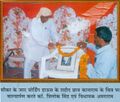
Trilok Singh Mahla paying homage to comrade Kanaram at Sikar Jat Boarding
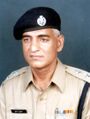
Surendra Mahla, IPS


External Links
References
- ↑ Jat History Dalip Singh Ahlawat/Parishisht-I, s.n. म-58
- ↑ O.S.Tugania:Jat Samuday ke Pramukh Adhar Bindu, p.55, s.n. 1972
- ↑ B S Dahiya:Jats the Ancient Rulers (A clan study), p.240, s.n.144
- ↑ Jat History Dalip Singh Ahlawat/Parishisht-I, s.n. म-18
- ↑ O.S.Tugania:Jat Samuday ke Pramukh Adhar Bindu, p.55, s.n. 1972
- ↑ Jat History Dalip Singh Ahlawat/Parishisht-I, s.n. 22
- ↑ O.S.Tugania:Jat Samuday ke Pramukh Adhar Bindu, p.55, s.n. 1972
- ↑ Jat History Dalip Singh Ahlawat/Parishisht-I, s.n. म-136
- ↑ O.S.Tugania:Jat Samuday ke Pramukh Adhar Bindu,p.56,s.n. 2083
- ↑ Jat History Dalip Singh Ahlawat/Parishisht-I, s.n. म-55
- ↑ Jat History Dalip Singh Ahlawat/Parishisht-I, s.n. म-108
- ↑ O.S.Tugania:Jat Samuday ke Pramukh Adhar Bindu, p.55, s.n. 1972
- ↑ Jat Varna Mimansa (1910) by Pandit Amichandra Sharma,p. 56
- ↑ Jat Varna Mimansa (1910) by Pandit Amichandra Sharma,p. 56
- ↑ Jat History Thakur Deshraj/Chapter IX,p.695
- ↑ An Inquiry Into the Ethnography of Afghanistan,H. W. Bellew, p.129
- ↑ Jat Varna Mimansa (1910) by Pandit Amichandra Sharma,p. 56
- ↑ Bhim Singh Dahiya:Jats the Ancient Rulers (A clan study)/Appendices/Appendix I,p.316
- ↑ A glossary of the Tribes and Castes of the Punjab and North-West Frontier Province By H.A. Rose Vol II/J,p.375
- ↑ Jat Varna Mimansa (1910) by Pandit Amichandra Sharma,p. 57
- ↑ Mahendra Singh Arya et al: Adhunik Jat Itihas, p.277
- ↑ A glossary of the Tribes and Castes of the Punjab and North-West Frontier Province By H.A. Rose Vol II/D, p.251
- ↑ V. S. Agrawala: India as Known to Panini, 1953, p. 41
- ↑ Dr Pema Ram:Rajasthan Ke Jaton Ka Itihas, p.14
- ↑ Jats the Ancient Rulers (A clan study)/Jat Clan in India,p. 264
- ↑ Fragments, XLVI,7
- ↑ Fragments, XXXVII, 7
- ↑ Bhim Singh Dahiya, Jats the Ancient Rulers ( A clan study), , p.339-340
- ↑ S.B. Chaudhari, The Mallavas, p. 179.
- ↑ DHNI, p. 1154.
- ↑ ibid., p. 842.
- ↑ Vol. I, p. 282.
- ↑ CCIM, Vol. 1. p. 174-76.
- ↑ A glossary of the Tribes and Castes of the Punjab and North-West Frontier Province By H.A. Rose Vol II/A,p.5
- ↑ Annals and Antiquities of Rajasthan, Volume I, Chapter 7 Catalogue of the Thirty Six Royal Races,p.106
- ↑ History of the Jats/Chapter IV ,p. 44
- ↑ Rajatarangini of Kalhana:Kings of Kashmira/Book IV,p.89
- ↑ Elliot, op. cit., Vol.I, p.133
- ↑ Muhammad Qasim Hindu Shah Firista, Gulsan-i-Ibrahimi, commonly known as Tarikh-i-Firishta, Nawal Kishore edition, (Kanpur, 1865), Vol.I, p.35
- ↑ Dr S.Jabir Raza, The Jats - Their Role and Contribution to the Socio-Economic Life and Polity of North and North West India. Vol I, 2004, Ed Dr Vir Singh
- ↑ Inscription No.1, Tod, op.cit., Vol.I, p. 622-23.
- ↑ Encyclopedia of Islam, vol.II, p.488
- ↑ Chachnama, pp.98, 117,131
- ↑ Zai'nul-Akhbar, p.191; Tarikh-i-Firishta, Vol.I,p.35
- ↑ Chachnama, pp.104,167
- ↑ Richard F. Burton, op. cit., p.246
- ↑ Inscription No.1, Tod, op.cit., Vol.II, Appendix pp. 914-917.
- ↑ Dr S.Jabir Raza, The Jats - Their Role and Contribution to the Socio-Economic Life and Polity of North and North West India. Vol I, 2004, Ed Dr Vir Singh
- ↑ Inscription No.II, Tod, op.cit., Vol.II, Appendix, pp. 917-919 and n. 13
- ↑ Chachnama, p.166
- ↑ Dr S.Jabir Raza, The Jats - Their Role and Contribution to the Socio-Economic Life and Polity of North and North West India. Vol I, 2004, Ed Dr Vir Singh
- ↑ Hasan Nizami, Tajul-ma'asir, Fascimile translation in ED, Vol. II, p.218
- ↑ Jats the Ancient Rulers (A clan study)/Appendices/Appendix I,p.316-17
- ↑ A glossary of the Tribes and Castes of the Punjab and North-West Frontier Province By H.A. Rose Vol II/J,p.375
- ↑ Jats the Ancient Rulers (A clan study)/Appendices/Appendix I,p.316-17
- ↑ A glossary of the Tribes and Castes of the Punjab and North-West Frontier Province By H.A. Rose Vol II/J,p.375
- ↑ User:Raghu137
- ↑ User:Harendrakeelka
- ↑ User:Babulalkeelka
- ↑ User:Gsswami
- ↑ हवा सिंह सांगवान:असली लुटरे कौन, 2009, पृ. 84
- ↑ Census Of India 1911 Volume xiv Punjab Part 2 by Pandit Narikishan Kaul
- ↑ Thakur Deshraj:Jat Jan Sewak, 1949, p.79-82
- ↑ Thakur Deshraj:Jat Jan Sewak, 1949, p.86-87
- ↑ Thakur Deshraj:Jat Jan Sewak, 1949, p.143
- ↑ Thakur Deshraj:Jat Jan Sewak, 1949, p.319a-320a
- ↑ Thakur Deshraj:Jat Jan Sewak, 1949, p.321
- ↑ Thakur Deshraj:Jat Jan Sewak, 1949, p.577-578
- ↑ Jat Jyoti: January 2013,p. 25
- ↑ Jat Gatha, 3/2016, p.20
Back to Jat Gotras
- Jat Gotras
- Muslim Jat Gotras
- Jat Gotras in Pakistan
- Rajasthan
- Haryana
- Punjab
- Bihar
- Madhya Pradesh
- Uttar Pradesh
- Gotras in Fatehabad
- Gotras in Sikar
- Gotras in Jhunjhunu
- Gotras in Churu
- Gotras in Alwar
- Gotras in Jodhpur
- Gotras in Bhilwara
- Gotras in Jaipur
- Gotras in Hanumangarh
- Gotras in Bhiwani
- Gotras in Sirsa
- Gotras in Palwal
- Gotras in Hisar
- Gotras in Mahendragarh
- Gotras in Ratlam
- Gotras in Shivpuri
- Gotras in Ujjain
- Gotras in Dewas
- Gotras in Fatehgarh Sahib
- Gotras in Firozpur
- Gotras in Moga
- Villages in Moga
- Gotras in Nawanshahr
- Villages in Nawanshahr
- Gotras in Patiala
- Villages in Patiala
- Gotras in Rupnagar
- Villages in Rupnagar
- Gotras in Sangrur
- Villages in Sangrur
- Gotras in Yamunanagar
- Gotras in Agra
- Gotras in Bareilly
- Chauhan History
- Tomar History
- Jat History
- Ancient Jat Gotras
- Gotras in Bahawalpur
- Mahabharata People
- Mahabharata Places
- Mahabharata People and Places
- People and Places by Panini