Mandsaur
| Author: Laxman Burdak IFS (R) |


Mandsaur or Mandsaor (मन्दसौर/मंदसौर) is a city in the Malwa region and district of Madhya Pradesh state of central India. The town was known as Dashpur in ancient times. The area was ruled by Dasharna people during Mahabharata period. It is probably Dasharna janapada which gave name Dashpur to the Mandsaur town. It is the monolith pillar at Mandsaur that testimonies the victory of Yasodharman, a Jat King of Malwa
Contents
- 1 Variants
- 2 Tahsils in Mandsaur district
- 3 Villages in Mandsaur tahsil
- 4 Origin of name
- 5 History
- 6 Mandasor Stone Inscription of the time of Prabhakara-Malava (Vikrama) year 524 (=A.D. 467)
- 7 Hinglajgarh
- 8 Taxakeshwar temple
- 9 Laduna state of Dhandhu Jats
- 10 Bhanpura founded by Bhaman Jats
- 11 Avra excavations
- 12 Kaithuli - a town of Kaith Jats
- 13 Kanwla village founded by Kanwal Jats
- 14 Laduna a state of Dhandhu Jats
- 15 List of ASI Monuments in Mandsaur and Nimach
- 16 मंदसौर
- 17 दशपुर=मंदसौर
- 18 Jat gotras in Mandsaur district
- 19 Notable Jats
- 20 Gallery
- 21 Pin Codes of villages in Mandsaur district
- 22 See also
- 23 External links
- 24 References
Variants
Tahsils in Mandsaur district
Villages in Mandsaur tahsil
Achera, Acheri, Adhari (Nirdhari), Afjalpur, Aghoriya, Ajijkhedi, Akodada, Akya Phattu, Akya Umaheda, Alawadakhedi, Amlawad, Aranya Nijamuddin, Arnya Gujar, Arnyabhatti, Babrecha, Badakhedi, Badwan, Bagya, Bahadari, Bajkhedi, Balodiya, Bani, Banikhedi, Bansakhedi, Bardiya Gujar, Barkhedi, Bawadikalan, Beed Nirdhari, Beednaulakha, Beedpithakhedi, Behpur, Bekheda, Bhalot, Bhandariya, Bhardawad, Bhatana, Bhatpiplya, Bhatrewas, Bhaugarh, Bhawata, Bholiya, Bhuki, Bhunyakhedi, Bilantri, Bohrakhedi, Bolkheda, Buchakhedi, Bugaliya, Chandakhedi, Changli, Chhajukheda, Chhayan, Chikalya, Chiplana, Chirmoliya, Chousla, Dalodarail, Dalodasagra, Damdam, Dansiya, Daudkhedi, Daulatpura, Dehri, Dhakadkhedi, Dhamnar, Dhandhoda, Dhariyakhedi, Dhaturiya, Dhikola, Dhundhadaka, Digaonkhurd, Digaonmali, Dilawara, Dorana, Elchi, Fatehgarh, Galyakhedi, Gariyakheda, Garoda, Ghatawada, Gourkhedi, Gudiyana, Gujarda, Guliyana, Guradiya Deda, Guradiya Syah, Guradiyalalmuha, Gyanpura, Gyaspura, Hansali, Hanumanti, Harchandi, Hatuniya, Hedarwas, Isabkhedi, Ishakpur, Itayali, Jaggakhedi (Nahargarh), Jaggakhedi (Nahargarh), Jamalpura, Jamuniya Meena, Jawasiya, Jhakarda, Jhawal, Jhirkan, Jogikheda, Kachnara, Kamalpura, Karju, Karnakhedi, Karoli, Katkya, Katlar, Kayamkheda, Khajuri Badayala, Khajurianjna, Khajuriya Sarang, Khanderiya Maru, Kheda Dhamnar, Kheroda, Khilchipura, Khodana, Kityani, Kochavi, Kolwa, Kuchrod, Labdadi, Lachchhakhedi, Ladukhedi, Ladusa, Lakhmakhedi, Lalakheda, Lalghati, Lamgara, Lamgari, Lasudawan, Lasudi, Lasudia Ila, Lildan, Lodh, Luharishekh, Luharishripat, Majesara, Majesari, Majeti, Malyakhedi, Malyakherkheda, Mandsaur (Chandrapura), Mandsaur (M), Mangrola, Marukhedi, Maukhedi, Mirjapura, Mohammadpura, Morkheda, Multanpura, Mundla, Nagri (NP), Naikhedi, Nalchha, Nandawata, Nandwel, Nawankhedi, Netawali, Nimbakhedi, Nimbod, Nipaniya (Afjalpur) Nipaniya (Meghraj) Nirdhari, Nogawan, Padliya Lalmuhan, Padliyamaru, Palasiya, Paldi, Palwai, Panpur, Patela, Patlawad, Pinda, Pipalkhedi, Pipalkhunta, Piplya Mujawar, Piplyakaradiya, Pithakhedi Jagir, Pithakhedi Nahargarh, Rajakhedi, Rakoda, Ralayata, Ranakheda, Ranikhedi, Ranmakhedi, Rasulpur, Rathana, Ratikhedi, Rewas Deoda, Richha Bachchha, Richha Lalmuha, Rinda, Rindwan, Rupawali (Nahargarh), Rupawali (Mandsaur) Sabakheda, Sagwali, Sakariya, Sarsod, Satalkheda, Saudhani, Sejpuriya, Semalyakaji, Semli, Semliyahira, Setkhedi, Sihor, Sikhedi, Sindpan, Songari, Suri, Tajkhedi, Takarda, Tigariya, Tisai, Todi, Tolkhedi, Tumdawada, Udpura,
Origin of name


The name Mandsaur is probably originated from combination of Manda and Asura. The Manda Jats after the fall of their kingdom at Iran as result of wars that the first migration of the Jats took place and from the Manda Empire and from other parts of Central Asia they came to India. That is why Panini mentioned many cities of theirs in the heart of Punjab in the fifth century B.C. But memories die hard. Even today, we have our villages named after the cities lost in Iran. The names like Elam, Bhatona, Susana, Baga, Kharkhoda (Manda Kurukada), etc, are still the names of Jat village. It is these Jats whom Buddha Prakash Calls, “ exotic and outlandish people” who came to Indian at the time of successors of Cyrus, [1] and whom Jean Przyluski calls the Bahlikas from Iran and Central Aisa. [2], [3]
Other verson tells that the name Mandsaur evolved from Marhsaur, which originated from Marh and Saur (or Dasaur), two of the villages which merged in the town. The town was known as Dashpur in ancient times.
History

In Ramayana
Kishkindha Kanda Sarga 41 mentions that Sugreeva sends Vanara-s in search of Sita to southward which troop includes Hanuman, Jambavanta, Nila and others and Angada is its leader. Sugreeva gives a vivid picture of the southern side of Jambu dvipa up to the south-most part of passable regions. He narrates the auspicious River Varada in shloka 9 which is an adoration to great Nagas. And the territories of Mekhala, Utkala, the cities of Dasharna, kingdoms of Abravanti, Avanti, and Vidarbha, also thus the charming kingdom of Mahishaka. are to be searched thoroughly.
- वरदाम् च महाभागाम् महोरग निषेविताम् ।
- मेखलान् उत्कलाम् चैव दशार्ण नगराणि अपि ॥४-४१-९॥
- अब्रवंतीम् अवंतीम् च सर्वम् एव अनुपश्यत ।
- विदर्भान् ऋष्टिकान् चैव रम्यान् माहिषकान् अपि ॥४-४१-१०॥
In Mahabharata
The Mahabharata Book 2: Sabha Parva SECTION XXXI locates Trigartas along with Dasharnas, the Sivis, the Amvashtas, the Malavas, the five tribes of the Karnatas around Rohtak in Haryana as under:
- शैरीषकं महेच्छं च वशे चक्रे महाथ्युतिः
- शिबींस त्रिगर्तान अम्बष्ठान मालवान पञ्च कर्पटान ।। 6 ।।
- Vaisampayana said,--"I shall now recite to you the deeds and triumphs of Nakula, and how that exalted one conquered the direction that had once been subjugated by Vasudeva. The intelligent Nakula, surrounded by a large host, set out from Khandavaprastha for the west, making this earth tremble with the shouts and the leonine roars of the warriors and the deep rattle of chariot wheels. And the hero first assailed the mountainous country called Rohitaka that was dear unto (the celestial generalissimo) Kartikeya and which was delightful and prosperous and full of kine and every kind of wealth and produce. And the encounter the son of Pandu had with the Mattamyurakas of that country was fierce. And the illustrious Nakula after this, subjugated the whole of the desert country and the region known as Sairishaka full of plenty, as also that other one called Mahetta. And the hero had a fierce encounter with the royal sage Akrosa. And the son of Pandu left that part of the country having subjugated the Dasarnas, the Sivis, the Trigartas, the Amvashtas, the Malavas, the five tribes of the Karnatas, and those twice born classes that were called the Madhyamakeyas and Vattadhanas. And making circuitous journey that bull among men then conquered the (Mlechcha) tribes called the Utsava-sanketas."[4]
Places of Historical importance in Mandsaur district
Mandsaur and its neighborhood are full of archaeological interest. An inscription discovered near the town indicated the erection of a temple of the sun in 437, and at Sondani are two great monolith pillars recording a victory of Yasodharman, a Jat King of Malwa, in 528.[5]
The Gupta empire had been weakened by the attacks of the Indo-Hephthalites, known in India as the Hunas, towards the end of the 5th century, which caused it to break up into smaller states. Yasodharman defeated a Huna army in 528 and their ruler Mihirakula, which checked the Huna expansion in India. Twin monolithic pillars at Sondani in Mandsaur District were erected by Yasodharman as a record of his victory. [6][7]
Three inscriptions of Yasodharman have been found in Mandsaur. One of these is of samvat 589 (532 AD). Yasodharman had acquired the title of Vikramaditya. [8] He started the vikram samvat calendar of Hindus based on Lunar movements. The Kashmiri poet Kalhana has mentioned about three Kalidasas. The second Kalidasa, who wrote the books 'Raguvansha' and 'Jyotirvidabharan', was court poet of Yasodharman. Kalidasa has mentioned the victories of Yasodharman as 'Raghu-digvijaya'. His rule extended from Himalayas in the north to Travancore in south. The ruler of Magadha had become his friend. Chinese traveler Faxian visited India during his rule. [9] The victory of Yasodharman is mentioned in the sentence “Ajay Jarto Hunan” in the grammar of Chandra of the fifth century. This mention in the phrase sentence अजय जर्टो हुणान or “Ajay Jarto Huṇān”, refers to the defeat of Huns by the Jats under the leadership of Yasodharman. [10]
Sondani (सोंधनी) - Sondani (सोंधनी) is a small village at a distance of about 4 km from Mandsaur situated on Mahu-Nimach National Highway towards Mahu. Two monolith pillars were erected here by King Yasodharman in 528 AD with inscription which describe his exploits including victory over Hunas. [11], [12] Excavations by the Indian Archaeology Department show that these pillars are lying at their original site. Nearby was discovered a double head of stone with two faces of lions looking in opposite directions. It was probably the crowning piece of one of the pillars.
Each pillar is of height 40 feet, girth 3.5 feet and weighs 200 ton. [13], [14]The inscription bears verses composed by the poet Vasula, the son of Kakka. This eulogy has been engraved by Govinda. The composition is in Sanskrit language and script is north Indian brahmi. [15], [16]Nagappa and Dasappa were two south Indian artisans who gave shape to these pillars. These pillars were discovered bt British officer Sulvin in 1875. John F. Fleet discovered their other pieces. In 1921 Shri V.S. Garde, Director Archaeology Gwalior state, made a terrace and put these pillars over it. [17]
Mandasor Pillar Inscription of Yashodharman 528 AD


- From: Fleet, John F. Corpus Inscriptionum Indicarum: Inscriptions of the Early Guptas. Vol. III. Calcutta: Government of India, Central Publications Branch, 1888, 147-148.[18]
(Line 1.) May that very long banner of (the god) Shûlapâni destroy the glory of your enemies; (that banner) which bears (a representation of) the bull (Nandi), marked by the five fingers (dipped in some dye and then) placed on him by (Parvati) the daughter of the mountain (Himalaya), who causes the distant regions, in which the demons are driven wild with fear by (his) terrible bellowings, to shake; (and) who makes the glens of (the mountain) Sumeru to have their rocks split open by the blows of his horns!
(Line 2.) He, to whose arm, as if (to the arm) of (the god) Shârngapâni, the fore-arm of which is marked with callous parts caused by the hard string of (his) bow, (and) which is steadfast in the successful carrying out of vows for the benefit of mankind, the earth betook itself (for succour), when it was afflicted by kings of the present age, who manifested pride; who were cruel through want of proper training; who, from delusion, transgressed the path of good conduct; (and) who were destitute of virtuous delights:
(L. 3.) He who, in this age which is the ravisher of good behaviour, through the action simply of (his good) intentions shone gloriously, not associating with other kings who adopted a reprehensible course of conduct, just as an offering of flowers (is beautiful when it is not laid down) in the dust; he in whom, possessed of a wealth of virtue, (and so) falling but little short of Manu and Bharata and Alarka and Mandhatri, the title of "universal sovereign" shines more (than in any other), like a resplendent level (set) in good gold:
(L. 4.) He who, spurning (the confinement of) the boundaries of his own house, enjoys those countries, thickly covered over with deserts and mountains and trees and thickets and rivers and strong-armed heroes, (and) having (their) kings assaulted by (his) prowess, which were not enjoyed (even) by the lords of the Guptas, whose prowess was displayed by invading the whole (remainder of the) earth, (and) which the command of the chiefs of the Hunas , that established itself on the tiaras of (many) kings, failed to penetrate:
(L. 5.) He before whose feet chieftains, having (their) arrogance removed by the strength of (his) arm, bow down, from the neighbourhood of the (river) Lauhitya up to (the mountain) Mahendra, the lands at the foot of which are impenetrable through the groves of palmyra-trees, (and) from (Himalaya) the mountain of snow, the tablelands of which are embraced by the (river) Ganga, up to the Western Ocean, by which (all) the divisions of the earth are made of various hues through the intermingling of the rays of the jewels in the locks of hair (जट) on the tops of (their) heads:
(L.6.) He by whom (his) head has never been brought into the humility of obeisance to any other save (the god) Sthanu; he, through the embraces of whose arms (Himalaya) the mountain of snow carries no longer the pride of the title of being a place that is difficult of access; he to whose two feet respect was paid, with complimentary presents of the flowers from the lock of hair on the top of (his) head, by even that (famous) king Mihirakula, whose forehead was pained through being bent low down by the strength of (his) arm in (the act of compelling) obeisance:
(L. 7.) By him, the king, the glorious Yashodharman, the firm beams of whose arms are as charming as pillars, this column, which shall endure to the time of the destruction of the world, has been erected here, as if to measure out the earth; as if to enumerate on high the multitude of the heavenly lights; (and) as if to point out the path of his own fame to the skies above, acquired by good actions; (this column) which shines refulgent, as if it were a lofty arm of the earth, raised up in joy to write upon the surface of the moon the excellence of the virtues of Yashodharman, to the effect that "His birth (is) in a lineage that is worthy to be eulogised; there is seen in him a charming behaviour that is destructive of sin; he is the abode of religion; (and) the (good) customs of mankind continue current, unimpeded (in any way) by him."
(L. 9.) From a desire thus to praise this king, of meritorious actions, (these) verses have been composed by Vasula, the son of Kakka. (This eulogy) has been engraved by Govinda.
Clan of Yashodharman
To determine the clan of Yashodharman, we have to study the the Bijayagadh Stone Pillar Inscription of Vishnuvardhana, locally known as Bhīm kī Lāţ, which was erected at Bayana in Bharatpur district for having perfection been attained in samvat 428 on the fifteenth lunar day of the dark fortnight of (the month) Phâlguna. This Bijayagadh Stone Pillar Inscription of Vishnuvardhana reads as[19]:
- Perfection has been attained! Four centuries of years, together with the twenty-eighth (year), (or in figures) 400 (ana) 20 (ana) 8, having been accomplished; on the fifteenth lunar day of the dark fortnight of (the month) Phalguna;-on this (lunar day), (specified) as aforesaid: -
- (Line 3.)-On the ceremony of the pundar ka-sacrifice (having been performed), this sacrificial post has been caused to be set. up by the Varika, the illustrious Vishnuvardhana whose royalty and name are well established,-who is the excellent son of Yashovardhana; (and) the excellent son s son of Yashôrâta; (and) the excellent son of the son s son of Vyâghrarâta, - for the purpose of increasing (his) splendour, sacrifices, religion, welfare (in the other world), prosperity, fame, family, lineage, good fortune, and enjoyment.
- (L. 4.)-Let there be success! Let there be increase! Let there be tranquillity! Let there be the condition of (his) having a son who shall live! Let there be the attainment of desires that are wished for! May there be faith and wealth!
Thakur Deshraj [20]writes that the outsider caste-groups damaged the Malwa republics system. These republics of Malwa became monochromatic over a period of time. Such people out of these republics (Jats) were Kanishka, Shalendra and Yasodharman. Maharaja Vishnuvardhan was father of Yasodharman. Vishnuvardhan was Virk gotra Jat. The inscription of Bayana mentions him as Virk Vishnuvardhan.
CV Vaidya in ‘Hindu Medeival India’ writes about Vishnuvardhan as under:
- “The kingdom of Malapo or western Malwa belonged to Yasodharman Vishnuvardhan of the Mandsaur inscription. In our surmise their name ending Vardhan shows that he was a vaisya like Guptas. His great exploit was that he defeated Mihirkula the Hun. Now we already quoted the sentence in Chandr’a Grammar अजय जर्टो हुणान (“Ajay Jarto Hunan”) meaning the Jats conquered the Huns. If we apply this sentence to Yasodharman and there is none else to whom it can well be applied. We may surmise that he was a jarta or jat from the Punjab. Infact like the Gujars of Bhinmal we may suppose that Jats from Punjab to have migrated to Malwa (which like Rajputana is a favourite land with migrators ) to take refuse from the invasions of the Huns and these Jats in Malwa of getting strong under Yasodharman influence in 528 AD a signal defeat on Huns who had over run their motherland, the Punjab.”
The inscription on pillar of Maharaja Vishnuvardhan in Bayana town in Bharatpur district, also helps to determine the period of these rulers. This pillat at Bayana shows the extent of his rule up to Bayana. According to CV Vaidya the period of Jat rulers in Malwa is 500-641 AD. They were rulers in Mandsaur when Guptas were the rulers in Ujjain. Out of these rulers of Mandsaur one or two have been recorded as mandalikas of the Guptas. [21]
The Bijayagadh Stone Pillar Inscription of Vishnuvardhana shows that Yasodharman, the father of Vishnuvardhana, was a king of Virk gotra. [22] [23]Thakur Deshraj and CV Vaidya apparently believe that the inscription of Bijaygarh and Mandsaur "prove" that Yasodharman, the ruler of Malwa, was a Jat king of the Virk gotra (clan). [24][10]
Mandasor Stone Inscription of the time of Prabhakara-Malava (Vikrama) year 524 (=A.D. 467)
Ref - Epigraphia Indica XXVII, p. 15, Select Inscriptions by D. C. Sircar, p. 406

Mandasor Inscription of Kumaragupta I & Bandhuvarman S.V. 493 (=AD 437)& S.V. 529 (=AD 473)
|
| Mandasor Inscription of Kumaragupta I & Bandhuvarman S.V. 493 (=AD 437)& S.V. 529 (=AD 473)[25] |
This inscription was first brought to notice of scholars in 1885 by Peter Peterson [26], where he has given us a brief summary of its contents and discussed the significance of the date. It was, thereafter and for the first time, edited in full by J.F.Fleet [27]. The credit, however, of discovering it goes to the latter scholar as the copyists he sent to Mandasor for taking impressions of the fragmentary pillar inscription[28] of Yasodharman, discovered not only the duplicate copy of this pillar inscription[29] but also of the record that is under consideration. The inscription was afterwards re-edited by Fleet in an amplified form [30]. There were, however, many mistakes in Fleet’s reading and rendering of the text. Most of these were corrected by R.G. Bhandarkar [31] and some by Durgaprasad [32]. The whole text and most of the translation were afterwards revised by G. Buhler [33].
MANDASOR or more properly DASOR, is as already stated, the chief town of the Mandasor District of Madhya Pradesh. The inscription is engraved on a sand-stone slab which was originally built into a wall of the flight of steps leading to a shrine of Mahadeva on the river and consequently to the Mahadeva ghat called after that god. About the end of April 1905 I visited Mandasor and inspected the inscription which I then found was in an utterly neglected condition [34]. As no particular sanctity attached to it, I recommended the removal of the stone to some place of safety. The stone, however, was not removed from the place till M.B.Garde was appointed Superintendent of Archaeology of the Gwalior State. It is now in the Museum at Gwalior.
The inscription opens with three verses of mangala addressed to the SUN, the first and the third of which invoke the blessings of the divinity and the second and middle one of which offers obeisance to him. Verses 4-5 speak of the migration of a GUILD OF SILK-WEAVERS from Lata or Gujarat to Dasapura or Mandasor. Verses 6-13 give a word picture of Dasapura, its position in the world, its lakes and its edifices. Then follows a graphic description of the Guild and the different hobbies pursued by its different members (verses 14-20). Verse 21 describes the pre-eminence of the silk cloth manufactured by them and the next, the desire of the Guild to make some religious benefaction, having regard to the transitory nature of the world.
p.323
Verse 23 mentions Kumaragupta I as the suzerain, and verses 24-29, Bandhuvarman, son of Visvavarman, as the ruler of Dasapura, during whose reigns the religious benefaction was carried out, namely, the BUILDING OF A TEMPLE OF THE SUN, which according to verse 30, looked like the crest-jewel of the western ward (paschima-pura) of Dasapura. This is followed by a poetic description of the Winter Season (verses 31-33) during which the temple was constructed.
Date of construction: The actual date of construction is, however, given in verses 34-35 as follows: “when four centuries, increased by ninety-three had elapsed, according to the reckoning of the Malavas….. on the blessed thirteenth day of the bright half of the month of Sahasya…”Thereafter we are told that when a considerable time had elapsed and some kings had passed away, “one part of the temple was shattered” (verse 36) apparently by lightning and the same Guild rebuilt it (verse37), “when five centuries of years, increased by twenty-nine years, had elapsed, and on the second lunar day of the bright fortnight of Tapasya”(verse 39), when the Spring had commenced, a description of which season is comprised in verses 40-41. This is followed by a wish that the temple may endure for ever (verse 43). And verse 44 which is the concluding verse tells us that VATSABHATTI not only composed the purva or the above ‘descriptive statement’ with care but was also in charge of the building and re-building of the temple first because he was ordered by the Guild to see the work through and secondly because he was a devotee of the Sun.
It will be seen from the above summary of the contents of the inscription that there are two dates specified here. One of these is 493 and the other 529. They are, of course, Krita years, which are identical with those of the Vikrama era. They are consequently equivalent to 437-38 A.D. and 473-74 A.D. respectively. The first is that of the original construction of the temple which thing occurred, we are told, when Kumaragupta I was the supreme ruler and Bandhuvarman the local ruler of Dasapura. This seems to be the natural sense of the stanzas referring to these princes. The other interpretations proposed by scholars have been considered below on p. 329, note 2. The second date is that of the re-building of the temple when part of it had been damaged, apparently, through lightning. But we have not been informed as to who the rulers were at that time. We are simply told that some other kings had passed away by that time. Of course, Kumaragupta I was then dead. His son, Ghatotkachagupta , who apparently was his immediate successor, had also passed away. And so Skandagupta also. This last was doubtless succeeded by Kumaragupta II. Whether he was actually living in Vikrama Year 529 is doubtful. Similar changes must have taken place in the succession also of the ruling family of Dasapura. Vatsabhatti is thus fully justified in saying that, from Vikrama year 493 to 529, kings other than Kumaragupta I and Bandhuvarman had passed away. He does not, however, mention who were actually ruling in 529, probably because it was a troublesome period of the Gupta sovereignty.
As regards the localities mentioned in this inscription, Lata represents the greater portion of modern Gujarat. According to Buhler[35] and Bhagwanlal Indraji,[36] it corresponds to the country between the Mahi and the Konkan or the Tapti. But Hultzsch [37]maintained that it was that portion of Gujarat which intervened between the Tapti and the Sheri. The latter view is supported by the Cambay Plates of Govinda IV[38]. The second locality mentioned in this record is Dasapura which is obviously identical with Mandasor. As stated elsewhere, the best explanation of the formation of the name Mandasor is that it is a composite name
p. 324
consisting of Man and Dasor which were originally lying side by side and of which Man has been completely wiped out of existence. The second of these, namely, Dasor is a regular modern derivative of the ancient Dasapura . And, in fact, in some bilingual sanads or warrants of more than two centuries ago, whereas the Persian draft gives Mandasor as the name of the place, the vernacular version preserves the old name Dasor, as J.F.Fleet has assured us. Again Dasapura has been mentioned not only by Varahamihira in Brihatsamhita (chapter XIV, verse 11-16), but also by Kalidasa in the Meghaduta (I.47). As to inscriptions, it is found as early as in those of the Nasik caves. It is mentioned in one of the records of Ushavadata (=Rishabhadatta), son-in-law of Mahakshatrapa Nahapana, along with the three big cities, Sorparaga, Govardhana and Bharukachchha, where he executed work of public utility. Possibly it was the capital of Nahapana also and was known as Minnagar [39]. Quite in keeping with this is the fact that there is a clan of Jats named Dashpuria found in Madhya Pradesh. There is also a Brahmana caste called Dasora after Dasapura. Two more interesting details are supplied by our inscription about this ancient town. One is that it was encircled by two rivers. At present, however, one river only is known in the close neighbourhood of Mandasor, namely, the Siwana. Probably, the other river has either dried up or has been filled up with the ancient remains of the town. The other details about it mentioned in the inscription is the piece of information that the temple of the Sun built by the Guild was situated in the western pura or Ward of the town. The word here used is pura, which gives rise to the inference that Dasapura was so called because it consisted of dasa puras or ten wards. Fleet is, therefore, quite right in remarking that just as now the township includes from twelve to fifteen outlying hamlets or divisions, such as Khilchipur, Khanpura, Khajpura, Chandrapura, Madarpura, Nrisinghpura, Kagdipura, Jagatpura, Dibbipura, and Nayapura , so in ancient times, at any rate, when it was originally constituted, Dasapura included exactly ten (dasa) such hamlets (pura)[40]. Dasapura is mentioned, along with Madhyam, in a sixth century A.D. inscription at Chittorgarh. [41]
Text in Sanskrit in pp. 324 to 327 is omitted here.
p. 327
TRANSLATION .
Verse 1. May that (Sun) Light-giver (bhaskara), the cause of the destruction and prosperity of the universe, protect you, who is worshipped by hosts of gods for fortitude (of mind); by the Siddhas, being desirous of supernatural powers; by the Yogins, who, being desirous of liberation, are occupied with the one end, namely, meditation, and have sensual attractions under subjection; and, with devotion, by sages, rich in rigorous austerities and who are powerful enough to curse or bless.
Verse 2. - Obeisance to (the Sun) Generator (savitri), whom the Brahmana sages and others, exerting themselves, cannot fully comprehend though they are conversant with the knowledge of Truth; and who nourishes all the three worlds with (his) spreading rays; who when he has risen, is praised by Gandharvas, gods, Siddhas, Kinnaras and Naras8 and who grants the devotees (their ) desires.
p. 328
Verse 3. - May that (Sun) Illuminator (Vivasvan), whose ornament is exquisite beams, protect you, who, with (his) mass of rays dropping down from the wide and lofty summit of the Rising Mountain, every day looks intensely red like the cheeks of intoxicated women !
Verse 4-5. - From the province of LATA, which is lovely in consequence of choice trees, bowed down with the weight of flowers, temples, assembly-halls and Viharas, (and) the mountains of which are covered with flora, there came to (the town of) of DASAPURA those (people) of well known craft, first with their mind full of regard (for it) and afterwards (bodily) in a band together with children and kinsfolk, disregarding the unceasing discomforts of journey and so forth, being manifestly carried away by the good qualities of the ruler of the country.
Verse 6. - In course (of time) this (town) has become an excellent forehead beauty-mark of the Earth, which is adorned with thousands of mountains the rocks of which are besprinkled with the drops of rut trickling down from the sides of the temples of intoxicated elephants, and the ear-ornaments of which are the trees bending down with flowers.
Verse 7. - (The town), where the lakes shine with waters, on the bank, being variegated with many flowers fallen from trees growing on the margins, are adorned with full-blown lotuses; (and) are full of ducks;
Verse 8. - Where in some places the lakes shine with swans, become tawny with the pollen falling from the lotuses set in motion of the tremulous waves, and, in some, with water –lilies bent down with the weight of their filaments;
Verse 9. - Where the woods are adorned, with lordly trees, bowed down with the burden of their flowers; --with the humming of the swarms of bees become bold enough through intoxication,--and with the women-folk of the town strolling unceasingly;
Verse 10. - Where the buildings, with moving flags, full of women, intensely white, (and) extremely lofty, bear resemblance to the peaks of white clouds variegated with forked lightning;
Verse 11. - And (where) other (buildings) resemble the lofty summits of Kailasa, with long terraces and rail mouldings1 resounding with the notes of music, with works in painting set up and adorned with waving plantain trees;
Verse 12. - Where the buildings, being decorated with rows of terraces2 resembling lines of gods’ palaces (and) as pure as the rays of the full-moon, (appear) to have risen up as if by tearing open the earth;
Verse 13. - Which (town) being enclosed by two charming rivers of tremulous waves, shines like the of the God of Love, clasped in private by (his wives) Priti and Rati, possessed of ( ) breasts;
Verse 14. - Which, with the Brahmanas who are endowed with truthfulness, forgiveness, self-control, quiescence, religious vows, purity, fortitude, study of Veda, proper conduct, modesty and understanding, and who are stores of knowledge and penance( and yet) free from conceit, shines like the sky with glowing planets;
Verse 15. - Then having come in contact with constant meetings, and with cordiality augmenting day by day, (and) being honourably treated like sons by the kings, they lived in the town in joy and happiness;
p. 329
Verse 16. - Some are intensely attached to music (so) pleasing to the ear; others, being proud of (the authorship of ) a hundred excellent biographies, are conversant with wonderful tales; (others), filled with humility, are absorbed in excellent religious discourses; and others are able to say much that is pleasing, free from harshness, (and yet) salutary;
Verse 17. - Some excel in their own religious rites; likewise by others, who were self-possessed, the science of (Vedic) astronomy was mastered; and others, valorous in battle even to-day forcibly cause harm to the enemies;
Verse 18. - Likewise, others are intelligent, possessed of attractive figures, with renowned and long-extending lineages and adorned with deeds befitting (their) lineage; others, with the vow of truthfulness, are expert in (conferring) obligations on favourites, and are firm in friendship accompanied by a sense of trust;
Verse 19. - Likewise, with others who have overcome attachment to worldly objects, who are disposed towards piety, who are gentle, who are of abundant inherent stuff, who are engaged on worldly affairs, who are the forehead-mark of their own clan, who have cast away passion, who are magnanimous-with such-like (members)and the guild shines gloriously;
Verse 20. - Womankind, though saturated with youth and complexion (and) decorated with golden necklaces, betel leaves and flower-dressing, does not attain to transcendent beauty until she has put on a pair of silken garments;
Verse 21. - By whom this whole surface of the earth has been adorned with silk cloth, agreeable to the touch, variegated with different colours and arrangement (of parts), (and) pleasing to the eye;
Verse 22. - The mind of these has (turned) towards (spiritual) welfare, they having then reflected that the world, the human body and the accumulations of wealth are as very unsteady as the charming flower-sprout ear-ornaments of the Vidyadhara women, set in motion by the breezes;
Verse 23. - While KUMARAGUPTA was ruling over the Earth, whose waist-girdle is pendulous with the waters of the four oceans, whose plump breasts are Sumeru and Kailasa (and) whose smiles are the beautiful and full-blown on the outskirts of the woods;
p.330
Verse 24. - There was king Visvavarman, the protector (of men) who was equal to Sukra and Brihaspati in understanding, who was the ornament of the kings on earth (and) whose deeds were like those of Partha in battles;
Verse 25. - Who was compassionate to the poor; who gave consolation to the helpless and the distressed classes; who was excessively full of tenderness; who was a protector of the forlorn; who was the wish-giving tree to the supplicants; and who granted freedom from fear to the frightened; and who was the friend of (his) subjects;
Verse 26. - His son (was) king BANDHUVARMAN possessed of firmness and statesmanship’ beloved by (his) friends; a friend, as it were, to (his) people; who removed the afflictions of (his) friends; the only skilful in destroying the haughty partisans of (his) enemies;
Verse 27. - He is handsome, young, fit for battles, and possessed of modesty; a king though he is, he not accessible to such intoxicants as self-conceit and others; he shines like the incarnation of Erotic Sentiment, even when without decoration; in point of beauty he is as it were a second God of Love;
Verse 28. - Even to-day, when the long-eyed beautiful women of (his) enemies, afflicted by the fierce calamity of widowhood, remember him, a tremor springs up through fright causing torture to (their) compact breasts.
Verse 29. - While that same Bandhuvarman, a bull among kings, the magnanimous (and) the high-shouldered one, was protecting this (town) Dasapura which was abundantly prosperous, a lofty and peerless temple of the bright-rayed (Sun) was caused to be made by the WEAVERS OF SILK-CLOTH FORMED INTO A GUILD, WITH STORES OF WEALTH ACQUIRED THROUGH (THEIR) CRAFT;
Verse 30. - (The temple) which has broad and lofty spires, which (thus) resembles a mountain, is pale-red like the mass of the rays of the moon just risen, and , being charming to the eye, shines like the tucked-in lovely crest-jewel of the western ward (of the town);
Verse 31. - (In the season) which is pleasant in consequence of the interiors of the houses being crowded with young women (and) in consequence of the rays of the sun, (and) the warmth of fire, during which the fish lie deep in water and which is destitute of the enjoyments (caused by) the rays of the moon, flat roofs of houses, sandal paste, palm-leaf fans, and garlands; and when the water-lilies are bitten by the frost;
Verse 32. - In the season which is charming on account of the swarms of bees exhilarating with the juice of the full-blown flowers of the Rohr (and) priyangu trees and the jasmine creeper, when the solitary branches of myriads of the lavali creepers dance with the winds violently cold with particles of frost;
p. 331
Verse 33. - When the falling of frost and snow is derided by the fast clasping of the massive, lovely and plump thighs, breasts and hips of the beloved women by young men, fallen into the power of sexual love;
Verses 34-35. - When four centuries, increased by ninety-three, had elapsed, according to the reckoning of the Malavas, in the season when the massive breasts (of women) are worthy of enjoyment, on the blessed thirteenth day of the bright half of the month of Sahasya, this edifice was consecrated with the performance of auspicious ceremonies;
Verses 36-37. - When considerable time had passed away and, one part of this (temple) was shattered; hence now, for the augmentation of their own fame was again renovated most munificently by the magnanimous guild, this whole edifice of the Sun.
Verse 38. - Which is very lofty, burnished, as it were touching the sky with (its) attractive spires, (and) has become the receptacle of spotless rays of the moon and the sun at (their) rise;
Verse 39. - When five centuries of years increased by twenty and nine years had elapsed , on the second lunar day of the bright fortnight of the charming month of Tapasya;
p. 332
Verse 40. - In the season when (Kamadeva), whose body is purified by Hara, displays (his) arrows, having verily attained to (his) identity, with the distinct and fresh bursting-forth of the flowers of the Asoka tree, the Ketaka, the Simduvara, the pendulous Atimuktaka creeper and the Madayantika;
Verse 41. - In the season, when the solitary large branches of the Nagana are full of the music of the swarms of bees delighted with the drinking of honey, when the lovely and exuberant Rodhra (trees) are over strewn with flowers newly bursting forth;
Verse 42. - As (is) the pure sky with the moon, the breast of Sarngin, indeed, with the Kaustubha jewel, so is this whole extensive tow n decorated with (this) best structure;
Verse 43. - As long as Isa (Siva) bears a mass of tawny matted hair covered with the spotless digit of the moon, (and) as long as Sarngin (Vishnu) a garland of full-bloom lotus flowers clinging to (his) shoulders, so long may this stupendous structure remain eternal.
Verse 44. - By VATSABHATTI was caused to be made this edifice of the Sun through the order of the guild and in consequence of (his) devotion (to the god), and was composed with care this detailed description;
[Extract taken from Vol.III Plate XXXV p.322 to 332 of CORPUS INSCRIPTIONUM INDICARUM.
Hinglajgarh
- See Main article: Hinglajgarh


Hinglajgarh (हिंगलाजगढ़) or Hinglaj Fort is an ancient fort situated near village Navali in Bhanpura tehsil of Mandsaur district in Madhya Pradesh. Its coordinates are Latitude 25°30' N and Longitude 65°31' E. It is situated at a distance of 165 km from Mandsaur town and 26 km from Bhanpura town in Madhya Pradesh. [42] This fort has been at its peak of grandeur during Parmara rule. [43] There are many artistic sculptures of various periods in this fort. The Nandi and Uma-Maheshwar sculptures were sent from here to France and Washington for display in India festivals and left a mark at International levels. [44] The Hinglajgarh had been centre of excellence in craftmanship of sculptures for about 800 years. The statues recovered from this fort are from Guptas period to Parmara period. The most ancient statues are from 4-5th century AD. [45]
Taxakeshwar temple
- See Main article: Taxakeshwar

Taxakeshawar (तक्षकेश्वर) or Takhaji (ताखाजी) is a place of religious and historical importance in Mandsaur district in Madhya Pradesh. It is situated at a distance of 22 km from Bhanpura town on Hinglajgarh road. [46]This is the site of serpent king taxak , where he is worshiped as Taxakeshawar but the local people call him Takhaji. Curiously enough he shares the worship of the country folk with Dhanvantri, the Indian Aesculapius. [47][48] The shrine in question stands on a most romantic spot from village Navali[49] situated on the table land at the foot of which Bhanpura lies. [50]
Laduna state of Dhandhu Jats
- See Main article: Laduna
Laduna (लदूना) is a village in Sitamau tehsil of Mandsaur district in Madhya Pradesh. It is about 30 km south-east of Mandsaur and 4 km from Sitamau. The Laduna village was founded in 5th century AD. There is a beautiful lake named Lavasagar, on the eastern bank of which is situated the Rajniwas Fort. It was earlier ruled by Dhandhu Jats and later occupied by first Rathore ruler Ratan Singh of Ratlam in 17th century. Laduna was the capital of then Sitamau state from 1750 to 1820 AD.
Bhanpura founded by Bhaman Jats

- See Main article: Bhanpura
Bhanpura (भानपुरा) is a town in Mandsaur district in Madhya Pradesh. It is 127 km from Mandsaur in north-east direction. The Bhanpura town is south of other historically important places Hinglajgarh and Navali in Mandsaur district. It has a museum depicting the popular arts of Mandsaur. Illustrated oil paintings are also found around Bhanpura. At the museum, art from the Gupta era (4th-5th century) to the time of Pratiharas and Parmaras is depicted, and well-sculpted portraits of Uma-Maheshwar, Kartikeya, Vishnu, Gavoi and Nandi are displayed.[51]
Bhanpura (भानपुरा) gets its name from king named Bhaman (भामन). [52] Usha Agarwal writes that this place has been recorded as Bhamanpur (भामनपुर) in one of inscriptions. Bhamanpur later changed to Bhanpura.[53]Bhaman (भामन) is gotra of Jats found in Punjab.[54]
Avra excavations
- See Main article: Avra
Avra[55] is place where the Madhya Pradesh Archaeology Department excavated during 1960 and 1961. The old name of appears to be Apara, as we find on a terracotta seal recovered in the excavation. The name Apara was probably later on corrupted into Avra. It is to be noted that Abara (अबरा) or Avra (अवरा) is gotra of Jats found in Iran. Their state was called Avaria. [56] The Abara Jats are found in Multan in Pakistan. Mahabharata mentions a country named Aparanta.
Kaithuli - a town of Kaith Jats

- See Main article: Kaithuli
Kaithuli (कैथुली) is an ancient village in Bhanpura tahsil in Mandsaur district in Madhya Pradesh. It is 154 km from Mandsaur and 24 km from Bhanpura in the east direction. Jat historians mention about a Jat Gotra - 'Kaith' who got this name after their ancestor Kratha of Mahabharata. [57]
Kanwla village founded by Kanwal Jats

See Main article: Kanwla village
- Kanwla (कंवला) is an ancient village in Bhanpura tahsil in Mandsaur district in Madhya Pradesh. It is 145 km from Mandsaur and 11 km from Bhanpura and situated near Sojalpur village. Its ancient name was Kamalpur (कमालपुर). [58] It was founded by Kamal (कमल) Kanwal (कंवल) gotra Jats, who are descendants of Nagavanshi king named Kanwal (कंवल). [59]
Laduna a state of Dhandhu Jats

- See Main article: Laduna
Laduna (लदूना) is a village in Sitamau tehsil of Mandsaur district in Madhya Pradesh. It is about 30 km south-east of Mandsaur and 4 km from Sitamau. Pincode: 458389 STD Code:07426. Sant Shri Asaramjibapu Ashram is situated in this village. It was ruled by Dhandhu Jats prior to coming to power of Rathor rulers in the 17th century.
List of ASI Monuments in Mandsaur and Nimach
| S.No. | Name of Monumets | Sites | district |
|---|---|---|---|
| 188. | Brahmanical Rock-cut Temple | Dhamnar | Mandsaur |
| 189. | Buddhist Caves No. 1 to 51 | Dhamnar | Mandsaur |
| 190. | Nau Toran Temple | Khor | Nimach |
| 191. | Yashodharman's Pillar of Victory | Sondhani | Mandsaur |
| 192. | Prehistoric painted rock shelters at Chatarbhuja Nala | Bhanpura | Mandsaur |
| 193. | Prehistoric painted rock shelters at Sita Khedi | Bhanpura |
Mandsaur |
मंदसौर
मंदसौर भारत के मध्य प्रदेश राज्य में स्थित एक महत्त्वपूर्ण शहर है। पुरातात्विक और ऐतिहासिक विरासत को संजोए हुए मंदसौर उत्तरी मध्य प्रदेश का एक ऐतिहासिक ज़िला और प्रमुख पर्यटन स्थलों में से एक है। भारत की आज़ादी से पूर्व तक मंदसौर ग्वालियर रियासत में सम्मिलित था। ऐतिहासिक महत्त्व और भारत की सांस्कृतिक विरासत के कई अमूल्य चिह्न यहाँ दिखाई देते हैं। हिन्दू और जैन मन्दिरों के लिए भी मंदसौर प्रसिद्ध है।
प्राचीन समय के 'दशपुर' से मंदसौर का अभिज्ञान किया जाता है। महाकवि कालिदास ने 'मेघदूत'[1] में इसकी स्थिति मेघ के यात्राक्रम में उज्जयिनी के पश्चात् और चंबल नदी के पार उत्तर में बताई है, जो वर्तमान मंदसौर की स्थिति के अनुकूल ही है- 'तामुत्तीर्य ब्रज परिचितभ्रू लताविभ्रमाणां, पक्ष्मोत्क्षेपादुपरिविलसत्कृष्णसारप्रभाणां, कुंदक्षेपानुगमधुकरश्रीजुपामात्मबिंम्बं पात्रीकुर्व्वन् दशपुरवधूनेत्रकौतूहलनाम्'।
ऐतिहासिक विरासत को संजोए हुए मंदसौर मध्य प्रदेश का ऐतिहासिक ज़िला है। यह 5530 वर्ग कि.मी. के क्षेत्र में फैला हुआ है। आज़ादी के पहले यह ग्वालियर रियासत का हिस्सा था। मंदसौर हिन्दू और जैन मंदिरों के लिए ख़ासा लोकप्रिय है। यहाँ के प्रसिद्ध मन्दिर हैं- 1. पशुपतिनाथ मंदिर, 2. बाही पारसनाथ जैन मंदिर
सीमावर्ती शहर - यहाँ स्थित 'गाँधी सागर बाँध' भी प्रसिद्ध है। ज़िले में अफीम का बड़े पैमाने पर उत्पादन होता है। मंदसौर राजस्थान के चित्तौड़गढ़, कोटा, भीलवाड़ा, झालावाड़ और मध्य प्रदेश के रतलाम ज़िलों से घिरा हुआ है। [60]
दशपुर=मंदसौर
विजयेन्द्र कुमार माथुर[61] ने लिखा है.... दशपुर (AS, p.427): गुप्त काल में भारत का प्रसिद्ध नगर था, जिसका अभिज्ञान मंदसौर (ज़िला मंदसौर, पश्चिमी मालवा, मध्य प्रदेश) से किया गया है। लैटिन के प्राचीन भ्रमणवृत्त पेरिप्लस में मंदसौर को 'मिन्नगल' कहा गया है।[62] कालिदास ने 'मेघदूत'[पूर्वमेघ 49] में इसकी स्थिति मेघ के यात्राक्रम में उज्जयिनी के पश्चात् और चंबल नदी के पार उत्तर में बताई है, जो वर्तमान मंदसौर की स्थिति के अनुकूल ही है-
'तामुत्तीर्य ब्रज परिचितभ्रू लताविभ्रमाणां, पक्ष्मोत्क्षेपादुपरिविलसत्कृष्णसारप्रभाणां, कुंदक्षेपानुगमधुकरश्रीजुपामात्मबिंम्बं पात्रीकुर्व्वन् दशपुरवधूनेत्रकौतूहलनाम्'।
गुप्त सम्राट कुमारगुप्त द्वितीय के शासनकाल (472 ई.) का एक प्रसिद्ध अभिलेख मंदसौर से प्राप्त हुआ था, जिसमें लाट देश के रेशम के व्यापारियों का दशपुर में आकर बस जाने का वर्णन है। इन्होंने दशपुर में एक सूर्य के मंदिर का निर्माण करवाया था। बाद में इसका जीर्णाद्वार हुआ, और यह अभिलेख उसी समय सुंदर साहित्यिक संस्कृत भाषा में उत्कीर्ण करवाया गया था। तत्कालीन सामाजिक, धार्मिक तथा सामाजिक अवस्था पर इस अभिलेख से पर्याप्त प्रकाश पड़ता है।
वत्सभट्टि का वर्णन: वत्सभट्टि द्वारा प्रणीत इस सुंदर अभिलेख का कुछ भाग इस प्रकार है-
|
'ते देशपार्थिव गुणापहृता: प्रकाशमध्वादिजान्यविरलान्यसुखान्यपास्य जातादरादशपुरं प्रथमं मनोभिरन्वागता: ससुतबंधुजना: समेत्य', मत्तेभगंडतटविच्युतदानबिंदु सिक्तोप्रलाचलसहस्रविभूषणाया: पुष्पावनभ्रतरुमंडवतंसकायाभूमे: परं तिलकभूतमिदंक्रमेण। तटोत्थवृक्षच्युतनैकपुष्पविचित्रतीरान्तजलानि भान्ति। प्रफुल्लपद्याभरणानि यत्र सरांसि कारंडवसंकुलानि। विलोलवीची चलितारविन्दपतद्रज: पिंजरितैश्च हंसै:, स्वकेसरोदारभरावभुग्नै: क्वचित्सरांस्यम्बुरुहेश्च भान्ति। स्वपुष्पभारावनतैर्नगैन्द्रैर्मदप्रगल्भालिकुलस्वनैश्च, अजस्रागाभिश्च पुरांगनाभिर्वनानि यस्मिन् समलंकृतानि। चलत्पाताकान्यबलासनाथान्यत्यर्थ शुक्लान्यधिकोन्नतानि, तडिल्लता चित्रसिताभ्रकूटतुल्योपमानानि गृहाणि यत्र।' |
| कुमारगुप्त द्वितीय 472 ई. का प्रसिद्ध अभिलेख [63] |
अर्थात् वे रेशम बुनने वाले शिल्पी (फूलों के भार से झुके सुंदर वृक्षों, देवालयों और सभा विहारों के कारण सुंदर और तरुवराच्छादित पर्वतों से छाए हुए लाट देश से आकर) दशपुर में, वहाँ के राजा के गुणों से आकृष्ट होकर रास्ते के कष्टों की परवाह न करते हुए, बंधुबांधव सहित बस गए। यह नगर (दशपुर) उस भूमि का तिलक है, जो मत्तगजों के दान बिंदुओं से सिक्त शैलों वाले सहस्रों पहाड़ों से अलंकृत है और फूलों के भार से अवनत वृक्षों से सजी हुई है, जो तट पर के वृक्षों से गिरे हुए अनेक पुष्पों से रंग-बिरंगे जल वाले और प्रफुल्ल कमलों से भरे और कारंडव पक्षियों से संकुल सरोवरों से विभूषित हैं, जो विलोल लहरियों से दोलायमान कमलों से गिरते हुए पराग से पीले रंगे हुए हंसों और अपने केसर के भार से विनम्र पद्मों से सुशोभित हैं, जहाँ फूलों के भार से विनत वृक्षों से संपन्न और मदप्रगल्भ भ्रमरों से गुंजित और निरन्तर गतिशील पौरांगनाओं से समलंकृत उद्यान हैं और जहाँ अत्यधिक श्वेत और तुंग भवनों के ऊपर हिलती हुई पताकाएँ और भीतर स्त्रियाँ इस प्रकार शोभायमान हैं, मानों श्वेत बादलों के खंडों में तडिल्लत जगमगाती हो, इत्यादि।
दशपुर से 533 ई. का एक अन्य अभिलेख, जिसका संबंध मालवाधिपति यशोवर्मन से है, सौंधी ग्राम के पास एक कूपशिला पर अंकित पाया गया था। यह अभिलेख भी सुंदर काव्यमयी भाषा में रचा गया है। इसमें राज्यमंत्री अभयदत्त की स्मृति में एक कूप बनाये जाने का उल्लेख है। अभयदत्त को पारियात्र और समुद्र से घिरे हुए राज्य का मंत्री बताया गया है। दशपुर में यशोवर्मन के काल के विजय स्तंभों के अवशेष भी है, जो उसने हूणों पर प्राप्त विजय की स्मृति में निर्मित करवाए थे। एक स्तंभ के अभिलेख में पराजित हूणराज मिहिरकुल द्वारा की गई यशोवर्मन की सेवा तथा अर्चना का वर्णन है- 'चूडापुष्पोपहारैर्मिहिरकुल नृपेणार्चितंपादयुग्मम्।'
इनमें से प्रत्येक स्तंभ का व्यास तीन फुट तीन इंच, ऊँचाई 40 फुट से अधिक और वज़न लगभग 5400 मन था। मंदसौर के आसपास 100 मील तक वह पत्थर उपलब्ध नहीं है, जिसके ये स्तंभ बने हैं।
प्राचीन जैन तीर्थ स्थल: मंदसौर से गुप्त काल के अनेक मंदिरों के अवशेष भी प्राप्त हुए हैं, जो क़िले के अन्दर कचहरी के सामने वाली भूमि में आज भी सुरक्षित हैं। कहा जाता है कि 14वीं शती के प्रारम्भ में अलाउद्दीन ख़िलजी ने इस महिमामय नगर को लूट कर विध्वंस कर दिया और यहाँ एक क़िला बनवाया, जो खंडहर के रूप में आज भी विद्यमान है। दशपुर की गणना प्राचीन जैन तीर्थों में की गई है। जैन स्तोत्रग्रंथ तीर्थमालाचैत्य वंदन में इसका नामोल्लेख है- 'हस्तोडीपुर पाडलादशपुरे चारूप पंचासरे'। वराहमिहिर ने बृहत्संहिता[3] में दशपुर का उल्लेख किया है। मंदसौर को आज भी आस-पास के गांवों के लोग 'दसौर' नाम से जानते और पुकारते हैं, जो दशपुर का अपभ्रंश है। मदंसौर 'दसौर' का ही रूपान्तरण है।
Jat gotras in Mandsaur district
I thought to study the distribution pattern of Jat Gotras in the Mandsaur district in Madhya Pradesh. There are no ready records or studies as such. So I took the membership list of Jats of Mandsaur district from Veer Jat Parichayavali Published by Anand Prakashan, Ratlam (M.P.). It gives details of members’ names, addresses, place of origin, gotra and phone numbers of Jat families living in Mandsaur district.
The two attributes Jat gotra and place of origin were brought on excel file, tabulated and shorted out. There is an interesting result which gives which jat gotra is from which village. This table is available with me and if any member is interested it can be uploaded. The following table is an abstract of the detailed table that gives population of each gotra as a number out of total jat families (1406) in the directory arranged in alphabetical order.
The Veer Jat Parichayavali[64] gives details of 1406 Jat families who are members. They are from 186 gotras. The figure after gotra is the count out of 1406 from which we can roughly assess comparative population of that gotra in the district. Here is the list:
List of Jat Gotras in Mandsaur district
Akodia- 31 Atri- 1 Badiyar- 3 Badwar- 1 Bajdolya- 4 Bajiya- 9 Baliyan- 3 Bamar-2 Bamboria- 4 Banganwa- 33 Bara- 1 Barak- 4 Bargoti- 1 Barwar- 20 Baswan- 2 Beniwal-1 Bhabharia- 2 Bhadara-41 Bhakal- 1 Bhakar- 31 Bhamu- 6 Bhariyan- 1 Bharwania- 14 Bharwaria- 25 Bhatu- 1 Bhenwar-1 Bhodiyan- 11 Bhuwada-10 Bohra- 10 Budia- 5 Chari- 4 Chhidar- 4 Chityan- 1 Choyal- 42 Chudiwar- 1 Dabla- 8 Dagoliya- 4 Dania- 18 Daraiya- 2 Dargotiya- 1 Darodiya- 1 Darotha- 3 Daroya- 101 Deru- 1 Dhamal-1 Dhandu- 12 Dhuniwar- 4 Didel- 1 Dogiwar-9 Dookya-17 Dudi- 11 Fagania-3 Gandhas-1 Garhwal- 1 Garona- 2 Garwal- 6 Garwar- 2 Gatara- 2 Gauria- 5 Ghasal- 12 Ghatak- 1 Gherwan-1 Ghet- 8 Godara- 78 Gorya- 4 Gugar- 3 Gulia- 1 Gunela- 4 Gunia- 1 Guwar- 2 Guwarwa- 5 Haran- 1 Hidar- 16 Hiyak- 6 Huran- 11 Jajra- 38 Jajunda- 3 Jakhar- 21 Jandu- 1 Jangu- 9 Jani- 2 Janjar-1 Jarawata- 20 Jhajhra- 8 Jhodiyan- 1 Jijwaria- 19 Jolaphiya-1 Kadhiyan- 17 Kadwa- 2 Kairapa- 1 Kajaria- 1 Kamar- 1 Kantiya- 2 Kariwal- 1 Kariwar- 1 Karwanya- 33 Karwar- 1 Kaswan- 4 Kasya- 1 Kedia- 5 Keet- 1 Kewda- 1 Khirwar- 1 Khutela- 1 Kudna- 8 Kundana- 4 Lana- 16 Langar- 2 Lathi- 3 Lathiyar- 1 Lopa- 1 Maan- 1 Mailau- 1 Mamar- 1 Mana- 1 Manju- 25 Melyan- 14 Mohla- 15 Mola- 16 Nadral- 2 Nahal- 3 Nain- 10 Nardaniya- 2 Narwar- 1 Naswaria- 1 Natwar- 3 Nawad- 38 Nehra- 4 Nudia- 1 Panwar- 1 Parauda- 2 Paraya- 29 Pareriya- 4 Paroda- 1 Parodiya- 1 Parswal- 4 Payal- 1 Poras- 5 Punia- 66 Pur- 1 Radera- 1 Radhera- 10 Rajaure- 9 Rajoriya- 1 Randera- 3 Ranwa- 1 Rawat- 1 Riyar- 4 Saperia- 7 Saran- 11 Saurag- 1 Sewara- 1 Sidar- 15 Sihak- 11 Sihor- 1 Siwach- 1 Siyal- 4 Sogal- 1 Somatiya- 3 Soran- 1 Soron- 1 Sorwan- 1 Suran- 1 Takar- 40 Takha- 1 Talan- 1 Teganiya- 1 Tewatia- 2 Thagaon- 1 Tharauda-10 Thodiyan- 3 Thori- 1 Thuniwar- 10 Thuriyar- 1 Titar- 5 Togra- 1 Tomar- 5 Toshniwal- 4 Vanshvad- 3 Vara- 4 Vijay- 1 Visadi- 1 Vyaniwar- 1 Wadiyar- 4 Warodia- 1 Waswana- 27 Tatal -1406
Biggest Jat Gotras
The biggest Jat Gotras in the district are as under in the increasing order with numbers of families out 1406 as under: 18 Dania, 19 Jijwaria, 20 Barwar, 20 Jarawata 21 Jakhar, 25 Bharwaria, 25 Manju, 27 Waswana, 29 Paraya, 31 Akodia, 31 Bhakar, 33 Banganwa, 33 Karwanya, 38 Jajra, 38 Nawad, 40 Takar, 41 Bhadara, 42 Choyal, 66 Punia, 78 Godara, 101 Daroya,
Some conclusions about jat Gotras
- 76 Gotras are with only one count which indicates that these gotras are due to women marrying from out side far off places or some relatives get settled in these villages from far off places.
- The largest Gotra Daroya is found in this area only and not in north India.
- Many gotras are common with those of Rajasthan indicates there migration from Rajasthan over a very long period as the number of families have vast difference of population.
- Some gotras have influence of Gujarati language as Siyak becomes Hiyak. Gotras Sidar and Hidar also seem to be same but difference due to language.
- Many Gotras seem to be specific to this area only such as Daroya, Bhadara, Nawad, Bhuwada, Bohra, Radhera, Tharauda, Thuniwar, Bhodiyan, Huran, Bharwania, Melyan, Mohla, Sidar, Hidar, Lana, Mola, Kadhiyan, Dania, Jijwaria, Barwar, Jarawata, Bharwaria, Waswana, Paraya, Akodia, Banganwa, Karwanya,
Jat Gotras in Mandsaur city
Atri, Bajiya, Baliyan, Bara, Bargoti, Baswan, Bhabharia, Dabla, Daniya, Gugar, Gulia, Jajunda, Jurel, Kairapa, Lana, Nain, Nehra, Panwar, Parswal, Poras, Rawat, Takhar, Talan, Thori, Tomar,
Jat villages in Mandsaur district
• Afjalpur, • Badari, • Bahi Parshwanath, • Betikheri, • Bhilyakheri, • Bugalia (Gujarda), • Changli (Malhargarh), • Dalauda, • Dilawara, • Ghatawda, • Gujarada, • Haidara Mata, • Handari, • Jaggakheri, • Kacharia Jat, • Khanderia Kachar, • Kuchraud, • Laduna, • Malhargarh, • Molyakheri, • Narayangarh (Malhargarh), • Nataram, • Pipalia Karadia, • Pipalkhunta, • Pityakheri, • Rajnagar (Sitamau), • Ralayta, • Ralayta (Multanpura), • Ranayra, • Sitamau, • Thauri,
Notable Jats
- Pradeep Jajunda (Chaudhary) - Mandsaur, Ph:07422-290113,241012, mob:9261124731[65]
- Chaman Singh Jat - Ganna and Milk Merchant, Mandsaur, Ph:07422-285298
- Brahm Singh Nain (1.1.1933-6.6.2011) - from Mandsaur city and district was a social worker. He was originally from village Sarurpur Kalan in district Bagpat of Uttar Pradesh.
- Dr. Urmila Tomer, Rtd. Deputy director, education , is a social worker and General Secretary, all India jat mahasabha (women unit)Madhya Contact No. 9424544662/ 9131433779.डॉ उर्मिला तोमर सामाजिक सरोकारों के लिए समर्पित मध्य प्रदेश शासन स्कूल शिक्षा विभाग का लंबा प्रशासनिक अनुभव है शिक्षा विभाग में ऊर्जावान एवं दक्ष अधिकारी के रूप में उनकी पहचान है। वर्तमान में जिला शिक्षा अधिकारी पद से सेवानिवृत्त होकर सार्थक सोशल वेलफेयर सोसाइटी की डायरेक्टर है। समाज के अनेक संगठनों में से जुड़ी हैं। आई .एन .ओ .की आजीवन सदस्य हैं ,इनरव्हील क्लब की उपाध्यक्ष, हिन्दी साहित्य परिषद की संरक्षक एवं एक प्रतिष्ठित समाज सेविका है। एन.जी.ओ .के माध्यम से शिक्षा, पर्यावरण एवं स्वास्थ्य के क्षेत्र में समर्पित भाव से काम कर रही हैं ।
- Asstt. Prof. Veena yogendra Singh d/o kunwar Ganpat Singh Khenwar, Professor (english) in Govt. College, Mandsaur. mob. no. 8839636092डॉ श्रीमती वीणा योगेन्द्र सिंह रतलाम के जाट समाज के गौरव स्वर्गीय श्री एस जी सिंह (कुंवर गणपत सिंह खेनवार) की सुपुत्री एवं मंदसौर की हेल्थ ऑफिसर पद से सेवानिवृत्त हुए श्री श्याम बिहारी सिंह जी की पुत्रवधू है।
वे वर्तमान में मंदसौर के राजीव गांधी शासकीय स्नातकोत्तर महाविद्यालय में अंग्रेजी की सहायक प्राध्यापक पद पर पदस्थ हैं।
राज्य आनंद संस्थान भोपाल में मास्टर ट्रेनर एवं आनंदम सहयोगी के रुप में भी अपनी सेवाएं दे रही हैं।
विक्रम यूनिवर्सिटी उज्जैन में अकादमिक काउंसिल की मेंबर रह चुकी है एवं वर्तमान में बोर्ड ऑफ स्टडीज इन इंग्लिश की सदस्य हैं। पंछी बचाओ आंदोलन, छात्राओं की शिक्षा में मददगार एवं वृद्ध आश्रम एवं विक्षिप्त महिला गृह जैसे प्रकल्प से सेवाभाव से जुड़ी हुई हैं, लेखन कार्य ,शोध एवं अनुसंधान कार्य, शिक्षण, सेवा कार्य एवं अपने मोटिवेशनल व्याख्यान के लिए जानी जाती हैं।
- Rajvir Hariraj Singh please, service.
- Smt. Manju Singh please, Govt. Teacher.
- Lokendra Singh parswal, service
- Smt Radhadevi, service.
- Hariraj Singh pawar , pensioner.
- Jitendra Singh Poras, ex. President, Jat Samaj Mandsaur. Mob. No. 9893914704.
- योगेंद्र सिंह सुपुत्र श्री एस.बी.सिंह (जूरेल) मंदसौर में निवासरत हैं। सामाजिक कार्यों में रुचि रखते हैं और वर्तमान में महिंद्रा फोर व्हीलर कंपनी में ब्रांच मैनेजर के पद पर कार्यरत हैं। आगरा जिले के गोविंदपुर गांव जो आगरा से लगभग 10 किलोमीटर की दूरी पर अवस्थित है, के मूल निवासी हैं ।
Gallery
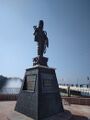
Yashodharman Statue Mandsaur
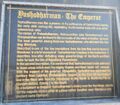
Yashodharman Statue Mandsaur - Inscription
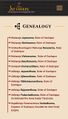
Genealogy of Yasodharman
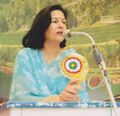
Dr. Urmila Tomar, General Secretary, All India Jat Mahasabha Madhyapradesh
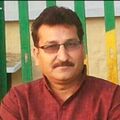
Sri Yogendra Singh (Jurel) Mandsaur.

Dr. Veena Singh , Mandsaur


.jpg)

Pin Codes of villages in Mandsaur district
• Aankali Deewan 458883 • Admalya 458553 • Afzalpur 458895 • Akodara 458667 • Akya Umaheda 458669 • Amlawad 458002 • Angari 458888 • Antralia 458775 • Asawati 458883 • Babulda 458775 • Badwan 458667 • Baghunia 458883 • Bahi Parshwanath 458664 • Bajkhedi 458558 • Balaguda 458664 • Bani 458667 • Bardia Amra 458880 • Bardia Istamurar 458880 • Barkehda Nayak 458883 • Barkheda Dangi 458556 • Barkheda Dev Dungari 458339 • Barkheda Gangasa 458880 • Barkheda Loya 458880 • Barkheda Panth 458664 • Bawal Nai 458330 • Behpur 458669 • Bhagor 458389 • Bhalot 458002 • Bhanpura 458775 • Bhanpura Dhanmandi 458775 • Bhardawad 458002 • Bhensoda Mandi 458778 • Bhundia 458883 • Bilantri 458990 • Bolia 458880 • Borda 458778 • Bordia Kalan 458553 • Borkhedi 458888 • Botalganj 458668 • Budha 458556 • C.c. Camp 458771 • Champakhedi 458888 • Chandwasa 458889 • Chiknia 458880 • Dalauda 458667 • Dalauda Rail 458667 • Dalawda 458389 • Deepakheda 458389 • Degaon Mali 458895 • Denthali Bujurg 458880 • Devari 458664 • Devpura Bamni 458888 • Dhabla Bhagwan 458888 • Dhabla Deval 458883 • Dhabla Gujar 458883 • Dhabla Madho Singh 458775 • Dhabla Mohan 458883 • Dhalmu 458880 • Dhalpat 458888 • Dhariya Khedi 458002 • Dharmshala Mandsaur 458001 • Dhiknia 458990 • Dhikola 458002 • Dhuan Khedi 458778 • Dhundharka 458667 • Dobra 458556 • Dorwada 458556 • Elachi 458667 • Era 458558 • Gandhi Sagar 458771 • Garoda 458667 • Garoth 458880 • Ghasoi 458888 • Gogarpura 458002 • Gujar Bardia 458895 • Gujarda 458002 • Guradia Deda 458002 • Guradia Lalmuha 458002 • Guradia Vijay 458888 • Hamirgarh 458775 • Harsol 458553 • Hatunia 458667 • Hingoria 458441 • Jaggakhedi 458895 • Jawasia 458002 • Jhalara 458558 • Jhangria 458389 • Kachnara 458558 • Kachnara Flag 458669 • Kachria Chandrawat 458664 • Kaithuli 458775 • Kalakot 458775 • Kanghatti 458664 • Kantia 458888 • Kanwla 458775 • Karju 458667 • Kayampur 458660 • Khadawda 458880 • Khadpalia 458556 • Khajuri Goud 458558 • Khajuri Nag 458389 • Khajuri Panth 458883 • Khajuri Runda 458880 • Khajuria Sarang 458669 • Khanderia Kachar 458558 • Kharkheda 458880 • Khatia Khedi 458558 • Khejdia 458990 • Kheta Kheda 458990 • Khilchipura 458002 • Kishorepura 458888 • Kotda Bahadur 458558 • Kotda Bujurg 458880 • Kukdeshwara 458775 • Kunchrod 458895 • Kurlasi 458880 • Kuwaran 458888 • Laduna 458389 • Ladusa 458667 • Lasudia Ila 458669 • Lasudia Rathor 458664 • Lawari 458389 • Limbavas 458556 • Lodh 458895 • Lotkhedi 458775 • Lunaheda 458664 • Malhargarh 458339 • Maliya Kherkheda 458895 • Mandsaur 458001 • Manpura 458389 • Melkheda 458883 • Motipura 458558 • Multanpura 458002 • Munderi 458664 • Nagari 458669 • Nandawta 458667 • Nandwel 458669 • Nataram 458558 • Nimbod 458669 • Nimthur 458775 • Osara 458778 • Paheda 458339 • Panpur 458895 • Paoti 458880 • Parasali Ghata 458883 • Parasali Tirth 458883 • Patela 458667 • Patlawad 458669 • Piplia Jatti 458880 • Piplia Jodha 458556 • Piplia Karadia 458895 • Prempuria 458775 • Ranayara 458558 • Rathana 458990 • Rawta 458990 • Reenda 458667 • Rewas Devra 458002 • Richalal Muha 458669 • Runija 458888 • Sabakheda 458002 • Sagoria 458883 • Sagwali 458667 • Saktali 458990 • Sanjeet 458556 • Sarafa Mandsaur 458002 • Sarsod 458669 • Sarwania 458441 • Satalkhedi 458778 • Sathkheda 458880 • Sedaramata 458389 • Sehore 458895 • Semalia Heera 458667 • Shamgarh 458883 • Shamgarh Gaon 458883 • Shri Ramtekri Mandsaur 458001 • Sitamau 458990 • Somia 458553 • Sunthi 458558 • Sunthod 458339 • Suwasara Gaon 458888 • Suwasara Mandi 458888 • Takrawad 458441 • Tarnod 458888 • Titrod 458990 • Tolakhedi 458883 • Tonkada 458888 • Udpura 458895 • Umria Baloda 458883 • Vishnia Dak Bunglow 458558
See also
External links
- Mandsaur on Flickr
- A History of Civilization in ancient India Vol II
- New inscriptional evidence for the history of the Aulikaras of Mandasor
- Personal and Geographical Names in the Gupta Inscriptions
References
- ↑ Buddha Prakash, Studies in Indian History and Civilisations, P. 35
- ↑ Journal Asiatique, 1926 , pp.11-13
- ↑ Bhim Singh Dahiya, Jats the Ancient Rulers, p. 135
- ↑ Mahabharata Sabha Parva on Jatland Wiki
- ↑ Mandasor Pillar Inscription of Yashodharman
- ↑ Fleet, John F. Corpus Inscriptionum Indicarum: Inscriptions of the Early Guptas. Vol. III. Calcutta: Government of India, Central Publications Branch, 1888, 147-148
- ↑ Mandasor Pillar Inscription of Yashodharman
- ↑ Kalhana: Rajatarangini
- ↑ Thakur Deshraj: Jat Itihas (Hindi), Maharaja Suraj Mal Smarak Shiksha Sansthan, Delhi, 1934, 2nd edition 1992 (Page 712)
- ↑ 10.0 10.1 CV Vaidya, History of Medieval Hindu India
- ↑ Usha Agarwal:Mandsaur Zile Ke Puratatvik samarakon ki paryatan ki drishti se sansadhaniyata - Ek Adhyayan, Chirag Prakashan Udaipur, 2007, p. 19
- ↑ Mangal Mehta (Ed): Dashpur Janapada aur sanskriti, p. 142
- ↑ Usha Agarwal:Mandsaur Zile Ke Puratatvik samarakon ki paryatan ki drishti se sansadhaniyata - Ek Adhyayan, Chirag Prakashan Udaipur, 2007, p. 19
- ↑ H.Michael Brown (Ed): Gwalior Today, p. 180
- ↑ Usha Agarwal:Mandsaur Zile Ke Puratatvik samarakon ki paryatan ki drishti se sansadhaniyata - Ek Adhyayan, Chirag Prakashan Udaipur, 2007, p. 20
- ↑ Sriram Goyal:Guptakalin Abhilekh, p. 366
- ↑ Usha Agarwal:Mandsaur Zile Ke Puratatvik samarakon ki paryatan ki drishti se sansadhaniyata - Ek Adhyayan, Chirag Prakashan Udaipur, 2007, p. 20
- ↑ http://www.gurjarindia.com/History/Mandasor.htm
- ↑ Bijayagadh Stone Pillar Inscription of Vishnuvardhana
- ↑ Thakur Deshraj:Jat Itihas, 1992, p.707
- ↑ Thakur Deshraj:Jat Itihas, 1992, p.707
- ↑ Bijayagadh Stone Pillar Inscription of Vishnuvardhana
- ↑ Fleet, John F. Corpus Inscriptionum Indicarum: Inscriptions of the Early Guptas. Vol. III. Calcutta: Government of India, Central Publications Branch, 1888, 254.
- ↑ Thakur Deshraj: Jat Itihas (Hindi), Maharaja Suraj Mal Smarak Shiksha Sansthan, Delhi, 1934, 2nd edition 1992 (Page 707)
- ↑ Fleet, John F. Corpus Inscriptionum Indicarum: Inscriptions of the Early Guptas. Vol. III. Calcutta: Government of India, Central Publications Branch, 1888, 84-88.
- ↑ JBBRAS., Vol.XVI, pp.380-81
- ↑ Ind.Ant., Vol XV, and pp.194 ff
- ↑ CII.,Vol.III,pp.149ff.and plate.
- ↑ Ibid., pp.142ff.and plate.
- ↑ CII., Vol.III, 1888, pp.79 ff., and Plate XI
- ↑ BBRAS., Vol.XVII , Pt. II, pp 94 ff
- ↑ Nos. 51-52 of the Prachina-lekha-mala published in the Kavyamala Series
- ↑ Die indischen Inscriften und das Alter der indischen Kunstpoesie, pp91-96 and pp.8 ff
- ↑ PRAS.W.C.,for 1904-05, p. 63, para 84.
- ↑ Ind.Ant.Vol.V, p.145
- ↑ B.G. Vol.I,Pt.I, p.7
- ↑ Ind. Ant.,Vol. XIV, p.198
- ↑ Ep. Ind. Vol. VII, p. 36
- ↑ Ind.Ant. Vol.XLVII, p.78.
- ↑ CII., Vol. III, 1888, p. 79, Note 2.
- ↑ Cf.Ep. Ind., Vol. XXXIV, pp.53 ff—Ed.
- ↑ Rajendra Verma:Mandsaur District Gazetteer, p. 289
- ↑ Ramlal Kanwal:Prachin Malwa mein Vastukala, p. 185
- ↑ Usha Agarwal:Mandsaur Zile Ke Puratatvik samarakon ki paryatan ki drishti se sansadhaniyata - Ek Adhyayan, Chirag Prakashan Udaipur, 2007, p. 38
- ↑ Usha Agarwal:Mandsaur Zile Ke Puratatvik samarakon ki paryatan ki drishti se sansadhaniyata - Ek Adhyayan, Chirag Prakashan Udaipur, 2007, p. 42
- ↑ Usha Agarwal:Mandsaur Zile Ke Puratatvik samarakon ki paryatan ki drishti se sansadhaniyata - Ek Adhyayan, Chirag Prakashan Udaipur, 2007, p. 35
- ↑ Dr Naval Viyogi: Nagas – The Ancient Rulers of India, p. 27
- ↑ J.P.H. Vogel:Indian Serpent lore, p.206
- ↑ http://www.fallingrain.com/world/IN/0/Navali.html
- ↑ Dr Naval Viyogi: Nagas – The Ancient Rulers of India, p. 27
- ↑ Madhya Pradesh A to Z: MPTDC March, 1994, p.53
- ↑ Madhya Pradesh A to Z: MPTDC March, 1994, p.53
- ↑ Usha Agarwal:Mandsaur Zile Ke Puratatvik samarakon ki paryatan ki drishti se sansadhaniyata - Ek Adhyayan, Chirag Prakashan Udaipur, 2007, p. 33
- ↑ History and study of the Jats/Chapter 10:Prof. B.S. Dhillon p.120
- ↑ http://www.mparchaeology.org/excProto2.html
- ↑ Dr Mahendra Singh Arya, Dharmpal Singh Dudee, Kishan Singh Faujdar & Vijendra Singh Narwar: Ādhunik Jat Itihasa (The modern history of Jats), Agra 1998
- ↑ Dr Mahendra Singh Arya, Dharmpal Singh Dudee, Kishan Singh Faujdar & Vijendra Singh Narwar: Ādhunik Jat Itihasa (The modern history of Jats), Agra 1998, p. 233
- ↑ Usha Agarwal:Mandsaur Zile Ke Puratatvik samarakon ki paryatan ki drishti se sansadhaniyata - Ek Adhyayan, Chirag Prakashan Udaipur, 2007, p. 46
- ↑ Mahendra Singh Arya et al.: Ādhunik Jat Itihas, Agra 1998,, p. 232
- ↑ भारतकोश-मंदसौर
- ↑ Aitihasik Sthanavali by Vijayendra Kumar Mathur, p.427-428
- ↑ स्मिथ-अर्ली हिस्ट्री ऑफ़ इंडिया, पृष्ठ 221
- ↑ Aitihasik Sthanavali by Vijayendra Kumar Mathur, p.427-428
- ↑ Veer Jat Parichayavali Published by Anand Prakashan, Ratlam (M.P.)
- ↑ Jat Vaibhav Smarika Khategaon, 2010, p. 51
Back to Places