Moond
Moond
(Munda, Mund, Mund, Mund, Moondh)
Location : Rajasthan, Madhya Pradesh, Punjab and Haryana
Country : India, Afghanistan

Moond (मूंड) Munda (मुण्ड)[1] Mund (मूंड) Mund (मुंड)/(मुण्ड)[2] Mund (मून्द)/Moond (मूण्ड)[3] Moondh (मूंढ)[4] is a clan of Jats. Moond Jats are found in Rajasthan, Madhya Pradesh, Punjab and Haryana in India. Mund/Munda (Kachwaha) clan is found in Afghanistan.[5] Munda (मुण्डा) Jat Gotra is also found in Ahirs.[6] They were supporters of Tomar Confederacy. [7] They were supporters of Bhati Confederacy. [8] [9] [10] They fought Mahabharata War in Kaurava's side.
Origin
James Tod writes that Moondraj was son of Mangal Rao, who was son of Raja Bhatti, grandson of Raja Baland and great grandson of Salivahana (S.72 = AD 16). The offspring of Moondraj are the Moonds[11]
Genealogy of Moondraj
Hukum Singh Panwar[12] has given the ancestry of Bharatpur rulers starting from 1. Yadu. Shini is at S.No. 38, Krishna at S.No. 43 and Vajra at S.No. 46[13]. From Naba at S.No. 47 onward we follow James Tod[14] who has based on records of Brahman Sukhdharma of Mathura.
1. Yadu → → → → 34. Andhaka → 35. Bhajmana → 36. Viduratha → 37. Shura → 38. Shini → 39. Bhoja → 40. Hardika → 41. Devamidha → 42. Vasudeva → 43. Krishna → 44. Pradyumna → 45. Aniruddha → 46. Vajra →
47. Naba → 48. Prithibahu → 49. Bahubal (w.Kamlavati Puar) → 50. Bahu → 51. Subahu → 52. Rijh → 53. Raja Gaj (founded Ghazni in Yudhishthira 3008= BC 93) → 54. Salivahana (S.72 = AD 16) → 55. Raja Baland → 56. Raja Bhatti → 57. Mangal Rao → 58. Majam Rao, Kullarsi, Moondraj, Seoraj, Phool, Kewala.
Mythological accounts
We find mention in Indian epics of both Munda and Murunda. Murunda is probably Sanskritization of Munda.
Mundas in Mahabharata
Munda (मुण्ड) (Naga) mentioned in Mahabharata (I.52.12), (III.48.21), (VI.52.9), (IX.44.90),(XIV.8.15),
Mundavedanga (मुण्डवेदाङ्ग) (Naga) mentioned in Mahabharata (I.52.15),
Adi Parva, Mahabharata/Book I Chapter 52 mentions the names of Nagas who fell into the fire of the snake-sacrifice. Munda (मुण्ड) (Naga) mentioned in Mahabharata (I.52.12) [15]. ....Now hear, O best of Brahmanas, the names of the snakes I mention born in the race of Kauravya: Aindila, Kundala, Munda, Veniskandha, Kumaraka, Bahuka, Shringavega, Dhurtaka, Pratara and Astaka. There born in the race of Kauravya fell into the fire.
Adi Parva, Mahabharata/Book I Chapter 52 mentions the names of Nagas who fell into the fire of the snake-sacrifice. Mundavedanga (मुण्डवेदाङ्ग) (Naga) mentioned in Mahabharata (I.52.15)[16].....Nagas of race of Dhritarashtra....Amahatha, Komathaka, Shavasana, Manava, Vata, Bhairava, Mundavedanga, Pishanga, Udraparaka,...
Vana Parva, Mahabharata/Book III Chapter 48 describes Rajasuya sacrifice of Yudhisthira attended by the chiefs of many islands and countries. Munda (मुण्ड) (Naga) mentioned in Mahabharata (III.48.21) [17].....I saw all kings, even those of the Vangas and Angas and Paundras and Odras and Cholas and Dravidas and Andhakas, and the chiefs of many islands and countries on the sea-board as also of frontier states, including the rulers of the Sinhalas, the barbaras, the Mlecchas, the natives of Lanka, and all the kings of the West by hundreds, and all the chiefs of the sea-coast, and the kings of the Pahlavas and the Daradas and the various tribes of the Kiratas and Yavanas and Sakras and the Harahunas and Chinas and Tukharas and the Saindhavas and the Jagudas and the Ramathas and the Mundas and the inhabitants of the kingdom of women (Strirajya) and the Tanganas and the Kekayas and the Malavas and the inhabitants of Kasmira, afraid of the prowess of your weapons, present in obedience to your invitation, performing various offices.
Bhisma Parva, Mahabharata/Book VI Chapter 52 describes the order of army in Mahabharata War. Mundas (मुण्ड) mentioned in Mahabharata (VI.52.9)[18]....And the Kanana (Karushas), the Vikunjas, the Mundas (Muktas), and the Paundravishas, with Brihadbala, were stationed on the left wing. Kurukshetra War Day-3 in Mahabharata mentions Mundas fighting with Kauravas.
Shalya Parva, Mahabharata/Book IX Chapter 44 describes the Kings and clans who joined the ceremony for investing Kartikeya with the status of generalissimo. Munda (मुण्ड) (Naga) mentioned in Mahabharata (IX.44.90)[19]..... Some had two tufts, some three, and some seven. Some had feathers on their heads, some had crowns, some had heads that were perfectly bald (मुण्डा), and some had matted locks (जटिला).
Aswamedha Parva, Mahabharata/Book 14 Chapter 8 Mentions Names of Shiva. Munda (मुण्ड) (Naga) mentioned in Mahabharata (XIV.8.15)[20]....Harikesha, Munda, Krisha, Uttarana, Bhaskara, Sutirtha, Devadeva, Ranha...
Murundas in Puranas
Vishnu Purana - Mundas have been mentioned as Marúńd́as as rulers of Magadha in Vishnu_Purana/Book_IV:Chapter_XXIV[21] along with Sarúńd́as and Purúńd́as. Vishnu Purana[22] gives list of Kings who ruled Magadha. ...After these, various races will reign, as seven Ábhíras, ten Garddhabas, sixteen Śakas, eight Yavanas, fourteen Tusháras, thirteen Mundas, eleven Maunas, altogether seventy-nine princes , who will be sovereigns of the earth for one thousand three hundred and ninety years.
- Ábhíras, 7, M.; 10, V;
- Avabhriti, 7, Bhág.
- Garddabhins, 10, M. V. Bhág.
- Śakas, 18, M. V.;
- Kankas, 16, Bhág.
- Yavanas, 8, M. V. Bhág.
- Tusháras, 14, M. V.;
- Tushkaras, 14, Bhág.
- Marúńdas, 13, V.;
- Purúńd́as, 13, M.;
- Surúńdas, 10, Bhág.
- Maunas, 18, V.;
- Húńas, 19, M.;
- Maulas, 11, Bhág.
Total--85 kings, Váyu; 89, Matsya; 76, and 1399 years, Bhág.
Here Sunda and Munda words have been sanskritized in these forms, like Jat as Jarta and Gujar as Gurjara.
History
Ram Swarup Joon[23] writes about Sheoran, Shivran: According to the bard of this dynasty king Gaj of Ghazni had two sons named Mangal Rao and Masur Rao. Mangal Rao was the ruler of Lahore and Masur Rao of Sialkot. Foreign invaders drove both of them out of their kingdoms. Masur Rao fled away to the deserts of Rajasthan. He had two sons named Abhai Rao and Saran Rao. Descendants of Abhai Rao came to be called Bhurhya Bhatti and those of Saran Rao, Saran. Mangal Rao had six sons, named Mojam Rao, Gulrish, Moolraj, Sheoraj, Kewl Rao and Phul Rao. Descendants of Gulrish came to be called Gloraya or Kiliraya, those of Moolraj, Munda and those Sheoraj, Sheoran. Descendants of Kewal Rao and Phul Rao adopted pottery as their profession and were called Kumhar.
The Sheoran gotra is a big gotra having 52 villages in Luharu 25 in Dadri and 25 big villages in Hissar. People belonging to Kiliraya and Munda gotras are found in Bikaner State.
Hisar gets its name from Jats who came from Afghanistan from place known as Bal Hisar or Mood Hisar or Hisar, a town in Afghanistan. Hisar is an abundant city in Afghanistan. Bal Hisar city was founded by Balhara gotra jats and Mood Hisar city by Moond gotra jats in Afganistan. [24]
B S Dahiya[25] writes about Mund - The Vishnu Purana says that 13 kings of Munda clan shall rule over India for 200 years. But history, as known today, does not indicate the existence of any such reign. The fault lies with history, not with the Mundas, who did rule over India for two centuries. According to J. Allan, "We have considerable evidence to show that in the early centuries of the Christian era, the Murunda (Mund) kingdom was a powerful one, covering a greater part of the Ganga valley, and that the dynasty was a foreign one."[26] We have maintained that all the Jats, Gujars, Ahirs (the later Rajputs) came from outside in different waves. No wonder, that the Munds, ruling at Magadha, were found to be kings of foreign origin.
According to Jat historians this gotra gets name after place called Mandovar (मंडोवर).[27] Bhim Singh Dahiya writes that the Allahabad pillar inscription of Samudragupta mentions about Munda clan.[28] Abhidhana Chintamani of Hema Chandra Says, “ Lampakastu Murundah Syuh” showing that they were considered Sakas. Murunda is a Saka/Scythian title, meaning Chief/ Head.
Dr Pema Ram writes that after the invasion of Alexander in 326 BC, the Jats of Sindh and Punjab migrated to Rajasthan. They built tanks, wells and Bawadis near their habitations. The tribes migrated were: Shivis, Yaudheyas, Malavas, Madras etc. The Shivi tribe which came from Ravi and Beas Rivers founded towns like Sheo, Sojat, Siwana, Shergarh, Shivganj etc. This area was adjoining to Sindh and mainly inhabited by Jats. The Jats of Gotra Mund came to Nagaur via Bhatiana. [29]
H.A. Rose[30] refers By Mr. W. S. Talbot in the Jhelum Gazetteer, 1905, pp. 102— 104, who mentions the Gangs and Munds who are generally reckoned as Awans, but who are probably only affiliated indigenous clans.
Megasthenes has mentioned them as Monedes. (See - Jat clans as described by Megasthenes).
Alexander Cunningham[31] writes about Visit of Sangala by Xuanzang in 630 & 633 AD. He writes that The Sangala of Alexander has long ago been recognized in the Sakala of the Brahmans and the Sāgal of the Buddhists. He has identified Sakala with Sanglawala Tiba, which is a small rocky hill forming two sides of a triangle, with the open side towards the south-east. On the cast and south sides the approach to the hill is covered by a large swamp, half a mile in length, and nearly a quarter of a mile in breadth, which dries up annually in the summer, but during the seasonal rains has a general depth of about 3 feet. In the time of Alexander this must have been a fine sheet of water, which has been gradually lessened in depth by the annual washings of silt from the hill above. On the north-eastern side of the hill there are the remains of two large buildings, from which I obtained old bricks of the enormous size of 17½ by 11 by 3 inches. Close by there is an old well which was lately cleared out by some of the wandering tribes. On the north-western side, 1000 feet distant, there is a low ridge of rock called Munda-ka-pura, from 26 to 30 feet in height, and about 500 feet in length, which has formerly been covered with brick buildings. At 1¾ mile to the south, there is another ridge of three small hills, called Arna and little Sangala.
James Tod writes that Chandravanshi King Prithibahu, son of Naba became prince of Marusthali. He had a son Bahubal, who espoused Kamlavati Puar, daughter of Vijaya Singh, Prince of Malwa. His son Bahu was killed by a fall from his horse ; he left one son, Subahu, who was poisoned by his wife, a daughter of Mund Raja Chohan of Ajmer : he left a son, Rijh, who reigned twelve years. He was married to Subhag Sundri, daughter of Ber Sing, prince of Malwa. His son was Raja Gaj. [32]
Rawal Moond
James Tod writes that Bhatti Chief Deoraj had two sons, Moond and Chadu ; the last, by a wife of the Baraha tribe, had five sons, whose descendants were styled Chada Rajputs. Deoraj excavated several large lakes in the territory of Khadal (in which Deorawal is situated) ; one at Tanot is called Tanosar ; another, after himself, Deosar. Having one day gone to hunt, slightly attended, he was attacked by an ambush of the Channa Rajputs, and slain with twenty-six of his attendants, after having reigned fifty-live years. His kin and clans shaved their locks and moustaches, excepting Moond.[33]
Rawal Moond, who succeeded Deoraj, and performed all the ceremonies during the twelve days. Having made his ablutions with the water from sixty-eight different wells, in which were immersed the leaves of one hundred and eight different shrubs and trees, a female of spotless virtue waved the burning frankincense over his head. Before him was placed the punchamrita, consisting of curds, milk, butter, sugar, and honey ; likewise pearls, gems, the royal umbrella, the grass called doob, various flowers, a looking-glass, a young virgin, a chariot, a flag or banner, the vela flower, seven sorts of grain, two fish, a horse, a nukhunk (unknown), a bullock, a shell, a lotus, a vessel of water, the tail of the wild ox (chaonr), a sword, a female calf, a litter, yellow clay, and prepared food. Then, seated on the lion's hide, — (on which were painted the seven dwipas or continents of Hindu cosmography, appareled in the dress of the Jogi, and covered with ashes (bhabhut), with the mudra in his ears), — the white chaonr (ox-tail) was waved over his head, and he was inaugurated on the gadi of Deoraj, while the Purohit and chiefs presented their offerings. The teeka-dour was against the assassins of his father, who had congregated for defence, eight hundred of whom were put to death. [34]
Rawal Moond had one son, who was called Bachara. When about fourteen years of age the coco-nut came from Bullub-sen Solanki, Raja of Patun.[35]
इतिहास
ठाकुर देशराज[36] ने लिखा है .... पंजाब के हिसार जिले को सभी लोग जाटों का जिला मानते हैं। ईरान में जगातू नदी के पास हिसार एक प्रसिद्ध शहर रह चुका है। अब तो वह उजाड़ पड़ा है। ईरान के हिसार
[पृ.153]: पास सेई कलह और सहना दो प्रसिद्ध स्थान हैं। हम नहीं जानते पंजाब के हिसार के पास भी इन्हीं नाम के जाटों के कोई नगर हैं या नहीं। इसके अलावा दो हिसार हम अफगानिस्तान के भूगोल में आज भी पढ़ते हैं। एक बाला हिसार और दूसरा मूंदा हिसार है। क्या इन में से एक हो बालाइन जाटों का और दूसरे को मूंद जाटों का हिसाब कहना उचित नहीं होगा।
Villages after name Mund
- Mundi Gam (मुंडीगम) is a village in Handwara tahsil in Kupwara district of the Indian union territory of Jammu and Kashmir.
- मुण्डाटोला (जाट गोत्र - मुण्ड) : मुण्डाटोला नाम का गाँव झारखंड के पश्चिमी सिंहभूम जिले की गोइलकेरा विकास-खंड में है।
- मुण्डाटोली (जाट गोत्र - मुण्ड) : मुण्डाटोली नाम का गाँव झारखंड के पश्चिमी सिंहभूम जिले की गोइलकेरा विकास-खंड में है।
- मुण्डुई (जाट गोत्र - मुण्ड) : मुण्डुई नाम का गाँव झारखंड के पश्चिमी सिंहभूम जिले की जगन्नाथपुर विकास-खंड में है।
- मुंड़वाम (जाट गोत्र - मुंड) : मुंड़वाम नाम का गाँव झारखंड के पश्चिमी सिंहभूम जिले की मझगांव विकास-खंड में है।
- मुंडा टोला (जाट गोत्र - मुण्ड) : मुंडा टोला नाम का गाँव झारखंड के पश्चिमी सिंहभूम जिले की मनोहरपुर विकास-खंड में है।
- मुंडा टोली (जाट गोत्र - मुण्ड) : मुंडा टोली नाम का गाँव झारखंड के पश्चिमी सिंहभूम जिले की मनोहरपुर विकास-खंड में है।
- मुंडसे (जाट गोत्र - मुंड) : मुंडसे नाम का गाँव झारखंड के पश्चिमी सिंहभूम जिले की नोवामुण्डी विकास-खंड में है।
- मुंडसै (जाट गोत्र - मूंड) : मुंडसै नाम का गाँव झारखंड के पश्चिमी सिंहभूम जिले की सोनुआ विकास-खंड में है।
- मुण्डाटोला (जाट गोत्र - मूंड) : मुण्डाटोला नाम का गाँव झारखंड के पश्चिमी सिंहभूम जिले की सोनुआ विकास-खंड में है।
- मुण्डाटोली (जाट गोत्र - मुंड) : मुण्डाटोली नाम का गाँव झारखंड के पश्चिमी सिंहभूम जिले की तांतनगर विकास-खंड में है।
- मुंडसे (जाट गोत्र - मुंड) : मुंडसे नाम का गाँव झारखंड के पश्चिमी सिंहभूम जिले की टोंटो विकास-खंड में है।
- मुंडादेव (जाट गोत्र - मुंड) : मुंडादेव नाम का गाँव झारखंड के सराइकेला खरसावाँ जिले की कुचाई विकास-खंड में है।
- मुण्डाकाठी (जाट गोत्र - मुण्ड) : मुण्डाकाठी नाम का गाँव झारखंड के सराइकेला खरसावाँ जिले की राजनगर विकास-खंड में है।
Villages founded by Mund clan
- Khat Jalu (खाट जालू) is a village in District Hanumangarh in the Indian state of Rajasthan. This village was founded by Ch Jalu Moond. Ch Jalu Moond was the maternal grandfather of Ch Devi Lal Chautala. Mastana Ram Moond the son of Jalu Moond and the Grand SOn of Mastana Ram Moond is RoopRam Moond who was also the sarpanch of the village "Amar Pura Jalu Khat".
- Karansar (करणसर) village in tah Sardarshahar of Churu district in Rajasthan was founded by Karamat Moond in 15th century.
- Mundeti (मुण्डेती) - village in Malpura tahsil in Tonk district in Rajasthan.
- Moond Ghisya (मूण्डघिस्या)- village in Dausa tahsil of Dausa district in Rajasthan.
- Moodhnon Ki Dhani (मूढों की ढाणी) - Village in Barmer and Sheo tahsils of Barmer district in Rajasthan.
- Moodhon Ka Tala (मूढों का तला) - Village in Barmer tahsil of Barmer district in Rajasthan.
- Moodhonki Dhani (मूढों की ढाणी) - Village in Barmer tahsil of Barmer district in Rajasthan.
- Moodhsar (मूंढसर) - village in Gudha Malani Tahsil of Barmer district in Rajasthan.
- Moondoti (मून्डोती) - village in Phulera tehsil of Jaipur district in Rajasthan.
- Moondya Khurd (मूण्ड्या खुर्द) - village in Chaksu tahsil in Jaipur district in Rajasthan.
- Mundiya Garh (मुंडिया गढ़) - village is in Phulera tahsil of Jaipur district in Rajasthan.
- Moondsar (मूंडसर) - town in tahsil and district Bikaner in Rajasthan.
- Mundali - village in Meerut tahsil of Meerut district in Uttar Pradesh.
Sub sections of Bhatti
According to H.A. Rose[37] Jat clans derived from Bhatti are: Lahar, Sara, Bharon, Makar, Mond, Kohar, Saharan, Isharwal, Khetalan, Jatai, Khodma, Bloda, Batho and Dhokia.[38]
Mundas the rulers in Magadha
Bhim Singh Dahiya has mentioned about the rule of Munda people in Magadha. The inscriptional evidences show that Jat rulers and tribes in north India from Kabul to Cuttack, in the period following the disintegration of Kushanas empire. Particularly Magadha area was under the rule of people who had the title, Murunda. They are admitted to be Sakas or Scythians. [39]
The Geographike of Ptolemy says that in 140 AD, the Murundas were established in the valley of the river Sarabos or Sarayu. [40] Half a century later, Oppien mentions the "Muruandien" as a Gangetic people. [41] S R Goyal quotes several other Jain authorities to show that Patliputra in particular, as well as Kanyakubja were ruled by Murundas/Sakas. The Jain ascetic, Padlipta Suri, cured the Murunda ruler of Patliputra of terrible headache and converted him to Jainism. [42] During the reign of Wu dynasty (220 - 227 AD) Fan Chen, the King of Kambodia, according to PC Bagchi sent his relative as ambassador to the Indian King of Patliputra. The ambassador was heartily welcomed and the gesture was returned by the Indian king who sent two men as ambassador as well as four horses of the Yue-chi i.e. the Jat country, as presents to the King of Kambodia. According to this account Buddhism was in prosperous state at that time in Magadha and the title of the king was Meouloun. This title has been identified with Murunda and this shows that in the middle of third century AD the Murundas were still ruling over Patliputra. [43] These Murunda rulers of Patliputra had special relations with Peshawar. It was but natural, for, after all Murundas and Kushanas both belonged to the same Scythian stock. [44]
From this it is clear that racially the rulers of Magadha in the third century AD were identical with Kushanas, ruling Afghanistan. In the Puranas they are mentioned as ruling India after the Tukharas (Takhar Jats) and Puranas also say that 13 kings of Murunda dynasty ruled India. It is significant that the Puranas also mention that these Murunda rulers destroyed the caste system and, in the language of Purans, they raised "low caste people" to high offices and all these people were of "Mleccha" origin. The Vishnu Purana correctly gives the clan name of these people as Munda - a still existing Jat clan. The title Murunda means "Lord", in Saka language, as per Sten Konow. [45]
Thus the literary evidence and evidence of Puranas shows that immediately before the Guptas, the Mundas were ruling over Magadha and their rule lasted for about two centuries, by taking 15 years for one rule. It is unfortunate that none of the thirteen rulers, is even named in the Indian history. This is really a pity for the Indian historians. Apparently, all this was deliberately done to remove all traces of the rule of the Jats which lasted for many centuries in all parts of India. It is possible that the Puranas, which were revised during or after the Gupta age, deliberately excluded details of these Jat rulers. [46]
Thus inscriptional as well as the literary and Puranic evidence shows that various Jat clans ruling in North India. The Varikas, the Mauryas, the Mundas, the Kushanas, the Taanks, etc. are of them. Various other clans having republic governments, mentioned in the Allahabad Pillar inscription of Samudragupta, are still existing Jat clans. This clear picture of different Jat clans ruling in different parts of north India is striking and can not be ignored by any writer of Indian history. [47]
Khoh Copper-plate Inscription of the Maharaja Sharvanatha (533-534 CE), a kalachuri king, mentions to be born of a Murunda Maharani and Mahârâja Jayanâtha:
- (Line 6.)— His son, who meditates on his feet, the Mahârâja Sharvanâtha,— begotten on the Mahâdêvi Murundasvâminî — being in good health, issues a command to the residents, beginning with. the Brâhmans, at the villages of Vyâghrapallika and Kâcharapallika in the Maninâga pêtha.
Sir Alexander Cunningham[48] writes that Mundas belong to the hill men of the north, who are spread over the Himalayan and Vindhyan mountains from the Indus to the Bay of Bengal.
Mundesvari Temple by Munda Raja

Mundesvari Temple (मुण्डेश्वरी मंदिर) is one of very ancient temples of Bihar, at village Ramgarh, situated on the Pawara hill, 10 km from Bhabua (भबुवा) town, which is in Kaimur district in Bihar. An inscription[49] in two broken pieces was found in this temple and has been interpreted by some historians to identify the origin of the temple to the year 635 A.D. The inscription refers to Udayasena, the Kulapati Bhagudalana, as the ruling chief and records various donations to Mandalesvara. [50]
Francis Buchanan, in his account of the District of Shahabad in 1812-13, has left a description of the Mundesvari temple and the tradition associated with it. According to Buchanan it was constructed by a certain Munda Raja, whom people pretty generally call a Chero Raja. The pandit of the survey says that he was a Daitya, who had a brother named Chanda, and both lived in the golden age. These brothers who, according to the Markandeya Purana, were the chief military officers (senaptis) of Sumbha and Nisumbha, two great infidel (Daitya) kings, were killed by Parvati, who on that account is called Chamunda, a title, it is said, composed of the two infidels' names. [51]
It is further said that the proper name of Chayanpur is Chanupur derived from one of the brothers who resided there, while a small temple named Mundesvari, and situated on a hill about five miles east from Chayanpur, was built by the Daitya Munda. If there is any foundation for the Puranic legend, it may refer to some exploits in the Indian warfare of Semiramis; but from the appearance of the ruins I have little doubt not only of the truth of the common report of Munda Raja having been a Chero but that he was some small chief, who retained a dependent principality long after his nation had ceased to possess the imperial dignity. [52]
The town where Munda resided is called Garohat, and was situated on the banks of the Katane, just in the eastern mouth of a valley formed between the great mass and the detached range of hills west from Bhagwanpur. The whole of this valley was originally called Mukeri Kho; but that name has of late been restricted to a large recess towards its east end, down which the Katane flows.[53]
The situation was judicially chosen for the residence of a person such as I suppose Munda to have been; as it is not only in a very rich country, but has behind it recesses in the mountains that are capable of defence by a small force; and even in case of defeat, the mountains afford a secure means of escape...." [54]
Mundeshvari Inscription of Udayasena The Harsha Year 30 (635 AD)
|
1. Om Samba(mva)tsare trinsati[tame] Kārttika-divase dvāvinsatime 2. asminsamba(mva)tsara-māsa[diva]sa-purvvayam shri-Mahāsamanta- 3. Mahāpratihāra-Mahāraj-[Oda]yasena-rajya kulapati-Bhagudalana- 4. s=sa devanikayom danda[nā]yaka-Gomibhaṭena prārtthayitva 5. mātapittror=atmanas=cha pu[nya]bhivriddhaye Vinitesvara-maṭhasamā- 6. vesam maṭhām=tat=karākaram [Sri-]Narāyana-devakulasya 7. sri-Mandalesvara-svami-[pādā]ya koshthikātah a-chandr-ārkka-sama- 8. kāliyam=akshayam prati[dinām] naivedyarttham taṇḍula-prastha-dvayam 9. dipa-taila-palasya ch=O[pani]bandhah kāritah sri-Mandalesvara
11. dinaranam goba . . . ja-bhaktādy-upakaraṇani 12. devanikayasya datta[m=etad=e]vam viditvā yathākal-ādhyā [sibhij- 13. r=apovanikair=vvā ya[thani]baddhasya vighāto na kā[rya] 14. evam=abhisravito yo[=nyathā]kuryāt=sa mahapatakais sa[ha] 15 [nara]ke vaset evam . . . vadharaṇaya madhya 16 ..... bhāka . , , tam=iti [Ukta[n=cha] 17 ....... yatnad=raksha Yudhishthira 18 ..... |
| Mundeshvari Inscription of Udayasena The Harsha Year 30 (635 AD)[55] |
This inscription, was discovered among the debris which had accumulated around the temple of Mundesvari (मुण्डेश्वरी) in the Bhabua subdivision of the Shahabad district. Mundesvari Temple (मुण्डेश्वरी मंदिर) is one of very ancient temples of Bihar at village Ramgarh, situated on the Pawara hill, 10 km from Bhabua (भबुवा) town, which is in Kaimur district in Bihar. The inscription was finally brought to the Indian Museum in the beginning of 1904.
The inscription records a grant of two prasthas of rice and a pala of oil to the god Mandaleshwara by a kulapati named Bhāgudalana. It is dated in the year 30 in the reign of the Mahasamanta, Mahapratihara, Maharaja, Udayasena, who is not known from other sources.
Judging from, the affinity of the characters of this inscription with those of the years 34 and 39 from Nepal, 6th era is most probably that established by Harshavardhana.
Hail. In the year 30, on the twenty-second day of Karttika, the the above mentioned year, month and day, in the reign of the great feudatory, the Mahapratihara the Maharaja [Uda]yasena, the Kulapati Bhagudalana, having applied to the Council of gods through the dandanayaka Gomibhaṭa built this maṭha of the davakula of Narayana, to increase the merit of his father and mother and of his own self, near the temple of Vintesvara. For the lord Mandalesvara provision has been made every day, as long as the Sun and Moon last everlastingly, to provide two prasthas of rice for the votive offering a pala of oil for the lamp from the treasury. Fifty dinaras current up to the frontiers.... of the Lord Mandalevara- ..... wit h rice and other ingredients. Knowing it to be a gift of council of gods, the merchants who trade on the waters(?) and who arrive on the proper time should not hinder this arrangement. Having heard this, whoever contrary shall live in hell with great sins .... O! Yudhishthira, presrve with care ....... preservation is preferable to gifts.
Mundeswari River

Mundeswari river is a small river in West Bengal which causes floods in Hooghly, Purba Medinipur and Howrah districts during the monsoons.
It originates as a canal from Srirampur, a village in Madabdihi at the police station in Raina II block of the Bardhaman district. It flows past Kaiti Chakbhura and enters the Hooghly District. It ultimately flows into the Rupnarayan River.[56]
The river is not mentioned in the 1910 district gazetteers, but it is mentioned in the 1994 Bardhaman District gazetteer.[57]
During the devastating floods of 1914, the Damodar River split in two. One part joined the Mundeswari and the main channel of water of the Damodar now flows into the Mundeswari, turning it into a major river.[58]
Mundasthala in Sirohi district
Mungthala (मुंगथला) (Mungathala) is a village in Abu Road tahsil of Sirohi district in Rajasthan. This name occurs in number of epigraphs of 12th century as Mundasthala (मुण्डस्थल). This proves its antiquity. This was a sacred Shvetambara Jaina tirtha sacred to Mahavira. In an inscription of 14th century it is called Mahatirtha. [59]
Mundasthala (मुण्डस्थल) indicates the presence of Mund Gotra Jats in the Sirohi area in ancient times.
Bard's view of Origin
According to the bard of this dynasty king Gaj of Ghazni had two sons named Mangal Rao and Masur Rao. Mangal Rao was the ruler of Lahore and Masur Rao of Sialkot. Foreign invaders drove both of them out of their kingdoms. Masur Rao fled away to the deserts of Rajasthan. He had two sons named Abhai Rao and Saran Rao. Descendants of Abhai Rao came to be called Bhurhya Bhatti and those of Saran Rao, Saran. Mangal Rao had six sons, named Mojam Rao, Gulrish, Moolraj, Sheoraj, Kewl Rao and Phul Rao. Descendants of Gulrish came to be called Gloraya or Kiliraya, those of Moolraj, Munda and those Sheoraj, Sheoran. Descendants of Kewal Rao and Phul Rao adopted pottery as their profession and were called Kumhar.[60] [61]
Bhim Singh Dahiya [62] quotes Kalhana and states that Bhatti had two sons, Masur Rao and Mangal Rao. Masur Rao had two sons, Abhe Rao and Saran Rao. The sons of Abhe are called Abhoria and "Saran quarreled with and separated from his brother, and his issues descended to the rank of cultivators and are well known as Saran Juts".[63] The second son, Mangal Rao, had six sons, and he fled from his kingdom leaving his children in hiding with a banker; they were married in Jut families and thus Kalloria, Munda and Seora Jat clans, are named after the three sons of Mangal Rao. (The names of these clans, however, are Kallar, Mund and Seoran, respectively.)
Ramesh Chandra Gunarthi[64], in his book "Rajasthani Jatiyon ki Khoj" (1977), has mentioned about the origin of this gotra. One of the sons of Raja Mangal Rao Bhojsi of Bhati clan was Moonda who joined Jats. The descendants of Moonda are known as Moond. The capital of Moond Kings was at village Mandore in Jodhpur district. Some Other places connected with the history of Moonds are Munda (Churu district), Mundsar (Bikaner district), Mundara (Pali district), Mandawa (Jhunjhunu district) etc.
People belonging to Kiliraya and Munda gotras are found in Bikaner State.

It is interesting to not that bards have shown association of Kulharia and Mund clans. This gets evidence in the form of a town called Kulharia, a village in Bhojpur district in Bihar, India. It is located near the confluence of the Ganges and Sone Rivers, some 24 miles from Danapur and 36 miles from Patna.
Distribution in Rajasthan
Moond gotra Jats are found in Distt Jhunjhunu, Sikar, Bikaner, Barmer, Jaipur, Hanumangarh, Tonk, Nagaur and Jodhpur in Rajasthan. The distribution in villages in these districts is as under:
Locations in Jaipur city
Ambabari, Khatipura, Murlipura Scheme, Vidyadhar Nagar,
Villages in Ajmer district
Villages in Jaipur district
Akoda, Bassinaga (5), Hatoopura,
Villages in Bhilwara district
Villages in Dausa district
Villages in Sikar district
Baral Sikar (613), Bhainrupura, Chaindas Ki Dhani, Chala, Dhani Piploda, Dulhepura, Ghassu Ka Bas, Hardayalpura, Jassi Ka Bas, Kolida, Madni, Mailasi, Mandeta, Meelon Ki Dhani, Moondwara, Piprali, Shivsinghpura, Sihot Chhoti, Sikar, Sola, Swami ki Dhani (Nechhwa) Swami ki Dhani, Tonk Chhilari,
Villages in Jhunjhunu district
Ajari Kalan, Bajawa, Basawa, Chanana, Jaisinghpura, Jakhal, Jhunjhunu, Majhau,
Villages in Nagaur district
Adaksar, Bhawal Charna, Dodoo, Nagwara, Nimod, Peedwa (11), Potliya Manjra (50), Reengan, Sarunda,
Villages in Barmer district
Adarsh Chhotu, Balau Jati, Bataru, Bayatu Panji, Baytu, Bhadrai, Bhojasar, Chaukriya Ki Dhani, Chiriya, Garal (35), Gugarwar Nagaur, Kekad, Kothala, Lilala, Loonara, Mahigoniyon Moodhon Ki Dhani, Kawas[65] Moodhnon Ki Dhani (t.Sheo), Moodhnon Ki Dhani, Moodhon Ka Tala, Moodhonki Dhani, Moodhsar, Patasar, Sanjta, Umarlai Khalsa,
Villages in Bikaner district
11 DKD Khajuwala, 2 KWSM, 3 Rjd, Baladesar, Gusaina, Kalu, Khajuwala, Khari Charnan, Kolayat, Koobiya, Moondsar, Ranisar, Ramnagar, Ranjeetpura, Sansardesar, Takhatpura, Chak 3 Kpm ,
Villages in Ganganagar district
Gharsana, Khatsajwar, Mahiyanwali,
Villages in Hanumangarh district
Aradki, Amarpura Jalukhat, Biran Hanumangarh, Dabli Kalan, Dholipal, Hanumangarh, Katheda, Kharakhera, Khat Jalu, Khothanwali, Ludhana, Nagrana, Ratanpura Sangaria, Dungrana, Pirkamdia (पीरकामडिया), Khat, Bahlol Nagar, Dolta Wala Chak, Dingarh, Dungrana [66]
Villages in Churu district
Bheemsana, Karansar, Lambor Chhoti, Sardarshahar, Mundital, Murdakiya, Paharsar (10), Soorwas, Sujangarh (15),
Villages in Tonk district
Deshami (11), Ganeshpura (5), Rajpura (11),
Villages in Baran district
Deori Moond, Moonda Ghata, Moondki, Moondla, Moondli, Mundala, Mundiya,
Villages in Jodhpur district
Bambore Darjiyan, Beenjwariya, Janadesar, Lordi Daijagra, Palri Mangaliya,
Distribution in Haryana
Villages in Hisar district
Distribution in Punjab
Villages in Rupnagar district
- Mundhon Bhag Singh, Mundhon Mastana, Mundhon Sangtian Villages in Kharar tahsil of Rupnagar district in Punjab.
Villages in Rupnagar district
Distribution in Madhya Pradesh
Villages in Ratlam district
Villages in Ratlam district with population of this gotra are:
Bilpank 1, Chikliya 1, Dantodiya 1, Ratlam 1,
Notable persons
- Moondraj was son of Mangal Rao, who was son of Raja Bhatti, grandson of Raja Baland and great grandson of Salivahana (S.72 = AD 16). The offspring of Moondraj are the Moonds[67]
- डॉ.राजेंद्र मूंड - राष्ट्रीय सचिव एवं पंजाब प्रभारी, भारतीय युवा कांग्रेस National secretary & Incharge Punjab State, Indian youth Congress, Residence- Village- Moondsar , Tehsil & District- Bikaner, Rajasthan. Present Address- Moond Market, Tilak Nagar, Bikaner.
- Harchand Ram Moond - Social reformer.
- Bhikha Ram Moondh - Martyrs of Kargil war from Rajasthan.
- Chaudhari Nandram Moond (Adaksar), was among the five Jats who became martyr in Dabra kand in opposing the oppressive activities of jagirdars on 13 March 1947.
- Ratan Lal Moond - RJS Rajasthan, Date of Birth : 16-December-1966, VPO.- Baral , distt.- Sikar, Raj. Mob: 9602624121
- Nathu Ram Chaudhary (Moondh) - Chief Engineer, Railways, IES 1985 from Bayatu Panji (Barmer).
- Vijay Singh Moond - ex chairman GSS from Dabli Kalan.
- Dolat Ram Moond - [Kisan Morcha Jila President Hanuman Garh] are notable person in Dabli Kalan.
- R.R. Choudhary (Moond) - Date of Birth : 1-January-1958, Superintendent Custams & Central Excise, VPO- Nagwara, tah: Nawa, Nagaur, Present Address : D-38, Nirman Nagar, Ajmer Road, Jaipur, Resident Phone Number : 0141-2810891, Mobile Number : 9829162509
- Roogha Ram Choudhary (Moond) - Date of Birth : 1-January-1958, CENTRAL EXCISE & CUSTOMS, VP. Nagwaran TEH. NANWA DISTT.NAGAUR, Present Address : D-38, NIRMAN NAGAR ,AJMER ROAD JAIPUR, Resident Phone Number : 0141-2810891, Mobile Number : 9829162502
- Dr. Surendra Kumar Moond - Assistant Professor College of Horticulture & Forestry, Date of Birth : 17-September-1975, VPO - Kolida, Via- Kudan, Distt.- Sikar Raj.-332040, Present Address : JR-16, Collector Residence, Civil Lines, Mama-Bhanja Chauraha, Jhalawar-326001, Mob: 9414595605, Email: drskmoond@yahoo.com
- Bhoma Ram Jat (Moond) - Village: Kekad, Barmer, Raj.
- Shristi Moond- RJS-2011 from Sikar district.
- Shubhkaran Moond Chaudhari - elected in Rajathan Assembly as BJP MLA-2013 from Udaipurwati.
- कैलाश चौधरी (मूंढ)- elected in Rajathan Assembly as BJP MLA-2013 from Baytu, Barmer, State President, Bhartiya Janta Kisan Morcha.
- Mukesh Mund - RAS (2012), OT at HCM HIPA Jaipur, Earlier RTS, From: Piprali, Sikar, M: 9460954844
- Bhagirath Moond lecturer hindi, Chak 3 KPM (Takhatpura) Bikaner.
- Rajendra Moond: DPO, M: 9460789723
- RAM SWAROOP JAT (LECTURER IN GEOGRAPHY) RANISAR,BIKANER 9024649176,9636556376
Gallery
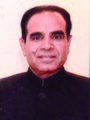
Shubhkaran Choudhary (Moond)

Om Prakash (Moond),Jassi Ka Bas
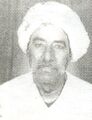
Gogaram Moond, Deshami
Om Prakash (Moond),Jassi Ka Bas
Gogaram Moond, Deshami



.jpg)


References
- ↑ O.S.Tugania:Jat Samuday ke Pramukh Adhar Bindu,p.56,s.n. 2080
- ↑ B S Dahiya:Jats the Ancient Rulers (A clan study), p.241, s.n.150
- ↑ Jat History Dalip Singh Ahlawat/Parishisht-I, s.n. म-53
- ↑ O.S.Tugania:Jat Samuday ke Pramukh Adhar Bindu,p.56,s.n. 2080
- ↑ An Inquiry Into the Ethnography of Afghanistan,H. W. Bellew, p.131
- ↑ Ram Sarup Joon: History of the Jats/Chapter VI,p.111
- ↑ Jat Varna Mimansa (1910) by Pandit Amichandra Sharma,p. 56
- ↑ Jat Varna Mimansa (1910) by Pandit Amichandra Sharma,p. 57
- ↑ Bhim Singh Dahiya: Jats the Ancient Rulers (A clan study)/Appendices/Appendix I, p.316
- ↑ A glossary of the Tribes and Castes of the Punjab and North-West Frontier Province By H.A. Rose Vol II/J,p.376
- ↑ James Tod: Annals and Antiquities of Rajasthan, Volume II, Annals of Jaisalmer, p.204
- ↑ The Jats:Their Origin, Antiquity and Migrations/Appendices/Appendix No.1
- ↑ Yadu Vamsavali of Bharatpur given by Ganga Singh in his book 'Yadu Vamsa', Part 1, Bharatpur Rajvansa Ka Itihas (1637-1768), Bharatpur, 1967, pp. 19-21
- ↑ James Tod: Annals and Antiquities of Rajasthan, Volume II, Annals of Jaisalmer, p.196-201
- ↑ ऐण्डिलः कुण्डलॊ मुण्डॊ वेणि सकन्धः कुमारकः, बाहुकः शृङ्गवेगश च धूर्तकः पातपातरौ (I.52.12)
- ↑ आमाहठः कॊमठकः शवसनॊ मानवॊ वटः, भैरवॊ मुण्डवेदाङ्गः पिशङ्गश चॊद्र पारगः (I.52.15)
- ↑ हारहूणांश च चीनांश च तुखारान सैन्धवांस तदा, जागुडान रमठान मुण्डान सत्री राज्यान अद तङ्गणान (III.48.21)
- ↑ 9 काननाश च विकुञ्जाश च मुक्ताः (मुण्ड) पुण्ड्राविषस तदा, बृहद्बलेन सहिता वामं पक्षम उपाश्रिताः
- ↑ त्रिशिखा द्विशिखाश चैव तदा सप्त शिखाः परे, शिखण्डिनॊ मुकुटिनॊ मुण्डाश च जटिलास तदा (IX.44.90)
- ↑ हरि केशाय मुण्डाय कृशायॊत्तारणाय च, भास्कराय सुतीर्दाय देवदेवाय रंहसे (XIV.8.15)
- ↑ The Vishnu Purana, translated by Horace Hayman Wilson, 1840, p. 475
- ↑ Vishnu Purana/Book IV:Chapter XXIV pp.474-476
- ↑ Ram Swarup Joon: History of the Jats/Chapter V, p. 100
- ↑ Jat Samaj, Agra : March 1998
- ↑ Jats the Ancient Rulers (A clan study)/Jat Clan in India,p. 266
- ↑ B. N. Puri, India under the Kusanas, p. 51.
- ↑ Mahendra Singh Arya et al: Adhunik Jat Itihas, p. 276
- ↑ Bhim Singh Dahiya, Jats The Ancient Rulers, p. 234-235
- ↑ Dr Pema Ram:Rajasthan Ke Jaton Ka Itihas, p.14
- ↑ A glossary of the Tribes and Castes of the Punjab and North-West Frontier Province By H.A. Rose Vol II/A,pp.26 f.n 4
- ↑ The Ancient Geography of India/Taki,pp.179, 182-183
- ↑ James Tod: Annals and Antiquities of Rajasthan, Volume II, Annals of Jaisalmer, p.197
- ↑ James Tod: Annals and Antiquities of Rajasthan, Volume II, Annals of Jaisalmer, p.215-216
- ↑ James Tod: Annals and Antiquities of Rajasthan, Volume II, Annals of Jaisalmer, p.216
- ↑ James Tod: Annals and Antiquities of Rajasthan, Volume II, Annals of Jaisalmer, p.216
- ↑ Thakur Deshraj: Jat Itihas (Utpatti Aur Gaurav Khand)/Navam Parichhed,p.152-153
- ↑ A glossary of the Tribes and Castes of the Punjab and North-West Frontier Province By H.A. Rose Vol II/J,p.376
- ↑ Jats the Ancient Rulers (A clan study)/Appendices/Appendix I,p.316
- ↑ Bhim Singh Dahiya, Jats The Ancient Rulers, p.188
- ↑ P C Bagchi, op. cit., p.133
- ↑ S. Chatopadhyaya, Ethnic History of North India, p.117
- ↑ S R Goyal, A history of Imperial Guptas, p. 57
- ↑ PC Bagchi, op. cit., p. 134
- ↑ Bhim Singh Dahiya, Jats The Ancient Rulers, p.189
- ↑ Bhim Singh Dahiya, Jats The Ancient Rulers, p.189 - 190
- ↑ Bhim Singh Dahiya, Jats The Ancient Rulers, p.190
- ↑ Bhim Singh Dahiya, Jats The Ancient Rulers, p.191
- ↑ The Ancient Geography of India/Eastern India,p.506
- ↑ Epigraphia Indica Vol. IX, p.290
- ↑ P.C. Roy Choudhoury: Temples and Legends of Bihar, Mundesvari, page2
- ↑ P.C. Roy Choudhoury: Temples and Legends of Bihar, Mundesvari, page3
- ↑ P.C. Roy Choudhoury: Temples and Legends of Bihar, Mundesvari, page4
- ↑ P.C. Roy Choudhoury: Temples and Legends of Bihar, Mundesvari, page4
- ↑ P.C. Roy Choudhoury: Temples and Legends of Bihar, Mundesvari, page4
- ↑ Epigraphia Indica Vol. IX, pp.289-290
- ↑ Chattopadhyay, Akkori, Bardhaman Jelar Itihas O Lok Sanskriti (History and Folk lore of Bardhaman District.), (Bengali), Vol I, p 33, Radical Impression. ISBN 81-85459-36-3
- ↑ Chattopadhyay, Akkori, Bardhaman Jelar Itihas O Lok Sanskriti (History and Folk lore of Bardhaman District.), (Bengali), Vol I, p 33, Radical Impression. ISBN 81-85459-36-3
- ↑ Chattopadhyay, Akkori, Bardhaman Jelar Itihas O Lok Sanskriti (History and Folk lore of Bardhaman District.), (Bengali), Vol I, p 33, Radical Impression. ISBN 81-85459-36-3
- ↑ Encyclopaedia of Jainism, Volume-1 By Indo-European Jain Research Foundation p.5530
- ↑ Ram Swarup Joon: History of the Jats/Chapter V, S.No.82
- ↑ Jat Samaj: Agra, October, 1993
- ↑ Jats the Ancient Rulers (A clan study)/Relationship with the Aryans,p. 118
- ↑ Kalhan: Rajatataraingini, VII,p.250
- ↑ Ramesh Chandra Gunarthi, Savar, Ajmer (1977): Rajasthani Jatiyon ki khoj
- ↑ User:Hrdhaka
- ↑ by-Madho Singh Moond
- ↑ James Tod: Annals and Antiquities of Rajasthan, Volume II, Annals of Jaisalmer, p.204
Back to Jat Gotras
- Jat Gotras
- Rajasthan
- Haryana
- Punjab
- Gotras in Hisar
- Gotras in Jhunjhunu
- The Mahabharata Tribes
- Gotras in Sikar
- Gotras in Bikaner
- Gotras in Ajmer
- Gotras in Jodhpur
- Gotras in Barmer
- Gotras in Bhilwara
- Gotras in Jaipur
- Gotras in Dausa
- Gotras in Hanumangarh
- Gotras in Tonk
- Gotras in Baran
- Gotras in Rupnagar
- Villages in Rupnagar
- Gotras in Nagaur
- Gotras in Ratlam
- Jat Gotras in Afghanistan
- Genealogy
- Bard History
- Tomar History
- Bhati History
- Jat History