Nehra


Nehra (नेहरा)[1][2] Nahra (नहरा)[3] Naira (नैरा)[4] Nahare (नहरे)[5] [6] Nera (नेरा) Nahra (नाहरा) [7] Naro/Bhatta/Nhaar[8] is a Gotra found in Jats of Rajasthan, Haryana, Delhi, Maharashtra, Madhya Pradesh and Uttar Pradesh in India. Nahroi clan is found in Sistan, southeastern Iran and southwestern Afghanistan. [9] They were supporters of Chauhan Confederacy.
Contents
- 1 Origin
- 2 Jat Gotras Namesake
- 3 Jat Gotras Namesake
- 4 Jat Gotras Namesake
- 5 Mention by Pliny
- 6 Mention by Pliny
- 7 Jat clans mentioned by Megasthenes
- 8 जाट इतिहास
- 9 History of Nehra clan
- 10 Villages founded by Nehra clan
- 11 Sub divisions of Chauhan
- 12 In Chauhan records
- 13 Mention of Nehra in epics
- 14 नेहरा जाटों का इतिहास: ठाकुर देशराज
- 15 नेहरा जाटों का इतिहास: कैप्टन दलीप सिंह अहलावत
- 16 Nehra Khap
- 17 नेहरा खाप
- 18 हरसावा के नेहरा गोत्र की वंशावली
- 19 Villages names Nehra
- 20 Distribution in Rajasthan
- 20.1 Locations in Jaipur city
- 20.2 Villages in Ajmer district
- 20.3 Villages in Jaipur district
- 20.4 Villages in Sikar district
- 20.5 Villages in Jhunjhunu district
- 20.6 Villages in Churu district
- 20.7 Villages in Nagaur District
- 20.8 Villages in Bikaner district
- 20.9 Villages in Barmer district
- 20.10 Villages in Alwar district
- 20.11 Villages in Jodhpur district
- 20.12 Vilages in Chittorgarh District
- 20.13 Villages in Hanumangarh district
- 20.14 Villages in Ganganagar district
- 20.15 Vilages in Tonk District
- 20.16 Villages in Sawai Madhopur district
- 20.17 Villages in Pali district
- 20.18 Villages in Jaisalmer district
- 21 Distribution in Haryana
- 21.1 Villages in Hisar district
- 21.2 Villages in Rohtak district
- 21.3 Villages in Jhajjar district
- 21.4 Villages in Bhiwani district
- 21.5 Villages in Fatehabad district
- 21.6 Villages in Sirsa district
- 21.7 Villages in Sonipat district
- 21.8 Villages in Gurgaon district
- 21.9 Villages in Yamunanagar district
- 21.10 Villages in Jind district
- 22 Distribution in Uttar Pradesh
- 23 Distribution in Madhya Pradesh
- 24 Distribution in Punjab
- 25 Notable persons
- 26 External links
- 27 Gallery of Nehra people
- 28 References
Origin
- The origin of Nehra is derived from Nehra mountain or Capitalia in Sindh where they were the rulers.
- Nehras are descendent of Narishyanta (Narhari), son of Vaivasvata Manu and belong to Suryavanshi Kshatriyas. The Shekhawati area earlier was known as Nehrawati after Nehras. [10].
- Their ancestor was Narhari-Dev and Nahhara. [11]
- They are considered to be same as the Neuri of the ancient Greeks and Naharians of the Egyptian Pharaohs. [12]
Jat Gotras Namesake
Jat Gotras Namesake
- Nahra = Narraga (Pliny.vi.30)
Jat Gotras Namesake
- Nera = Nervii (Anabasis by Arrian, p. 61.)
Mention by Pliny
Pliny[15] mentions Mesopotamia .... Hipparenum24, rendered famous, like Babylon, by the learning of the Chaldæi, and situate near the river Narraga25, which falls into the Narroga, from which a city so called has taken its name. The Persæ destroyed the walls of Hipparenum. Orchenus also, a third place of learning of the Chaldæi, is situate in the same district, towards the south; after which come the Notitæ the Orothophanitæ, and the Grecichartæ.26
24 Nothing appears to be known of this place; but Hardouin thinks that it is the same with one called Maarsares by Ptolemy, and situate on the same river Narraga.
25 Parisot says that this river is the one set down in the maps as falling into the Tigris below its junction with the Euphrates, and near the mouths of the two rivers. He says that near the banks of it is marked the town of Nabrahan, the Narraga of Pliny.
26 There is great doubt as to the correct spelling of these names.
Mention by Pliny
Pliny[16] mentions 'The Indus.'....After them come the Nareæ,8 who are bounded by Capitalia, the most lofty of all the Indian peaks: the inhabitants who dwell on the other side of it have extensive mines of gold and silver.
8 These peoples are supposed by Hardouin to have occupied the southern parts of the peninsula now known as Bisnagar, Calicut, and the Deccan, with the Malabar and Coromandel coasts.
Jat clans mentioned by Megasthenes
Megasthenes also described India's caste system and a number of clans out of these some have been identified with Jat clans by the Jat historians. Megasthenes has mentioned a large number of Jat clans. It seems that the Greeks added 'i' to names which had an 'i' ending. Identified probable Jat clans have been provided with active link within brackets. (See Jat clans mentioned by Megasthenes)
| Jat clans as described by Megasthenes | ||||||||||||
| Location | Jat clans | Information | ||||||||||
|---|---|---|---|---|---|---|---|---|---|---|---|---|
| 11. Next | The Narae (Nehra) | Enclosed by the loftiest of Indian mountains, Capitalia. The inhabitants on the other side of this mountain work extensive mines of gold and silver. | ||||||||||
जाट इतिहास
ठाकुर देशराज[17] ने लिखा है.... कोरी, मरोही, मोरुनी, ररुंगी इन्हें प्लिनी ने रेगिस्तानों के नीचे उन पहाड़ों पर निवास करते बताया है, जो अछिन्न-श्रेणी में समुद्र के कूल के समतल चले गये हैं। इनके लिए कहा गया है कि ये बिल्कुल स्वतन्त्र हैं और इनके कोई राजा नहीं। पर्वत चोटियों पर इनके कई नगर थे। इन्हें क्रमशः कोरी, मोर्य, मोर, रंगी समझना चाहिए। आजकल यह युक्त-प्रदेश और राजपूताने में पाये जाते हैं। मौर्यों का तो साहसीराय के समय तक सिन्ध और राजपूताने में राज रहा था। मौर्य्यों में से कुछ लोग राजपूत श्रेणी में भी चले गए हैं। कोरी लोग आगरा जिले के जाटों में पाये जाते हैं। मोर और रंगी नितान्त थोड़ी संख्या में हैं। नरेई, जो कि नेहरा के नाम से प्रसिद्ध हैं, कैपटेलिया नाम से घिरी हुई जगह में उनका स्थान बताया गया है।
History of Nehra clan

Panini has mentioned Nihara amongst the Mountaineer Sanghas. Their location at that time was Nagarahara or Jalalabad in Afghanistan, this becomes clear from following paragraphs:
V S Agarwal [18] writes about Mountaineer Sanghas – A very important group of martial Sanghas comprised those occupying some parvata or mountainous region in north-west India..... The Markandeya Purana refers to mountain-dwellers of the west, including such names as Nihāras (Nigrahāra of Vayu, same as Nagarahāra or Jalalabad where Hṛidgola or Hiḍḍā is situated) and the Haṁsamārgas (modern Hunza in the north of Dardistan). Thus country of mountaineers extended from Kashmir to Afghanistan and most of the people settled in these mountains and their valleys were of the Ayudhajivin class.
V. S. Agrawala[19] mentions the names of Ayudhjivi Sanghas in the Panini's Sutras which include Trigarta-Shashṭha (V.3.116) – the league of six Trigartas. Trigarta stands for three valleys, viz. , those of the rivers Ravi, Beas and Sutlej. The Trigartas represented a second cluster of mountainous Sanghas being counted amongst Parvatāshrayiṇa, along with the Niharas (Nīhāras), Dārvas, Karṇa-Prāvaraṇas, etc.,
Ram Swarup Joon[20] writes about Nehra - Naro, Bhatta, Nhaar: Their ancestor was Narhari-Dev and Nahhara. The Nehra hills of Rajasthan were their territory. They are said to be a branch of the Sindhu gotra. Nehra in Jaipur was the first capital in olden times. As they received gifts they were also called Bhainteivan and Bhatta.
B S Dahiya[21] writes that Nahra/Sangha - Both these clans are mentioned in the Sundha Hill (Jodhpur) inscriptions of Chechigadeva Chauhan.[22] The Nahras may be the Neuri of the ancient Greeks, and the Naharians of the Egyptian Pharaohs.
According to Bhim Singh Dahiya they are to be identified with Nara or Nehra clan of the Jats, the Nairi of West Asia. Assyrian inscriptions of Shalmaneser I (ca. 1270 BC) first mention a loose confederation called the Urartu or Nairi in North-East Anatolia, in the region around Lake Van. [23]
Nehra by Megasthenes
There is mention of Nehra people by Greek writer Megasthenes (350BC- 290BC) in his book Indica as Narae, the people who were enclosed by the loftiest of Indian mountains, Capitalia. The inhabitants on the other side of this mountain work extensive mines of gold and silver.[24] (See at S.No.11 - Jat clans as described by Megasthenes)
Nehra in Sindh
Nehras were rulers of Nehrun state in Sindh at the time of attack on Sindh by Muhammad bin Qasim in 710. Present Hyderabad (Pakistan) city was settled on the land of Nehrun. The Hyderabad city was then named Nehrun Kot and was called the heart of the Mehran. [25]
Nehra in Jangladesh
James Tod in "Annals and Antiquities of Rajasthan" has mentioned that Bika - the sixth son of Joda was spreading his rule in Jangladesh. He decided to build capital of his state on land belonging to Nehra jats. Nehras agreed to give the land for capital on the condition that their clan name will be included in the name of capital. So the name of caital of the state of Bika was : Bika + Nehra = Bikaner. The city of Bikaner was founded in 1488. [26]
Nehra rulers in Rajasthan


After Sindh Nehras have been mentioned by James Tod to be living in Jangladesh area of Rajasthan when the Rathores annexed it. [27] According to James Tod, the spot which Bika selected for his capital, was the birthright of a Nehra Jat, who would only concede it for this purpose on the condition that his name should be linked in perpetuity with its surrender. Naira, or Nera, was the name of the proprietor, which Beeka added to his own, thus composing that of the future capital, Bikaner.[28]
Nehra Jats ruled in Rajasthan over an area of 200 sqaire miles. In fifteenth century Nehras ruled at Narhar in Jhunjhunu district. At Naharpur, 16 miles down below the Nehra Hill, their another group ruled. At the end of 16th century and beginning of 17th century there was a war between Nehras and Muslim rulers. The Nehra chieftain Jhunjha or Jujhar Singh won the war and captured Jhunjhunu town. Later at the time of victory ceremony he was deceived by Shekhawat Rajputs and killed. Jhunjhunu town in Rajasthan was established in the memory of Jujhar Singh Nehra the above Jat chieftain. There were 1760 villages under the rule of Nehras in Rajasthan.
About Narhar, Thakur Deshraj writes that it was ruled by Nehra Jats. Nehra jats ruled in Rajasthan over an area of 200 square miles. The Nehra hills of Rajasthan were their territory. To the west of Jhunjhunu town is a Hill 1684 feet above see-level and visible from miles around. [1]. This hill near Jhunjhunu town is still known as Nehra Hill in their memory. [29] Another hill was known as Maura which was famous in memory of Mauryas. Nehra in Jaipur was the first capital in olden times. In the fifteenth century Nehras ruled at Narhar, where they had a fort. At Naharpur, 16 miles down below the Nehra Hill, there another group ruled. [30]The present Shekhawati at that time was known as Nehrawati. [31]
At the end of 16th century and beginning of 17th century there was a war between Nehras and Muslim rulers. When Nehras were defeated by nawabs, they used to offer gifts to the Nawabs on special occasions, due to this they were also called 'Shahi bhentwal'. [32]
After nawab Kasim Khan Husain Khan became nawab of Bagar. His some descendants lived at Bagar and Nunia Gothra. Husain Khan’s younger brother Sikandar Khan lived at Khudana. Another younger brother of nawab, Bahlol Khan founded Islampur in 1622. Bahlol Khan’s son Jalal Khan constructed a well in Islampur, which is known as “Jalal Khan ka kuan”.
The pathans of Narhar unitedly opposed the Jagir given to Shardul Singh Shekhawat. [33] Jujhar Singh Nehra (1664 – 1730) played an important role in fighting with the Nawabs. His father was a faujdar of Nawabs. Shardul Singh sought the help of Jujhar Singh Nehra. The Jats through Jujhar Singh and Rajputs through Sardul Singh agreed upon a proposal to fight united against Muslim rulers and if the Nawab were defeated Jujhar Singh would be appointed the Chieftain. [34]
Jujhar Singh Nehra, one day found the right opportunity and attacked Nawabs at Jhunjhunu and Narhar. He defeated the army of Nawab Sadulla Khan on Saturday, aghan sudi 8 samvat 1787 (1730 AD). The Nehra chieftain Jhunjha or Jujhar Singh won the war and captured Jhunjhunu town. [35]This is clear from the following poetry in Rajasthani Language -
- सत्रह सौ सत्यासी, आगण मास उदार Satrahasau Satyasī, Agahan Mās Udār
- सादे लीन्हो झूंझणूं, सुदी आठें शनिवार Sade līnho jhūnjhanūn, Sudī Āthen Shanivār
The Muslim Nawab 'Sadulla Khan', in charge of Jhunjhunu, was defeated jointly by Shardul Singh and Jujhar Singh Nehra. But, as per Kunwar Panne Singh's book 'Rankeshari Jujhar Singh', Later at the time of victory ceremony Jujhar Singh was deceived and killed by Shekhawats after he was appointed the chieftain. Kunwar Panne Singh has written that after the tilak ceremony of chieftainship, Rajputs attacked him when he was at a solitary place. Jujhar Singh was surprized at this incidence and when he asked what kind of sardari he was being offered this way. He was replied that we (Rajputs) are not fools, we are making you not the live sardar but a dead sardar. You should have remained vigilent. When this news of treachery spread in in the city, there was anarchy in the Jat army and Jats became furious. It is said that at this moment a Charan sung a poetry to Shardul Singh. [36] It is clear from the poetry in Rajasthani Language -
- सादे लीन्हो झूंझणूं, लीनो अमर पटै Sade, linho Jhunjhunu, Lino amar patai
- बेटे पोते पड़ौते, पीढी सात लटै Bete pote padaute pidhi sat latai
- Meaning - This state was taken by Jhunjha from Sadullekhan, he became immortal. Now your seven generations would rule over it.
Jhunjhunu town in Rajasthan was established in the memory of Jujhar Singh Nehra the above Jat chieftain. [37] [38] [39]
Villages founded by Nehra clan
- Bikaner was land of Nehra Jat. Rao Bika made it his capital in in 1486. The Nehra Jat had put a condition that he would give land for the capital of Rathores only if his surname appears in the name of the town being founded. Hence the name, Bika + Naira= Bikaner.
- Dhani Nehrawali
- Harsawa Bara (हरसावा बड़ा) - village located in Sikar district of [[Rajasthan] Harsa Nehra founded the village Harsawa in 1287 AD.
- Nahranwali (नहरांवाली) - village in District Ganganagar in the Indian state of Rajasthan.
- Narhad (नरहड़) - an ancient town situated in Chirawa tehsil in Jhunjhunu district in Rajasthan, India. Its ancient name was Narabhata (नरभट). [40]
- Nehraon Ki Dhani (नेहरों की ढाणी) - village in Sikar tehsil of Sikar district in Rajasthan.
- Nehron Ka Bera (नेहरों का बेरा) - village in Gudha Malani Tahsil of Barmer district in Rajasthan.
- Nehron Ka Tala (नेहरों का तला) - village in Gudha Malani Tahsil of Barmer district in Rajasthan.
- Nehron Ki Dhani (नेहरों की ढाणी) - village in Gudha Malani Tahsil of Barmer district in Rajasthan.
- Nehron Ki Dhani Khurd (नेहरों की ढाणी खुर्द) - village in Gudha Malani Tahsil of Barmer district in Rajasthan.
- Nehron Ki Nari (नेहरों की नाड़ी) - village in Chohtan Tahsil of Barmer district in Rajasthan.
- Jhunjhunu (झुन्झुनू) - town in Rajasthan was founded in the memory of Jat Chieftain Jhunjha or Jujhar Singh Nehra in 1730.
Sub divisions of Chauhan
Bhim Singh Dahiya[41] provides us list of Jat clans who were supporters of the Chauhan when they gained political ascendancy. The Nahra clan supported the ascendant clan Chauhan and become part of a political confederacy.[42]
In Chauhan records
The Sundha inscription (Jodhpur) V. 1319 (1267 AD) of Chachigadeva mentions the Salya (Syal), the Sangas, and the Nahras. [43] [44]
Dasharatha Sharma in "Early Chauhan Dynasties" [p.176] writes about Jalor Chauhan ruler - Chachigadeva. We have eight inscriptions for Chachigadeva, the son and successor of Udayasimha. These range from V. 1319 to V.1333. The earliest is the Sundha Inscription of V. 1319 edited by Dr. Kielhorn in EI, IX. pp. 74ff. Some three years earlier however than the earliest of these (which belongs to V. 1319) is the record of a pratishtha at Jalor, dated the 6th of the bright half of Magha V. 1316. It states that Padru and Muliga put a gold cupola and gold dhvaja on the temple of Shantinatha at Suvarnagiri in the reign of Chachigadeva (Kharataragachchhapattavali. p. 51).
- "Hating his enemies as thorns" states the Sundha Inscription "he destroyed the roaring Gurjara lord Virama," enjoyed the fall of the tremulous (or leaping) Patuka, deprived Sanga of his colour and acted as a thunderbolt for the mountain, the furious Nahara".
- स्फूर्जद्-वीरम-गूर्जरेश-दलनो य: शत्रु-शल्यं द्विषंश्-
- चञ्चत-पातुक-पातनैकरसिक: संगस्य रंगापह:
- उन्माद्दन्-नहराचलस्य कुलिशाकर:.... (Verse-50)
Dasharatha Sharma writes that The "furious Nahara" of the inscription, again, is equally unidentifiable. But we know from Jat history above that नहराचल means Nehra Mountain. There is a mountain in Jhunjhunu called Nehra Pahad which in Sanskrit is called नहराचल. Thus Nehras were rulers in Vikram Samvat 1316 (1260 AD). [45]
Mention of Nehra in epics
In Ramayana
In Ramayana - Balakanda Sarga 22 when King Dasharatha sends Rama and Lakshmana along with Sage Vishvamitra, in their course of travel, Vishvamitra imparts a secret knowledge by which Nairritas can not charge them either sleeping or unvigilant. [I-22-13]. Here Nairritas may be identified with Nehras.
- न च सुप्तम् प्रमत्तम् वा धर्ष इष्यन्ति नैरृताः ।
- न बाह्वोः सदृशो वीर्ये पृथिव्याम् अस्ति कश्चन ॥१-२२-१३॥
In Rigveda
Nehra is a Rigvedic clan according to the historian Bhim Singh Dahiya. In Rigveda it is mentioned as Narya (RV VIII/24/29).
- आ नार्यस्य दक्षिणा वयश्वानेतु सोमिनः |
- सथूरं च राधः शतवत सहस्रवत || (RV VIII/24/29)
- ā nāryasya dakṣiṇā vyaśvānetu sominaḥ |
- sthūraṃ ca rādhaḥ śatavat sahasravat || (RV VIII/24/29)
A king of this tribe is mentioned as a great donor, son of Nara (I/112/9)
- याभिः सिन्धुं मधुमन्तमसश्चतं वसिष्ठं याभिरजरावजिन्वतम |
- याभिः कुत्सं शरुतर्यं नर्यमावतं ताभिर... || (I/112/9)
- yābhiḥ sindhuṃ madhumantamasaścataṃ vasiṣṭhaṃ yābhirajarāvajinvatam |
- yābhiḥ kutsaṃ śrutaryaṃ naryamāvataṃ tābhir... || (I/112/9)
Meaning - "Wherewith ye quickened the most sweet exhaustless flood, and comforted Vasistha, ye who ne'er decay; And to Srutarya, Kutsa, Narya gave your help,--Come hither unto us, O Asvins, with those aids."
The Rig Veda/Mandala 1/Hymn 54 shloka 6 writes about Narya as under:
- तवमाविथ नर्यं तुर्वशं यदुं तवं तुर्वीतिं वय्यंशतक्रतो |
- तवं रथमेतशं कर्त्व्ये धने तवं पुरो नवतिं दम्भयो नव || (I.54.6)
- tvamāvitha naryaṃ turvaśaṃ yaduṃ tvaṃ turvītiṃ vayyaṃśatakrato |
- tvaṃ rathametaśaṃ kṛtvye dhane tvaṃ puro navatiṃ dambhayo nava || (I.54.6)
Meaning - "Thou helpest Narya, Turvasa, and Yadu, and Vayya's son Turviti, Satakratu! Thou helpest horse and car in final battle thou breakest down the nine-and-ninety castles."
In Mahabharata
Vana Parva, Mahabharata/Book III Chapter 164 also mentions in shloka 30 where Arjuna learns about arms of Nairritas along with Gandharvas, Marutas, Siddhas etc. :
- साध्यं पैतामहं चैव गन्धर्वॊरगरक्षसाम
- वैष्णवानि च सर्वाणि नैरृतानि तदैव च
- मथ्गतानि च यानीह सर्वास्त्राणि कुरूथ्वह (III.164.30)
In Vana Parva, Mahabharata/Book III Chapter 170 Arjuna destroys the city of the Daityas and mentions Nairritas along with Guhyas. (III.170.45)
- गुह्यकानां च संग्रामे नैरृतानां तदैव च
- झषाणां गजवक्त्राणाम उलूकानां तदैव च (III.170.45)
Bhisma Parva, Mahabharata/Book VI Chapter 10 mentions the name of province of Nehras along with Shakas, Matsyas, Anartas and Nishadas in shloka 50 as under:
Bhisma Parva, Mahabharata/Book VI Chapter 20 mentions about warriors of the Andhakas, Vrishnis and the Bhojas races, as also by the warriors of Nairritas and Surashtras well-armed and well-acquainted with the uses of weapons, and which was led by Kritavarman, proceeded towards the south of the army. (VI.20.14)
- महारदैर अन्धकवृष्णिभॊजैः; सौराष्ट्रकैर नैरृतैर आत्तशस्त्रैः
- बृहथ्बलः कृतवर्माभिगुप्तॊ; बलं तवथीयं थक्षिणतॊ ऽभिपाति (VI.20.14)
Shalya Parva, Mahabharata/Book IX Chapter 44 mentions names of combatants All of them came to the ceremony for investing Kartikeya with the status of generalissimo. The gods then made over to Skanda the celestial host, invincible, abounding with celestial troops, capable of destroying the enemies of the gods, and of forms like that of Vishnu.(IX.44.25)
- तदा देव ददुस तस्मै सेनां नैरृतसांकुलाम
- देवशत्रुक्षयकरीम अजय्यां विश्वरूपिणीम (IX.44.25)
Shalya Parva, Mahabharata/Book IX Chapter 45 mentions large bands of the mothers, that became the companions of Kumara. One of them was Nairriti (IX.45.49)
- सा सेना नैरृती भीमा सघण्टॊच्छ्रितकेतना
- सभेरी शङ्खमुरजा सायुधा सपताकिनी
- शारथी थयौर इवाभाति जयॊतिर्भिर उपशॊभिता
In Puranas
Nahra (नहरा) & Nara (नारा) : The Markandeya Purana mentions them as Niharas. [46] Nāhrā and Nārā are treated as different clans although they may be one. [47]
नेहरा जाटों का इतिहास: ठाकुर देशराज

नेहरा भारत और पाकिस्तान में जाटों का एक गोत्र है. ये राजस्थान, दिल्ली, हरयाणा, पंजाब, उत्तर प्रदेश और पाकिस्तान में पाए जाते है. नेहरा की उत्पत्ति वैवस्वत मनु के पुत्र नरिष्यंत (नरहरी) से मानी जाती है. पहले ये पाकिस्तान के सिंध प्रान्त में नेहरा पर्वत पर निवास करते थे. वहां से चल कर राजस्थान के जांगलदेश भू-भाग में बसे और झुंझुनू में नेहरा पहाड़ पर आकर निवास करने लगे.
राजस्थान में नेहरा जाटों का तकरीबन २०० वर्ग मील भूमि पर किसी समय शासन रहा था. उनके ही नाम पर झुंझुनू के निकट पर्वत आज भी नेहरा पहाड़ कहलाता है. दूसरा पहाड़ जो मौरा (मौड़ा) है, मौर्य लोगों के नाम से मशहूर है.नेहरा लोगों में सरदार झुन्झा अथवा जुझार सिंह बड़े मशहूर योद्धा हुए हैं, उन्हीं के नाम से झुंझुनू जैसा नगर प्रसिद्द है.
पंद्रहवीं सदी में नेहरा लोगों का नरहड़ में शासन था. वहां पर उनका एक किला भी था. उससे १६ मील पश्चिम में नेहरा पहाड़ के नीचे नाहरपुर में उनके दूसरे दल का राज्य था. सोलहवीं सदी के अंतिम भाग में और सत्रहवीं सदी के प्रारंभ में नेहरा लोगों का मुसलमान शासकों से युद्ध हुआ. अंत में नेहरा लोगों ने मुसलमानों से संधि करली.
नेहरा लोगों के प्रसिद्द सरदार जुझार सिंह का जन्म संवत १७२१ विक्रमी श्रावण महीने में हुआ था. उनके पिता नवाब के यहाँ फौज के सरदार यानि फौजदार थे. युवा होने पर सरदार जुझार सिंह नवाब की सेना में जनरल बन गए. उनके दिल में यह बात पैदा हो गयी कि भारत में जाट साम्राज्य स्थापित हो. जुझार सिंह ने पंजाब, भरतपुर, ब्रज के जाट राजाओं और गोकुला के बलिदान की चर्चा सुन रखी थी. उनकी हार्दिक इच्छा थी कि नवाबशाही के खिलाफ जाट लोग मिल कर बगावत करें.
उन्हीं दिनों सरदार जुझार सिंह की मुलाकात एक राजपूत से हुई. वह किसी रिश्ते के जरिये नवाब के यहाँ नौकर हो गया. उसका नाम शार्दुल सिंह था. दोनों का सौदा तय हो गया. शार्दुल सिंह ने वचन दिया कि इधर से नवाबशाही के नष्ट करने पर हम तुम्हें (सरदार जुझार सिंह को) अपना सरदार मान लेंगे. अवसर पाकर सरदार जुझार सिंह ने झुंझुनू और नरहड़ के नवाबों को परास्त कर दिया और बाकि मुसलमानों को भगा दिया.
कुंवर पन्ने सिंह द्वारा लिखित 'रणकेसरी जुझार सिंह' नमक पुस्तक में अंकित है कि सरदार जुझार सिंह को दरबार करके सरदार बनाया गया. सरदार जुझार सिंह का तिलक करने के बाद एकांत में पाकर विश्वास घात कर शेखावतों ने सरदार जुझार सिंह को धोखे से मार डाला. इस घृणित कृत्य का समाचार ज्यों ही नगर में फैला हाहाकार मच गया. जाट सेनाएं बिगड़ गयी. फिर भी कुछ लोग विपक्षियों द्वारा मिला लिए गए. कहा जाता है कि उस समय चारण ने शार्दुल सिंह के पास आकर कहा था -
- सादे लीन्हो झूंझणूं, लीनो अमर पटै
- बेटे पोते पड़ौते, पीढी सात लटै
अर्थात - सादुल्लेखान से इस राज्य को झून्झा (जुझार सिंह) ने लिया था, वह तो अमर हो गया. अब इसमें तेरे वंशज सात पीढी तक राज करेंगे.
जुझार अपनी जाती के लिए शहीद हो गया. वह संसार में नहीं रहे , किन्तु उनकी कीर्ति आज तक गाई जाती है. झुंझुनू शहर का नाम जुझार सिंह के नाम पर झुन्झुनू पड़ा है.
शेखावतों ने जाट-क्षत्रियों के विद्रोह को दबाने के लिए तथा उन्हें प्रसन्न रखने के लिए निम्नलिखित आज्ञायेँ जारी की गयी -
- लगान की रकम उस गाँव के जाट मुखिया की राय से ली जाया करेगी.
- जमीन की पैमयश गाँव के लम्बरदार किया करेंगे.
- गोचर भूमि के ऊपर कोई कर नहीं होगा.
- जितनी भूमि पर चारे के लिए गुवार बोई जावेगी उस पर कोई कर नहीं होगा.
- गाँव में चोरी की हुई खोज का खर्चा तथा राज के अधिकारियों के गाँव में आने पर उन पर किया गया खर्च गाँव के लगान में से काट दिया जावेगा. जो नजर राज के ठाकुरों को दी जायेगी वह लगान में वाजिब होगी.
- जो जमीन गाँव के बच्चों को पढ़ाने वाले ब्राहमणों को दो जायेगी उसका कोई लगान नहीं होगा. जमीन दान करने का हक़ गाँव के मुखिया को होगा.
- किसी कारण से कोई लड़की अपने मायके (पीहर) में रहेगी तो उस जमीन पर कोई लगान न होगा, जिसे लड़की अपने लिए जोतेगी.
- गाँव का मुखिया किसी काम से बुलाया जायेगा तो उसका खर्च राज देगा.
- गाँव के मुखिया को जोतने के लिए जमीन फुफ्त दी जायेगी. सारे गाँव का जो लगान होगा उसका दसवां भाग दिया जायेगा.
- मुखिया वही माना जायेगा जिसे गाँव के लोग चाहेंगे. यदि सरदार गाँव में पधारेंगे तो उन के खान=पान व स्वागत का कुल खर्च लगान में से काट दिया जायेगा.
- गाँव के टहलकर (कमीण) लोगों को जमीन मुफ्त दी जायेगी.
- जितनी भूमि पर आबादी होगी, उसका कोई लगान न होगा.
- इस खानदान में पैदा होने वाले सभी उत्तराधिकारी इन नियमों का पालन करेंगे.
कुछ दिनों तक इनमें से कुछ नियम आंशिक रूप से अनेक ठिकानों द्वारा ज्यों-के-त्यों अथवा कुछ हेर-फेर के साथ मने जाते रहे. कुछ ने एक प्रकार से कटाई इन नियमों को मेट दिया.
झुंझुनू का मुसलमान सरदार जिसे कि सरदार जुझार सिंह ने परास्त किया था , सादुल्ला नाम से मशहूर था. झुंझुनू किस समय सादुल्लाखान से जुझार सिंह ने छीना इस बात का वर्णन निम्न काव्य में मिलता है.
- सत्रह सौ सत्यासी, आगण मास उदार
- सादे लीन्हो झूंझणूं, सुदी आठें शनिवार
अर्थात - संवत १७८७ में अघन मास के सुदी पक्ष में शनिवार के दिन झुंझुनू को सादुल्लाखान से जुझार सिंह ने छीना.
सरदार जुझार सिंह के बाद ज्यों-ज्यों समय बीतता गया उनकी जाट जाति के लोग पराधीन होते गए. यहाँ तक कि वह अपनी नागरिक स्वाधीनता को भी खो बैठे. एक दिन जो राजा और सरदार थे उनको भी बादमें पक्के मकान बनाने के लिए जमीन खरीदनी पड़ती थी. उन पर बाईजी का लाग लगा और भेंट, न्यौता-कांसा अदि अनेक तरह की बेहूदी लाग और लगा दी गई.
नोट - यह वृतांत ठाकुर देशराज द्वारा लिखित जाट इतिहास , महाराजा सूरज मल स्मारक शिक्षा संसथान , दिल्ली , १९९२ पेज ६१४-६१७ पर अंकित है.
नेहरा जाटों का इतिहास: कैप्टन दलीप सिंह अहलावत
दलीप सिंह अहलावत[48] लिखते हैं:
सूर्यवंशी वैवस्वत मनु के इक्ष्वाकु, नरिष्यन्त (उपनाम नरहरि) आदि कई पुत्र हुए। नरहरि की सन्तान सिंध में नेहरा पर्वत के समीपवर्ती प्रदेश के अधिकारी होने से नेहरा नाम से प्रसिद्ध हुई। इस तरह से नेहरा जाटवंश प्रचलित हुआ।
जयपुर की वर्तमान शेखावाटी के प्राचीन शासक नेहरा जाट थे जिन्होंने सिंध से आकर नरहड़ में किला बनाकर दो सौ वर्ग मील भूमि पर अधिकार स्थिर कर लिया था। यहां से 15 मील पर इन्होंने
- 1. जाटों का उत्कर्ष, पृ० 310, लेखक योगेन्द्रपाल शास्त्री।
- 2, 3. भारत का इतिहास पृ० 65, हरयाणा विद्यालय शिक्षा बोर्ड भिवानी, हिन्दुस्तान की तारीख उर्दू पृ० 244।
- 3. जाट इतिहास पृ० 76, लेखक ले० रामस्वरूप जून।
- * असल में सूर्यवंश का प्रचलन तो कश्यपपुत्र विवस्वत् से हुआ था।
जाट वीरों का इतिहास: दलीप सिंह अहलावत, पृष्ठान्त-225
नाहरपुर बसाया। उनके नाम से झुंझनूं के निकट का पहाड़ आज भी नेहरा पहाड़ कहलाता है। दूसरे पहाड़ का नाम मौड़ा (मौरा) है जो मौर्य जाटों के नाम पर प्रसिद्ध है। मुगल शासन आने से पूर्व शेखावत राजपूतों ने नेहरा जाटों को पराजित कर दिया और इनका राज्य छीन लिया। नेहरा जाटों की यह नेहरावाटी आवासभूमि शेखावतों के विजयी होते ही शेखावाटी के नाम पर प्रसिद्ध हो गई।
शेखावतों से बदला लेने के लिए नेहरा जाटों ने मुगलों को समय समय पर भेंट देकर सन्तुष्ट करने का प्रयत्न किया। इस कारण ये “शाही भेंटवाल” के नाम से पुकारे जाने लगे। मुगलों से इन्हें कोई सहयोग न मिला क्योंकि मुग़ल राजपूतों से सामूहिक समर्थन प्राप्त कर चुके थे।
नेहरा जाटों में सरदार झूंझा अथवा जुझारसिंह बड़े प्रसिद्ध वीर हुए हैं। उनके नाम से झुंझनू नगर विख्यात है। कुंवर पन्नेसिंह जी ने “रणकेसरी सरदार जुझारसिंह” नाम की पुस्तक में लिखा है -
- “सरदार जुझारसिंह का जन्म संवत् 1721 विक्रमी श्रावण महीने में हुआ था। उनके पिता झुंझनूं के नवाब सादुल्ला खां के यहां फौजदार के पद पर नौकरी करते थे। युवा होने पर सरदार जुझारसिंह उसी नवाब की सेना में जनरल हो गये। वे भारत में फिर से जाटसाम्राज्य स्थापित हुआ देखना चाहते थे। उन्हीं दिनों उनकी मुलाकात एक राजपूत शार्दूलसिंह से हुई जो नवाब के यहां आकर नौकर लगा था। दोनों में निर्णय हुआ। शार्दूलसिंह ने वचन दिया कि नवाबशाही को नष्ट कर्ने पर हम आपको अपना सरदार मान लेंगे। अवसर आने पर सरदार जुझारसिंह ने झुंझनूं और नरहड़ के नवाबों को परास्त कर दिया। अन्त में सत्रह सौ सतासी, आगण मास उदार। सादै, लीन्हों झूंझनूं सुठि आठें शनिवार। ”
विजय प्राप्त करके एक बार पुनः नेहरावंश की ओर राजस्थान का ध्यान आकर्षित कर ही लिया। किन्तु शेखावत और कछवाहा राजपूतों ने एक दरबार करके विजयी सरदार जुझारसिंह को सरदार घोषित करने के नाम पर धोखे से एकान्त में मार डाला। यह सूचना मिलने पर वहां के जाटों ने विद्रोह कर दिया। जाट-क्षत्रियों के इस विद्रोह को दबाने के लिए शेखावतों ने उन्हें कई तरह के प्रलोभन दे दिए। सरदार जुझारसिंह अपनी जाति के लिए शहीद हो गये। उनकी कीर्ति आज तक गाई जाती है। इस घटना के कुछ समय पश्चात् नेहरा जाटों ने शेखावाटी छोड़ दी। वहां से आकर नेहरा जाटों ने देहली से मेरठ वाले मार्ग पर बेगमाबाद गांव बसाया। वहां से मुदाना, याकूबपुर्र, मवई, औरंगाबाद, गदाना, गावडी, कादराबाद व बिसौखर आदि 12 गांव नेहरा जाटों ने बसाये। मोदीनगर की औद्योगिक बस्ती इन्हीं की भूमि पर आबाद है1।
नेहरा जाटगोत्र के लोग हरयाणा के रोहतक जिले में सुन्दरपुर, निन्दाना, गूढा आदि गांवों में आबाद हैं। कुछ हिसार व जींद जिलों में बसे हैं। पंजाब के पटियाला जिले में ये लोग सिक्खधर्मी हैं। पाकिस्तान में इनकी बड़ी संख्या है जो कि मुसलमानधर्मी हैं।
नेहरा का शाखागोत्र - भेंटवाल-भेंटवाण।
Nehra Khap
Nehra Khap has 12 villages around Begamabad on Delhi-Meerut Road. It has 3 main villages in Rohtak district in Haryana, viz.: Sundarpur (सुन्दरपुर), Nindana (निन्दाना), Moodha (मूढा). [49]
नेहरा खाप
38 नेहरा खाप - इस खाप के 12 गांव हैं जो दिल्ली-मेरठ मार्ग पर बेगमाबाद के आसपास पढ़ते हैं. रोहतक में सुंदरपुर, निंदाना, और मूढ़ा आदि गांव भी इसी खाप में सम्मिलित हैं.
नेहरा खाप संगठन की स्थापना वीर वर झुंझार सिंहजी की गाथाओं से प्रभावित होकर ३ युवाओ ने की थी नेमाराम नेहरा नागौर . सतपाल भादरा हनुमानगढ़, कुलदीप चुरू ने अपने साथीयों के साथ मिलकर ३ अप्रेल २०१६ को भादरा से इसकी शुरुवात की थी
हरसावा के नेहरा गोत्र की वंशावली
नोट - यह वंशावली बनवारी लाल नेहरा हरसावा (M: 94144 22772) द्वारा उपलब्ध कराई गई है.
नेहरा गोत्र का गौत्रचारा
- अग्नि-वंश,
- शाखा-माधनिक,
- गोत्र-वत्स,
- जन्म स्थान-आबू,
- नदी- भार्गवी,
- निशान - सफेद घोड़ा केवड़ो नगारो विजय-
- पूजा आशापाला
- परवर-5 :भार्गव, चिमन, आपलयुवान, औख व जमदग्नि.
शुरू में राजा चौहान ने टंकारी का राज्य किया मौकावती नगरी पर राज्य किया. अजमेर नगर को राजा अजय पाल जी ने संवत 202 में बसाया, तारागढ़ किला बनवाया. राजा अजय पाल एक चक्रवती राजा हुए.
राजा माणिक राव जी को माता संभराय का वरदान हुआ, सांभर नमक पैदा हुआ. सांभर शहर बसाया संवत 777 की साल में. उनके लड़के लाखण रावजी हुये जिनके 24 लड़के हुए और उनसे 24 शाखा चौहानों की प्रचलित हुई. लाखन सिंह जी के बेटे विजय राज जी के दो लड़के हुए. हर राज जी भंवर राज जी (?) के सोमराज जी के बाहुकपाल- जिन्होंने जाटों में संबंध किया. संवत 1130 में उनके लड़के नरपाल जी हुए जिनके नाम से नेहरा कहलाये. नरपाल जी ने मकराना की धरती छोड़कर अपने नाम पर गांव नरड़ बसाया संवत 1172 में. उनके लड़के दो हुए नगराज जी और उदय पाल जी. नगराज जी के बेटे हरपाल जी और मेव जी. हरपाल जी के छोटे भाई रायमल जी. हरपाल जी के हरदेव जी और बणबीर जी के जुगराज जी के रतन सिंह जी के खींववराज जी, कंवर पाल जी कस्तूर जी. खींवराज जी के माधव सिंह जी के रिछपाल जी के गोपाल जी, रूपलाल जी और दुहड़ जी. गोपाल जी के कालू जी के हांसूजी और बाढ़ सिंह. हांसु जी ने हिसार बसाया संवत 1320 (1263 ई.) में.
हांसु जी के 14 लड़के हुये- 1. बड़े समुदर सिंह जी, 2. दुल सिंह जी, 3. चुण्डजी, 4. सोमसिंह, 5. बल्लू जी, 6. बुध पाल जी, 7. चोहिल जी, 8. भीव सिंहजी, 9. पदम सिंह जी, 10. माणक जी, 11. दे पाल जी, 12. लहरु जी, 13. काछुजी, 14. अमरथ सिंह जी जिनके नाम से 14 थाम्बा नेहरा जाटों के कहलाए. बादशाह गयासुद्दीन से झगड़ा हुआ और झगड़े में राव हांसू जी वीरगति को प्राप्त हुए. हिसार को छोड़कर हांसू जी के लड़कों ने गांव दहरोड़ बसाया.
1.बड़े समदर जी दहरोड से आकर गांव बाजोर में बस गए.
2.दुल सिंह जी के गांव बांठोद में बस गए व उनके वंशज फिर गांव हरसावा व नयाबास में बस गए.
3.चुंडा राम जी के लड़के शहर पादु में बसे.
4.सोम सिंह जी के लड़के गांव लोदीपुर में बस गए.
5.बल्लू जी के लड़के गांव डसाना में बस गए.
6.बुध पाल जी के लड़कों ने गांव भूकाणा बसाया. व दहरोड़ में रहे.
7. चोहिल जी ने गांव किठाना बसाया.
8.भीव सिंह जी के लड़कों ने गांव कोलशिया बसाया.
9.पदम सिंह जी के लड़के गांव नगली में बस गए.
10. माणक जी के वंशज लांबा देवलास बस गए.
11. देपाल जी के वंशज गांव कांगणसर बस गए.
12.लहरू जी के वंशज ने गाँव कोलिया बसाया.
13. काछूजी के वंशजों ने गांव सांवलोद बसाया.
14. समरथ जी के एक लड़की हुई जिसने अपने नाम को प्रचलित रखने के लिए अपने पिता के सहयोग से गांव फोंगा बसाया जिनके वंशज फोगा जाट कहलाए. नहरा और फोगा जाटों में भाईचारे का संबंध है. इसलिए ही इन दोनों गोत्रों में अब तक कोई प्रकार की रिश्तेदारी नहीं हुई जो हिंदू धर्म की सामाजिक परंपरा के अनुसार उचित भी है.
15.दुल सिंह के बेटे रणु राम जी और रड़मल जी हुये. रणु राम जी संवत 1370 (1313 ई.) में बांठोद आए. रणु राम जी के रावत जी के करणाराम जी के लोहडु जी, लाबू जी और लहरु राम जी हुये. लोहड़ू जी के धोलूराम जी के देव राम, रामू राम, दोराज और दूदू.
गांव दहरोड में नवाब मोहम्मद खां के साथ झगड़ा हुआ. उसमें अपने भाइयों की मदद करते हुए दुदाराम जी ने अपने प्राणों को न्यौछावर कर दिया. इसके बाद विक्रम संवत 1444 में देवाराम जी गांव हरसावा आए. गांव बांठोंद में रामू जी तथा देवाराम जी ने जौहड़ भी छोड़ेजो अब भी मौजूद है. देवाराम जी के लड़के दो हुये - पाला राम और फेफा राम. पालाराम जी के बेटे मानाराम जी और नरसाराम जी हुये. मानाराम जी के दो लड़के हुए- बालाराम और खेताराम तथा लड़की साली बाई जो नेता राम जी गोदारा जालेऊ निवासी को ब्याही गई. उसने गाँव जालेऊ से उठकर गांव अलखपुरा बसाया.
संवत सौलह सौ में मानाराम जी के लड़कों के आगे की पीढ़ी इस प्रकार है:
Villages names Nehra
We find following villages named Nehra in India:
- Nehra,Kurwai tahsil in Vidisha, Madhya Pradesh
- Nehra, Rajasthan
- Nehra,Jind,Haryana
- Nehra,Mandi,Himachal Pradesh
- Nehra,Mandi,Himachal Pradesh
- Nehra,Mandi,Himachal Pradesh
- Nehra,Shimla,Himachal Pradesh
- Nehra,Shimla,Himachal Pradesh
- Kaha Nehra Punagh,Dehradun,Uttaranchal
- Nehra Kamhali,Shimla,Himachal Pradesh
- Nehara,Chhatarpur,Madhya Pradesh
Distribution in Rajasthan
Locations in Jaipur city
Ambabari, Bagruwalon ka Rasta, Gandhi Nagar, Ganesh Colony (Khatipura), Jaisinghpura (Sanganer), Khatipura, Maharani Farm, Murlipura Scheme, Queens Road, Sanganer, Shanti Nagar, Tonk Road,
Villages in Ajmer district
Villages in Jaipur district
Nahra (नहरा) Jats live in villages: Biharipura Sawli (6), Kacholya (1),
Nehra (नेहरा) Jats lives in villages:
Anantpura, Biharipura Sawli (1), Itakhoi, Jaisinghpura, Kanchroda, Kareda Khurd (1), Khuriyal, Prempura Phulera, Shahpura,
Villages in Sikar district
Bhakarwasi, Bhawanipura Srimadhopur, Bibipur Bara, Bakshipura, Dhaud, Deenwa Jatan, Chomu Purohitan (Khatushyamji), Disnau, Doogoli, Ghassu Ka Bas, Gungara, Gyanpura, Harsawa Bara, Jassi Ka Bas (Govindpur), Jatwas, Jhira Ki Dhani, Kalyanpura Shekhisar, Katrathal, Kotri Dhayalan, Molyasi, Nayabas, Nehra Ki Dhani, Patoda, Prempura, Rinau, Shyampura Sikar, Sihot Chhoti, Sikar, Thikaria, Tihawali,
Villages in Jhunjhunu district
Badet, Berla, Bhukana, Devrod, Dewalawas, Dighal, Gugan Ki Dhani (4), Kaliyasar, Kithana, Khudot, Lodipura, Narhar, Nehra Ki Dhani, Pilani, Swami Sehi, Singhana Sanwlod, Sanwlod, Tara Ka Bas,
Villages in Churu district
Bamaniya, Bhinchari, Biramsar, Dokwa, Ghanghu (10), Kalori Churu, Karansar, Neshal, Ragha Bari, Ratannagar, Sujangarh (2),
Villages in Nagaur District
Bangarh (2), Balsamand Nagaur, Bhooni, Depur, Hudeel, Khorandi, Maulasar, Namand, Nimbola, Noond, Payali, Purohiton Ka Bas, Sudrasan, Todas, रुगनाथ पूरा,
Villages in Bikaner district
Villages in Barmer district
Aasuon Ki Dhani, Balotra, Deepla, Jaydoo, Nehron Ki Nari, Nehron Ka Bera, Nehron Ka Tala, Nehron Ki Dhani, Nehron Ki Dhani Khurd, Nokhra (100),
Villages in Alwar district
Villages in Jodhpur district
Vilages in Chittorgarh District
Deokheda (2), Jalaudia (4), Subi (5),
Villages in Hanumangarh district
Anupsahar, Bashir, Bhadra, Makkasar Bhanai, Gangani Thehdi, Kalana, Khachwana, Momanwas, Motsara, Sangaria Morjand Sikhan, Sherpura, Shivpura Bas,
Villages in Ganganagar district
Nahranwali, Takhat hazard Sikhan
Vilages in Tonk District
Bagdi (2), Kalyanpura Bagdi (1), Khandwa (1), Rindalya (1), Sirohi Village,
Villages in Sawai Madhopur district
Villages in Pali district
Malpuriya, Ramawas Khurd, Nehra Pali,
Villages in Jaisalmer district
Distribution in Haryana

Villages in Hisar district
Bandaheri, Kalwana, Niyana, Sundawas, Sultanpur,
Villages in Rohtak district
Bharan, Nidaana (Near Meham), Sunderpur,
Villages in Jhajjar district
Villages in Bhiwani district
Villages in Fatehabad district
Khileri, Laharian (near Bhuna),
Villages in Sirsa district
Villages in Sonipat district
Villages in Gurgaon district
Villages in Yamunanagar district
Chagnauli, Jathlana, Sukhpura, Topra Kalan
Villages in Jind district
Dahola, Frain Kalan, Kalawati, Barsola, Shamdo(110), Nehra Village, Khunga, Dilluwala
Distribution in Uttar Pradesh
Villages in Ghaziabad district
Aurangabad Gadana, Begumabad Budhana, Bisokhar, Modinagar, Quadrabad, Yakutpur Mavi,
Villages in Meerut district
Bahadarpur Meerut, Gaonri, Meerut, Mohiuddinpur Meerut, Tikri (Meerut),
Villages in Muzaffarnagar district
Villages in Hathras district
Villages in Bulandshahr district
Distribution in Madhya Pradesh
Villages in Mandsaur district
Ralayta (Multanpura), Ralayta (Multanpura), Afjalpur, Mandsaur,
Villages in Nimach district
Nimach (1), Aspura (2), Dhokalkheda (2), Harwar (17), Hanumantia (1), Khor Vikram (2), Kundala (4), Roop Pura (1),
Villages in Ratlam district
Villages in Ratlam district with population of Nehra gotra are:
Banjali 11, Dheekwa 21, Jharsandala 1, Mundari 2, Namli 2, Sinod 1,
Villages in Ratlam district with population of Nera gotra are:
Gunawad 19, Negarda 1, Salakhedi 1,
Villages in Gwalior district
Distribution in Punjab
Villages in Muktsar district
Villages in Patiala district
Villages in Mansa district
- Nahran is village in Sardulgarh tahsil in Mansa district in Punjab.
Villages in Sangrur district
- Naro Majra is Village in Malerkotla tahsil of Sangrur district in Punjab.
Notable persons
- Maha Singh Nehra MLA Meham 1967 and Education Minister of Haryana
- Harsa Nehra founded Harsawa in (1287).
- Jujhar Singh Nehra (1664 – 1730) - Jat chieftain who gave name to Jhunjhunu city.
- Tiku Ram Nehra (सूबेदार टीकूराम नेहरा), from village Butiya (बूंटिया), Churu, was a social worker and freedom fighter. [50]
- Bhura Ram Nehra (भूराराम नेहरा) from village Govindpura, Sri Madhopur, Sikar, Rajasthan, was a Freedom Fighter who took part in Shekhawati farmers movement in Rajasthan. [51]
- Ashish Nehra - Famous Indian cricketer.
- Lt. General J.P. Nehra - AG Delhi
- Haji Mudassar Qayum Nehra MNA Pakistan National Assembley
- Dr. Ajay Nehra - Professor of Urology, Minnesota.
- Dr Dharm Veer Singh Nehra- Indian Administrative Service, Originally from village Gudha, district Jhajjar.
- Jagsish Nehra - Former Educatiom Minister Haryana. MLA Rori
- Hardev Singh Nehra - Freedom fighter
- Rahul Nehra - Technocrat
- Atar Singh Nehra - IAS, Collector Jaipur, Rajasthan
- Mohan Lal Nehra: RAS 1989 batch, Member, Rajasthan Tax Board, Ajmer, From Nagaur, M: 9414142800
- Madan Lal Nehra: RAS 1998 batch, CEO, Zila Parishad, Barmer, From Balsamand, Nagaur, M:9829600059
- Dr. Ishwar Singh Nehra - Doctor and Social worker based at Sikar, whose role in agitation for getting status of OBC in Job reservation for Jats has been appreciable.
- Ajay Singh Nehra - HPS Haryana
- Hari Singh Nehra - HPS Haryana
- Naurang Singh Nehra - From Katrathal, Sikar, Rajasthan, Martyr of 1971 Indo-Pak war, His Statue installed at Katrathal.
- Naik Matu Ram Nehra - Army Number 2984762, The Rajput Regiment, OP RAKSHAK (J&K) MARTYR 10-12-1998, Rajasthan. He made the supreme sacrifice of his life in the finest tradions of the Rajput Regiment and the Indian Army. Unit Served - 23 RAJPUT, Home State - Rajasthan
- Col D V Nehra - Commanding Officer, Military Veterinary Hospital. Originally from Niyana, Hisar (Haryana)
- Atamjeet Nehra - Former Judge ,Punjab & Haryana High Court
- Yogender Nehra- IPS
- Arun Nehra - DSP ,Haryana
- Vijay Nehra - IAS Gujarat, originally from Rajasthan
- Sanjay Singh Nehra - Ex.En., JVVNL ,Jaipur
- Madan Lal Nehra - RAS, Rajasthan
- Vidhi Choudhary - Secured 285th rank in ICS Exam.-2009
- Vimal Nehra - RPS, Rajasthan( batch 2007)
- Ramji Lal Jat (Nehra) - Dx.En. PWD Date of Birth : 6-March-1965, Dhani Nehrawali, Ward no- 13 , Shahpura, distt.- Jaipur 2. Nehra Hospital,Bus Stand ,Shahpura, Present Address : B-51, Sanjay Colony, Near RPA, Nehru Nagar, Jaipur, Mob No.- 9414277852, Phone Number : 0141-2302266, Mob: 9413344673, Email Address : rlnehra@yahoo.com
- Vineet Nehra - Software Engineer Dallas, Texas, USA. Basically from Mohiuddinpur, Uttar Pradesh, Email Address :vineetnehra@gmail.com
- Bhupendra Nehra - Director Haryana Federation Cooperative HARCO.
- चौ. अमर सिंह नेहरा (आजीवन ट्रस्टी), शिवपुराबास, तह. भादरा, 9784028161, Life Time Member Trustee Gramotthan Vidyapeeth Sangaria.
- Fool Chand Nehra - Freedom fighter and Social worker from Singhana village passed away at the age of 86 years on 31 May 2008. [52]
- Vidhi Chaudhary (Nehra) - IPS 2009 batch, Gujarat, DCP Zone 7, Ahmedabad. (from Balsamand, Nagaur)
- Antar Singh Nehra: RAS, Joint Sec to Govt, PWD Dept Jaipur, M: 9928733699
- Naveen Nehra: IRS It 2014 batch, M: 9810275697
- Vikas Nehra - RJS (2016), 18th Rank, from Nehraon Ki Dhani, Sikar
- Ravta Ram nehra is a social worker. He belongs to Lordisar in district Jaisalmer in Rajasthan
- Dalip Singh Nehra - Retired Joint Registrar Cooperatives, Settled at Churu. His son is Vijay Singh Nehra at Churu.

- Balraj Singh Nehra was a martyr of militancy in Nagaland. He became martyr on 11.6.1988 in Operation Rakshak (Orchid). He was from village Nindana in Rohtak district of Haryana.
- R.N. Nehra - He passed out the from the last batch from Sandhurst on 1 February 1934 with Rank 34.[53] Gurbaksh Singh Dhillon (18.3.1914 - 6.2.2006) (Padma Bhushan) shared bungalow here with Lt. R.N. Nehra who was living with his family. One of the last batch from Sandhurst, his wife was very good neighbour to live with., reserve, non-interfering and courteous. Within a couple of months Nehra got his posting at Dehradun as an Instructor at the IMA. [54] Jawaharlal Nehru died in the afternoon of 27 May 1964. During the evening of 27 May, Indian Army engineers prepared a cremation ground, levelling a plot of land situated near the Yamuna River about 300 yards north of the Raj Ghat and constructing a link road from the main road leading to the area. From 18:00 that evening until the following morning, flag officers representing the Indian Armed Forces maintained a constant vigil by the body of Nehru while it lay in state, rotating every hour. The officers included Major-General R. N. Nehra (Deputy Quartermaster-General, Indian Army).[55]

- Madan Lal Nehra (1.8.1984-31.3.2018) was from village Bamaniya in Sujangarh tahsil of Churu district in Rajasthan. He became martyr on 31.3.2018 in Leh due a Truck accident.
- Anuj Nehra - उत्तर प्रदेश PCS रैंक 1 - अनुज नेहरा
External links
Gallery of Nehra people

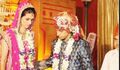
Ashish Nehra with his wife
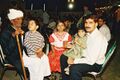
A group of Nehra Jats
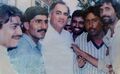
Rajiv Gandhi in Harsawa, Sanjay Singh Nehra seen on left and Vidyadhar Nehra in right
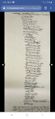
Nehra Vanshawli


![[1]](http://dsal.uchicago.edu/reference/gazetteer/pager.html?objectid=DS405.1.I34_V14_170.gif)
References
- ↑ Jat History Dalip Singh Ahlawat/Parishisht-I, s.n. न-51
- ↑ O.S.Tugania:Jat Samuday ke Pramukh Adhar Bindu,p.46,s.n. 1372
- ↑ B S Dahiya:Jats the Ancient Rulers (A clan study), p.241, s.n.159
- ↑ Jat Varna Mimansa (1910) by Pandit Amichandra Sharma,p. 56
- ↑ Jat History Dalip Singh Ahlawat/Parishisht-I, s.n. न-57
- ↑ O.S.Tugania:Jat Samuday ke Pramukh Adhar Bindu,p.46,s.n. 1372
- ↑ Jat History Dalip Singh Ahlawat/Parishisht-I, s.n. न-22
- ↑ Ram Swarup Joon: History of the Jats/Chapter V,p. 95-96
- ↑ An Inquiry Into the Ethnography of Afghanistan, H. W. Bellew, p.172
- ↑ Mahendra Singh Arya et al: Adhunik Jat Itihas, p.261,s.n. 83
- ↑ Ram Swarup Joon: History of the Jats/Chapter V,p. 95-96
- ↑ Bhim Singh Dahiya: Jats the Ancient Rulers, p.266
- ↑ Jat History Thakur Deshraj/Chapter V, p.143
- ↑ Bhim Singh Dahiya:Jats the Ancient Rulers (A clan study)/Porus and the Mauryas, p.168,s.n.21
- ↑ Natural History by Pliny Book VI/Chapter 30
- ↑ Natural History by Pliny Book VI/Chapter 23
- ↑ Jat History Thakur Deshraj/Chapter V, p.143
- ↑ V S Agarwal, India as Known to Panini,p.434-435
- ↑ V. S. Agrawala: India as Known to Panini, 1953, p.444-445
- ↑ Ram Swarup Joon: History of the Jats/Chapter V,p. 95-96
- ↑ Jats the Ancient Rulers (A clan study)/Jat Clan in India,p. 266
- ↑ RAJAT, IV, ii.
- ↑ Bhim Singh Dahiya: Aryan Tribes and the Rig Veda, ( 1991) ,
- ↑ Megasthenes-Indika
- ↑ Thakur Deshraj, Jat Itihas p. 701.
- ↑ James Tod, Annals and Antiquities of Rajasthan
- ↑ James Tod, Annals and Antiquities of Rajasthan
- ↑ James Tod, Annals and Antiquities of Rajasthan, p. 141
- ↑ Thakur Deshraj, Jat Itihas pp.614-615.
- ↑ Thakur Deshraj, Jat Itihas, pp. 614-615.
- ↑ Mahendra Singh Arya et al: Adhunik Jat Itihas, p.261,s.n. 83
- ↑ Thakur Deshraj, Jat Itihas, pp. 614-615.
- ↑ Sahiram: Ek adhūrī krānti, Shekhawati kā kisān āndolan (1922-1952), page-8
- ↑ Thakur Deshraj, Jat Itihas ,pp. 614-615.
- ↑ Thakur Deshraj, Jat Itihas, pp. 614-615.
- ↑ Kunwar Panne Singh, Rankeshari Jujhar Singh
- ↑ Thakur Deshraj, Jat Itihas, pp, 614-615.
- ↑ Nainsi ki khyat, part 3, p.273-274
- ↑ Dr Pema Ram:Rajasthan Ke Jaton Ka Itihas, 2010, p.23
- ↑ Dasharatha Sharma: Early Chauhan Dynasties, Towns and Villages of Chauhan Dominions S.No.22.
- ↑ Jats the Ancient Rulers (A clan study)/Appendices/Appendix I,p.316-17
- ↑ A glossary of the Tribes and Castes of the Punjab and North-West Frontier Province By H.A. Rose Vol II/J,p.375-76
- ↑ Bhim Singh Dahiya: Jats the Ancient Rulers, p.233
- ↑ Epica Indica, Vol. IX, p. 74 ff
- ↑ Dasharatha Sharma:"Early Chauhan Dynasties", p.177
- ↑ op. cit. p. 534
- ↑ Bhim Singh Dahiya, Jats the Ancient Rulers ( A clan study), p. 288
- ↑ जाट वीरों का इतिहास: दलीप सिंह अहलावत, पृष्ठ.225-226
- ↑ Dr Ompal Singh Tugania: Jat Samuday ke Pramukh Adhar Bindu, p. 18
- ↑ Thakur Deshraj:Jat Jan Sewak, 1949, p.156
- ↑ Thakur Deshraj:Jat Jan Sewak, 1949, p.477
- ↑ Jat Samaj, Agra, June 2008, p.33
- ↑ Leadership in the Indian Army: Biographies of Twelve Soldiers By V K Singh, 2005, p.154
- ↑ Dhillon, Gurbaksh Singh (1998): From My Bones, New Delhi: Aryan Books International. ISBN 81-7305-148-8. p.62
- ↑ "Press Note" (PDF). Press Information Bureau of India - Archive. 28 May 1964.
Back to Jat Gotras /Jat Kingdoms in Ancient India
- Jat Gotras
- Gotras after Places
- Suryavanshi
- Rajasthan
- Haryana
- Uttar Pradesh
- Madhya Pradesh
- Delhi
- Punjab
- Jat History
- Jat History in Pakistan
- Jat History in Sindh
- Gotras in Sikar
- Gotras in Yamunanagar
- Gotras in Jhunjhunu
- Gotras in Churu
- Gotras in Bikaner
- Gotras in Barmer
- Gotras in Jaipur
- Gotras in Hanumangarh
- Gotras in Ganganagar
- Gotras in Nagaur
- Gotras in Pali
- Gotras in Chittorgarh
- Gotras in Tonk
- Gotras in Fatehabad
- Gotras in Hisar
- Gotras in Sirsa
- Gotras in Sonipat
- Gotras in Rohtak
- Gotras in Jind
- Gotras in Mansa
- Villages in Mansa
- Gotras in Sangrur
- Gotras in Patiala
- Villages in Sangrur
- Villages in Muktsar
- Gotras in Muzaffarnagar
- Gotras in Meerut
- Gotras in Ghaziabad
- Gotras in Hathras
- Gotras in Bulandshahr
- Gotras in Jodhpur
- Gotras in Mandsaur
- Gotras in Nimach
- Gotras in Ratlam
- Gotras in Gwalior
- Jat Kingdoms in Ancient India
- Chauhan History
- Ancient Jat Gotras