Raja Mahendra Pratap
| Author:Laxman Burdak, IFS (R) |

Raja Mahendra Pratap (1.12.1886-29. 4. 1979) was a freedom fighter, journalist, writer and revolutionary social reformist of India. was a revolutionary and a patriot with an ondomitable zeal for India's freedom. He was popularly known as Aryan Peshwa.
Contents
- 1 His Family
- 2 Genealogy of Raja Mahendra Pratap
- 3 Education and Career
- 4 Freedom movement
- 5 The provisional government of India in exile 1915
- 6 Back to India
- 7 Man of vision
- 8 Death
- 9 Postal Stamp
- 10 His assessment
- 11 Further reading
- 12 Books on Raja Mahendra Pratap
- 13 Articles on Raja Mahendra Pratap
- 14 राजा महेंद्र प्रताप का जीवन परिचय
- 15 वाजपेयी की जमानत जब्त करा दी थी इस 'जाट राजा' ने
- 16 राजा महेंद्र प्रताप जन्मोत्सव 1 दिसंबर पर एक विहंगम दृष्टि
- 17 राजा महेन्द्र प्रताप सिंह विश्व विद्यालय अलीगढ़ की आधार शिला रखी
- 18 External links
- 19 Gallery of Images
- 20 References
His Family
He was born in Thenua Jat gotra princely family of state of Mursan in Aligarh Janpad of Uttar Pradesh on 1st December 1886. He was third son of Raja Ghansyam Singh. Raja Harnarayan Singh of Hathras adopted him as son. He was married to Balbir Kaur a Sikh family of Jind princely state of Haryana in 1902 while studying in college.[1] His daughter Bhakti was born in 1909 and son Prem Pratap in 1912. Prem Mahavidyalay in Vrindavan was established after Prem Pratap. Raja Prem Pratap Singh had son Amar Pratap Singh who had two sons Charat Pratap Singh and Sharad Pratap Singh.
Genealogy of Raja Mahendra Pratap

Genealogy of Mursan rulers:
Makhan Singh → Nand Ram (r. 1645 -1695) → Jalkaran Singh → Kushal Singh → Puhap Singh → Bhagwant Singh → Tika Ram → Kunwar Kisan Pratap → Ghan Shyam Singh
Genealogy of Hathras rulers:
Makhan Singh → Nand Ram (r. 1645-1695) → Jai Singh → Badan Singh → Bhure Singh → Raja Daya Ram ( 1775-1841) → Thakrur Gobind Singh (1841-1861) → Raja Harnarain Singh (1861-1896) → Raja Mahendra Pratap Singh (1886-1979) → Raja Prem Pratap Singh (1913-1947) → Raja Amar Pratap Singh (b.1940)
Education and Career
Raja Mahendra Pratap got his education under British Headmasters and Muslim teachers all from Mohammedan Anglo Oriental College Aligarh founded by Sir Sayyed Ahmad Khan. With this background he shaped into a true representative of secular society. He donated land to Aligarh Muslim University.
He was an educationist who believed in vocational training for the youth. In 1909, he started a technical college at Vrindavan in Uttar Pradesh. To bring India at par with European Countries, Raja Mahendra Pratap established a free indigenous technical institute, Prem Mahavidyalaya in his palace at Vrindavan on May 24, 1909.
In 1907 Mehendra Pratap received control of his estate and left college without graduation he felt special attachment with M.A.O. College throughout his life.
Later in 1911 some M.A.O. College students of Aligarh in the leadership of Dr. Ansari went to offer their services to Turkey during the Balkan war. Mahendra Pratap also went there to join them.
In 1912 Raja Mahendra Pratap offered his services to Mr. Gokhle for going to South Africa and help Mahatma Gandhi in his campaign by getting himself arrested. Gokhle advised him not to go there but accepted donation of one thousand rupees for the purpose.
Raja Mahendra Pratap participated in Indian National Congress sessions in 1906 and 1910 held at session of Allahabad respectively. In the summer session of Allahabad he was in the reception committee. But his proposal to give the congress pandal for a few hours to hold All India Educational Conference later at the time of winter session of the congress in Allahabad in his own big tent for two days. However in the congress exhibition the articles made by the students of Prem Mahavidyalaya were highly appreciated and the student got Prizes.
In 1914 he also published Hindi translation of presidential addresses of All India National Congress. Raja Mahendra Pratap was not only a nationalist but also an inter nationalist of first order. In 1929, he started writing about the Concept of World Federation in the shape of a book at Moscow. He brought out his first monthly of World Federation in the September, 1929 from Berlin in Germany to givepublicity to his views and news in co nnection with his work of peace and world unity. He was of the firm view that in the present age of scientific advancement one federated government for the entire world has become a must not only for perpetual peace but also for the economic prosperity of the whole world. He was critical of the provisions provided for the monopoly of great powers in the Leagues of Nations formed in 1919 after the end of First World War. He was also against superiority of few nations and their domination of the international order. He stood for the establishment of World Federation based on equality of all races and states, His ideas found place in the United Nation‟s charter in 1949. But the founders of U.N. again preserved their monopoly and domination by making provisions for permanent membership and the veto power in Security Council.
This Executive Board later on took the form of Indian National Army (INA). When Japanese joined the Second World War on 8th December, 1941, Prime Minister, General Tojo asked Raja Mahendra Pratap to accompany Japanese army to attack British India. Raja Mahendra Pratap knew that Japanese had not honoured their word to make Manchu Kuo entirely free. They had not withdrawn their forces from Manchu Kuo. So, he did not agree to their plans which were in practice, on the lines of British Imperialism. He always stuck to his principles. Once he said: I am glad that I remained true to my principles. It is true, seek cooperation in every quarter. However, I insist on my own terms. It was not possible for such a person to follow the dictates of the Japanese army.
Raja Mahendra Pratap was very much against social evils especially untouchability. To eliminate this evil he dined with a Tamata family of Almora in 1911 and Mehtar family of Agra in 1912. He was influenced by the speeches of Dada Bhai Noroji, Bal Gangadhar Tilak, Maharaja Varoda, and Vipin Chandra Pal. The speeches of these great leaders made him a patriot who turned Swadeshi. He started the movement to burn the foreign made clothes in his state.
Freedom movement

He was a rare prince who voluntarily chose the path of a wandering pilgrim in quest of freedom of his motherland. Spurred by the conviction that freedom was not possible without revolutionary struggle and revolutionary struggle was not possible from within the country, he left India in 1914. He tried sincerely to liberate his motherland from British Raj. On 20th December 1914, at the age of 28, Raja Mahendra Pratap left India for European countries to liberate India from the clutches of the British colonial rule with outside support.
For the next three decades he relentlessly srtrived to arose the conscience of world community to help India free herself from the foreign yoke. In 1915, through Germany and Turkey, he made his way to Afghanistan. That year in Kabul, along with other Indian revolutionaries he established Provisional Government of Free India. He was the President and Maulana Barkatullah was the Prime Minister. On 1st December 1915, his 28th birthday, he established the first Provisional Government of India at Kabul in Afghanistan, during First World War. Anti-British forces supported his movement. Due to his revolutionary ideas he had good relation with Lenin. Lenin invited Raja Mahendra Pratap to Russia on its liberation and welcomed him. It was, however, an exercise tinged with disappointment and had a brief life. He had become a big menace for the foreign rule in India. The British Government of India declared a reward on his head, attached his entire estate and declared him a fugitive.
While in United States, he worked in cooperation with the Hindustan Ghadar Party. He was sent as their emissary to Tibet to organise a revolt against the British. In his wide-ranging travels spanning three decades and three continents, from America through Europe and Russia to China and Japan, he met with disappointment in his quest for foreign help in India's struggle for independence. As a result, he turned his energies to establishment of a world federation based on his belief in the essential unity of all religions and equality of all races. In his later life, he came under the spell of Mahatma Gandhi and accepted the Gandhian philosophy of non-violence. A frequent contributor to various Indian papers, he founded a monthly journal, the 'World Federation' in 1929.
He went to Japan in 1925. He published "World Federation Monthly Magazine" in 1929. Raja Mahendra Pratap tried his best to utilize the world war situations to free India. During Second World War he stayed at Tokyo in Japan and continued his movement from "World Federation Centre" to free India from British rule. He formed the Executive Board of India in Japan in 1940 during Second World War. At last the British government had to kneel to Raja Mahendra Pratap and he was permitted to come to India from Tokyo with respect.
The provisional government of India in exile 1915

The provisional government of India in exile was established in Kabul, Afghanistan in 1915. Raja Bahadur Mahendra Pratap Singh of Mursan princely Jat state in Western UP was the President of this government. The Amir officially never gave support to it but the Afghans were sympathetic and ignored its activities. Mahmud Tarzi, a great Afghan political figure translated and reproduced the seditious material written by this government and distributed among Afghans. Afghanistan only had internal autonomy at this stage. Raja Bhadaur Mahendra Pratap Singh of Hathras met German, Turkish and other leaders across the world during this period in Kabul (see photo). In 1919 under pressure from British, the Afghan government officially closed the activities of the provisional government. Later that year when Amanullah Khan became the Amir he declared Afghanistan' independence from the British.
Credit :- Sardar Inderjit Singh
Source - Jat Kshatriya Culture
Back to India
He returned to India after about 32 years by the "City of Paris" Ship and landed at Madras on 9th August 1946. On reaching India he immediately rushed to Vardha to meet Mahatma Gandhi.
There is another link between the Raja and Gandhi. In his newspaper Young India, Gandhi is said to have called the raja "a great patriot". "For the sake of the country this nobleman has chosen exile as his lot. He has given up his splendid property...for educational purposes. Prem Mahavidyalaya...is his creation," Gandhi wrote in 1929 (according to the Nobel Committee records). [2]
After independence also he continued his struggle for transfer of power to the common man. His vision was that the Panchayat Raj was the only tool, which will give the real power in the hands of people and will reduce corruption and bureaucratic hurdles. He was elected as Member of Parliament from 1952-1957 and 1957-1962 as an Independent candidate. He was president of Indian Freedom Fighters' Association. He was president of All India Jat Mahasabha also.
Man of vision
Raja Mahendra Pratap was a man of grand vision, who devoted his entire life to the service of mankind. This life-long revolutionary wanted to bring radical changes in the society and world order. His idea of World Federation was a revolutionary one where he treated entire world as a family. His view was that this idea would cut the expenditures on police and armed forces that can be used for the development of nations. Raja Mahendra Pratap was a dedicated journalist and a prolific writer who wrote a large number of books on varied topics.
Raja Mahendra Pratap was great patriot, who advocated love, peace and stability in Indian Society. He was a multi dimensional personality who played a number of roles for upliftment of Indian Society. He was a moralist, and educationist, a patriot, visionary and a social reformer. His mission was not confined only the freedom movement of India he did a lot of works for world unity by advocating trade between the neighboring and far of countries. From this view point he was an internationalist of first order. He also tried to support scientific advancement for a better future and prosperity of the world. He stood for establishment of world federation based on equality of all races. He also founded a world federation club in Japan and China. It shows that Mahendra Pratap was a Leader with a message for humanity.[3]
He was against imperialism because he thoughts imperialism to be a danger for world peace in his attitude he reflected great love for secularism and liberation. Thus we see that Mahendra Pratap was truly a great son of India with great zeal for India‟s freedom. His contribution to India‟s independence is second to none. He was a missionary who advocated his entire life for the service of mankind. He spoke about all the problems that we find in Indian Society at the present time. Evils like caste system dowry,unemployment and untouchability were in his agenda. He wanted the destruction of an amoral society and in place of it. He wanted the construction of a society. Where people should live with love, peace and harmony. [4]
Death
He passed away in New Delhi on 29 April 1979 at the age of 93 after a very eventful life.
Postal Stamp

Indian P & T Department salutes the memory of a revolutionary son of Mother India by issuing a commemorative postage stamp of 30 Paise denomination on the anniversary of Independence. Indian Postal Department issued the stamp on him on 15 August 1979.[5]
His assessment
Raja Mahendra Pratap's contribution to Indian history has not been properly assessed by the historians.
Raja Mahendra Prata was nominated for Nobel Prize for peace in 1932. The prize was not declared that year and the prize money was allocated to a Special Fund of this prize section and after a certain period the comments of Nobel Prize Committee were made public as under:
- "Pratap gave up his property for educational purposes, and he established a technical college at Brindaban. In 1913 he took part in Gandhi's campaign in South Africa. He travelled around the world to create awareness about the situation in Afghanistan and India. In 1925 he went on a mission to Tibet and met the Dalai Lama. He was primarily on an unofficial economic mission on behalf of Afghanistan, but he also wanted to expose the British brutalities in India. He called himself the servant of the powerless and weak." [6][7]
Thanks to Narendra Modi who remembered him in his speech delivered in the Parliament of Afghanistan on 25 December 2015:
- “Indians remember the support of Afghans for our freedom struggle; the contribution of Khan Abdul Gaffar Khan, revered as Frontier Gandhi; and, the important footnote of that history, when, exactly hundred years ago, the first Indian Government-in-Exile was formed in Kabul by Maharaja Mahendra Pratap and Maulana Barkatullah. King Amanullah once told the Maharaja that so long as India was not free, Afghanistan was not free in the right sense. Honourable Members, This is the spirit of brotherhood between us” [8]
Further reading
- Dr Vir Singh: My Life Story 1886-1979: Raja Mahendra Pratap Vol. 1, 1886-1941. 2004
- Dr Raj Pal Singh: Indian Revolutionary Freedom Fighters Abroad under publication.
- "Swatantrata Senani Raja Mahendra Pratap" - Vice President M. Hamid Ansari released a book titled "Swatantrata Senani Raja Mahendra Pratap" edited by Raghuvir Singh 'Arvind'. [9]
File:Raja Mahendra Pratap-1.jpeg|
Books on Raja Mahendra Pratap
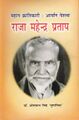
Book on Raja Mahendra Pratap by Dr Ompal Singh Tugania
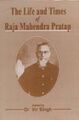
Book on Raja Mahendra Pratap by Dr. Vir Singh
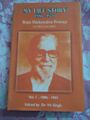
Book on Raja Mahendra Pratap by Dr. Vir Singh

राजा महेंद्र प्रताप - एक नजर में


Articles on Raja Mahendra Pratap
He had visited 21 countries of the world in his zeal to garner support for the Independence of India. He was hailed as Marco Polo of the world. He was also described Aryan Peshwa. He was nominated for Nobel Prize for peace. He had formed provisional government of Independent India, in exile at Kabul, during First World War. He had also formed first Azad Hind Fauj at Kabul during First World War. He was granted, a private audience, a rare honour, by the then Chancellor of Germany William Kaiser, before the outbreak of First World War. He was very cosmopolitan in his outlook.
He had granted sumptuous land for founding of Aligarh Muslim University. But it is very sorry to state that he has been obscured or rather ignored in the history and freedom movement of India by the successive governments since Independence of the country but amends still can be made. There is Canning Road in Delhi and there is Tolstoy road in Delhi but there is no Jat King Mahendra Pratap Road. He should be honoured and felicitated with “ Bharat Ratna” posthumously and a suitable memorial should be made in the heart of national capital of India:- Delhi.
Read more at Article by Krishan Chander Dhaka on Facebook Dated February 19, 2018
Krishan Chandra Dhaka ( IFS Retd.).
राजा महेंद्र प्रताप का जीवन परिचय
राजा महेंद्र प्रताप वो व्यक्ति थे जिन्होने देश के भावी प्रधानमंत्री अटल बिहारी बाजपेयी को चुनावों में धूल चटा दी, ये वो क्रांतिकारी थे जिन्होने 28 साल पहले वो काम कर दिया, जो नेताजी बोस ने 1943 में आकर किया। ये वो व्यक्ति है, जिसे गांधी की तरह ही नोबेल पुरस्कार के लिए नॉमिनेट किया गया और उन दोनों ही साल नोबेल पुरस्कार का ऐलान नहीं हुआ और पुरस्कार राशि स्पेशल फंड में बांट दी गई।
राजा महेंद्र प्रताप का सही से आकलन इतिहासकारों ने किया होता तो आज राजा को ही नहीं दुनिया हाथरस जिले को और उनकी रियासत मुरसान को भी उसी तरह से जानती, जैसे बाकी महापुरुषों के शहरों को जाना जाता है। आखिर कोई तो बात थी राजा में कि पीएम मोदी ने उदघाटन तो काबुल की संसद में अटल ब्लॉक का किया और तारीफ राजा महेंद्र प्रताप की की, वो भी तब जब राजा खुद को मार्क्सवादी कहते थे।
फ्रंटियर या सीमांत गांधी को जानने वाले आज लाखों मिल जाएंगे, लेकिन राजा महेंद्र प्रताप का नाम कितने लोग जानते हैं, मोदी ने सीमांत गांधी के साथ राजा महेंद्र प्रताप का नाम लिया और उनके और अफगानिस्तान के किंग के बीच की बातचीत को भाईचारे की भावना का प्रतीक बताया।
स्वदेशी आंदोलन: 1905 के स्वदेशी आंदोलन से वो इतना प्रभावित हुए कि अपने ससुर के मना करने के बावजूद वो 1906 के कांग्रेस के कोलकाता अधिवेशन में हिस्सा लेने चले गए। 19वीं सदी के पहले दशक में एक जाट और राजा के परिवार में कोई ऐसा सोचने की भी हिम्मत नहीं कर सकता था। फिर विदेशी वस्त्रों के खिलाफ अपनी रियासत में उन्होंने जबरदस्त अभियान चलाया।
बाद में उनको लगा कि देश में रहकर कुछ नहीं हो सकता। लाला हरदयाल, वीरेंद्रनाथ चट्टोपाध्याय, रास बिहारी बोस, श्याम जी कृष्ण वर्मा, अलग- अलग देशों से ब्रिटिश सरकार की गुलामी के खिलाफ उस वक्त भारत के लिए अभियान चला रहे थे। उस वक्त तक जर्मनी में रह रहे भारतीय क्रांतिकारी बर्लिन कमेटी बना चुके थे, प्रथम विश्वयुद्ध को वो एक मौका मान रहे थे, जब इंग्लैंड की विरोधी शक्तियों से हाथ मिलाकर भारत को गुलामी से मुक्ति दिलाई जा सके।
राजा महेंद्र का नाम तब तक इतना हो चुका था कि स्विट्जरलैंड में उनकी मौजूदगी की भनक लगते ही चट्टोपाध्याय ने लाला हरदयाल और श्याम जी कृष्ण वर्मा को उन्हें बर्लिन बुलाने को कहा। बाकायदा जर्मनी के विदेश मंत्रालय से कहा गया उन्हें बुलाने को। लेकिन राजा ने खुद जर्मनी के किंग से व्यक्तिगत तौर पर मिलने की इच्छा जताई, इधर जर्मनी के राजा भी उनसे मिलना चाहते थे, जर्मनी के राजा ने उन्हें 'ऑर्डर ऑफ दी रैड ईगल' (Order Of The Red Eagle) की उपाधि से सम्मानित किया। राजा जींद के दामाद थे और उन्होंने अफगानिस्तान की सीमा से भारत में घुसने के लिए पंजाब की फुलकियां स्टेट्स जींद, नाभा और पटियाला की रणनीतिक पोजीशन की उनसे चर्चा की।
जर्मन राजा से काफी भरोसा पाकर वो बर्लिन से चले आए। बर्लिन छोड़ने से पहले उन्होंने पोलैंड बॉर्डर पर सेना के कैंप में रहकर युद्ध की ट्रेनिंग भी ली। उसके बाद वो स्विट्जरलैंड, तुर्की, इजिप्ट में वहां के शासकों से ब्रिटिश सरकार के खिलाफ सपोर्ट मांगने गए, उसके बाद अफगानिस्तान पहुंचे। उन्हें लगा कि यहां रहकर वो भारत के सबसे करीब होंगे और ब्रिटिश सरकार के खिलाफ जंग यहां रहकर लड़ी जा सकती है।
आप जानकर हैरत में पड़ जाएंगे कि उस वक्त जब वो कई देश के राजाओं से अपने देश की आजादी के लिए मिल रहे थे, उनकी उम्र महज 28 साल थी और अगले 32 साल वो दुनिया भर की खाक ही छानते रहे..... दरबदर।
भारत की पहली निर्वासित सरकार: एक दिसंबर 1915 का दिन था, राजा महेंद्र प्रताप का जन्मदिन, उस दिन वो 28 साल के हुए थे। उन्होंने भारत से बाहर देश की पहली निर्वासित सरकार का गठन किया, बाद में सुभाष चंद्र बोस ने 28 साल बाद उन्हीं की तरह आजाद हिंद सरकार का गठन सिंगापुर में किया था। राजा महेंद्र प्रताप को उस सरकार का राष्ट्रपति बनाया गया यानी राज्य प्रमुख। मौलवी बरकतुल्लाह को राजा का प्रधानमंत्री घोषित किया गया और अबैदुल्लाह सिंधी को गृहमंत्री।
भोपाल के रहने वाले बरकतुल्लाह के नाम पर बाद में भोपाल में बरकतुल्लाह यूनीवर्सिटी खोली गई। राजा की इस काबुल सरकार ने बाकायदा ब्रिटिश सरकार के खिलाफ जेहाद का नारा दिया। लगभग हर देश में राजा की सरकार ने अपने राजदूत नियुक्त कर दिए, बाकायदा वो उन सरकारों से बतौर भारत के राजदूत मान्यता देने की बातचीत में जुट गए। लेकिन उस वक्त ना कोई बेहतर सैन्य रणनीति थी और ना ही उन्हें इस रिवोल्यूशरी आइडिया के लिए बोस जैसा समर्थन मिला और सरकार प्रतीकात्मक रह गई। लेकिन राजा की लड़ाई थमी नहीं उनकी जिंदगी तो हंगामाखेज थी।
दिलचस्प बात ये थी कि जिस साल में राजा ने भारत की पहली निर्वासित सरकार बनाई, उसी साल गांधी जी साउथ अफ्रीका से भारत वापस लौटे थे और प्रथम विश्व युद्ध के लिए भारतीयों को ब्रिटिश सेना में भर्ती करवा रहे थे, उन्हें भर्ती करने वाला सर्जेंट तक कहा गया था।
राजा के सिर पर ब्रिटिश सरकार ने इनाम रख दिया, रियासत अपने कब्जे में ले ली, और राजा को भगोड़ा घोषित कर दिया। राजा ने काफी परेशानी के दिन झेले। फिर उन्होंने जापान में जाकर एक मैगजीन शुरू की, जिसका नाम था वर्ल्ड फेडरेशन। लंबे समय तक इस मैगजीन के जरिए ब्रिटिश सरकार की क्रूरता को वो दुनिया भर के सामने लाते रहे। फिर दूसरे विश्व युद्ध के दौरान राजा ने फिर एक एक्जीक्यूटिव बोर्ड बनाया, ताकि ब्रिटिश सरकार को भारत छोड़ने के लिए मजूबर किया जा सके। लेकिन युद्ध खत्म होते-होते सरकार राजा की तरफ नरम हो गई थी, फिर आजादी होना भी तय मानी जाने लगी। राजा को भारत आने की इजाजत मिली। ठीक 32 साल बाद राजा भारत आए, 1946 में राजा मद्रास के समुद्र तट पर उतरे। वहां से वो घर नहीं गए, सीधे वर्धा पहुंचे गांधीजी से मिलने।
गांधीजी और राजा में अजीबो-गरीब रिश्ता था, बहुत कम लोगों को पता होगा कि हाथरस के इस राजा को नोबेल पुरस्कार के लिए नॉमिनेट किया गया था और एक तय वक्त के बाद नोबेल कमेटी के कमेंट्स को सार्वजनिक कर दिया जाता है।
सबसे खास बात थी कि नोबेल पुरस्कार समिति की इन्हीं लाइनों से ये पता चला कि वो गांधीजी के साउथ अफ्रीका वाले आंदोलन में भी हिस्सा लेने जा पहुंचे थे, इतना ही नहीं वो तिब्बत मिशन पर दलाई लामा से भी मिले थे। ऐसी इंटरनेशनल तबीयत के थे राजा महेंद्र प्रताप। उस साल किसी को भी नोबेल पुरस्कार नहीं दिया गया, सारी पुरस्कार राशि किसी स्पेशल फंड में दे दी गई। इसका गांधी कनेक्शन ये है कि बिलकुल ऐसा ही तब हुआ था, जब गांधीजी को 1948 में नोबेल पुरस्कार के लिए नॉमिनेट किया गया था, गांधीजी की हत्या होने के चलते बात आगे नहीं बढ़ी और उस साल भी नोबेल पुरस्कार के लिए किसी के नाम का ऐलान नहीं हुआ। सारा पैसा स्पेशल फंड में दे दिया गया।
नोबेल पुरस्कार समिति के कमेंट्स से ही पता चलता है कि गांधीजी ने एक बार राजा महेंद्र प्रताप की अपने अखबार यंग इंडिया में जमकर तारीफ की थी, गांधीजी ने लिखा था, “"For the sake of the country this nobleman has chosen exile as his lot. He has given up his splendid property...for educational purposes. Prem Mahavidyalaya...is his creation,"।
गांधीजी से उनके गहरे नाते की मिसाल देखिए, 32 साल बाद भारत आए तो सीधे उनसे मिलने जा पहुंचे, मद्रास से सीधे वर्धा। बावजूद इसके वो कांग्रेस में शामिल नहीं हुए। लेकिन उनकी हस्ती इस कदर बड़ी थी कि कांग्रेस तो कांग्रेस उस वक्त के जनसंघ के बड़े नेता और भावी पीएम अटल बिहारी वाजपेयी को भी लोकसभा के चुनावों में उन्होंने धूल चटा दी। वो 1952 में मथुरा से निर्दलीय सांसद बने और 1957 में फिर से अटल बिहारी वाजपेयी को हराकर निर्दलीय ही सांसद चुने गए। बिना किसी का अहसान लिए शान से राजा की तरह जीते रहे।
राजा महेंद्र प्रताप की उपलब्धियां यहीं कम नहीं होतीं, उनके खाते में भारत का पहला पॉलिटेक्निक कॉलेज भी है। अपने बेटे का नाम रखा उन्होंने प्रेम और वृंदावन में एक पॉलिटेक्निक कॉलेज खोला, जिसका नाम रखा प्रेम महाविद्यालय। राजा मॉर्डन एजुकेशन के हिमायती थे, तभी एएमयू के लिए भी जमीन दान कर दी।
देश की आजादी के बाद लोग मानते थे कि उनसे बेहतर कोई विदेश मंत्री नहीं हो सकता था, लेकिन उन्होंने किसी से कुछ मांगा नहीं और आमजन के लिए काम करते रहे। पंचायत राज कानूनों, किसानों और फ्रीडम फाइटर्स के लिए लड़ते रहे।
राजा जो भी काम करते थे, वो क्रांति के स्तर पर जाकर करते थे। हिंदू घराने में वो पैदा हुए थे, मुस्लिम संस्था में वो पढ़े थे, यूरोप में तमाम ईसाइयों से उनके गहरे रिश्ते थे, सिख धर्म मानने वाले परिवार से उनकी शादी हुई थी। लेकिन उनको लगता था मानव धर्म ही सबसे बड़ा धर्म है या सब धर्मों का सार ये है कि मानवीयता को, प्रेम को बढ़ावा मिलना चाहिए। राजा महेंद्र प्रताप ने तब वो कर डाला जो कभी मुगल बादशाह अकबर ने किया था, जैसे अकबर ने नया धर्म दीन ए इलाही चलाया था, वैसे भी राजा महेंद्र प्रताप ने भी एक नया धर्म शुरू कर दिया, प्रेम धर्म। इस धर्म के अनुयायियों का एक ही उद्देश्य था प्रेम से रहना, प्रेम बांटना और प्रेम भाईचारे का संदेश देना। हालांकि दीन ए इलाही की तरह प्रेम धर्म भी उसको चलाने वाले के साथ ही गुमनामी में खो गया।
राजा महेंद्र प्रताप भी उन्हीं तमाम चेहरों में से हैं, जिनका आजादी के बाद इतिहासकारों ने सही ढंग से मूल्यांकन नहीं किया। दुनिया भले ही नोबेल के लायक उनको मान ले, लेकिन सरकार उनकी जयंती तक मनाने लायक नहीं समझती आई और ये नाइंसाफी की मार केवल राजा महेंद्र प्रताप ने ही नहीं भुगती, उनके जिले हाथरस ने भी भुगती है।
वाजपेयी की जमानत जब्त करा दी थी इस 'जाट राजा' ने
राजा महेंद्र प्रताप ने ही अटल बिहारी बाजपेयी को 1957 के आम चुनाव में करारी शिकस्त दी थी। चुनावी दस्तावेजों को पलटें तो पता चलेगा कि 1957 के लोक सभा चुनावों में मथुरा लोकसभा सीट से राजा महेंद्र प्रताप सिंह ने चुनाव लड़ा था। इस चुनाव में लगभग 4 लाख 23 हजार 432 वोटर थे। जिसमें 55 फीसदी यानि लगभग 2 लाख 34 हजार 190 लोगों ने अपने मताधिकार का प्रयोग किया था। 55 फीसदी वोट उस वक्त पड़ना बड़ी बात होती थी। इस चुनाव में जीते निर्दलीय प्रत्याशी राजा महेंद्र प्रताप सिंह ने भारतीय जन संघ पार्टी के उम्मीदवार अटल बिहारी वाजपेयी की जमानत तक जब्त करा दी थी। क्योंकि नियमानुसार कुल वोटों का 1/6 वोट नहीं मिलने पर जमानत राशि जब्त हो जाती है। अटल बिहारी इस चुनाव में 1/6 से भी कम वोट मिले थे। जबकि राजा महेंद्र प्रताप को सर्वाधिक वोट मिले और वह विजयी हुए।[10]
राजा महेंद्र प्रताप जन्मोत्सव 1 दिसंबर पर एक विहंगम दृष्टि
“स्वतंत्रता संग्राम का दीवाना। भारत का प्रथम राजघराना।।”
भारत भूमि आदिकाल से ही समस्त भूमंडल को अपनी उर्वरा के द्वारा आलोकित करती रही है। इस धर्म प्रसूता वसुंधरा पर अनेक नायक, महानायक, लोकनायक हमारे प्रणेता रहे हैं। इसी ब्रजभूमि के मुरसान गांव में राजा घनश्याम सिंह की धर्मपत्नी माता दानकौर की कुक्षि (कोख) से एक बालक का जन्म हुआ। रानी दानकौर जन्म देते ही चल बसी। १ दिसम्बर १८८६ मुरसान महल में हर्ष एवं विशाद का दिन था। आगे चलकर यह बालक विश्वबन्धुत्व का महानायक आर्यन् पेशवा के नाम से लोकप्रिय हुआ। बालक के जन्म के समय राजा घनश्याम सिंह अवसाद में आ गए थे, परंतु आर्य विचारधारा के कारण अवसाद अधिक दिनों तक ठहर नहीं सका तथा उन्होंने बालक के लालन-पालन पर ध्यान केंद्रित किया।
“मेरी 50 वर्ष की यात्रा” पुस्तक में आर्यन् पेशवा राजा महेंद्र प्रताप लिखते हैं कि “एक विश्वसनीय नाई ( नापित) अभिभावक की भूमिका निभाता था। एक ब्राह्मण मुझे हिंदी पढ़ाने आता था तथा मौलवी मुझे फारसी पढ़ाने आता था। 8 वर्ष की आयु में एक पब्लिक स्कूल में प्रवेश लिया। परंतु इस स्कूल में मेरा मन नहीं लगा। फिर अलीगढ़ के प्रसिद्ध मोहम्डन कॉलेज (एंग्लो ओरिएंटल) कॉलेज जिसे माओ कॉलेज के नाम से जाना जाता था, में प्रवेश लिया। वहां मुझे दस सेवादार (नौकर) घेरे रहते थे। पांचवी कक्षा में मुझे श्री नियाज मोहम्मद ने खूब डंडों से पीटा। एक बार कक्षा छ: तथा एक बार एम•ए• में फेल हुआ। मैं बड़ा खर्चीला था। मेरे हेडमास्टर मि• मौस ने कहा था संभल कर खर्च करो नहीं तो एक दिन कंगाल हो जाओगे। बस इसी विचार ने मेरा मन मस्तिष्क बदल दिया और सादगी से रहने लगा। सन् १९०१ मैं पिताश्री की मृत्यु हो गई उस समय मेरी आयु मात्र १६ वर्ष थी। इसी वर्ष मेरा विवाह जीन्द रियासत के महाराजा रणवीर सिंह की छोटी बहिन बलवीर कौर से हुआ। सन् १९०७ में राजकाज के बोझ से बी•ए• की पढ़ाई बीच में छोड़ी। विद्यार्थी जीवन में राज परिवारों के राजकुमारों की संगत से शराब की भी लत पड़ गई थी परंतु आर्य समाज से प्रभावित होकर शराब को सन् १९१० ई• में सदैव को अलविदा किया।
सन् १९०९ में घर एक कन्या का जन्म हुआ। मैंने किसी ब्राह्मण को नहीं बुलाया। नामकरण संस्कार में ‘भक्ति’ नाम रखा। सन् १९१२ में एक पुत्र का जन्म हुआ उसका नामकरण संस्कार भी मैंने स्वयं किया। राजकुमार का नाम प्रेम प्रताप रखा। मैं स्वयं ब्राह्मणवादी आडंबरों और पाखंड के खिलाफ था।
१९०६ से १९१३ ईस्वी तक सारे देश का भ्रमण किया। सभी धार्मिक तीर्थ स्थलों पर भी शोषण होते देखा। इस भ्रमण से भारत भूमंडल को नजदीकी से पढ़ने, समझने का अवसर मिला। भारत की गरीबी, रूढ़िवादिता, जात-पात, छुआ-छात, ऊंच-नीच, छोटा-बड़ा तथा अंग्रेजों के शासन का कुचक्र भी देखा किस प्रकार भारतीयों से घृणा का व्यवहार होता था। धर्म के ठेकेदार,पंडा पुजारी भी अपने कुचक्र से आम जनता का शोषण कर अपने मकड़जाल में फंसाए हुए थे। एक बार द्वारिका मंदिर में जात पूछने पर मैंने अपने को भंगी बता दिया ,तब मुझे मंदिर में घुसने नहीं दिया। उस समय मैं बड़ौदा नरेश के रियासती डाक बंगले में ठहरा हुआ था। असलियत का पता लगने पर पुजारियों ने आकर डाक बंगले पर माफी मांगी। अब राजा मंदिर नहीं जायेगा
जहां ऐसे पाखंडी बैठे हैं। मैं वहां जीवन भर नहीं गया।” उन्होंने इस वचन को अंतिम श्वांस तक निभाया। यहीं से उनके मन में विश्वबन्धुत्व ,विश्व समाज, संसार संघ (यू•एन•ओ) की ज्वाला उत्पन्न हुई। उस समय उनकी आयु लगभग २६ वर्ष थी।
१७ अगस्त १९०७ से १७ दिसंबर १९०७ चार माह अपनी नवविवाहिता पत्नी रानी बलवीर कौर के साथ विभिन्न देशों जैसे मारसौली, जिनेवा,वेनिस,फियूस बुडोपेस्ट, वियना, बर्लिन, पेरिस, लंदन,न्यूयॉर्क, वॉशिंगटन ,फिलाडेलफिया, मान्द्रिपाल, क्यूबैक,ओटावा,टोरन्टो,नियाग्रा फॉल्स, बैकुवर, विक्टोरिया आदि अनेकानेक स्थानों का दौरा कर भारत से तुलना की। राजा ने विचार किया कि भारत क्या था? क्या हो गया है? क्या बन गया है? टोरन्टो के एक कस्टम अधिकारी ने राजा से वार्तालाप कर कहा कि आपकी और आपके भारत की फिलोस्फी तो इतनी ऊंची है फिर भी आपकी फिलोस्फी भारत को गुलामी से नहीं बचा सकी। उस अधिकारी का यह वाक्य उनकी छाती में सदा के लिए गढ़ गया।
यही से उन्होंने अपने देश को आजाद करने का प्रण लिया और सारा जीवन इसी में खपा दिया। रानी बलवीर कौर ने यूरोप यात्रा के दौरान भारतीय शैली (परिधान) को अपनाकर भारतीयता की अमिट छाप छोड़ी।
विदेशी दौरे से राजा साहब को यह शिक्षा मिली कि भारतवर्ष से अंग्रेजों ने तकनीकी शिक्षा समाप्त कर दी है जो पूरे विश्व में शिरोमणि थी। भारत लौटने पर प्रेम महाविद्यालय की नीव सन् १९०९ में रखी। २४ अगस्त १९०९ से कक्षाएं नियमित चलने लगीं। महेशचन्द्र सिन्हा प्रथम प्रधानाचार्य थे। संस्था सोसायटी एक्ट १८६० के अंतर्गत २९ जुलाई १९१० को पंजीकरण कराकर ३३ हजार का दान दिया। बाद में पं• मदन मोहन मालवीय के परामर्श से संस्था को अपनी आधी जायदाद का दान कर दिया। यह भारत का प्रथम तकनीकी संस्थान है जो वृन्दावन में अपने 128 वर्ष पूरे कर तकनीक तीर्थ स्थल का साक्षी है। महात्मा गांधी, जवाहरलाल नेहरू, शिव वर्मा, आजाद शुभानी, सी•एफ• एंड्रयूज,मदन मोहन मालवीय जैसे लोग भी इस पर गर्व करते थे।
सन् १९१२ में आर्यन् पेशवा राजा महेंद्र प्रताप अपने शिष्ट मंडल के साथ तकनीकी अनुभव प्राप्त करने के लिए इंग्लैंड के विभिन्न शहरों लंदन, एडिनबर्ग, पेरिस, ग्लास्गो, बर्लिन, ज्यूसित, वर्मिंघम, लीड्स, शेफिल, वयानगेस्टर आदि स्थानों का गहराई से अध्ययन किया। फ्रेन्च भाषा को पेरिस में ही सीख लिया था। आप बर्लिन पेरिस, अफगानिस्तान, टर्की होते हुए भारत पहुंचे।
ब्रिटिश साम्राज्य को आर्यन् पेशवा ने चुनौती के रूप में स्वीकार किया। प्रत्येक देश की जनता अंग्रेजों से छुटकारा चाहती थी। अतः आजादी की लड़ाई में कूदने का दृढ़ संकल्प लेकर १९०६ में स्वतंत्रता संग्राम में कूद पड़े। १९०६ में कांग्रेस का वार्षिक अधिवेशन कोलकाता में हो रहा था। दादा भाई नौरौजी इसकी अध्यक्षता कर रहे थे। इस सम्मेलन में वे भाग लेने के लिए संगरूर से कोलकाता गए। उस समय जींद रियासत के महाराजा रणवीर सिंह ने कहा कि हम रियासतों को अंग्रेजों के विरुद्ध नहीं जाना चाहिए। इस पर आर्यन् पेशवा राजा महेंद्र प्रताप ने कहा कि आपको अपनी रियासतों की चिंता है मुझे गुलाम राष्ट्र में जीना मुश्किल हो रहा है। राजनीति में प्रवेश किए बिना अपने लक्ष्य तक नहीं पहुंच सकते। कोलकाता अधिवेशन में राजा साहब ने दादाभाई नौरोजी, विपिनचन्द्र पाल, लोकमान्य तिलक, लाजपत राय और बड़ौदा के महाराज सयाजीराव गायकवाड से विचार सुनकर और मन की उथल-पुथल ने सक्रिय राजनीति से जोड़ दिया।
यहीं से राजा साहब की कांग्रेस के बड़े नेताओं में गिनती होने लगी। १९१० में प्रयागराज (इलाहाबाद) आनन्द भवन में शिक्षा के अधिकार का प्रस्ताव सबके लिए रखा। वे भारत में एक समान सर्व शिक्षा अभियान चलाना चाहते थे, पर उस समय कामयाब नहीं हुए परंतु इस विचार से बड़े नेताओं में उनका कद बढ़ गया। राजा साहब जात पात के खिलाफ थे। उनका मानना था कि “जात पात अशिक्षा हमारे कट्टर दुश्मन हैं, हम सब एक हैं कोई छूत अछूत नहीं”। राजा साहब ने अफ्रीका जाने की अनुमति श्री गोपाल कृष्ण गोखले से मांगी तो गोखले जी ने कहा कि राजा साहब उत्तरी भारत में स्वेच्छा से संघर्ष करने को क्या लोग तैयार हैं? इस पर राजा साहब ने उत्तरी भारत से ही आजादी की अलख जगाने का संकल्प लिया।
राजा महेंद्र प्रताप शिक्षा एवं नारी शिक्षा के माध्यम से आंदोलन को आगे बढ़ाना चाहते थे। शिक्षा से ही देश प्रेम होगा अतः महिलाओं को शिक्षित करना जरूरी है। 15 अगस्त १९१४ में प्रेम महाविद्यालय का वार्षिक सम्मेलन हुआ जिसकी अध्यक्षता आर्यन् पेशवा के मित्र आगरा के कमिश्नर मि• डैंपियर ने की। मथुरा के डीएम (कलेक्टर) भी बुलाए गए। आर्यन् पेशवा महेंद्र प्रताप जी ने अपने समापन भाषण में कहा – “हम अन्याय को गद्दी से उतार कर न्याय को बिठायेंगे”। इस प्रकार के कथन को सुनकर उनके मित्र कमिश्नर मि• डैंपियर ने नाराजगी जाहिर करते हुए कहा कि यह भाषण अंग्रेजो के खिलाफ है। इस पर मिस्टर डैंपियर कमिश्नर को राजा साहब ने दो टूक जवाब दिया कि “मैं अंग्रेजी राज्य का भुरता बना दूंगा।” इस प्रकार राजा साहब अंग्रेजो के खिलाफ आग उगलने वाले प्रथम महारथी बन गए।
वे अब अंग्रेजों की आंखों में खटकने लगे। उनके क्रांतिकारी विचारों को समाचार पत्रों में निकाला जाने लगा। एक संपादक और पत्रकार बुलाकीराम “कॉस्मापॉलिटन” नामक पत्रिका में राजा साहब के आजादी के विचारों को प्रथम पृष्ठ पर छापने लगे। स्वयं राजा साहब ने भी प्रेम नामक समाचार पत्र भी निकालना प्रारंभ किया इससे आजादी की चिंगारी और सुलगने लगी।
अब अंग्रेज सरकार राजा महेंद्र प्रताप को भी देशद्रोह का आरोप लगाकर जेल में सड़ाना चाहती थी। राजा साहब ब्रिटिश सरकार की चालबाजी से परिचित थे। वे जेल में सड़ने की बजाय बाहर रहकर भारत की आजादी की लड़ाई लड़ना चाहते थे। उन्हें ब्रिटिश सरकार फूटी आंख नहीं सुहाती थी। प्रथम विश्व युद्ध प्रारंभ हुआ। इंग्लैंड ने जर्मन पर आक्रमण कर दिया। वैसे इंग्लैंड और जर्मन में ममेरे फुफेरों का राज्य था। राजा के दोनों ही शत्रु थे पर राजा ने जर्मन का साथ देने की घोषणा कर दी। २० अगस्त १९१४ को रात १०:०० बजे अपनी पत्नी को रोते बिलखते छोड़ कर (धर्म नामक बंग्ले से) विदा हुए। उनकी ५ वर्षीय पुत्री ‘भक्ति’ ने यह नजारा देखा। प्रेम महाविद्यालय को सेठ नारायणदास बी•ए•, कु• हुकम सिंह एवं स्वामी श्रद्धानंद के पुत्र हरीशचंद्र को सौंप कर देहरादून होते हुए बम्बई पहुंचे। राजा साहब बम्बई से लंदन कूच कर गए लेकिन हवाई जहाज का टिकट नहीं था।
लंदन से आर्यन् पेशवा जिनेवा पहुंचे। वहां क्रांतिकारी श्यामजी कृष्ण वर्मा ने गर्मजोशी से उनका स्वागत किया। राजा साहब ने लाला हरदयाल एम•ए• से भेंट की और जर्मन के शासक चांसलर कैसर से मिलने गए। जिनेवा में सरोजिनी नायडू के भाई चट्टोपाध्याय के घर ठहरे व देश की आजादी पर विचार किया। १० फरवरी १९१५ में दोनों बर्लिन पहुंचे। जर्मन के चांसलर ने आर्यन् पेशवा के कहने पर भारत के समस्त राजाओं को पत्र लिखा कि “लुटेरे अंग्रेजो के खिलाफ देसी रियासतों के राजा सब लामबंद हो जाओ।” जर्मन ने भारत का साथ देने का वायदा किया और चांसलर ने राजा साहब को डेढ़ लाख रुपए देकर अफगानिस्तान भेजा। शिकागो, बुल्गारिया होते हुए कभी पैदल, कहीं ऊंट, घोड़ा तथा रेल मार्ग से सफर तय किया। इराक, ईरान होते हुए २ अक्टूबर १९१५ को काबुल में प्रवेश किया। अफगानिस्तान कभी भारत का राज्य हुआ करता था। वहां हमारा खून का रिश्ता है।
१ दिसंबर १९१५ को राजा साहब ने अस्थाई हिन्द सरकार की स्थापना कर कहा “आज अपने भारतवर्ष के पुराने राज्य से जिसकी राजधानी काबुल है अस्थाई हिन्द सरकार के गठन का प्रस्ताव रखता हूं। आज बारह सौ वर्ष से गुलामी के जुए को फेंकते हुए पहली सरकार बनाएं जो दुष्ट दमनकारी अंग्रेजों को भारत से
खदेड़ने के लिए विश्व स्तर पर भारत का प्रतिनिधित्व करेगी। आजादी मिलने के बाद यह सरकार प्रतिनिधि दिल्ली में एक स्थाई लोकतांत्रिक सरकार का गठन करेगी।” उपस्थित समूह ने सर्वसम्मति से हाथ उठाकर समर्थन किया। अस्थाई हिन्द सरकार के आर्यन् पेशवा राजा महेंद्र प्रताप राष्ट्रपति चुने गए और राष्ट्रपति ने अपना मंत्रिमंडल चुना। अफगानिस्तान के साथ जम्मू कश्मीर के राजा हरीसिंह तथा नाभा स्टेट ने मान्यता दे दी। साथ ही अफगानिस्तान बादशाह हबीबुल्ला ने पचास हजार अफरीदी जाटों की सेना का गठन कर राजा को सौंप दी। राजा साहब ने इस सेना का नाम “विश्व सेना” रखा। यह खबर विश्व में आग की तरह फैल गई। भारतीय राष्ट्रीय कांग्रेस को इससे सदमा लगा। सारे विश्व में हड़कंप मच गया क्योंकि अंग्रेजों के राज्य में सूरज नहीं छिपता था। अब आर्यन् पेशवा राष्ट्रीय नहीं, अन्तरराष्ट्रीय नेता बन चुके थे। अंग्रेज किसी भी प्रकार महेंद्र प्रताप को गिरफ्तार करना चाहते थे। इस दौरान राजा साहब ने रूस से भी संधि कर ली। उन पर पूरा खर्च अफगान सरकार कर रही थी इसी कारण अंग्रेजों ने
१९१९ में अफगानिस्तान पर युद्ध थोप दिया। इस युद्ध में राजा साहब की “विश्व सेना” ने अफगानिस्तान की भारी मदद की और अंग्रेजों को जनधन की बहुत हानि हुई। राजा साहब अब तक नेपाल से भी संधि कर चुके थे। तुर्की के अकाल समय में राजा ने अफगान एवं ताशकंद (रूस) से सहायता दिलाई। बाद में स्विट्जरलैंड के विदेश मंत्री ‘मौथ’ से मिले। वहां भी मित्रता कर आश्वस्त हुए फिर जापान पहुंचे। जापान के शहर याकोहामा में रासबिहारी बोस से भेंट हुई। जापान के लोगों ने “मार्को पोलो” की उपाधि से अलंकृत किया। साथ ही बताया कि जापान भी आपके जम्बूद्वीप का एक भाग है क्योंकि संपूर्ण एशियाई देशों को वैदिक काल में जम्बूद्वीपे भरतखण्डे आर्यावर्त…….. परिसर में माना गया है।
जापान से राजा साहब चीन पहुंचे। वहां चीन की संसद को संबोधित कर प्रथम भारतीय बने। यह भाषण विश्व की सभी भाषाओं में छपा। इस भाषण से पूरे विश्व में आर्यन् पेशवा की धाक जम गई। अंग्रेजी करतूतों से सावधान रहते हुए पुनः जापान लौट आए। राजा साहब ने १९२२ में अफगान के बादशाह के सहयोग से “आजाद हिंद फौज” का गठन किया। बाद में इसी आजाद हिन्द फौज को रासबिहारी बोस ने चलाया। जिसे बाद में सुभाष चंद्र बोस ने पुनर्गठित कर संवारा और निखारा था। इसी सेना ने भारत की आजादी में महत्वपूर्ण भूमिका निभाई थी।
राजा साहब जापान से मंगोलिया फिर चीन पहुंचकर रूस का वीजा प्राप्त कर २१ जून १९२३ में रूस की सीमा में प्रवेश किया। १ जनवरी १९२५ को न्यूयॉर्क पहुंचे। ६ नवंबर १९२५ को तिब्बत में प्रवेश किया। राजा साहब तिब्बत को स्वर्ण भूमि, सृष्टि की उत्पत्ति, आर्य ग्रंथों के आधार मानते थे। तिब्बत अब बौद्ध की धरती, एशिया की धड़कन एवं संसार की छत है। १५ जुलाई १९२७ को सीलोन (लंका) पहुंच कर एक सेमिनार में छात्रों को संबोधित करते हुए कहा कि “अधिकार गिड़गिड़ा ने से नहीं मिलते उनके लिए कुर्बानी देनी पड़ती है। अधिकार छीने जाते हैं। एक दिन अंग्रेज भागते नजर आएंगे आप देख सकेंगे”। इसी दौरान १ सितंबर १९२९ को बर्लिन में “संसार संघ” की नींव रखी एवं राजा साहब ने तीन प्रस्ताव रखे (१) मेरा मानव धर्म है (२) सब सरकारें संकुचित विचार छोड़ें (३) सभी शिक्षित हो, नारी की शिक्षा के बिना उन्नति संभव नहीं है।
इसी दौरान न्यूयॉर्क में उनकी भेंट कर्नल इमरसन से हुई। इमरसन ने राजा को एशिया मैगजीन के संपादक से मिलवाया उसमें राजा साहब के लेख छपने लगे। इन लेखों ने आर्यन पेशवा को संसार संघ (यू.एन.ओ) का बेताज बादशाह बना दिया।
एक बार संसार संघ के बारे में राजा साहब ने बोलते हुए कहा कि “संसार संघ का विचार ब्रज क्षेत्र में जन्मा, ईरान की राजधानी तेहरान में विचार ने मूर्त रूप लिया”। मास्को में राजा साहब ने लिखित रूप धारण किया और प्रचार प्रसार बर्लिन से हुआ। राजा साहब ने आगे कहा “मैं एक ऐसा स्वतंत्र एवं किस्मत का खुद फैसला करने वाला आर्यन् देश चाहता हूं जिसमें हिंदू, मुस्लिम, ईसाई इत्यादि सब मिलकर रहें। विश्व की एक राजधानी हो और एक सरकार। सारी दुनिया को राज्यों में बांटा जाए। संपूर्ण एशिया एक आर्यन् स्टेट होगी जिसमें भारत, चीन, तिब्बत, मंगोलिया, ईरान, ईराक, अफगान आदि समस्त देश आर्यन् होंगे”।
राजा साहब आगे लिखते हैं कि “गांधी और उसके पिछलग्गुओं ने इस सशस्त्र क्रांति का विरोध कर अंग्रेजों का साथ दिया है”। ०६ एवं ०९ अगस्त १९४५ की बम्ब घटना ने युद्ध का पासा पलट दिया और राजा साहब को अमेरिका ने जापान का समर्थक मानकर सुगानो जेल में डाल दिया।
इनकी पुत्री ‘भक्ति’ ने सारा जीवन विवाह नहीं किया क्योंकि विवाह की योग्यता के समय राजा विदेशों में रह कर आजादी को संघर्ष कर रहे थे और भक्ति देवी ने प्रण कर रखा था कि “जब तक पिताजी नहीं लौटेंगे मैं विवाह नहीं करूंगी” । १४ फरवरी १९४६ को अमेरिका ने राजा साहब को सुगानो जेल से रिहा किया। लगभग ३२ वर्ष बाद आर्यन् पेशवा ने भारत भूमि पर पग रखे तब तक भक्ति देवी की आयु विवाह की योग्यता से निकल चुकी थी। यह एक नारी का राष्ट्र की स्वतंत्रता के योगदान में कितना बड़ा तप था ऐसी मिसालें भारत में ही नहीं विश्व में भी ढूंढने से नहीं मिलती। ९ अगस्त १९४६ को भारत में लगभग ३२ वर्ष के निष्कासन के बाद वृंदावन पहुंच कर अपने पहले भाषण में कहा था “जब एक भारतीय नौजवान इंग्लैंड में जाकर भरी सभा में जनरल डायर को सरेआम गोलियों से भून सकता है तो यहां अंग्रेज कैसे राज कर सकते हैं। २४ घंटे में दीनबंधु सर छोटूराम की चेतावनी से जिन्ना पंजाब से भाग सकता है तो मुस्लिम लीग पाकिस्तान कैसे बनवा सकती है। मैं ब्रिटिश सेना के सैनिकों से कहता हूं कि ब्रिटिश आदेशों का हुकुम ना माने, ब्रिटिश साम्राज्य का अंत निकट है। गोरी चमड़ी वाले अंग्रेजों को जाना ही होगा। उन्हें याद रखना चाहिए कि उनका सामना मुरसान नरेश महेंद्र प्रताप से है अतः चुपचाप चले जाने में भलाई है”। उन्होंने नारा दिया दिल्ली पकड़ो आगे बढ़ो। आजादी हमारा जन्मसिद्ध अधिकार है।
१९५६ में मुरसान नरेश राजा महेंद्र प्रताप ने मथुरा से लोकसभा का चुनाव लड़ा। पूर्व प्रधानमंत्री स्व• अटल बिहारी एवं कांग्रेस के दिग्गज जाट नेता दिगम्बर सिंह को चुनावों में ऐसी पटखनी दी कि अटल बिहारी वाजपेयी की जमानत भी जब्त हो गई। उनका दिल्ली पकड़ो का स्वप्न पूरा हुआ।
आर्यन पेशवा महेंद्र प्रताप की भारतीय स्वतंत्रता आंदोलन में कितनी महती भूमिका है यह तो पाठक एवं सुधी श्रोता ही निर्णय करेंगे। लेकिन गोरों को तो छोड़ो, सत्ता की मलाई खाने वालों में ऐसे अनेक महामहिमों की आज भी उपेक्षा हो रही है। वर्तमान सृष्टि में सर्वाधिक अज्ञातवास राजा साहब का रहा है। संसार का प्रथम राजा जिसने अपनी संपूर्ण संपत्ति तकनीकी शिक्षा प्रेम महाविद्यालय को दान में दी। यह सब आर्य संस्कृति से प्रभावित होकर न्योछावर किया। वे हिन्दू के स्थान पर आर्यन् राष्ट्र का सपना साकार करना चाहते थे। ऐसे क्रांतिकारी आर्यन् पेशवा राजा महेंद्र प्रताप २९ अप्रैल १९७९ को स्वर्ग यात्रा को प्रस्थान कर राष्ट्र भावना की प्रेरणा के अद्भुत देवदूत बन गये थे।
विशेष प्रसंग
१. देश के बंटवारे पर राजा साहब ने महात्मा गांधी को खूब फटकारा। दो अंग्रेज अधिकारी विल जॉनसन एवं कायल जॉनसन लिखते हैं कि राजा साहब देश के बंटवारे के कट्टर विरोधी थे। वे कहते थे कि इन नेताओं का कुछ नहीं बिगड़ेगा, नागरिकों का खून बहता रहेगा और सीमा पर लाशें गिरती रहेंगी। गांधी, नेहरू को डर था कि राजा साहब कहीं अस्थाई हिन्द सरकार को स्थाई हिन्द सरकार में ना बदल दें। एशिया के अनेक देश राजा को सरकार बनाने की मान्यता दे सकते हैं ऐसे में मेरी प्रधानमंत्री की कुर्सी खिसकने में देर नहीं लगेगी।
२. देश स्वतंत्र होने के बाद पाक राष्ट्रपति एवं प्रधानमंत्री ने कराची में एक विशाल भोज का आयोजन किया। इसमें राजा साहब को सादर आमंत्रित किया। भोज में एक मुसलमान मंत्री ने कहा कि राजा साहब आप तो पाकिस्तान को मिटाना चाहते थे। इससे पहले राजा साहब कुछ कहते वहां के प्रधानमंत्री लियाकत खां बोल उठे कि “राजा साहब तो हिंदुस्तान को भी मिटाने की बात करते हैं वे तो आर्यन् देश बनाना चाहते हैं। भई हम तो उनकी योजना पर खुश हैं। राजा साहब नेहरू को मना लें, मैं आपकी योजना पर हस्ताक्षर कर दूंगा”। राजा साहब ने नेहरू से दोनों देशों को एक करने की सलाह दी तो नेहरू ने कहा कि राजा साहब जैसे तैसे इनसे पीछा छूटा है इन्हें फिर से मत मिलाओ। इस पर राजा साहब ने नेहरू से स्पष्ट कहा कि “आपकी हठधर्मी भविष्य में खतरनाक सिद्ध होगी। जब तक पाकिस्तान है बर्बादी होती रहेगी।” स्वतंत्रता आंदोलन के समस्त प्रथम पंक्ति के नेताओं की गांधी एवं नेहरू के सामने हैसियत इतनी बोनी हो गई थी कि सब तमाशबीन बनकर रह गए थे। चिंतन करने का विषय है कि आर्यन् पेशवा ने आर्यन् राष्ट्र की बात सोच समझ कर रखी थी कि विश्व का मुसलमान अपने को हिन्दू ना कहकर आर्यन् होने में अपना स्वाभिमान समझता है। क्योंकि उनके शब्दकोश में हिन्दू का अर्थ काफिर, चोर, लुटेरा है और आर्य ही श्रेष्ठ है। अतः वर्तमान नेताओं को चिंतन करने का शुभावसर है कि राजा महेंद्र प्रताप का विचार समस्त भूमंडल को प्रेरणास्पद है। आदि ऋषि ब्रह्मा से लेकर गौतम, कपिल, कणाद, भृगु, श्रीराम, योगीराज कृष्ण,मदालसा, मैत्रेयी, गार्गी, अपाला, घोषा, सीता, सावित्री, अनुसूया, महर्षि वेदव्यास, जैमिनी पर्यंत सभी ने आर्य संस्कृति का संवर्धन किया है। इसे महर्षि दयानंद सरस्वती ने अपने कालजयी ग्रंथ “सत्यार्थ प्रकाश” में भी उद्धृत किया है।
“राष्ट्रपिता कौन महात्मा गांधी या राजा महेंद्र प्रताप” पुस्तक एवं उनके भाषण के अंश”
संकलन: गजेंद्र सिंह आर्य, राष्ट्रीय वैदिक प्रवक्ता, जलालपुर (अनूपशहर), बुलंदशहर, उत्तर प्रदेश – 203390 +91-9783897511
संदर्भ भारत ब्यूरो
राजा महेन्द्र प्रताप सिंह विश्व विद्यालय अलीगढ़ की आधार शिला रखी
दिनांक 14 सितम्बर 2021 दिन मंगलवार को माननीय प्रधानमंत्री श्री नरेन्द्र मोदी जी भारत सरकार ने माननीय मुख्य मंत्री उत्तर प्रदेश सरकार श्री योगी जी की उपस्थिति में राजा महेन्द्र प्रताप सिंह विश्व विद्यालय अलीगढ़ की आधार शिला रखी। प्रस्तावित लागत 100 करोड़ तथा निमार्ण अवधि लगभग 2 वर्ष निश्चित किया गया है ।
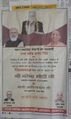

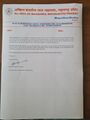
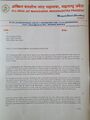
- Raja Mahendra Pratap University Aligarh-6.jpg


External links
- Royal profile of Raja Nahendra Pratap Singh
- Blog on Raja Mahendra Pratap
- Charat Pratap Singh on facebook
- Indiatoday,30.10.2017
- '3 surprising facts about Jat King at the centre of AMU row' by Sourabh Gupta, Indiatoday
- वाजपेयी की जमानत जब्त करा दी थी इस 'राजा' ने, अमर उजाला, अलीगढ़, 28 नवंबर 2014
- Article by Krishan Chander Dhaka on Facebook Dated February 19, 2018
Gallery of Images
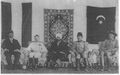
Raja Mahendra Pratap Singh (Great freedom fighter, centre), with (right to left) Maulavi Barkatullah, Werner Otto von Hentig, Kazim Bey, and Walter Röhr. Kabul, 1916. Source - Jat Kshatriya Culture
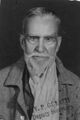
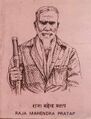
Raja Mahendra Pratap
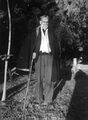
Raja Mahendra Pratap
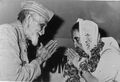
Raja Mahendra Pratap with Indira Gandhi
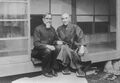
Raja Mahendra Pratap with a Monk in Japan
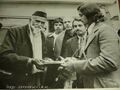
Raja Mahendra Pratap Singh of Hathras along with Maharaja Padam Singh Judeoo of Magrora
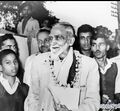
Aryan Peshwa Raja Mahendra Pratap Singh of Hathras
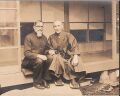
Raja Mahendra Pratap Singh with a Monk in Japan

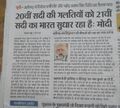
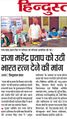
Jat Raja Ne Afghanistan Me Banai Sarkar
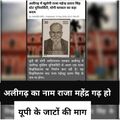
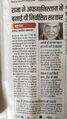
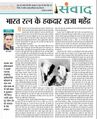
हिंदुस्तान समाचार पत्र, नई दिल्ली, दिनांक: 12 सितंबर, 2021
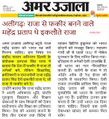
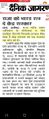
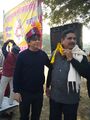
राजा चरत प्रताप सिंह प्रपौत्र स्व० राजा महेन्द्र प्रताप सिंह जी। (बाएं से पहले पगड़ी पहने हुए)

राजा चरत प्रताप सिंह प्रपौत्र स्व० राजा महेन्द्र प्रताप सिंह जी। (पगड़ी पहने हुए)
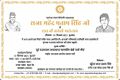
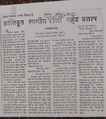
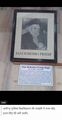
Raja Mahendra Pratap Portrait in Aligarh Muslim University
_Maulavi_Barkatullah,_Werner_Otto_von_Hentig,_Kazim_Bey,_and_Walter_R%C3%B6hr._Kabul,_1916..jpg)


References
- ↑ Life and Times of Raja Mahendra Pratap, Ed. by Dr Vir Singh, Delhi 2005, ISBN 81-88629-32-4, p.44
- ↑ '3 surprising facts about Jat King at the centre of AMU row' by Sourabh Gupta, Indiatoday
- ↑ The Role and Contribution of Raja Mahendra Pratap in Indian Freedom Movement
- ↑ The Role and Contribution of Raja Mahendra Pratap in Indian Freedom Movement
- ↑ Indian Post on Raja Mahendra Pratap
- ↑ '3 surprising facts about Jat King at the centre of AMU row' by Sourabh Gupta, Indiatoday
- ↑ इस जाट राजा ने नेताजी से 28 साल पहले बना ली थी 'आजाद हिंद' सरकार! नोबेल के लिए हुआ था नॉमिनेट
- ↑ इस जाट राजा ने नेताजी से 28 साल पहले बना ली थी 'आजाद हिंद' सरकार! नोबेल के लिए हुआ था नॉमिनेट
- ↑ Hamid Ansari releases book on Raja Mahendra Pratap, Financial Express, July 16, 2015
- ↑ वाजपेयी की जमानत जब्त करा दी थी इस 'राजा' ने, अमर उजाला, अलीगढ़, 28 नवंबर 2014
Back to The Leaders