Jat Reservation Movement

The Reservation of seats in Government Services and Admissions for Jats of India
The Jat community got reservations in Delhi, Rajasthan, Madhya Pradesh and Uttar Pradesh. The Jat community in Haryana also needs same status at par, with the Jat community of above states. Jats of Haryana are on war path for this purpose. There was launched a agitation in Haryana in March 2012 in which Sandeep Karwasra was killed in police firing. About 30 people lost life in Jat Reservation Movement in February 2016 in Haryana.
H. D. Deve Gowda's role in getting OBC status for Jats in Job Reservation is unparalleled. He constituted National Commission for Backward Classes and got recommendation in favour of Jats to include in OBC List.
Contents
- 1 केंद्रीय कैबिनेट ने जाट आरक्षण को दी मंजूरी
- 2 जाटों के लिए राज्यवार ओबीसी की केंद्रीय सूची में संशोधन
- 3 जाट आरक्षण आंदोलन पर पुस्तकें
- 4 Supreme Court scraps decision to include Jats in OBC category
- 5 Scrapping of the OBC status granted to the Jats and its counter
- 6 Central govt petitions SC to review ruling against Jat quotas
- 7 अन्य पिछडा वर्ग को प्राप्त आरक्षण की सुविधा जाटों को प्रदान
- 8 मध्य प्रदेश
- 9 राजस्थान
- 10 एससी, एसटी एवं ओबीसी भाईयों और मित्रों आपके लिये संदेश
- 11 Rajasthan was first state to extend OBC benefits to Jats in 1999
- 12 Jats of Bharatpur and Dholpur get OBC Reservation on 23.8.2017
- 13 Central List Of OBCs For The State Of Rajasthan
- 14 उत्तर प्रदेश
- 15 हरयाणा
- 16 Why Jats want a quota in Haryana
- 17 Government agrees for OBC status to Jats in Haryana
- 18 Martyrs of Jat Reservation movement in Haryana
- 19 Gallery of Martyrs of Jat Reservation movement in Haryana
- 20 Reservation is our constitutional right
- 21 Jat storm comes closer home
- 22 Discussion about OBC status in Haryana
- 23 आरक्षण अधिकार मंच राजस्थान बैठक 7 अप्रेल 2018
- 24 See also
- 25 External links
- 26 Gallery
- 27 Links of Jatland
- 28 References
केंद्रीय कैबिनेट ने जाट आरक्षण को दी मंजूरी
नई दिल्ली : सरकार ने जाट समुदाय को अन्य पिछडे वर्ग के कोटा के तहत आरक्षण को आज (2 मार्च 2014) मंजूरी दे दी। प्रधानमंत्री मनमोहन सिंह की अध्यक्षता में हुई केन्द्रीय मंत्रिमंडल की बैठक में इस आशय के प्रस्ताव को मंजूरी दी गई। चुनाव से ऐन पहले किये गये इस फैसले पर कांग्रेस ने हालांकि इन आरोपों से इनकार किया कि सरकार जाटों को लुभाने की कोशिश कर रही है। सूचना प्रसारण मंत्री मनीष तिवारी ने कहा कि हर चीज को चुनाव के लेंस से नहीं देखना चाहिए। ये मांग काफी लंबे समय से हो रही थी, जिसे कैबिनेट ने मंजूर किया है।
देश के नौ उत्तर भारतीय राज्यों में बसे जाट समुदाय के लोग लंबे समय से अन्य पिछडे वर्ग (ओबीसी) के तहत आरक्षण की मांग कर रहे थे। कई बार इसे लेकर हिंसक आंदोलन भी हुए। हरियाणा, दिल्ली, पश्चिमी उत्तर प्रदेश, पंजाब, राजस्थान, मध्य प्रदेश और देश के कुछ अन्य हिन्दी भाषी राज्यों में जाटों की उपस्थिति है। (एजेंसी)[1]
जाटों के लिए राज्यवार ओबीसी की केंद्रीय सूची में संशोधन
नई दिल्ली, 4 मार्च 2014 । केंद्रीय सरकार ने अपनी शक्तियों का प्रयोग करते हुए जाट आरक्षण के लिए नौ राज्यों और संघ राज्य क्षेत्रों के सम्बन्ध में अन्य पिछड़े वर्गों की केंद्रीय सूचियों का संशोधन 4 मार्च 2014 को सामाजिक न्याय और अधिकारिता मंत्रालय के संकल्प के राजपत्र में अधिसूचना क्रमांक फा. सं. 20012 /129/2009 -बीसी-2 दिनांक 4 मार्च 2014 से अधिसूचित किया है। यह प्रकाशन की दिनांक 4 मार्च 2014 से प्रभावी हो गया है। इसके अंतर्गत बिहार, गुजरात, हरियाणा, हिमाचल प्रदेश, मध्य प्रदेश, राजस्थान, उत्तराखंड, उत्तर प्रदेश, राष्ट्रीय राजधानी क्षेत्र दिल्ली से अन्य पिछड़े वर्गों की केंद्रीय सूची में जाटों को शामिल कर तदनुसार संशोधन किये गए हैं। राज्यवार जाट जाति का प्रविष्टि क्रमांक निम्नानुसार है।
| अनुक्रमांक | राज्य का नाम | पूर्व प्रविष्टि | वर्त्तमान प्रविष्टि |
|---|---|---|---|
| 1. | बिहार | 134-0 | 134-जाट |
| 2. | गुजरात | 28-जाट (मुस्लिम) | 28-जाट (मुस्लिम), जाट |
| 3. | हरियाणा | 75-0 | 75-जाट |
| 4. | हिमाचल प्रदेश | 55-0 | 55-जाट |
| 5. | मध्य प्रदेश | 67-0 | 67-जाट |
| 6. | राजस्थान | 58-जाट (धोलपुर और भरतपुर के अतिरिक्त) | 58-जाट |
| 7. | उत्तराखंड | 79-0 | 79-जाट |
| 8. | उत्तर प्रदेश | 77-0 | 77-जाट |
| 9. | राष्ट्रीय राजधानी क्षेत्र दिल्ली | 58-0 | 58-जाट |
सन्दर्भ: जाट समाज पत्रिका, आगरा - मार्च 2014 , पृ.30
जाट आरक्षण आंदोलन पर पुस्तकें

- जाट आरक्षण आंदोलन (तथ्यात्मक विश्लेषण), संपादक: शिशुपाल सिंह 'नारसरा', प्रकाशक: विवेक पब्लिशिंग हाऊस, धामाणी मार्केट, चौड़ा रास्ता, जयपुर-302003, वर्ष: 2001
Supreme Court scraps decision to include Jats in OBC category
March 17, 2015: Heeding to the NCBC’s report, the Supreme Court quashed the Centre’s decision to include Jats in OBC.
Scrapping of the OBC status granted to the Jats and its counter
The Jats drawn from different parts of the country organised a mammoth rally on 11th May 2015 at Janatar Mantar Delhi demanding OBC status for the community and have given Government of India time upto 25th September 2015 for issuance of necessary notification.
Central govt petitions SC to review ruling against Jat quotas
New Delhi, April 2,2015 (PTI) The National Democratic Alliance government has petitioned the Supreme Court to review its March 17 verdict scrapping the quota for Jats created by a Congress-led United Progressive Alliance government in 2014.
The Bharatiya Janata Party led NDA government had filed the review petition on Wednesday, a few days after a Jat delegation called on Prime Minister Narendra Modi. Modi assured the community leaders that his government would try to find a solution within the legal framework.
The Centre has argued that its power to make available quota for a community is not dependent on the advice of the National Commission for Backward Classes (NCBC).
On Tuesday, while dismissing a petition by a group of Jat students seeking benefits of reservation under the OBC category in post-graduate medical and dental courses, the apex court had said the NCBC's recommendations would be ordinarily binding on the government.
The government has argued that the test laid down by the apex court in the Mandal judgement for determination of ”social, educational and economic backwardness” of Jats had been complied with.
The decision to include Jats in Central OBC list was taken after various state panels furnished reports favouring the inclusion, it said.
Earlier, a bench of justices Ranjan Gogoi and R.F. Nariman, setting aside the March 4, 2014, notification that had enabled Jats to claim reservation in nine states, had said that “possible wrong inclusions” cannot be the basis of further inclusion, and reservation should be given only to the ”most distressed”.
The Jats were included in the central list OBCs for getting reservation in states like Bihar, Gujarat, Haryana, Himachal Pradesh, Madhya Pradesh, Delhi, Rajasthan, Uttar Pradesh and Uttarakhand.
अन्य पिछडा वर्ग को प्राप्त आरक्षण की सुविधा जाटों को प्रदान
कई प्रान्तों में जाट जाति को शासकीय सेवाओं में अन्य पिछडा वर्ग को प्राप्त आरक्षण की सुविधा प्रदान की गई है. यहाँ पर विभिन्न राज्य सरकारों द्वारा प्रदान की गई सुविधा के सम्बन्ध में दूरस्थ क्षेत्रों के जाट भाइयों की जानकारी के लिए एवं सुविधाएँ लेने में आने वाली अड़चनों को दूर करने के लिए पिछडे वर्ग की आरक्षण सम्बन्धी जानकारी दी जा रही है. मध्य प्रदेश सरकार द्वारा दी गई सुविधओं का पूरा विवरण इस थ्रेड में दिया है. अन्य भाई दूसरे प्रान्तों में दी गई सुविधाओं की जानकारी जोड़ सकते हैं.
मध्य प्रदेश
मध्य प्रदेश में अधिसूचना क्रमांक एफ-9-39/99/54-1 दिनाँक 24-1-2002 से जाट जाति को अनुक्रमांक 90 पर पिछड़ा वर्ग में जोड़ा गया है. पिछड़ा वर्ग को प्राप्त सुविधाओं के परिपत्र की प्रतियाँ नीचे दी गयी हैं. इनको बड़ा करके प्रिंट-आउट ले सकते हैं.
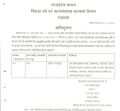
अधिसूचना क्रमांक एफ-9-39/99/54-1 दिनांक 24 -1 -2002
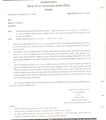
अधिसूचना सम्पूर्ण प्रदेश में लागू होने का परिपत्र
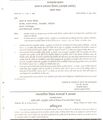
अन्य पिछड़ा वर्ग के लिए आरक्षण सुविधाएँ
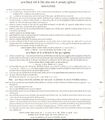
व्यवसायिक शिक्षण संस्थाओं में आरक्षण सुविधाएँ
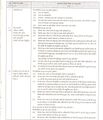
अन्य पिछड़ा वर्ग के लिए लोक सेवा में आरक्षण/सुविधाएँ - सामान्य निर्देश
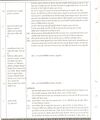
अन्य पिछड़ा वर्ग के लिए लोक सेवा में आरक्षण/सुविधाएँ - सामान्य निर्देश (जारी)
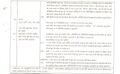
अन्य पिछड़ा वर्ग के लिए लोक सेवा में आरक्षण/सुविधाएँ - सामान्य निर्देश (जारी)
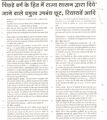
पिछड़े वर्ग के हित में राज्य शासन द्वारा दिए जाने वाले प्रमुख उपबंध छूट, रियायतें आदि


राजस्थान
१ अगस्त १९९९ को जयपुर में विशाल महासम्मेलन में ’आरक्षण नहीं तो वोट नहीं’ का नारा देकर गहलोत सरकार को ठिकाने लगाने की घोषणा कर दी. आरक्षण पाना जाटों के लिये जीवन मरण का प्रश्न बन गया. लोकसभा चुनाव के वक्त वाजपेई व सोनिया गांधी ने चुनाव पश्चात आरक्षण देने की घोषणा की.
सरकार की अन्य पिछडा वर्ग की अधिसूचना - २० अक्टूबर १९९९ को भाजपानीत केन्द्रीय मंत्रिमण्डल ने सर्वसम्मति से जाटों को आरक्षण देने की घोषणा की. दो दिन पश्चात राज्य मंत्री मण्डल ने भी जाटों को अन्य पिछडा वर्ग का दर्जा दे दिया. २७ अक्टूबर को केन्द्र सरकार तथा ३ नवंबर १९९९ को राज्य सरकार ने इस सम्बन्ध में अधिसूचना जारी कर दी.
राजस्थान में जाट आरक्षण आन्दोलन की सफलता पर बी.बी.सी. ने कुछ यों टिप्पणी दी -
- "जाट जब अपने असली रूप में आ जाये तो वह हिमालय को भी चीर सकता है. हिंद महासागर को भी पार कर सकता है. थार के रेगिस्तान में बसे करोड़ों धरतीपुत्रों ने रैली को रैला बनाकर हिन्दुस्तान की सत्ता को थर्रा दिया था और आज 20 अक्टूबर 1999 को राजस्थान सरकार को जाटों को ओ.बी.सी. का आरक्षण देना ही पड़ा."
एससी, एसटी एवं ओबीसी भाईयों और मित्रों आपके लिये संदेश
हाॅल ही में एससी, एसटी एवं ओबीसी वर्ग के खिलाफ राजस्थान हाईकोर्ट द्वारा दिनांक 28-5-2018 और 29-5-2018 को दो फैसले दिये गये। आरएएस भर्ती परीक्षा 2013 के मामले में आरपीएससी द्वारा हर वर्ग के 15 गुना अभ्यर्थियों को मुख्य परीक्षा के लिये बुलाया गया था जिसमें सामान्य वर्ग की कट आॅफ 250 तथा ओबीसी की कट आॅफ 283 रही थी। इसी तरह पटवारी भर्ती परीक्षा 2015 में भी सामान्य वर्ग की कट आॅफ 104 एससी की 123 एसटी की 112 एवं ओबीसी की 148 अंक रही थी। आरएएस भर्ती परीक्षा 2013 में राजस्थान हाईकोर्ट डीबी बैंच द्वारा आरक्षित एससी, एसटी एवं ओबीसी वर्ग के पक्ष में फैसला दिया था तथा पटवारी भर्ती परीक्षा 2016 का मामला सुप्रीम कोर्ट पहुचा था उस समय आरएएस भर्ती परीक्षा 2013 के अभ्यर्थी भी उसी रीट याचिका में अपना पक्ष रखा था] तत्पश्चात माननीय सर्वोच्च न्यायालय ने आरपीएससी एवं अधीनस्थ बोर्ड दोनों को तलब किया था और दोनों संस्थाओं ने यह मान लिया था कि दोनों ही भर्ती परीक्षाओं में सामान्य वर्ग की कट आॅफ अंक तक के अभ्यर्थियों को बुलाया जायेगा और आरपीएससी एवं अधीनस्थ बोर्ड ने सामान्य वर्ग की कट आॅफ अंक तक के अभ्यर्थियों को बुलाया भी गया था। दोनों ही भर्ती परीक्षाओं के अभ्यर्थी नौकरी कर रहे है। यहां पर मैं यह भी उल्लेख करना चाहता हूं कि सामान्य वर्ग का मतलब मैरिट होता है। कुछ लोग सामान्य वर्ग को एससी, एसटी, ओबीसी की तरह का वर्ग मान रहे है अगर यह वर्ग होता तो इसका मतलब यह हुआ कि सामान्य वर्ग को 50 प्रतिशत आरक्षण है जिनकी जनसंख्या मात्र 15 प्रतिशत है लेकिन यह वर्ग नही है सामान्य वर्ग में 50 प्रतिशत उन अभ्यर्थियों को लिया जाता है जो मैरिट में आते है उसमें सभी वर्गों के अभ्यर्थी होते है जो मैरिट में है। उसके बाद 50 प्रतिशत आरक्षित वर्ग (एससी, एसटी एवं ओबीसी) से रिक्तियां भरी जाती है। लेकिन आरपीएससी एवं अधीनस्थ बोर्ड उल्टा कर रही है और राजस्थान हाईकोर्ट भी उनके एवं समता मंच के हिसाब से फैसला दे रहे है।
यूपीएससी भर्ती परीक्षा में ऐसी धांधली कभी भी नही होती है वहां पर हर भर्ती आरक्षण नियमों से होती है इसलिये कोई भी भर्ती कोर्ट में नही जाती। लेकिन राजस्थान में पिछले 20 साल से तो मैं स्वयं देख रहा हूं कि कोई भर्ती हो सभी आरक्षित वर्ग के खिलाफ नियम बनाये जाते है और हर भर्ती कोर्ट में जाती है और अंत तक सुप्रीम कोर्ट तक जाना पड़ता है।
भारत के सर्वोच्च न्यायालय के उक्त डाईरेक्शन एवं राजस्थान हाईकोर्ट के डीबी बैंच के फैसले के बाद भी राजस्थान हाईकोर्ट ने समता मंच के साथ मिलकर संविधान और सुप्रीम कोर्ट की डाईरेक्शन के विरूद्ध एवं एससी, एसटी एवं ओबीसी वर्ग के खिलाफ उक्त दोनों फैसले किये है। इसका मतलब यह हुआ कि राजस्थान हाईकोर्ट भारत के सर्वोच्च न्यायालय से भी बड़ा है और समता मंच की दायर की गई रीट याचिकाओं पर जल्दबाजी में फैसले दे देते है फैसले भी ऐसे समय में देते है जब वकिल भी हड़ताल पर रहते है ताकि सही तथ्य कोर्ट में पेश नही कर सके। इससे यह जाहिर होता है कि एससी, एसटी एवं ओबीसी (आरक्षित वर्ग) के खिलाफ राजस्थान हाईकोर्ट एवं उच्च वर्ग हाथ धोकर पीछे पड़ा हुआ है। समता मंच तो यह चाहता है कि एससी, एसटी एवं ओबीसी वर्ग के लोग सरकारी नौकरी ही नही करे और जो अभ्यर्थी सरकारी नौकरी कर रहे है उन्हें कोर्ट में झुठै तथ्य पेश कर ऐसे फैसले करवा लेते है कि उन्हें भी हटाना पड़ेगा। ऐसा लगता है कि संवैधानिक संस्थाऐं एससी, एसटी एवं ओबीसी वर्ग के लोगों पर अत्याचार करने के लिये बनाई गई है और जो भी आरक्षित वर्ग के अभ्यर्थी नौकरी लगे हुये है उन्हें हटाने का काम कर रही है। राजस्थान सरकार भी हाईकोर्ट द्वारा दिये जा रहे फैसलों को आंख मूंदकर देख रही है जिसका परिणाम सरकार को भी भुगतना पड़ेगा। एससी, एसटी एवं ओबीसी में उक्त दोनों हाईकोर्ट के फैसलों के खिलाफ भंयकर रोष है आने वाले दिनों में इसका साफ असर दिखेगा।
- राजाराम मील
- मो0 9829010221
Rajasthan was first state to extend OBC benefits to Jats in 1999
Ref - Times of India, Feb. 23, 2016 Jaipur: The violence related to Haryana's Jat stir has entered Rajasthan in past two days, but the desert state is the country's only province whose Jat community enjoys reservation in Central government jobs and educational institutes. The state, in fact, was also the first to extend reservation benefits to the community in 1999.
Barring the twin districts of Bharatpur and Dholpur, the Jats from rest of Rajasthan are included in the Other Backward Classes (OBC) category of both, the Centre and the state, for reservation purposes. And it is the Jats from these two districts only who are currently agitated in Rajasthan over being denied the quota benefits. The community being the ruling class in these districts prior to the country's Independence, it was not considered socially backward and was, hence, kept out of the OBC category by the then Atal Bihari Vajpayee-led NDA government in 1999.
The Centre included Jats in its OBC list through a notification dated October 27, 1999, and six days later, the state also included the community in its OBC list by a notification dated November 3, 1999.
The Jats of Bharatpur and Dholpur were included in the state OBC list through two separate notifications-January 1, 2000 and January 10, 2000.
All these notifications were subsequently challenged before the Rajasthan High Court, which decided the matter on August 10, 2015. The high court quashed the notification allowing OBC benefits to Jats of Bharatpur-Dholpur, while referred the rest of the community's case to a permanent Commission for Backward Classes that was to be constituted in four months. The state government has already constituted the State OBC Commission.
While the Jat reservation matter was still being heard by the Rajasthan High Court, the Supreme Court on March 17, 2015, quashed a Government of India's notification dated March 4, 2014, and struck down the Jats of Bharatpur-Dholpur from the Centre's OBC list too.
Even as the community members from other districts support OBC quota for their brethren from Bharatpur-Dholpur, the leaders have been urging the protesters to keep their demonstrations peaceful. More so, their demand is presently before the State OBC Commission in keeping with the high court's directions.
"We support reservation for Jats from Bharatpur and Dholpur but we are for peaceful means. Violence will not benefit anyone," said Raja Ram Meel, president of the Rajasthan Jat Mahasabha.
Timeline:
- October 27, 1999: Centre included Jats in its OBC list
- November 3, 1999: State included the community in OBC list
- January 10, 2000: Bharatpur-Dholpur Jats were included in the state OBC list
- March 4, 2014: Bharatpur-Dholpur Jats were included in the Centre OBC list
- March 17, 2015: Supreme Court struck down Bharatpur-Dholpur Jats from Centre OBC list
Jats of Bharatpur and Dholpur get OBC Reservation on 23.8.2017
Reference - Times of India 24.8.2017
The Vasundhara Raje government on Wednesday (23.8.2017) issued a notification to include Jats of Bharatpur and Dholpur districts in the other backward classes (OBC) category that currently enjoys 21% quota in jobs and education institutes. Last week the government assured Gujjars to increase OBC quota from 21% to 26%.
The decision to include Bharatpur-Dholpur Jats in the state OBC list was taken on the basis of report submitted by the OBC Commission to chief minister Raje in June this year. Jats in rest of the state were granted OBC benefit in 1999 and have retained it till date. Bharatpur-Dholpur Jats, who were initially not considered socially backward, were granted OBC quota in 2000 but the Rajasthan high court struck it down in 2015.
Since then, Jats in the two districts were protesting to get re-included in OBC category. They threatened to launch a violent agitation on Wednesday but the state government acted swiftly and issued the notification by late evening. Cabinet approval for the decision was taken through circulation. The state government will now have to bring in a legislation within next six months to enact the quota benefit granted through notification.
Expressing happiness over the development, Congress legislator and member of Bharatpur's ex-royal family Vishvendra Singh said, "It has paved way for OBC quota to Jats in rest of the country too. We have been given the quota through a proper procedure and on the basis of a (commission's) report. Same procedure can be adopted grant OBC benefits to Jats in other states."
In March 2015, the Supreme Court struck down a Government of India notification dated March 4, 2014 through which Jats of Bharatpur-Dholpur were included in Centre's OBC list. The Bharatpur-Dholpur Jats were included in state OBC list through two separate notifications of January 1, 2000 and January 10, 2000. The Rajasthan high court struck them down from the state OBC list on August 10, 2015. The court had ordered to constitute a permanent OBC commission to review quota benefits to OBC communities.
The Centre included Jats in its OBC list through a notification dated October 27, 1999. Six days later, Rajasthan became the first state to include the community in its OBC list by a notification dated November 3, 1999. Bharatpur-Dholpur Jats were initially denied OBC status on the ground that they belonged to the ruling class in the two districts prior to India's Independence and, hence, cannot be considered socially backward. Two months later, however, the benefits were extended to them also.


Central List Of OBCs For The State Of Rajasthan
Jat is at S.No. 58 (except in Bharatpur and Dhaulpur Districts). Resolution No & Date 12011/68/98 BCC dt. 27/10/1999.
See the list: Central List Of OBCs For The State Of Rajasthan.
Role of Barmer in movement for reservation in jobs
Inclusion of Jats of Bharatpur and Dholpur in the OBCs list
Here is reproduced the letter of Raja Ram Meel, The President Rajasthan Jat Mahasabha to Honourable Shri Satya Narain Ji Jatia Minister, Social Justice & Employment, for Inclusion of Jats of Bharatpur and Dholpur in the OBCs list:
Jaipur 5D Villa, Station Road,
Jaipur-302001
7th Oct. 2002
To,
Honourable Shri Satya Narain Ji Jatia Minister,
Social Justice & Employment
Shastri Bhawan,
NEWDELHl.
Sub: Inclusion of Jats of Bharatpur and Dholpur in the OBCs list drawn by Union of India for Rajasthan.
Sir,
Through this petition, we solicit your kind patronage to seek social justice for the Jats of Bharatpur and Dholpur districts, who have not been included as yet in the Union list of OBCs drawn out for Rajasthan.
2. Before making detailed arguments in support of our this prayer. We may state in brief the background of this issue.
3. Jats of Rajasthan Constitute more than 12 percent of the total population of State and from the single biggest caste, pursuing agriculture as their main occupation. For various historical, geographical and social reasons and suffering for more than two centuries under the tyrannical exploitation at the hands of rulers and Jagirdars, they happen to be one of the most backward class of the state. Inspite of their most backward status they were somehow not included in the list of OBCs drawn out by the Mandal Commission in 1980. This perhaps was due to inadequate pleading of their case by Jats before the Commission but mainly due to shallow and slipshod manner the Mandal Commission conducted its enquiry regarding backwardness of various classes of Rajasthan. As soon as the report of that Commission was made public, Rajasthan Pradesh Jat Mahasabha submitted a detailed memorandum in December 1982 to Union and State Governments followed by more petitions from time to time. Detailed petitions were also submitted to National Commission for Backward classes (NCBC) and State Commission as soon as these were constituted in 1993. We are very much grateful to NCBC for giving us opportunity of being heard and also for prompt submission of the report to Govt. of India as back as November 1997. Contrary to this the State Commission, under the influence of some very strong vested interests kept on postponing the hearing for one reason or another. Unfortunately the Union Government put the report of NCBC in cold storage and no decision was taken on its recommendations. Feeling frustrated by the hostile attitude of the State Commission and inaction on the part of Central Government. Jats were forced to launch a state wide peaceful agitation to seek social justice for themselves. Jats of Rajasthan shall ever remain obliged to our worthy Prime Minister Shri Atal Behari Ji Vajpai for his benevolence who taking notice of our plight, intervened to expedite processing of NCBC recommendations. This fact may kindly be noted that through representations from six states were received by the NCBC but it recommended inclusion of Jats in OBC, list only for Rajasthan. Notification to this effect was issued by Govt. of India on 27th October 1999, after a lapse of about two years from the date of submission of the reports by NCBC. Jats of Bharatpur and Dholpur were excluded as advised by the NCBC. Good sense prevailed upon the Government of Rajasthan and a similar notification was issued on 3.11.1999 and thus the Jats who were purposely kept deprived from the benefits available to OBC's for more than a decade became eligible to receive benefits available to OBCs.
4. Though we had pleaded quite vehemently before the NCBC with full facts and figures justifying inclusion of Jats of Bharatpur and Dholpur in OBCs list but unfortunately Hon'ble members remained unmoved. To our utter dismay they have been kept out of OBC fold.
5. Fortunately for us Government of Rajasthan directed the Rajasthan State Backward Classes Commission to examine the case of Jats of Bharatpur and Dholpur, which after hearing all the parties, submitted its report in January 2000 recommending the Jats of Bharatpur and Dholpur also in State OBCs list followed by issuance of the notification by the Government of Rajasthan. Thus the situation prevailing as today is that Jats are included in the state list of OBCs for the entire state while in Central list Jats of Bharatpur and Dholpur are excluded.
6. With a view to make the issue of backwardness of Jats of Bharatpur and Dholpur more comprehensible, we would like to put forward some background facts.
7. Rajasthan which used to be called Rajputana Agency before independence, comprised of 19 independent states, one Chiefship and on Estate and also a small area of 6 square miles known as Abu district, leased to British Government from Sirohi Darbar. Ajmer-Merwara used to be district of British India. Out of 19 independent states 16 were ruled by Rajput kings, one (Tonk) by a Muslim Nawab and two Bharatpur and Dholpur by Jat kings.
8. One interesting fact to be noted about Dholpur is that population of Jats in that state was negligible and thus Dholpur in fact was a "non Jat" state ruled by a Jat king.
9. Population figures of Dholpur are quoted below from Census Report of Rajputana Agency. 1931 (Main castes) :
| S.No. | Caste | Population |
|---|---|---|
| 1. | Chamars (S.C.) | 42,405 |
| 2. | Brahmins | 28,014 |
| 3. | Rajputs | 20,833 |
| 4. | Gujars (OBC) | 20,752 |
| 5. | Musalmans | 16,842 |
| 6. | Mahajans | 11,179 |
| 7. | Meenas (S.T.) | 10,997 |
| 8. | Jats | 2,800 |
10. Even today population of Jats in Dholpur (now a district) should not be exceeding ten thousand.
11. Even in Bharatpur, Jats were not the dominant caste as bigger Rajput states like Bikaner, Jodhpur and Jaipur. The figures taken from "Imperial Gazetteer of India, Vol. 2, q. 372,1981 Census II edition, 1885" compiled by W. W. Hunter, shall prove the point:
| S.No. | Caste | Population |
|---|---|---|
| 1. | Musalmans | 1,05,666 |
| 2. | Chamars (S.C.) | 88,584 |
| 3. | Brahmins | 70,973 |
| 4. | Jats | 53,967 |
| 5. | Gujars (OBC) | 43,865 |
| 6. | Bania | 39,301 |
| 7. | Meenas (S.T.) | 12,139 |
12. Surprisingly, enough Jats of Bharatpur were not allowed to build house and reside in the capital town. Only a few blood relations of the ruling family lived in Bharatpur town. Situation was similar in Dholpur.
13. Another significant fact towards which we beg to draw your attention is that land grants system in Bharatpur and Dholpur states was completely at variance from Rajput states in Rajputana. Jagirdari system was not in existence in these two states and there were only petty landholders called Zamidars. Size of their holdings could qualify them only as small farmers.
14. A planning Commission sponsored study was undertaken by Dool Singh which has been published in book for titled "A Study of Land Reforms in Rajasthan" 1964. Photocopies of pp. 31,44,53 and 95 are appended and marked as Annexure 'A', 'B', 'C' & 'D' respectively. To fortify our submissions in context of land grant system and economic status of estate holders in general and Jats in particular in these two states, it may be clarified that after formation of Rajasthan, Dholpur state area was merged in to Bharatpur districts and so statistics given in the statement of Bharatpur also include Dholpur. Subsequently, Dholpur became a separate district. According to the statement 7.7 (Annexure 'D'), total number of Zamindari and Biswedari estate in both these states was 1,07,399 spread over in 240 villages having total area of 552 sq. miles. Thus the average size of each holding was only 1.31 hectares. These so called Zamindars can not be compared with Zamindars of U.P., Bihar or West Bengal and also not with big Jagirdars of other states of Rajputana.
15. An excerpt from "Rajasthan District Gazetteer (K.K. Sehgal) of Bharatpur 1971 p. 308 shall further elaborate the point under consideration:
- "Land Tenures- In erstwhile Bharatpur state land tenures were divided in to Khalsa, Muafi and Istmarari and the areas under these tenures were respectively 87.6, 11.8 and 0.6 percent of the total area of the state Muafi tenure included land given
free in charity or for religious purposes to temples, Brahmins, Purohits etc. and also land held in reward (Inam) or on Chauth tenure. Istamrari tenure was of Thakurs, Sardars and relatives of chief, who-neither paid any revenue nor did they perform any service to the chief."
16. Thus the situation which emerges is that Jats who are called Thakurs in Bharatpur were estate holders of only 0.6 percent of the total area of agricultural lands. This included few bigger estates also held by blood relations of the rulers.
17. Keeping the background situation stated above in view we may now submit some salient points to prove that Jats of Bharatpur and Dholpur district are not only as backward as Jats of other districts but even more backward than many other castes included in the OBCs lists for the state.
18. Social Backwardness :
(a) Amongst all the castes in Rajputana, child marriage in Jats was most prevalent and Bharatpur - Dholpur were no exceptions, as would be clear from the under mentioned figures taken from Census Report of 193l;
Bharatpur Boys- 33 Girls- 21
Dholpur Boys- 35 Girls- 27
(b) Widow marriage in the form of Nata, Karewa or Choodi Pehnana was very much in vogue in Jats of these two states as in other parts of Rajputana. For this reason, they were considered shudra by Brahmins and other upper castes. Relevant excerpt from "Rajasthan Distirct Gazetteers of Bharatpur (which also includes Dholpur) 1971" is reproduced below:
- "Jats, Meenas and Gujars may all smoke together and eat together out of some Degchi but not out of same thali. (p. 9). Widow remarriage is prohibited among the higher Hindu castes but permitted among the Jats, Gujars, Ahirs, Meenas and other S.C. and S.T. castes." (p. 107).
- "Divorce - Hindu marriage, being sacrament is irrevocable. However, in certain castes like Gujar, Jat, Meena, Koli, Lodha, Kachhi, Bhangi, Chamar etc. divorce is permitted by custom."
Thus it is very clear that though in these two states rulers happened to be Jats but as caste Jats were placed at a low social stratum at par with low castes which are now classified in S.C., S.T. or OBCs.
(c) It is a historical fact that Jats and Chamars had a very close social relationship. Chamars were held in good esteem by the Jats in spite of they being untouchable Shudra. Famous historian Kalika Ranjan Qanungo in his book "History of the Jats" 1987 edition records that Churaman Jat (1695-1721) the genius ruler of Bharatpur, after building a fort (subsequently called Lohagarh) entrusted its defence to Chamar chieftains, No parallel example can be found in history. where untouchables were not only recruited in the army but where so much of trust was reposed in them based on mutual respect and equality. The camaraderic established between Jats and Chamars gave birth to an adage, "Jat aur Chamar ki handi ek chullah chadhti hai" i.e. Jat and Chamar same the hearth to cook their meals.
(d) Qanungo, keeping his main focus on Jats of Bharatpur remarks at p. 6 of his book, "The Jat is still in tribal stage of social evolution, knowing no caste distinction or kulinism (i.e. social precedence based on birth). All tribesmen are on a dead level of equality modified only by habitual respect of elders. The Jat invariably marries the widow of his elder brother and this alone stands in the the way of his being recognised as pure Kshatriya." He further remarks at p.8 "Jats have always been, with very few exceptions an illiterate class "
19. All these facts provide enough proof to establish that Jats of Bharatpur and Dholpur are at par in social backwardness with other castes who have been declared as OBC or even S.c. and S.T.
20. Educational Backwardness:
(a) Education of masses remained the last priority with rulers of Bharatpur and Dholpur and so all rural castes including Jats remained illiterate. Some excerpts from "Rajasthan Districts Gazetteer of Bharatpur (includes Dholpur) 1971" Would be enough to project the pitiable situation prevalent in the field of education.
- "In 1868 the number of educational institutions was 89, of these 13 were Tehsili schools, 73 Halkabandi schools, two girls school and one school was located in Bharatpur town. These institutions had 2117 scholars." (p. 411)
- "The Education Department as such, it may be recalled, had not been given any importance as would appear from the following remarks of the Dewan of Bharatpur state." Education is very much neglected and is consequently backward in the state, with 3223 students. (Source : Annual Report on the Administration of the Bharatpur State 1895-96)
The teachers employed in the rural schools had a very poor standard of their subjects. The Dewan of the state remarked- "of the Mofussal school teachers, I can safely say that many of them can not write a common letter without blunders, can not work out sums in rule of three and their knowledge of Geography is so limited that they do not even know the difference as whether Asia is a continent or an animal (Source : Annual Report on the Administration of Bharatpur State 1897-98 p. 73)
(b) Dholpur State:
- "In 1900-01 there were only six schools in the state. The total number of average attendance of students that year was 308. (p. 414)"
In the. matter of literacy, Bharatpur state stood eleventh among twenty states and chiefships of Rajputana during 1901 census. The literacy percentage was 2.8 (males 5.2 and females 0.1). In the same year the literacy in Dholpur state was only 1.4 percent (2.6 percent males and 0.1 percent females).
At the time of the formation or United States of Matsya (1948) there was only one High School for the girls in the Bharatpur state and none in Dholpur.
(c) After formation of Rajasthan, much progress has been registered in the field of literacy in all the districts. Figures of rural literacy for the districts of Bharatpur and Dholpur and three other districts with the dominant Jat population are quoted below from the Census Report 2001.
Rural literacy (%)
| S.No. | Name of the district | Men | Women |
|---|---|---|---|
| 01. | Bharatpur | 79.95 | 39.62 |
| 02. | Dholpur | 75.29 | 39.37 |
| 03. | Jhunjhunu | 86.36 | 59.80 |
| 04. | Sikar | 87.74 | 55.70 |
| 05. | Nagaur | 73.66 | 37.58 |
From comparison of these figures inference drawn is only this that these two districts are still educationally backward.
(d) Further, to prove educational backwardness of Jats in particular, we quote hereunder the figures of literacy as reported in Table XIV of the Report of Census of India 1931 Rajputana. Castes selected for comparison are those having comparable social and economic status and all of them have been declared OBC.
Percentage of literacy
| S.No. | Caste | Men | Women |
|---|---|---|---|
| 01. | Jat | 1.21 | 0.06 |
| 02. | Gujar | 0.84 | 0.03 |
| 03. | Ahir | 1.40 | 0.06 |
| 04. | Khati | 3.42 | 0.06 |
| 05. | Kumhar | 1.13 | 0.06 |
Literacy percentage of certain other castes which too have been declared OBC like Charan, Sunar, Darji, Chipa and Nai is well beyond 10% and in case of Charan and Sunar it exceeds 20%.
21. All the facts narrated above should he enough to prove beyond any doubt that in matter of educational backwardness Jats of Bharatpur and Dholpur are in no way better than any other OBC of Rajasthan.
22. Economic Backwardness:
(a) Jats of both these districts are still occupationally dependent on agriculture. A statement, taken from "Report on Agricultural Census 1995-96 of Rajasthan" is appended and marked Annexure 'E', which reveals that while the average holding in Rajasthan in 1995-96 is 3.96 hectare, in Bharatpur and Dholpur average size of holding is 1.76 and 1.57 hectare respectively which is much below the state average. Further, a very significant fact which emerges and is unique to only these two districts is that here the Scheduled Tribe holdings are bigger (though marginally) than the average holding and also that Scheduled Caste holding is almost equal to average holding. Figures, culled out from the statement are quoted hereunder:
| District | Avg. holding | Avg. ST holding | Avg. holding SC |
|---|---|---|---|
| Bharatpur | 1.76 ha. | 1.78 ha. | 1.17 ha. |
| Dholpur | l.57ha. | 1.75ha. | 1.10ha. |
Due to population pressure these small holdings have now become totally unviable. Vast tracts of poor saline soils and ravinous tracts add to the misery and penury of the people. Low yields have forced agriculturists of these two districts to Census Report of 2001, density of population in Rajasthan is 165 persons per sq. km. while in Bharatpur it is 414 which is highest of all the districts excluding Jaipur which does have a very large urban population. Even in Dholpur density is quite high at 324 persons per sq. km.
(b) We may also state that no favour was shown to Jat agriculturist in both the states. On the other hand all the Jat estate holders were subjected to great exploitation by levying 1/4th of their agriculture produce as compulsory levy by the state.
23. On the basis of all the facts narrated above the only inevitable conclusion to be drawn is that Jats of Bharatpur and Dholpur are backward socially, educationally and also economically and they qualify for inclusion in Central OBCs list and their exclusion was in fact not justifiable.
24. As mentioned in the beginning that Rajasthan State Backward Commission after examining the case of Jats of Bharatpur and Dholpur separately came to unanimous conclusion that Jats of these two districts are backward enough to be included in OBCs list of the state. In the process, the report of NCBC was also studied in detail by the State Commission and its unanimous conclusion was that no grounds were revealed in NCBC report to justify their exclusion. Excerpt from its VIII report submitted to the State Government in January 2000 is appended and marked Annexure 'F', which may kindly be perused. The State commission has a natural advantage of being nearer to the ground realities and thereby in a better position to make objective examination of both macro and micro social realities. Therefore; Central Government by using its inherent powers can very well take a decision, based on the findings of the State Commission; for including the Jats of Bharatur and Dholpur in the OBCs list drawn out for the state of Rajasthan. Jats of Bharatpur and Dholpur have suffered-for quite long and ate waiting for justice. We may also bring this fact to the notice of your honour that in adjoining states of these two districts, that is Uttar Pradesh, Madhya Pradesh and Delhi NCT, Jats have been included in OBC.
All our hopes are centred on you and we nurture a fervent hope that a day shall come soon for the Jats of Bharatpur and Dholpur to take a sigh of relief on getting the social justice of which they have remained deprived for so long.
With grateful thanks and good wishes,
Yours faithfully,
President
Annexure A - F
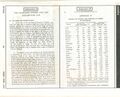
Annexure A & B
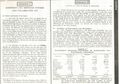
Annexure C & D
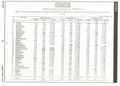
Annexure E
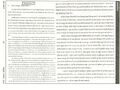
Annexure F
Annexure F1
Annexure F2


उत्तर प्रदेश
हरयाणा
Why Jats want a quota in Haryana
Ref - Indian Express Feb 23, 2016
The Jats’ demonstrations for their inclusion on the list of the OBC castes in Haryana are echoing others — including the Patels’ agitation, which resulted in reportedly 10 deaths in August last year, a toll similar to the present one in Haryana where 16 people have died so far. And still other groups are asking for a “backward” status that would allow them to have a greater access to job quotas. The Gujjars in Rajasthan, the Kapus in Andhra Pradesh as well as the Marathas in Maharashtra are similarly mobilised. So far, they all have been denied reservations because of their dominant character. M.N. Srinivas, the pioneer of Indian anthropology in the 1950s, defined the dominant castes as those that are demographically important and own a lot of land. The Jats, Marathas and Patels are certainly dominant, but their mobilisation tells us something about structural problems in the Indian economy.
These dominant castes do not see their future in agriculture because of the attraction exerted by the city and because of the crisis in village India. The 2014-15 Economic Survey showed that the wages of rural India were increasing at 3.6 per cent only (when the inflation rate was above 5 per cent), against 20 per cent in 2011. Those who had land next to big cities could sell it to developers and even became rentiers sometimes. But most of the migrants who left their village to try their luck in the city are disappointed by the job market. In contrast to the middle class inhabiting urban centres for generations, they have not received the kind of English-medium education that gives access to the services, the sector (especially in IT) offering opportunities. While they have sometimes run heavy debts to get some private, not-so-good education, they have to fall back on unskilled jobs.
These jobs are precarious and badly paid. In the private sector, the average daily earnings of the workers was Rs 249 in 2011-12, according to the Labour Bureau, and those of the employees at large, Rs 388. By contrast, in the public sector, the figures were respectively almost three times more at Rs 679 and Rs 945. Recently, the Seventh Pay Commission recommended an increase of the minimum monthly salary from Rs 7,000 to Rs 18,000.
Understandably, the young Jats, Patels, Kapus and Marathas who do not find good jobs in the private sector fall back on the government. The search for government jobs among these castes is also influenced by their particularly skewed sex ratio. Parents of girls prefer grooms with stable income – those with government jobs are often their preferred choice. With fewer girls compared to boys in these castes, there is competition in the marriage market.
However, there are fewer government jobs these days. There were 19.5 million jobs in the public sector in 1992-93 when India’s population was 839 million. While there are 1.2 billion Indians now, the number of jobs in the public sector has shrunk to 17.6 million. In states that have aggressively implemented the liberalisation policy, government jobs have almost disappeared. For instance, the government’s share in employment in Gujarat is only 1.18 per cent whereas it is 16 per cent in Kerala.
The dominant castes want to be counted as Other Backward Classes (OBC) to benefit from job reservation. But governments are wary to accede to the demand since the decision may alienate those already in the OBC list. The existing OBC castes, no less politically influential, fear that the dominant castes may corner the quotas if included in the list since the latter are richer and better educated. Moreover, the judiciary will probably not allow quotas to exceed the 49 per cent limit imposed by the Supreme Court on reservation.
Some chief ministers pretend they can influence the judiciary. For instance, Maharashtra CM Devendra Fadnavis has referred the Marathas’s demand for reservation to the Supreme Court. Some others claim that caste should not be the only criterion for positive discrimination. Rajasthan CM Vasundhara Raje passed two legislations in September 2015, the Rajasthan Economically Backward Classes (Reservation of Seats in Educational Institutions in the State and of Appointments and Posts in Services under the State) Bill, 2015, and the Rajasthan Special Backward Classes (Reservation of Seats in Educational Institutions in the State and of Appointments and Posts in Services under the State) Bill, 2015, with this intent. The main beneficiary of the second bill will be the Gujjars. Neither of laws will be validated by the Supreme Court probably because they push the quota to 68 per cent, beyond the acceptable level.
But legislating such bills sends signals to the dominant castes that the BJP is trying to reframe the reservation policy and reform it. The BJP government of Haryana may well follow the same strategy since it has decided to bring a bill to grant OBC status to Jats in the next session of the state assembly.
The end game, may well be to revisit the reservation system. Patels, Jats and Marathas will be the winners if quotas are not based on the criterion of caste but arthik adhar par [on economic basis] as the Sangh parivar used to say in the post-Mandal era.
However, such a reform of the quota system can only help the dominant castes if more jobs are created in the public sector — not in line with the BJP “minimum government” motto. Surprisingly, the government is not thinking about the most obvious way out: Better wages in the private sector. Three months ago, the Ministry of Labour & Employment has announced an amendment to the Minimum Wages Act, 1948 that would set the legally binding national minimum wage across the board. But the minimum wage so envisaged was only Rs 273 a day (against Rs. 160 since July, 2015) or Rs. 7,100 a month. In the Maruti Suzuki plants of Gurgaon and Manesar — places the Jats know well — the strike started in 2012 partly because workers got Rs 6,000 a month on an average, and that was definitely not enough (so much so that after months of negotiations, Maruti Suzuki has increased the wages of its employees by Rs 16,800 as an average).
The budget session of the Indian parliament may be the right time to debate the figures suggested in the amendment mentioned above — except that the government may not feel like displeasing India Inc. and those who are now supposed to Make in India because of the rise in labour costs in China.
Author: Christophe Jaffrelot Christophe. The writer is senior research fellow at CERI-Sciences Po/ CNRS, Paris, professor of Indian politics and sociology at King’s India Institute, London, and non-resident scholar at the Carnegie Endowment for International Peace.
Government agrees for OBC status to Jats in Haryana
Ref - India Today New Delhi, February 21, 2016 | Edited by Shashank Shantanu
The government has agreed to grant OBC status to Jats, who have led violent protests across Haryana since the last eight days. The government's decision came after Home Minister Rajnath Singh met leaders of Jat panchayat in Delhi today evening.
The government has also set up a committee headed by Union Minister Venkaiah Naidu to look into the demand of Jats for reservation in central government jobs.
"I would like to make things clear regarding the ongoing protest. Just now, we have formed a committee which will be headed by our senior Cabinet minister Venkaiah Naidu. The committee has been asked to file a comprehensive report to find the soluction of the issue as soon as possible," Home Minister Rajnath Singh said.
"I appeal to to the people of Haryana to help maintain clam and peace," Rajnath Singh said after a meeting he had with Union ministers Sushma Swaraj and Manohar Parrikar to take stock of the situation in the state.
The Haryana government is also likely to table a bill concerning reservation to the community in the upcoming session of the state Assembly.
This may resolve the issue for now but the big question is whether the Haryana government's decision will pass the Supreme Court scrutiny.
Haryana has witnessed extreme violence since the last eight days as Jats pressed on their demand for reservation in government jobs and education.
10 people have been killed over 150 injured in police firing and other related incidents across the state. 7 districts of the state are under curfew after protesters resorted to arsoning and violence.
Industry body ASSOCHAM has said that the ongoing protests in Haryana has dealt an estimated loss of Rs 18,000 crore - Rs 20,000 crore to public and private property.
Martyrs of Jat Reservation movement in Haryana

Nearly a month has passed since, and on Monday, Jat organisations were back on the streets threatening another agitation from March 17 if their demands for reservation under the OBC quota were not met. The Indian Express tracked families of 26 of the 30 killed. Most of them are poor and most have small landholdings. A majority of the Jats have another thing in common: they say they are ready to make more “sacrifices” for quota. Thirteen of those killed were in Jhajjar, the epicentre of the agitation. A majority of the 102 villages in Jhajjar are dominated by Jats, while Ahirs also form a sizeable population. The Ahirs were not targeted in the riots, with the Jats focusing on OBC and Dalit colonies such as Chavni Mohalla and Balmiki Mohalla.
Eight of the 13 killed were Jats, all of them allegedly shot by security forces. Jats are accused of killing the remaining five — two Sainis, and a Brahmin, Khati and Kumhar. Most of those killed were sole bread-winners of their families, and leave behind young wives and children.
Here is the list of Martyrs of Jat Reservation movement in Haryana:
- Ajay Malik
- Arjun Jakhar - Arjun, 18, Akheri Madanpur village, Arjun, his two brothers and with their father tilled their 5-acre land and earned Rs 10,000-15,000 a month. A Class XII pass, Arjun was also admitted in an ITI course, while his brother Dharmender is in the Army, and another, Jagbir, a graduate. On February 20, Arjun was shot in the armed forces firing at Bhagat Singh Chowk. Says Jagbir, “We don’t know how he reached there. At least three more boys of our village were shot at, but survived.”
- Dilbag Khatri
- Jaiveer Singh Deswal - Jaivir, 33, Dulhera village, The only breadwinner of his family, Jaivir drove a tractor transporting bricks from kilns to people’s houses. Apart from his wife and son, the family’s monthly earnings of Rs 7,500 also went towards Jaivir’s brother Sandeep’s studies. The Jat family owns land that is not bigger than 1 acres in size. On February 21, Jaivir was shot allegedly by armed forces near Delhi Gate in the town. His family could get his body only three days later. Says uncle Samay Singh, “If we block the roads, will you come and shoot us? We are fighting for our legitimate rights.”
- Jaydeep Nandal - Jaideep, 24 from Mehrana village, who had studied up to Class XII, farmed the family’s two-acre land along with brother Yogesh. They made Rs 5,000-8,000 a month, on which the Jat family, including their parents and Yogesh’s wife and two children, survived. On February 20, Jaideep was hit along with five-six of his friends when the security forces opened fire at Bhagat Singh Chowk on the Jhajjar-Rohtak road. He was the only one who died. His family was attacked by people from other castes when they were getting the body back the next day.
- Krishna Kumar Phogat - Aged 41, from MP Majra village village, While the Jat family owns 2.5 acres of land, Krishan’s father Nathu Ram says it didn’t yield much. Krishan, who studied up to Class X, worked as a driver and sold milk to contribute to the family income of Rs 8,000-10,000 a month. Krishan is survived by Nathu Ram, his wife and a son, who is pursuing the JBT (Junior Basic Training) teacher course. Krishan was also killed during the firing by armed forces at Bhagat Singh Chowk on February 20.
- Pradeep Rana
- Pradeep Rathi
- Praveen Kodan - Aged 25 from Kablana village, The Jat family owns 1.5-acre land, and Praveen worked as a driver to make ends meet, same as elder brother Naveen. The family monthly income was around Rs 7,000 a month. While Naveen is married, the wedding of Praveen, who had studied up to Class X, was scheduled a couple of months from now. Praveen died reportedly in the firing by armed forces on February 20. Says father Subhash, “I am a heart patient. Praveen had gone to fetch my medicine. He got caught in the protests, and was hit twice. We got his body after three days.”
- Rahul Dangi
- Rajesh Khokhar
- Ramchandra Lochab - Ram Chander, 49, Bhupnia village, The ex-serviceman who had studied up to Class XII is survived by his wife, a 13-year-old son and a married daughter. The Jat family lives on his pension, though they also own 2 acres of land. On February 21, Ram Chander was going to Gaddi village to meet one of his relatives. “He stopped by a protest site and was shot twice. We don’t know who shot him,” says brother Amarjit. Police records say Ram Chander was part of the protesters and died in security forces firing.
- Ravindra Nandal
- Sandeep Jakhar - Sandeep, 24, from Akheri Madanpur village, While Sandeep earned Rs 2,000-3,000 a month from his 5-acre land, he worked in a factory for Rs 5,000 salary to support his wife and two children. On February 20, the Jat youth was part of the crowd at Bhagat Singh Chowk on which security forces opened fire. Father Sunderpal says, “Sandeep had gone to drop his cousin to Mundka. On the way back, he got trapped in the riot.”
- Sandeep Kadwasra
- Sandip Pahal
- Sanjiv Dahiya
- Sujit Bajad
- Sumit Dahiya
- Sunil Sheoran
- Vijay Kadwasra
Gallery of Martyrs of Jat Reservation movement in Haryana

Arjun Jakhar, 20.2.2016

Jaiveer Singh Deswal, 21.2.2016
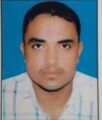
Jaydeep Nandal, 20.2.2016
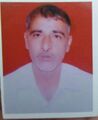
Krishna Kumar Phogat, 20.2.2016
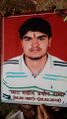
Pradeep Rana, 5.2.1987-20.2.2016

Pradeep Rathi, 20.2.2016
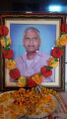
Ramchandra Lochab,21.2.2016
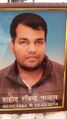
Ravindra Nandal, 5.7.1984-25.2.2016

Praveen Kodan, 20.2.2016
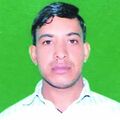
Sandeep Jakhar, 20.2.2016


Reservation is our constitutional right
Sub: - Pray to grant of backward status to the Jat Community in Haryana irrespective of religion or sect.
Hon’ble Sir,
Kindly ref. to your office letter no. HBCC/2011/556 dt 6.9.11 and in continuation my representation dt. 27.6.2011. We have the honour to bring your kind notice the facts that follow on the basis of which , you are requested to secure justice for the entire Jat community in Haryana irrespective of religion or sect as per the following details :-
At the time of drafting and framing of the Indian Constitution reservation as provided to all the depressed, Dalit and Tribal Communities as so as to achieve social justice for them and to ensure their upliftment on the social ladder, there after Govt. of India on Jan 20, 1953 Constituted a commission headed by Kaka Kalaelkar under article 340 of the Indian Constitution to provide reservation to other backward communities. The Commission submitted its report on March 20, 1955. But Since the report failed to clarify/identify such other Backward Classes on Social and Economic Basis, the Govt did not bring it before the parliament. The demand for reservation to Backward Classes, however, continues to be raised as a result of which Govt of India appointed another commission headed by Sh. B.P.Mandal on January 1st 1979, the commission submitted its report on Dec, 31 1980 and its recommendations were implemented after 10 years in August 1990. For granting Backward Class status a community , the constitution on India provides for only two conditions under article 15(4) and 340 (1) as Under :-
Social backwardness
Educational backwardness
1. (Social backwardness ) (i) For determining the social backwardness of a community its parameter can include the social practice like HUKA-PANI, sharing on one platform and informal social interaction ( ) when members of those communities eat and drink water out of their utensils without any hitch and sit together with those of the other community on the same cot, the social status of communities so mixing and interacting are regarded as enjoying equal status. In this connection is neither below nor above but completely at par with its social status with other communities such as Ahir, Gujjar, Saini, Lodha, Khati , Luhar , Kumbhar , Nai and Kamboj etc those have been already declared as backwardness castes . To make it more authentic the book named A GLOSSARY OF THE TRIBES AND CASTES of the Punjab and North & West frontier province by Hon. Mr. E.D MacLAGAN, C.S.I, & H.A.Roge is also referred (Annexure-A enclosed at page no. 5 ) with regard to Sikh religion all the Sikh are equal before the Gurus as well as in the Gurudwaras but socially they are divided into the castes that is why the Jat Sikh are giving matrimonial for marriages alliances separately in the newspapers ( copy of newspaper attached as Annexure-B at the page no. 7 ). The same analogy applies for Mula Jat also, as they call themselves as Jats only, even after their conversion to Islam. It is Ironical that totally unjustified for the Mandal Commission in the list of backward classes and left only the jat community out of its ambit. It is clear – the Jat Community has the same social status as that of the community is found fit by the Mandal Commission for grant to them of backward status.
(ii) To give more facts to prove that the Jat community is socially backward is that Hon’ble Lahore High Court in his judgment A.I.R 1936 Lahore 551 Jagindar V/s Kartara during 1936 declared that the Jat community as Sudras (copy of Annexure-C and C-1 attached at page no.8 & 13). To support this fact an OBC survey for the state Delhi was carried out during 1997-98 and status of Jat community was found more backward (copy of Annexure-D attached at page no-14). Moreover as per the version of Swami Dayananda in his book Satyarth Parkash, while explaining widow marriage, this Jat community is considered as Sudras Varna (copy of Annexure –E attached at page no-16). While determining social status of Jats found not only backward status but Sudras also in a reference to the Hindu Literature. It is also noticed that Pundits are showing the children of the Jats as Sudras while preparing their JANAM KUNDLIES, an example, a Janam Kundli of my younger son named Yogesh was prepared in Samvat 2032 proves the fact ( copy of Annexure-E-1 attached at page no.16 & 17). Moreover, a Jat history written by Kali Ranjan Kanoongo during 1925 also given many references showing Jat as a Sudras by some ancient writers (copy of Annexure -E-2 attached at page no-18). An autobiography as “Sawraj-Ke-Sawar” of Late Shri Ranbir Singh Hooda, father of the Chief Minister Shri Bhupinder Singh Hooda, had written that the Jats were being called “Sudra” (Annexure-E-3 attached at page no. 22). Though the Jats are not Sudra but surely a backward caste. The Mandal Commission in his report Chapter 8, para no. 8.40 page no.40, ( copy attached as an Annexure-F at page no.25) as noted that Yadav, Kurmi, Kohri and Jat are Backward Castes. It has further noted on this page that Choudhary Charan Singh in U.P. (1952) was a minister from a Backward Community. Moreover the entire media in the country in 1980, at the time when Ch. Charan Singh became the Prime Minister of India, clamored in one voice for the success of Indian Democracy by saying that it had chosen a person from a backward community to occupy the post of head of the Union Government. All this as about makes it more clear that Mandal Commission duly recognized the entire Jat community as a backward. But when state wise lists of backward communities were prepared, the Jats in Haryana & Punjab were listed as (i) ‘Gutka & Chillan Jats’ whereas no such community or Gotra/Clan of Jats exist anywhere across the country. In this connection Mandal Commission report at page no.311 at Sr. No. 40 is referred (copy od Annexure-G attached at page No.26). When it was requested to the backward commission to clarify the above under RTI Act. The commission failed to proper reply of this matter (copy attached as an Annexure –H at page no.27). 2. (Educational backwardness) (i). The second condition to providing reservation to a community is that of educational backwardness. In order therefore, to determine the educational status of a community, the Mandal Commission asked each and every state of India to provide its community wise education data. But since no such data was ever collected by any state of the Union, the states expressed their helplessness in the matter (copy of page no.44 attached as an Annexure-I at page no.29). Thus having been left with no alternative to determine the education status of communities, the commission, using its own discretion, then deemed all the rural communities as educationally backward. To make its criteria look plausible, it cited the comparative example of the son of a rural farmer verses the son of a city based person (copy of page no.28 enclosed as Annexure-J at page no.30) and found the ruralite as educationally backward. Going by this logic of commission, the whole Jat community is educationally as 95% of Jats still live in villages even after 64 years Indian Independence. So it is clear that the Jat community fulfill the second condition also. A(i) Since the Constitution does not provide for any economic condition for determining the backwardness of any community, the Mandal Commission, on page no.60 of its report ( copy attached as an Annexure- K at page no-31 ) made it clear that there could be no such condition for reservation. Its argument against “it was that a person who was poor at one point of time might be rich at a point of time in future. Moreover, the commission said, being rich & poor might be a status which clever connected people might manipulate for themselves according to the situation. So it is very tricky game.” The Supreme Court however laid a condition to being rich or poor by laying down the condition of “creamy layer” which stipulates a personal annual income of 4 ½ lakh Rs at present for OBC only. Regarding economical conditions of the Jat community in Haryana is worst ever at present as 95% the community is depend on farming. 2001 census report says that 67% farmers in Haryana are having less than 5 acres of land holding which is now gone up more than 80% (copy attached as an Annexure-L at page no.32). Where as National Agriculture Commission report says that less than 10 acres of land holding is profession of deficit. It is well known that more than 90% farmers under debit and surviving with the Kissan Credit Card. Almost all the Vehicles purchased by the rural Jats are on loan from the banks. It can be verified from the banks easily. Thus it is clear that the Jat community is economically backward. A(ii) Gurnaam Singh Commission in its report at page no.28 clearly graded the Ahir and Saini communities are more economically sound than Jat community and at the same page commission quoted that the Jats can not be divided on religious ground (copy attached as an Annexure-M at page no-33). To prove the version of the commission that Ahir (Yadav) and Saini communities are economically sound than Jat community. It is ture for which i am enclosing herewith a few Khevat and Jamabandi showing land holdings of Jats, Ahir, Saini and Gujjar from tehsil Bawal (Distt. Rewari) and tehsil of Hansi (Distt. Hissar) for your kind perusal for further verification (enclosed as a special Annexure from pages 34 to 65). With regard to the jobs in Haryana Govt. Gazetted class-I and class-II services, the ratio of Jat community as per their population was very far less in compression to other castes (page no. 72 & 73 of the report is enclosed as an Annexure-N & O at page no. 66 & 67). Similarly the position of the community wise strength of the students admitted in B.E, M.B.B.S, B.A.M.S and B.V.S.E in Haryana during the year 1990-91 clearly mentioned the poor ratio of the Jat community in its report (page no. 78 at Annexure-P attached at page no.68). A(iii)This is how a frauel was played against the Jat community at the national level as well as at states by giving backward status in different states in different ways. When the demand for reservation to Jat community was raised in Haryana state, Govt, granted it along with 9 other communities in the state in February 1991 as per the recommendations of the Gurnaam Singh Commission. But because of the conspiracy of the political leaders who ruled this state at that point of time the reservation status to Jats was withdrawn after some months. To prove this fact, one OBC certificate in the name of Miss Sunita Devi D/o Sh. Bute Singh, Vill. Bhambewa, Teh Jhajjar, Distt. Rohtak from Jat community, duly signed by SDO(C) dt. 30.9.91 is enclosed as a ready reference (Annexure-Q enclosed at page no.69). All the other concerned records are available with the state Govt. of Haryana. B(i) When the demand for reservation to Jats was raised in other states like Delhi, M.P, Himachal Pradesh, Uttrakhand, U.P, and Bihar were given reservation in these states recognized the Jat Community as a backward caste. Rajasthan also granted this status to Jats at state and centre level both, leaving, however those belonging to the district of Bharatpur & Dholpur. Now this is a sheer irony that while many states regard Jats as backward, the Union Govt. regards them as forward. This situation has resulted into gross injustice to Jat community. It is a potent case of discrimination and high headness against a particular community. Moreover all the backward castes are being treated OBC across the country except the Jat community, under same Indian Constitution which provides two conditions for reservation i.e. Social backwardness and Educational backwardness. Sir, but the Jat community of Haryana did not keep par with the Jats of Delhi and U.P etc. as socially backward and educationally backward. It is ironical and totally unjustified. Sir, I beg to submit some more facts as under:- While Ch. Bhupender Singh Hudda was the Congress President of Haryana during 1999, he himself had put the pressure on Ch. Om Prakash Chautala then Chief Minister of Haryana, to review the report of Gurnaam Singh Commission for inclusion of Jat community into the O.B.C fold. He has also congratulated to the then Chief Minister of Rajasthan Sh. Ashok Gahlot and Delhi Chief Minister for taking positive steps by conferring OBC status to the Jats in their states ( press note dt. 20/10/99 attached as an Annexure –R at page no.70). Keeping in view of his own statement Ch. Bhupender Singh Hudda on becoming Chief Minister of Haryana has written D.O. letters No. 1479 and 1480 dt. 05.04.2010 to the All India Congress Committee President Smt. Sonia Gandhi and Dr. Manmohan Singh, Hon’ble Prime Minister of India for taking favorable action by conferring OBC status on Jats in Haryana and both D.O letters were confirmed under duly receipt dt.12th April and 22nd April 2010 respectively (Annexure –S attached at page no.71to74). Similarly the Hon’ble Chief Minister of Haryana has again written official letter No. 15913 dt. 28.06.2011 addressed to the Minister of Social Justice and Empowerment, Govt. of India duly recommended for inclusion of Jat community of Haryana into OBC fold (Annexure –T attached at page no.75). Sir, I beg to draw your kind attention that finding no other alternative, the Jat community of Haryana had to go on agitation by Rail Roko during the month of March 2011 with a result a meeting was held in chamber of Home Minister, Govt. of India among the Hon’ble Home Minister Shri. P. Chidambaram, Hon’ble Minister for Social Justice & Empowerment Shri. Mukul Vasnik and office bearers of All India Jat Arakshan Sanghrash Samiti to examine the demand. Both the central ministers have agreed in principle that the demand of Jat community is justified as well as judicious. Consequently, the central cabinet had delegated the power to review such cases by N.C.B.C on 3rd May 2011 under “The Gazette of India” (Annexure –U attached at page no.76 & 77). Sir, I beg to bring into your kind notice that the Jat community of Utter Pradesh was conferred with OBC status as on 10.03.2000 and some persons belonging to the other castes knocked the door of Hon’ble High Court of Allahabad against this conferment, but the Hon’ble Court found this conferment completely judicious. A copy of the judgment is attached from page no.78 to 163 as an Annexure –V. Sir, I request once more for your attention towards a judgment dated 26th July 2010 of the Hon’ble High Court Punjab & Haryana against C.W.P No.19837-2009 filed by Yadav Kalyan Parishad Gurgaon against the bifurcation of OBC category into 11-16 ratio in Haryana which was found irrelevant by the Hon’ble Court. A copy of the said judgment is attached herewith from page no.164 to 173 as an Annexure-W. Sir, Keeping in view of the above all facts, the Hon’ble Chief Minister of Haryana has again written to the Govt. of India for judicious cause of the Jat community in Haryana. (Annexure – X attached at page no.174). Moreover, Late Ch. Ranbir Singh Hudda, father of present Chief Minister of Haryana had himself established an “Akhil Bhartiya Pichhra Sangh” way back in sixties and in one of its functions the then Hon’ble Vice President of India Dr. Radha Krishan was also invited (Photo as an Annexure-Y attached at page no.175 while the Hon’ble Vice President was in the chair and Late Ch. Hudda was reading out the agenda). Keeping in view of the submission made above, you are earnestly prayed to use your good offices in helping injustice against Jats in Haryana be done away with and they should be brought at par with other BC’s and no discrimination be allowed to be made between Hindu Jats, Muslim Jats and Sikh Jats as they are equally placed the social setup all over India.
Thanking you in anticipation
Encl: Annexure-A to Y attached Total pages: 1 to 175
8th September, 2011
Yours Faithfully
Hawa Singh Sangwan (Ex.Commandant CRPF)
President, Haryana- AKHIL BHARTIYA JAT AARAKSHAN SANGHRASH SAMITI
H.No. 1885, Sec. 13, Bhiwani (HR) 127021
Mobile No. 094160-56145
Note -copies of this file have also already been handed over to the concerned ministries etc at the centre level.
Jat storm comes closer home
Ref - Times of India, Alok K N Mishra & Somreet Bhattacharya, TNN, Mar 3, 2017
NEW DELHI: The Jat agitation for reserved quotas in government jobs and educational institutions in Haryana reached Delhi on Thursday with thousands of community members from northern states marching to Jantar Mantar to press their demands. While the day passed off peacefully, save for traffic woes, the Jats have threatened to disrupt the entry of essential goods into the capital from March 20, when they plan to block all highways connecting Delhi and neighbouring states if their demands are not met.
The Jats have been fighting for job reservation since 1993, but they have not been able to convince the governments about the legitimacy of their demand, being as they are a dominant social population. In 2014, the centre included the Jats in the Other Backward Classes list, only for the Supreme Court to reverse the decision a year later, and forcing the community to relaunch its protest.
"We saw a silver lining when the prime minister met representatives of our community on March 26, 2015 and promised to fulfil our demands," said Yashpal Malik, president, Akhil Bharatiya Jat Arakshan Sangharsh Samiti, which is spearheading the movement. "Nothing has moved forward then." In February 2016, the protest in Haryana became violent and left many dead. Mindful of the violence, the Haryana government accepted several demands, but, say Jat leaders, no concrete steps have followed. "The Haryana government is using its officers to threaten agitators and the government is trying to divide the agitators. If our demands are ignored, we will block all roads to Delhi on March 20," said Malik. This is ominous given that Thursday's protest at Jantar Mantar saw the participation of Jats from Haryana, UP, Rajasthan, Madhya Pradesh, Punjab and Uttarakhand. The protesters' march to Parliament House was thwarted by police and around 3,000 were detained at Parliament Street police station. After raising slogans such as "Narendra Modi, Jat Virodhi", the Jat leaders submitted a memorandum to President Pranab Mukherjee and PM Modi.
Delhi Police had deployed over 4,000 personnel to handle the protest. The policemen were given special instructions to ensure that protesters did not climb the trees around the protest site to prevent cases of suicide like the one of a farmer during a rally of chief minister Arvind Kejriwal. "We had asked one of our teams to keep an eye on people behaving violently," disclosed a police officer.
The situation was monitored by P Kamaraj, special commissioner (south zone), Dependra Pathak, special commissioner (south-western range) and Mukesh Meena, special commissioner (New Delhi). The officers said there were no incidents of violence. At one point, community elders stepped in and stopped some overenthusiastic protesters from aggressively scaling the police barricades.
Traffic around Parliament Street and Janpath, including on Tolstoy Marg and in parts of Connaught Place, was affected by the protesters parking their vehicles, among them big cars and SUVs, on the roads. Traffic police towed away some of these vehicles later in the day. Police officers said that the roads remained shut till 5pm after which vehicles were allowed to run on the restricted stretches. The cops had earlier prevented some protesters from entering the city through the 10 border posts along Haryana and UP after they tried to form a convoy leading to Jantar Mantar.
Discussion about OBC status in Haryana
- http://www.jatland.com/forums/showthread.php?33514-Reservation-is-our-constitutional-right
- http://www.jatland.com/forums/showthread.php?31899-OBC-status-for-Jats-in-Haryana
- http://www.jatland.com/forums/showthread.php?24956-Is-Jat-s-Demand-for-Reservation-as-OBC-in-Haryana-justified
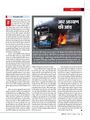
जाट आरक्षण की आंच
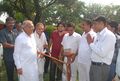
हुड्डा की जाट आरक्षण पर चर्चा
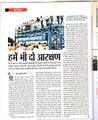
हमें भी दो आरक्षण
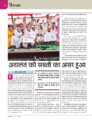
अदालत की सख्ती का असर
आरक्षण का फैसला संवैधानिक तरीके से होना चाहिय
सरकार को जगाने नामली मध्य प्रदेश में आन्दोलन


आरक्षण अधिकार मंच राजस्थान बैठक 7 अप्रेल 2018

See also
External links
- Gazette Notifications - National Commission for Backward Classes
- Government turns focus on Jat quota Saubhadra Chatterji, Hindustan Times, New Delhi, January 14,2012
Gallery

Links of Jatland
- Jat Rally 11 May 2015
- http://www.jatland.com/forums/showthread.php/38168-New-Battle-to-get-Jat-Reservation-Again-11th-May-2015-Jantar-Mantar
- सुप्रीम कोर्ट ने जाटों को दिए गए आरक्षण को रद कर दिया
- ओ.बी.सी. भाईयो चॉइस आपकी है: