Sihag
Sihag
(सिहाग, सीहाग)
Location : Rajasthan, Haryana, Punjab (India), Delhi Western Uttar Pradesh and Madhya Pradesh, Sindh, Punjab (Pakistan)

Sihag (सिहाग, सीहाग)[1] is a gotra of Jats found in Rajasthan, Haryana, Punjab, Delhi Western Uttar Pradesh and Madhya Pradesh in India[2]. Apart from India, this gotra is also found in Sindh, Punjab (Pakistan), many countries of Europe and America. Sihags are Suryavanshi Kshatriyas.[3] They were rulers in Central Asia. [4]
Contents
- 1 Variants of Sihag
- 2 Origin of name
- 3 Mention by Panini
- 4 Jat Gotras Namesake
- 5 Mention by Pliny
- 6 Mention by Pliny
- 7 History
- 8 सिहाग पाल
- 9 Sihag in Tejaji History
- 10 Table of Jat republics in Jangladesh
- 11 Migration of Sihag's
- 12 Villages founded by Sihag clan
- 13 Rulers in Jangladesh (Rajasthan)
- 14 ठाकुर देशराज लिखते हैं
- 15 सिहाग-सुहाग-सिवाग:दलीप सिंह अहलावत
- 16 सिहाग गोत्र की बोलान शाखा
- 17 Story about King Chokha Singh Sihag
- 18 Mention in Greek records
- 19 H. W. Bellew
- 20 In Central Asia
- 21 In Mahabharata
- 22 Asikanagar: The city of Asiagh
- 23 Distribution in Haryana
- 24 Distribution in Rajasthan
- 24.1 Locations in Jaipur city
- 24.2 Villages in Jaipur District
- 24.3 Villages in Sikar district
- 24.4 Villages in Jhunjhunu district
- 24.5 Villages in Nagaur district
- 24.6 Villages in Jodhpur district
- 24.7 Villages in Barmer district
- 24.8 Villages in Jaisalmer district
- 24.9 Villages in Pali district
- 24.10 Villages in Jalor district
- 24.11 Villages in Chittorgarh district
- 24.12 Villages in Churu district
- 24.13 Villages in Ganganagar district
- 24.14 Villages in Hanumangarh district
- 24.15 Villages in Bikaner district
- 24.16 Villages in Tonk district
- 25 Distribution in Punjab
- 26 Distribution in Madhya Pradesh
- 26.1 Villages in Hoshangabad district
- 26.2 Villages in Dewas district
- 26.3 Villages in Dhar district
- 26.4 Villages in Mandsaur district
- 26.5 Villages in Nimach district
- 26.6 Villages in Raisen district
- 26.7 Villages in Ratlam district
- 26.8 Villages in Sehore district
- 26.9 Villages in Harda district
- 26.10 Villages in Khandwa district
- 26.11 Villages in Ujjain district
- 27 Distribution in Uttar Pradesh
- 28 Distribution in Pakistan
- 29 Notable persons
- 30 Gallery of Sihag people
- 31 See also
- 32 Further Reading
- 33 In News
- 34 External links
- 35 References
Variants of Sihag
Sihag (सीहाग) , Siyag (सीयाग) , Sehwag (सहवाग) , Suhag (सुहाग),[5] Siag (सीआग) , Siyak (सीयाक), Sihak (सीहाक), Syak (स्याक), Sehag (सेहाग), Syag (स्याग)[6],[7] Sinhwag (सींहवाग), Siwal (सीवाल), Bolan (बोलन), Asii (असी), Asiwagas (असिवागस)[8], Asiagh (असीआग)/(असीयाग)[9] , Asyak (अस्याक), Asyag (अस्याग) Siwag (सिवाग)[10] Asiagh (आसिआघ)[11] are the known variants of the clan name. Bolan (बोलान) is its branch.
.gif)
They are known as Ashkenaz in Iran, Asiani in Greece, Asii in Central Asia, and Asika in old Indian literature like Mahabharata[12]. Ashangi clan is found in Afghanistan.[13]
Origin of name
- Assaka (Pali) or Aswaka (Mahabharata) or Ashmaka (Panini) was was a region of ancient India (700–300 BCE). The descendants of these people are said to have been called Asiagh.
- James Tod [14] writes that The Indo-Scythic tribes were designated by the names of animals. The Barahas are the hogs ; the Numries, the foxes ; Takshaks, the snakes ; Aswas or Asi, the horses, etc.
Mention by Panini
Ashmaka (अश्मक) is a term mentioned by Panini in Ashtadhyayi. [15]
Asika (आसिक), swordsman, is mentioned by Panini in Ashtadhyayi. [16]
Jat Gotras Namesake
- Asiagh = Asoi = Assoï (Pliny.vi.23)[18]
- Ashvayana = Aseni = Asini (Pliny.vi.23)
- Asiagh = Asini (Pliny.vi.23)
- Syag = Syagrus (Pliny.vi.26), (Pliny.vi.32)
- Syag = Sygaros (Pliny.vi.32).
Mention by Pliny
Pliny[19] mentions Voyages to India.....In later times it has been considered a well-ascertained fact that the voyage from Syagrus22 the Promontory of Arabia, to Patale, reckoned at thirteen hundred and thirty-five miles, can be performed most advantageously with the aid of a westerly wind, which is there known by the name of Hippalus.
22 Most probably the Cape Ras-el-Bad, the most easterly peninsula of Arabia.
Mention by Pliny
Pliny[20] mentions Arabia.....Next to these are the Chaculatæ; then the town of Sibi, by the Greeks called Apate42; the Arsi, the Codani, the Vadei, who dwell in a large town, the Barasasæi, the Lechieni, and the island of Sygaros43, into the interior of which no dogs are admitted, and so being exposed on the sea shore, they wander about there and are left to die.
42 A name which looks very much like "fraud," or "cheating," as Hardouin observes, from the Greek ἀπάτη.
43 Off the Promontory of Ras-el-Had.
History


According to Kautilya the people who depended on "Asii" (sword) for their living were known as Asiagh. Sihag's are one of the most ancient warrior gotra of Jats. James Todd related them with Asii people.
They were part of larger Jat clan and were war-like martial race.They ruled on many parts in central Asia and Europe and were major ruling Jat gotra(clan).
Like all other Jats they are merged decendents of Indo-Scythians and Indo-Aryans[21].
Sihag Jats were in a Scythian tribe called Massagetae[22] and lived on the banks of the River Oxus(Amu Darya) along with Her, Bhullar and Dahiya Jat tribes in central asia thousands of years before Christ,than they migrated to northern salt-range Punjab region in India and than Asiagh (Sihag) along with Punia,Godara,Saran,Beniwal and Johiya migrated to north Rajasthan region known as Jangladesh and ruled there till 15th century.[23]
Sihags and Manns of Western Punjab and Rajasthan consider themselves to be the brethren of the Her and Bhular gotras(clan).[24]
The Sihag's are mentioned in the Puranas and the Mahabharat. A Sihag king offered a gift to Yudhisthra on his coronation. Thousands of years ago Her,Dahiya,Bhular and Sihag lived in Iran and Turkistan[25]
Kot Kaloor (Pallu) in Mewar has been the capital of the Sihag rulers. Pahulkot has also been their capital. Some names of these Sihag rulers were Vir Rana, Dhir Rana, Sivaji Sihag, Manak Dev Ji, Chokha Singh Sihag etc. They are mentioned in the manuscript of genealogical tables in the possession of Gorakh Singh.[26]
H. W. Bellew[27] writes that The Achakzi, of all the Afghan tribes are noted for their turbulence and barbarity ; and the Sanskrit name Achi-ho-lada, or Achi-holara, of the Rajataringini expresses this character for it means " The turbulent Achi." Tod, in his enumeration of the Hindu tribes of the Indian desert, mentions the Ashyag, a name which may stand for the Sanskrit Achi, and is evidently the source of the Afghan Achak, whom we have noticed among the Durani clans.
James Todd[28] writes that Jakhar, Asaich, Punia are all denominations of the Jat race, a few of whom preserve under these ancient subdivisions their old customs and religion ; but the greater part are among the converts to Islam, and retain the generic name, pronounced Zjat. Those enumerated are harmless and industrious, and are found both in the desert and valley.
Dr Pema Ram writes that after the invasion of Alexander in 326 BC, the Jats of Sindh and Punjab migrated to Rajasthan. They built tanks, wells and Bawadis near their habitations. The tribes migrated were: Shivis, Yaudheyas, Malavas, Madras etc. The Shivi tribe which came from Ravi and Beas Rivers founded towns like Sheo, Sojat, Siwana, Shergarh, Shivganj etc. This area was adjoining to Sindh and mainly inhabited by Jats. The descendants of Madras in Rajasthan are: Jinja, Bana, Thoria, Lagman, Kamodia, Madal, Devsalya, Junawa, Maderna, Judi, Madrewa, Khokh, Asihag etc. [29]
Chahamans of Marwar V Bali Stone Inscription of Ashvaka S.V. 1200 (1143 AD) mentions a village Thambhila (थांभिल), which probably is the ancient name of this village.
Ram Swarup Joon[30] writes that Pliny has written that during a conflict between KhanKesh, a province in Turkey, and Babylonia, they sent for the Sindhu Jats from Sindh. These soldiers wore cotton uniforms and were experts in naval warfare. On return from Turkey they settled down in Syria. They belonged to Hasti dynasty. Asiagh Jats ruled Alexandria in Egypt. Their title was Asii
Ram Swarup Joon[31] writes about Sihag, Mann: People belonging to these gotras in Haryana claim common descent with Deshwals and Dalals. For about 30 generations they have looked upon Dhana Rao Rathor as their forefather. But Sihags and Manns of Western Punjab are not aware of their association with Deshwals and Dalals. They consider themselves to be the brethren of the Heir and Bhuller gotras.
The Sihags are mentioned in the Puranas and the Mahabharat. A Sihag king offered a gift to Yudhisthira on his coronation. Thousands of years ago Heir, Bhuller and Sihag lived in Iran and Turkistan.
Kot Khokhar in Mewar has been the capital of the Sihag rulers. Pahulkot has also been their capital. Some names of these Sihag rulers were Vir Rana, Dhir Rana etc. They are mentioned in the manuscript of genealogical tables in the possession of Gorakh Singh.
Sihags are found in a large number in Bikaner, Bahawalpur and in Haryana 25 villages are inhabited by them in one compact group in district Rohtak.
The Mann gotra is found more among the Sikhs than the Hindu Jats. According to the Census report of 1911 their number was 42 000 in number of among the in district
History of the Jats, End of Page-102
Hoshiarpur and Jullundur districts. The Mann chiefs had secured a high position and respect in the court of Maharaja Ranjit Singh (Punjab).
Bhaga and Mugul Chik were two prominent Mann chiefs.
सिहाग पाल
73. सिहाग पाल - इस खाप के 25 गांव बीकानेर में, 7 गांव मेरठ में तीन यहां मुजफ्फरनगर में हैं. जनपद गुड़गांव में बुखारा, झज्जर और मातनहेल एवं बिसहान, हिसार में रतिया, सिसाय और ददायरा, सिरसा में चौटाला गाँव इसी खाप में आते हैं. इस खाप में सिहाग गोत्र के जाटों का बाहुल्य है. भारत के भूतपूर्व प्रधानमंत्री चौधरी देवीलाल इसी खाप की देन हैं. [32]
Sihag in Tejaji History
Rajal (1076-1103 AD) was daughter of Kharnal Chiftain Tahar Dev and sister of Tejaji of Dhaulya Gotra. She became sati on the death of his brother Tejaji in 1103 AD. Her temple is situated on the bank of pond in Kharnal, Nagaur, Rajasthan.
When Tejaji was proceeding for his Sasural Paner to bring his wife Pemal, he was asked to bringfirst his sister Rajal so that she can receive Pemal on her first arrival to Kharnal. [33]
When Tejaji was on way to village Tabiji to bring his sister Rajal, he was attacked by Meena sardar. Tejaji inserted the bhala in ground and challenged the enemies to take it out. Enemies could not do it and ran away. There was a war and Tejaji was victorious. He reached village Tabiji, got permission of her sister's husband Jogaji Siyag and brought Rajal to Kharnal. [34]
Table of Jat republics in Jangladesh
Dr Karni Singh, a well known political personality and author, records that Jats had established powerful governments in north India. Prior to 1488 Jats had seven Janapadas of Godara, Saran, Sihag, Beniwal, Puniya, Johiya in desert region of Bikaner. Following are the main clans and their heads with capital and number of villages in each territory. [35], [36]
| S.No. | Name of janapada | Name of chieftain | No. of villages | Capital | Names of districts |
|---|---|---|---|---|---|
| 1. | Punia | Kanha Punia | 300 | Jhansal[37]/Luddi[38] | Bhadra, Ajitpura, Sidhmukh, Rajgarh, Dadrewa, Sankhoo |
| 2. | Beniwal | Raisal Beniwal | 150 | Raisalana | Bhukarkho, Sanduri, Manoharpur, Kooi, Bae |
| 3. | Johiya | Sher Singh Johiya | 600 | Bhurupal | Jaitpur, Kumana, Mahajan, Peepasar, Udasar |
| 4. | Sihag | Chokha Singh Sihag | 150 | Suin/Pallu | Rawatsar, Biramsar, Dandusar, Gandaisi |
| 5. | Saharan | Pula Saran | 300 | Bhadang | Khejra, Phog, Buchawas, Sui, Bandhnau, Sirsala |
| 6. | Godara | Pandu Godara | 700 | Shekhsar | Shekhsar, Pundrasar, Gusainsar Bada, Gharsisar, Garibdesar, Rungaysar, Kalu |
It is thus clear that out of 2670 villages in the Jangladesh, 2200 villages were under the rule of Jats. Each canton bore the name of the community, and was subdivided into districts.
Migration of Sihag's
Traditionally Jats consider their origin from the far northwest and claimed ancient Garh Gajni (modernday area between Ghajni, Afghanistan to Rawalpindi, Pakistan) as their original abode.[39] Persian chronicler Firishta strengthened this view and informs us that Jats were originally living near the river of the Koh-i-Jud (Salt Range) in northwest Punjab.[40] The Jats then occupied the Indus valley and settled themselves on both the banks of the Indus River.
By the fourth century region of Multan was under their control.[41] Then they rose to the sovereign power and their ruler Jit Salindra, who promoted the renown of his race, started the Jat colonisation in Punjab and fortified the town Salpur/Sorpur, near Multan.[42]By the end of seventh century, Jats were thickly populated in Deybal region.[43]Their main population was settled in the lower Sindh.The Chachnama stratified these large population of Jats, as 'the western Jats' (Jatan-i-Gharbi) and 'the eastern Jats' (Jatan-i-Sharqi), [44] living on the eastern and western side of the Indus River. The chronicler s further classified them as 'The Jats living on the banks of the rivers (Lab-i-Daryayi) [45] and the Jats living in plain, desert (Jatan-i-Dashti); and 'the rustic Jats' (rusta'i Jat) living in villages.[46]As Jataki, the peculiar dialect of the Jats, also proves that the Jats must have come from the NW Punjab and from other districts (e.g. Multan) dependent upon the great country of the Five rivers.[47]
By the end of fifth and the beginning of the sixth century, Sihag's and Jat's southward migration, second in line, took place and they reached Kota in Rajasthan, probably via Bikaner regions. From Kota they migrated further east and established their rule at Malwa under the rule of Salichandra, son of Vira Chandra. Salichandra erected a minster (mindra) on banks of the river Taveli in Malwa.[48] Probably after their defeat by Sultan Mahmud in 1027 AD, and later hard pressed by the Ghaznavi Turkish Commander, the Jats of Sind again migrated to Rajasthan and settled themselves in Bundi regions.[49] The second inscription found at Bundi probably dates from circa samvat 1191 (1135 AD) possibly refers to the Jats as opponents of the Parmara rulers of Rajasthan.[50]
When Muhammad bin Qasim attacked Dahlilah, a fortified town in between Roar and Brahmanabad, most of the inhabitants (the Jats) had abandoned the place and migrated to Rajasthan via desert and took shelter in the country of Siru (modern Sirohi distict) which was then ruled by King Deva Raj, a cousin of Rai Dahir.[51]
However, the third migration took place in early eighth century, Sihag's and Jats of lower Sind migrated to Rajasthan, probably via Barmer regions to Bikaner, Ganganagar and Hanumangarh. By the twelfth century, the Jats settled in western Punjab, as the native poet Abul Farj Runi mentions them along with the Afghans.[52] Meanwhile, they also extended their abode in the eastern part of the Punjab (now Haryana to Sirsa and Hisar), as in the end of the twelfth century they resisted Qutb-ud-din Aybak in the region of Hansi.[53]
Villages founded by Sihag clan
- Asini Kot is name of an ancient Fort mentioned by James Tod in Annals of Jaisalmer (p.233). Pliny has mentioned Asini for Asiagh clan of Jats.
- Biramsar Bikaner (बीरमसर) - village in Nokha tahsil in Bikaner district in Rajasthan was Founded by Sihag Jats.
- Dandusar (दांदुसर) - town in tahsil and district Bikaner in Rajasthan was one of their districts.
- Devasar (देवासर) - village in Bikaner district in Rajasthan was Founded by Sihag Jats.
- Gandheli (गंधेली) - town in Rawatsar tahsil of Hanumangarh district in Rajasthan. Gandheli was founded by Sihag clan and was one of their districts. Their chief was Chokha Singh Sihag.
- Goluwala Sihagan (गोलूवाला सिहागान) - village in district Hanumangarh in the Indian state of Rajasthan.
- Pallu - village in Rawatsar tahsil of Hanumangarh district in Rajasthan. It was a thikana of Sihag Jats of Jangal Desh prior to its annexation by Rathores. Its ancient name was Palhupura (पल्हुपुर) or Prahladakupa (प्रह्लादकूप). (See:A prasasti of the Sapadalaksha line, L-15). It gets name after the daughter named Pallu of Jat Chieftain Mugandharaka (मूगंधड़का) of Sihag clan.
- Sihaganwali (Ganganagar)
- Sihagonwali Dhani (Ganganagar)
- Siyako Ki Dhani (Jalor)
- Siyagaon Ki Dhani (सियागों की ढाणी) - Village in Baytoo tahsil of Barmer district in Rajasthan.
- Siyago Ki Beri (सियागों की बेरी) - village in Gudha Malani Tahsil of Barmer district in Rajasthan.
- Siyagon Ki Dhani (सियागों की ढाणी) - Village in Barmer and Gudha Malani tahsils of Barmer district in Rajasthan.
- Siyagon Ki Dhani Chak No1 - village in Gudha Malani Tahsil of Barmer district in Rajasthan.
- Suin (सूईं) - village in Lunkaransar tehsil in Bikaner district in Rajasthan
- Sihaganwali (सिहागांवाली) - village in District Ganganagar in the Indian state of Rajasthan.
- Sihagonwali Dhani (सिहागोंवाली ढाणी) - village is in Ganganagar district in Rajasthan.
- Siyako Ki Dhani (सियाको की ढाणी) - village in Sanchor Tahsil of Jalor district in Rajasthan.
- Taja Patti (ताजापट्टी) - village of Abohar tahsil in Firozpur district in Punjab. Taja Ram Sihag founded in about 1895 AD.
- Jhumiannwali (झुमियावाली) - village of Abohar tahsil in Firozpur district in Punjab.
Rulers in Jangladesh (Rajasthan)

It has been said by James Todd,Thakur Deshraj and many other historians that that Asiagh (Sihag), Punia, Godara, Saran, Beniwal and Johiya were aboriginal owners of Land of Maroo, Jangladesh(Rajasthan)[54].They were nomadic tribes and lived pastoral life like all other scythians.James Todd considers them to be Getae of major Scythian tribe massagetae(Great Jats)[55].
According to Thakur Deshraj, Todd and Dayaldas, Asiagh (Sihag) were rulers in North Jangladesh (Rajasthan) prior to the rule of Rathores . Jangladesh coincided with the princely state of Bikaner in Rajasthan. When Rathores under the leadership of Bika and Kandal were spreading their rule in Jangladesh[56], At that time Asiagh(Sihag) Jat were ruling in about 150 villages in Jangledesh.Another view by historians is that they ruled about 350 vilages[57]. Chokha Singh Sihag was their king and their capital was at Pallu (Kot Kaloor) town and their another capital was Sui(Sihaggoti). Rawatsar, Devasar, Biramsar, Moteir, Dandusar and Gandeli were other famous towns in their state.Birhmani Mata's mandir at Pallu(Kot Kaloor) is very famous. It is known that Shivaji Siag had drunk the milk of a lioness. Son of Shivaji Siag, Manak Dev Ji had a war with Momgharuka (king of Kot Kaloor) and won. The name of daughter of Momgharuka was Pal and modern Pallu town was named after her and its earliar its name was Kot Kaloor . The name of Manak Dev Ji's wife was Laachha Devi. Laachha Devi was of Dudi Gotra. Manak Dev Ji had died in war with Laakha. Manak Dev Ji's wife was burnt as 'Sati' at a Johad (pond) in Pallu[58].
Pallu(Kot Kaloor) was the main attraction of Jain religion and there many 11th century old Idols(मूर्तियाँ) had found. One of those Idols(मूर्तियाँ) are now in National musium,New Delhi and another in Bikaner musium.[59]
Chokha Singh Sihag had war with Rathores but the Godara Jats and Delhi Muslims had aligned with Rathores due to which Asiaghs faced a defeat. Rathores had established good relations with the Delhi Muslim rulers and became powerful. The lack of harmony and coordination among other Jat rulers led to the defeat of Jat states in Jangladesh and established the Rathore Kingdom.It has been known that even after defeat Sihag Jats did'nt accepted Rathore's rule and they knew that Sihag Jats will be great trouble for them so,Rathore's cheated Sihag's and called them in a hall(बाड़ा) for conference(बातचीत) and locked the hall from all sides and burnt them alive by fraud (धोखे से जींदा जला दीया).
Part of above information has been obtained from Gorakh Singh,Thakur Deshraj, Todd and Dayaldas and Uday Singh,Rao of Siags (ancestry record keeper), who lives in Gobindgarh village near Ajmer.[60]
[61][62]
They were also the chieftains of a place called ‘Kod Khokhar’ in Mewar region of Rajasthan. After some time they reached Marwar and constructed fort at Pahalkot (Pallukot) in memory of their chieftain named Pallu. They occupied Pallukot and Dadreda areas. Pahalu or Pall was title of Rana. Their ancestors were Vir Rana and Dhir Rana had ruled over the land of Medpat prior this.[63]
ठाकुर देशराज लिखते हैं
ठाकुर देशराज लिखते हैं कि असियाग लोगों को ‘असि’ शब्द के कारण कुछ इतिहासकारों ने असीरिया से लौटे हुए लिखा है, किन्तु बात ऐसी नहीं है। आरम्भ में ये लोग असीरगढ़ में रहते थे। यहीं से एक भाग यूरोप चला गया, जिसके कारण उनके उपनिवेश का नाम असीरिया प्रसिद्ध हुआ। जांगल-प्रदेश में बसने वाले असियाग नाम से प्रसिद्ध हुए। असि तलवार को कहते हैं। कौटिल्य ने शस्त्रोपजीवी और शास्त्रोपजीवी गणों का उल्लेख किया है। असियाग शस्त्रोपजीवी थे अर्थात् जिनकी आजीविका शस्त्र अथवा तलवार (असि) थी। जांगल-प्रदेश के 150 ग्रामों पर इनका अधिकार था। इनके राज्य की सीमा में ही रावतसर, वीरमसर, दांदूसर और गण्डेली आदि थे। इनके राज्य की राजधानी पल्लू में थी। राजा का नाम चोखासिंह। राठौरों के युद्ध में वर्षों तक लड़ने के बाद इनका भी राज्य नष्ट हो गया।
जाट इतिहास:ठाकुर देशराज,पृष्ठान्त-620
अपनी स्वतंत्रता की रक्षा के लिए असियागों ने कोई कसर न छोड़ी थी। स्वतंत्रता-अपहरण हो जाने के बाद भी इन्होंने उद्योग किया कि शत्रु से अपना राज्य छीन लें, किन्तु उस समय तक शत्रु की शक्ति बहुत बढ़ गई थी। देहली के बादशाहों से उस समय राठौरों का सम्बन्ध स्थापित हो जाने के कारण यह एक दम असम्भव हो गया था कि असंगठित जाट, जो कि आपस में ही एक-दूसरे के शत्रु बने हुए थे, अपना राज वापस ले लेते।
सिहाग-सुहाग-सिवाग:दलीप सिंह अहलावत
सिहाग, हेर, भुल्लर, दहिया लोगों के निकट सिर दरिया के पूर्व में थे तथा तुर्किस्तान व ईरान में भी थे।[64]
दलीप सिंह अहलावत[65] लिखते हैं:
सिहाग-सुहाग-सिवाग - जाट इतिहास पृ० 74 पर लेखक ले० रामसरूप जून ने लिखा है कि “सिहाग गणराज्य महाभारतकाल में था। सिहाग राजा ने युधिष्ठिर को राजसूय यज्ञ में भेंट दी
जाट वीरों का इतिहास: दलीप सिंह अहलावत, पृष्ठान्त-303
थी। हजारों वर्ष पहले सिहाग, हेर, भुल्लर जाट लोग ईरान व तुर्किस्ता में बसे हुए थे। कर्नल जेम्स टॉड ने जिस्टन एवं हैरोडोट्स इतिहासकारों का हवाला देकर लिखा है कि ईसा से हजारों वर्ष पूर्व दहिया महाजाति दल सिर दरिया (जो अरल सागर में गिरता है) के पूर्व में आबाद थे। इनके निकट क्षेत्र में हेर, भुल्लर और सिहाग जाटवंश बसे हुये थे। सिहाग जाट पश्चिमी पंजाब तथा राजस्थान में फैले हुए थे। सिहागवंश के राजाओं की मेवाड़ प्रदेश में कोट खोखर राजधानी थी। दूसरी इनकी राजधानी पल्हुकोट थी। तीसरी इनकी राजधानी बीकानेर में थी। इनके राजाओं के नाम वीर राणा, धीर राणा आदि थे। गोर्खसिंह की हस्तलिखित वंशावली में इन राजाओं का वर्णन लिखा है।”[66]
बीकानेर में ‘सुई’ सिहागों का प्रजातन्त्री राज्य था जिस पर चोखा सिहाग राज्य करता था1। पश्चिमी पंजाब के सिहाग और मान जाट, अपना भाई दलाल व देसवाल जाटों को नहीं मानते। वे हेर तथा भुल्लर को अपना रक्तभाई मानते हैं जो कि ये इनके शाखा गोत्र हैं2।
सिहाग जाटों के बीकानेर में नालवा, खेतावास, मुटियाऊ, मऊ आदि 25 गांव हैं। जि० मेरठ में श्यामपुर, दरारा, रजापुर, सिलापुर, जुझौता, भराला, पनवाडी, जिला मुजफ्फरनगर में सौंजनी, नगली महासिंह, खानपुर, जि० गुड़गांव में बुखारा, जि० रोहतक में मातनहेल, बिसहान, जि० हिसार में रतिया, सिसाय (½), ददायरा आदि, जि० सिरसा में चौटाला (चौताला) आदि गांव सिहाग जाट क्षत्रियों के हैं। चौ० देवीलाल किसानों के नेता एवं मुख्यमन्त्री हरयाणा इसी गोत्र के प्रसिद्ध व्यक्ति हैं, जिनकी जीवनी दशम अध्याय में लिखी जायेगी।
- नोट 1. हरयाणा प्रान्त में मान, सुहाग, दलाल, देसवाल गोत्र के जाटों का आपस में भाईचारा है। इन चारों के आपस में आमने-सामने रिश्ते-नाते नहीं होते हैं। ये चारों गोत्र के जाट एक ही माता-पिता से पैदा नहीं हुए, सो रक्तभाई या मांजाये भाई नहीं हैं।
- 2. भाषा भेद से अलग-अलग स्थानों में इस गोत्र को सिहाग, सुहाग व सिवाग नामों से पुकारा जाता है, जो कि एक ही हैं।
असि-असिआक वीर जाटों ने सिकन्दर से भयंकर युद्ध किया था। इसका वर्णन The age of Nandas and Mauryas नामक पुस्तक में किया गया है। जाटों ने सिकन्दर को घायल किया। Op. Cit, P. 51 के हवाले से बी० एस० दहिया ने अपनी पुस्तक ‘जाट्स दी ऐनशन्ट रूलर्ज’ के पृ० 164 पर लिखा है।[67]
सिहाग गोत्र की बोलान शाखा
सिहाग गोत्र की बोलान शाखा का विकास बाबर (1483 – 1530) के समय में रणजीत सिंह सिहाग से हुआ। पानीपत के युद्ध के समय उनकी एक प्रेयसी बेगम रास्ता भटक कर रतिया नामक स्थान पर पहुँच गयी। रंजीत सिंह सिहाग को जब पता लगा कि एक नारी भटक कर आई है तो उसको अपने परिवार में शरण दे दी। वहीँ बेगम ने एक पुत्र को भी जन्म दिया बताते हैं जो आगे चलकर बाबर के वंश का किसी क्षेत्र का महत्वपूर्ण शासक बना। बाबर जब वापस पंजाब होकर कांधार जा रहा था तो उसको रानी का पता चला। खुश होकर उसने रणजीत सिंह को कुछ मांगने के लिए कहा। रणजीत सिहाग ने एक नगाड़ा माँगा। रणजीत सिहाग ने शरणागत की रक्षा कर कुल को यशस्वी बनाया। समाज ने माँगने की बात पर प्रतिक्रिया स्वरुप एकत्र होकर उसे बोला की संज्ञा दी जो बोलान का अपभ्रंश है। उसके वंशज बोलान कहलाये। रतिया बोलान, सिवानी बोलान, सिसाय बोलान गाँव सिहाग गोत्री हैं। ये रणजीत सिंह के वंशज माने जाते हैं। रणजीत सिंह को बाबर ने नगाड़ा बजाने कि स्वीकृति दी थी जो उस काल में बड़ी प्रतिष्ठा का प्रतीक थी। इसीलिए आज समाज में विवाह के अवसर पर स्त्रियां गति है - "नगाड़ा बाज्या हे रणजीत का म्हारै हाकिम आया।"[68]
दादी जाखण सिहाग : दूसरी एक किंवदंती है कि रणजीत सिंह सिहाग के परिवार में ही रिश्ते में उसकी एक बहन जाखड़ नाम की महिला थी। उसका रिश्ता भटिंडा में कर दिया था, लेकिन उसकी शादी नहीं हुई थी । उसका होने वाला पति जब जंगल के क्षेत्र से गुजर रहा था तो शेर से भिडंत हो गयी और वह मारा गया परन्तु वीरता से लड़ा और शेर भी घायल होकर दम तोड़ दिया। इस बात का पता रतिया गाँव में जाखड़ को पता लगा तो वह सती हो गयी। दादी जाखड़ के नाम से एक मंदिर इस क्षेत्र में है। सिहाग लोगों में इस मंदिर कि बहुत मान्यता है। इस सती मंदिर में एक भव्य मेले का भी आयोजन होता है। बोलन सिहाग क्षत्रिय दादी जाखड़ की पूजा अर्चना कर अपने को धन्य समझते हैं। [69]
Story about King Chokha Singh Sihag
Once Godara king had sent his messenger to King Chokha Singh Sihag Ji of Jangladesh to irritate king Chokha Singh ji and provoke him to fight. So, that messenger went to Devasar village near Pallu. There is a pond in Devasar village where Chokha Singh ji used to take bath and meditated on its shore. Chokha Singh ji was meditating when that messenger reached him. The messenger reached him and said," I am a messenger of Godaras, give me some offerings". Chokha Singh ji replied, " If you want to have food, it will be prepared soon but I don't give offerings." As the messenger was ordered to say to Chokha Singh ji, he said,"What type of king you are?" On this, Chokha Singh ji took a handful of water and splashed it onto the messenger. Chokha Singh ji said," Take this and go away". But the messenger was astonished on seeing that the water had turned into gold Ashrafees. When the messenger returned to Godara king, he told them:-
- सियागां मैं सम्प घणों, दूजी जात न जोड़ Siagaan mein samp ghano, dooji jaat na jod
- सियाग चोखै दान दियो, छपन लाख करोड़ Siag Chokhai daan diyo,chappan lakh crore
Mention in Greek records

Asiagh is one of the Jat clans as described by Megasthenes. Megasthenes was an ambassador of Seleucus I of Syria to the court of Sandrocottus (Chandragupta Maurya) of India, in Pataliputra.[70]
According to Megasthenes, at that time Asiagh Jats were inhabited in northern salt-range Punjab region, known as Amanda.
:23.Then succeeds a level tract of country known by the general name of Amanda (Manda) - The Peucolaitae (Panghal), Arsagalitae (Asiagh), Geretae (Getae), Asoi (Asiagh) - whereof the tribes are four in number.[71][72]
- Please read - Jat clans as described by Megasthenes.
H. W. Bellew
H. W. Bellew[73] writes that After the capture of Aornos, Alexander, descending from the Rock, marched into the territories of the Assakenoi (perhaps the Aswaka or Assaka, the tribe perhaps of the Assagetes, which name may stand for Assa Jat of the Assa tribe of the Jat nation or race; the Assakenoi may be now represented by the Yaskun as before stated), in pursuit of the Barbarians who had fled into the mountains there; and when he arrived at the city of Dyrta (capital perhaps of the Darada), there, he found both that and the country around entirely destitute of inhabitants. (Alexander appears to have crossed the Barandu river into the Puran and Chakesar valleys, now inhabited by the Chagharzi Afghans; there is a castellated village in Chakesar called Daud perhaps the Musalman disguise of a native Dardu, possibly so named from inhabitants of the Dardu tribe.)
Isa stands for Asi or Asiani the Asioi of Strabo, one of the four Skythian tribes that deprived the Greeks of Baktriana. [74]
In Central Asia
-_Battle_between_the_Sihag(Asii)_and_the_Greeks_which_Sihag(Asii)_won_(Viktor_Vasnetsov,_1881).jpg)
I.Sara, a Canadian barrister and solicitor has pointed out that the recent excavations in the Ukraine and Crimea provide visible links of Jats and Scythians.
Cap. Dalip Singh Ahalawat has reported in an article published in Jat Samaj Patrika (Oct./Nov.1991) that Jats had ruled in Scythia and Central Asia. He has given a list of about 70 Jat gotras who have ruled over there[75].
Cap. Dalip Singh has mentioned following Jat gotras who ruled over Scythia and Central Asia in his book "jat veeron ka itihaas"- 1.Saka 2.Barbar 3.Shivi 4.Palhav 5.Chol 6.Kamboj 7.Valhik 8.Pandyav 9.Rishik 10.Tushar 11.Kundu 12.Nagavanshi 13.Kalkhande 14.Kang 15.Darad 16.Sihag 17.Her 18.Bhullar 19.Dahiya 20.Maurya-Maur 21.Nav-Nauvar 22.Yaudheya 23.Jakhar 24.Punia 25.Gaur 26.Naga 27.Kalkal 28.Kuru-Kaurav 29.Tomar-Tanwar 30.Tur 31.Tatran 32.Maan 33.Ven 34.Ojhlan 35.Kashyap 36.Kaswan 37.Kuran 38.Pahalvi 39.Sandharan 40.Odhran 41.Hans 42.Dabas 43.Chahal 44.Sikarwar 45.China 46.Gill 47.Gujar 48.Johal 49.Lamba 50.Chhikara 51.Ghangas 52.Nohwar 53.Puruya-Paurav 54.Ahlawat 55.Kataria 56.Khatkar 57.Rathi 58.Sindhu 59.Chalukya 60.Gulia 61.Kuntal-Khoontal 62.Khasa 63.Tangal 64.Utar 65.Sheoran 66.Mirdha-Mira 67.Baraich 68.Shishi 69.Dagar 70.Bhadra.[76]

According to Todd's Rajasthan (based upon the writings of Justin and Herodotus), thousands of years before Christ, the Sihag Mahajati tribe lived on the bank of the River Oxus(Amu Darya). The Her, Bhullar and Dahiya also lived in the adjoining countries of Iran and Turkistan[77].
They were one of the nomadic tribes, mentioned in Roman and Greek accounts who are said to have been responsible for the downfall of the state of Bactria circa 140 BCE.They defeated Greeks. These tribes are usually identified as Scythian or Saka peoples[78].
Thakur Deshraj has mentioned in his book on History of Jats “Jat Itihas” (Hindi) (1934) that the country Assyria gets its name from Asiagh gotra Jats. The origin of word Asiagh is from Sanskrit word ‘Asii’ meaning sword. According to Kautilya the people who depended on ‘Asii’ (sword) for their living were known as Asiagh. The Asiaghs moved from Asirgarh in Malwa to Europe. Those who settled in Jangladesh were called Sihag and those who moved to Scandinavia were known as Asii. Jats entered Scandinavia around 500 BCE and their leader was Odin Singh. James Tod considers Odin to be derived from Buddha or Bodan. The Asii Jats founded Jutland as their homeland in Scandinavia. The religious book of Scandinavia ‘Edda’ mentions that the ancient inhabitants of Scandinavia were Jats or Jits who were Aryans known as Asii people and came to this land from Asirgarh.[79]
Asirgarh is a site of an ancient fort situated in Burhanpur district of Malwa region in Madhya Pradesh, India. Thakur Deshraj further quotes Scandinavian writer Mr Count Johnsturn who says that Scandinavians came from India. According to James Tod Scandinavia is derived from Sanskrit word ‘Skandhnabh’.[80]
The above view is further supported by Mangal Sen Jindal (1992): History of Origin of Some Clans in India (with special Reference to Jats), (ISBN 81-85431-08-6) that the people of Scandinavia were Jats and they founded Jutland as their homeland.[81]
Quoting Herodotus Todd writes that these people worshipped according to Indian customs and they considered sight of certain birds as good omen.[82]
It is of interest that ancient name of Hansi in Hisar district of Haryana was also Asigarh.
According to G. Bongard-Levin and A. Vigasin, Soviet studied have revealed that the migration of steppes tribes from Central Asia started in second century BCE. Excavation in Tajikistan and Swat (Pakistan) reveal the presence of Aryan culture in Central Asia at that time. Some groups of these people like Asiagh jats and many other jats had lineage directly with the Rig Vedic Aryans.[83]
The Scythian tribes in second century BCE crossed Pamir and moved to north India. They carried with them some elements of the Central Asian culture. The sword, “Asii” in Sanskrit, is one of them that came to Taxila.

From the above description it becomes clear that the Asiagh people were the first wave of Scythians from Central Asia.
Lake Urmia (Persian: دریاچه ارومیه) is a salt lake in northwestern Iran between the provinces of East Azarbaijan and West Azarbaijan, west of the southern portion of the similarly shaped Caspian Sea. Lake Urmia has 102 islands. Asiaghs had number of island in their name. Their names are as follows: Ashk (Asiagh), Ashksar (Asiagh), Ashku (Asiagh),
In Mahabharata

They were known as Asika/Asmaka/Assaka/Ashmaka in Mahabharat.
The Mahabharata Tribe - Asmaka (अश्मक) is associate with the Iksvaku line of Kshatriyas in Puranas and Buddhist scriptures refer to their land as a Mahajanapada. Identified with Paithan in Aurangabad district, this janapada may have comprised modern Nasik and Aurangabad. Fought with the Pandavas.[84]
Bhisma Parva Mahabharata, Book 6:Chapter 10, writes as Ashmaka about province of Asmaka along with Munda, Sunda, Vidarbha, Asika, Pansurashtra and Goparashtra in shloka 42 as under:
- गॊविन्दा मन्दकाः षण्डा विदर्भानूपवासिकाः
- अश्मकाः पांसुराष्ट्राश च गॊप राष्ट्राः पनीतकाः (VI.10.42)
Drona Parva Mahabharata mentions Asmakas with Kekayas.
- धृष्टथ्युम्नश च थुर्धर्षः शिखण्डी चापराजितः
- अश्मकाः केकयाश चैव कषत्रधर्मा च सौमकिः (VII. 61.39)
Assaka, or Ashmaka, was one of the solasa (sixteen) Mahajanapadas of ancient India (700–300 BCE) mentioned in the Buddhist text Anguttara Nikaya. The mahajanapada was located on the banks of the Godavari River. Its capital was Potali, Potana or Podana, which now lies in the Nandura Tehsil. It was the only Mahajanapada situated to the south of the Vindhya Range , and was in Dakshinapatha. The Buddhist text Mahagovinda Suttanta mentions about a ruler of Assaka, Brahmadatta who ruled from Potana.[85]
Later the people spread southward to the territory of the Rashtrakuta empire, which is now in modern Maharashtra.[86]
Asikanagar: The city of Asiagh
The Hathigumpha inscription of King Kharavela at Bhubaneshwar in Orissa mentions about Asikanagar, a city of Asiaghs, in line 4 as under:
Line 4 - कारयति पनतिसाहि सतसहसेहि पकतियो च रंजयति [।।] दुतिये च वसे अचितयिता सातकनिं पछिमदिसं हय गज नर रध बहुलं दंडं पठापयति [।।] कन्हवेंणां गताय च सेनाय वितासिति असिक नगरं [।।] ततिये पुन वसे
Means - In the second year, without caring for Sātakarnī [His Majesty] sent to the west a large army consisting of horse, elephant, infantry and chariot, and struck terror to Asikanagara with that troop that marched up to the river Kanhavemnā.
An article by K L Faujdar[87] about Raja Kharavela in Orissa mentions about the rule of Kaswan in 2nd century of Vikram samvat. It has been mentioned in ‘Hathi Gumpha and three other inscriptions’ (page 24) in Sanskrit as under:
- Sanskrit - कुसवानाम् क्षत्रियानां च सहाय्यतावतां प्राप्त मसिक नगरम्
- IAST - “Kusawānāṃ kshatriyānāṃ ca Sahāyyatāvatāṃ prāpt masika nagaraṃ”.
This translates that the city of 'Masiknagara' was obtained with the help of 'Kuswan' Kshatriyas. [87]
According to Sadananda Agrawal interpretation of the city as Masikanagara is not well-supported. Kanhavemṇā is commonly equated with the river Krishna coastal flowing in Andhra Pradesh. However, Krishna lies much to the south of Kalinga, and not west as averred in the epigraph (Devanagari: पछिमदिसं). But there is another stream flowing to the west of Kalinga in Vidarbha and known locally at present as Kanhan which flows about 17 km northwest of Nagpur and joins the river Vena (Wainganga), and it is the combined flow of these two streams that is spoken as Kanhavemṇā in our records.[88] The recent find of a sealing belonging to the Asikajanapada in course of intensive archaeological excavations at Adam (Nagpur district) has solved also the problem of locating Asikanagara whose king or and people became frightful at the arrival of Kharavela's army at Kanhavemṇā. In view of the evidence of a highly prosperous city unearthed at Adam, Prof AM Shastri is of the opinion that Adam itself represents the Asikanagara of Hathigumpha inscription. It is worth noting in the present context that a terracotta sealing having a legend, has been discovered from Adam, situated on the right bank of the river Wainganga, which reads Asakajanapadasa (Devanagari: असकजनपदस).[88]
The township of Asikanagara to the west of Nagpur indicates the township of Asiagh or Siyak jats. This is also supported by Thakur Deshraj that Asiagh Jats moved from Asirgarh in Malwa to Rajasthan. This must have been migration to Rajasthan of these people when their rule came to an end. After this period their rule is recorded in Jangladesh by the Historians James Tod and Thakur Deshraj.
From the above description we can interpret that Kaswan Jat was a chieftain who helped Kharavela in his war expedition. Kaswan Jats must also have moved along with Kharavela to Kalinga.
Distribution in Haryana
Villages in Bhiwani district
Villages in Fatehabad district
Baijalpur[89], Bhattu Kalan, Jandwala Sotter, Phullan,
Villages in Hisar district
In Haryana main Sihag villages are Siwani Bolan, Sisai ( सिसाय)/Sisai Bola, Chautala, Jakhod Khera, Kaimri, Dadayra (ददायरा), Kharia Hisar, Ratiya,
Villages in Jhajjar district
Chhudani (village of cricketer Virender Sehwag) Chautala Matanhail (मातनहैल)-suhag Bishan (बिसहान)
Villages in Jind district
Frain Kalan[90] Abhatpur, Haibatpur, Nehra
Villages in Mahendergarh district
Villages in Rewari district
Villages in Sirsa district
Ali- Mohammad (9) Asa khera, Chautala, Dhukara, Jhittikhera, Karamshana, Khari Sureran, Kumharia Sirsa[91], Ludesar, Mameran Kalan, Mithanpura, Mithi Sureran, Munnawali, Neemla, Phulkan, Ratta Kheda, Resalia Khera, Suchan, Teja Khera,
Distribution in Rajasthan
Locations in Jaipur city
Himmat Nagar, Jhotwara, Khatipura Jaipur, Mansarowar Colony
Villages in Jaipur District
Syak jats live in villages:
Athmoriyo Ki Dhani (1), Bookni, Boraj, Dewala, Hirnoda (2), Keshupura, Mordi (17), Pawsu (9), Dudu, Rahlana, Teekel Narukan[92]
Syag jats live in villages:
Bhooratiya (4), Gokulpura Pakhan (18), Mohanpura (1), Rahlana (2),
Villages in Sikar district
Bidsar, Dhandhan (15), Ghana Sikar, Kerpura, Lalsar, Mandeta, Narsas, Sikar,
Villages in Jhunjhunu district
Anandpura, Adooka, Bhurasar Bijnai Ka Bas (Raghunathpura), Indali Gaon, Kant Jhunjhunu, Kodesar, Malsisar Jhunjhunu, Mainana, Nand Ka Bas, Niradhanu Pipal Ka Bas, Sonasar,
Villages in Nagaur district
Balwa, Bansra Nagaur, Bemoth, Bher, Birloka, Chui, Dabriya, Genana, Gotan, Habchar, Hameerana, Himmatpura, Kaswan Ki Dhani, Kantiya, Kherwa, Khetas, Lalawas, Madhaniyon Ki Dhani, Maheshpura, Malgaon, Mundiyau (40), Narwa Kalan, Panchori, Papasani, Potliya Manjra (), Raliyavta, Sarunda, Siyagon Ki Dhani, Shyamsar, Singar, Tadawas, Tarnau, Beetan, Ubasi,
Villages in Jodhpur district
Bahara Khurd, Barliya, Budkiya, Cherai, Gharaw (5), Ghevara, Jati Bhandu, Jhanwar, Jodhpur, Kapooriya, Khawaspura, Khejarla, Khudiyala Osian, Madla Kalan, Malawas, Mornawara, Nandiya Khurd, Poonasar, Salwa Kalla, Sirmandi, Sointara, Soyla, Tena, Banar Jodhpur,
Villages in Barmer district
Aakli, Aasuon Ki Dhani, Alamsar, Aratwaw, Balewa, Balotra, Bandra, Barmer, Baytu, Bhachbhar, Bhadaroo, Bheemra, Bhooniya, Bisaraniya Barmer, Chari Barmer, Chohtan, Daboi, Dharasar, Dholanada, Gangasara, Gira, Isramon Ka Tala, Kharapar, Khudasa (10), Kothala, Loonara, Madhasar, Madpura Barwala, Neembal Kot, Nimboniyon Ki Dhani, Naukh (50), Pabubera[93] Ramji Ka Gol (10), Ramsar, Sawau, Shyamsar, Sihagon Ki Dhani (Kawas), Sindari, Taratara, Taratara Math, Utarlai (Kawas), Chaadi, Saranu, Chawa, Siyagoo Ki Dhani (Madupura Baewala), Siyagaon Ki Dhani (Baytu tahsil), Siyagon Ki Dhani (Baytu tahsil), Siyago Ki Beri (t.Gudha Malani), Siyagon Ki Dhani (t.Gudha Malani), Siyagon Ki Dhani Chak No1 (t.Gudha Malani) Sobhala Jetmalan (15), Ratasar, Sawau Moolraj Baytu,
Villages in Jaisalmer district
Villages in Pali district
Dhigarna (4), Dhundhla (Sojat), Sihagon Ki Dhani
Villages in Jalor district
Chitalwana, Dabli, Gundau, Mirpur Kheda, Sensawa, Siyako Ki Dhani (t.Sanchor),
Villages in Chittorgarh district
Villages in Churu district
Balrasar (7), Bheemsana, Bhojasar, Bidasar, Bilyoobas Rampura, Chhajusar Churu (4), Chhapar Churu (48), Dhani Bari, Ghasla Agoona, Ghasla Athoona, Gulpura, Hansiawas, Jaitasar, Juharpura, Khandwa Patta Peetheesar (), Ladariya, Moleesar Bara, Paharsar (1), Ramsara Taal, Raiya Tunda, Rajpura, Roopeli, Sahwa, Sardarshahar, Satyun, Sidhmukh, Sujangarh (6),
Villages in Ganganagar district
Amarpura Jatan, Binjhbaila[94], Dhingawali, Ghamudwali, Goluwala Sihagan Morjand Khari, Nagi, Panniwali, Sihaganwali, Sihagonwali Dhani, Suratgarh,
Villages in Hanumangarh district
Ayalki, Baramsar, Bashir, Bhagwan, Bhairusari, Bharwana, Bojhla, Budhwalia, Chahuwali, Chaiya, Chindalia[95], Dhaban, Dhannasar, Dingarh, Dholipal, Fatuhi, Gandheli, Hanumangarh, Jorawarpura Hanumangarh, Khachwana[96], Kharachak, Kharsandi, Khothawali, Kishanpura Utaradha, Lakhera, Makkasar, Munnawali Hanumangarh, Nagrana, Nimla, Nukera, Phephana, Pichkarain, Ramgarh, Ramgarh Ujjalwas, Rampura Urf Ramsara, Ranjitpura, Ratanpura, Ratnisar Mahajan, Rorawali, Saharni, Saliwala, Sikrodi, Silwala Khurd, Sangaria, Shergarh Thalarka,
Villages in Bikaner district
Barsingsar, Basi Bikaner, Beegawas Ramsara, Khajuwala, Nokhagaon (150), Palana, Panchoo, Saroopdesar, Satasar, Surnana, Takhatpura,
Villages in Tonk district
Sihag Jats live in villages: Rahimpura (1)
Syag Jats live in villages: Kalyanpura Bawdi (5)
Syak (स्याक) Jats live in villages: Kalyanpura Bawdi (3), Pratappura Diggi (2), Maharajpura (2)
Distribution in Punjab
Fazilka District
Abohar, Fazilka, Dhinganwali, Keharianwali, Khanpur, Jhumianwali, Panchkosi, Suana, Taja-patti, Bandiwala, Kikar Wala Rupa
Distribution in Madhya Pradesh
Found in Mandsaur district, where they are called Sihak.
Villages in Hoshangabad district
Golgaon, Guradiya, Mayau Gaon, Jhillai,
Villages in Dewas district
Bichkuwa, Dawatha, Dhasad, Saktiya, Borkhedi, Khal
Villages in Dhar district
Villages in Mandsaur district
Betikheri, Handari, Kacharia Jat, Laduna (Sitamau), Pipalkhuta
Villages in Nimach district
Sihag are found in Nimach city in Nimach district.
Villages in Raisen district
Villages in Ratlam district
Madhopura Ratlam is a notable village of this gotra. Villages in Ratlam district with population of this gotra are:
Badauda 2, Berchha 2, Chikliya 1, Damottar 3, Dantodiya 2, Delanpur 1, Dhamottar 3, Dhaturiya 7, Dhaunswas 1, Ghatla, Kanser 1, Madhopura Ratlam 39, Madhopur Ratlam, Mundari 3, Narayangarh sailana 17, Negarda 3, Ramgarh sailana 2, Ratlam 1, Rojana 3, Sailana 5, Sinod 1, Sujlana 1, Surana 2
Villages in Sehore district
Villages in Harda district
Alanpur Harda, Bhonkhedi, Dewas Harda, Nayagaon,
Villages in Khandwa district
Villages in Ujjain district
Distribution in Uttar Pradesh
जि० मेरठ में श्यामपुर, दरारा, रजापुर, सिलापुर, जुझौता, भराला, पनवाडी, जिला मुजफ्फरनगर में सौंजनी, नगली महासिंह, खानपुर, जि० गुड़गांव में बुखारा, जि० रोहतक में मातनहेल, बिसहान, जि० हिसार में रतिया, सिसाय (½), ददायरा आदि, जि० सिरसा में चौटाला (चौताला) आदि गांव सिहाग जाट क्षत्रियों के हैं।[99]
Found in Ghaziabad district, where they are called Siwal.
Villages in Ghaziabad district
Villages in Meerut district
Found in Meerut district where they are called Bolan. Villages are:
Bharala Meerut, Mehrauli, Panwari Meerut, Partapur,
Villages in Jyotiba Phule Nagar district
Nipaniya urf Nipnia (निपानिया )
Villages in Muzaffarnagar district
Khanpur Muzaffarnagar, Nangli Mahasingh,
Distribution in Pakistan
According to James Tod[100] Jakhar, Asiagh, Punia are all denominations of the Jat race, a few of whom preserve under these ancient subdivisions their old customs and religion ; but the greater part are among the converts to Islam, and retain the generic name, pronounced Zjat. Those enumerated are harmless and industrious, and are found both in the desert and valley. There are besides these a few scattered families of ancient tribes , as the Sultana, and Khumra, of whose history we are ignorant, Johyas, Sindhals, and others, whose origin has already been noticed in the Annals of Marusthali.
Hindu
Siag Hindu Jats are residing in Umarkot, Tharparkar, Mirpurkhas and Sanghar districts of Sindh Province,Pakistan and Punjab (Pakistan).
Muslim
The Sehwag were another Mulla Jat clan found mainly in Hissar and Sirsa. Like other Mulla Jat clans, they emigrated to Punjab (Pakistan) after partition.
Notable persons
- Kuldeep Kumar Sihag - Principal, M.D. Law college , Sri ganaganagar , Rajasthan
- Choudhary Gopi Ram Sihag A.S.I. Sri ganaganagar, Rajasthan
- Naina Singh Chautala Sihag, MLA, Haryana elected from Dabwali constituency in district Sirsa.
- Ranjit Singh Sihag - In 15th century at Ratiya (Hisar), originator of Bolan branch.
- Chokha Singh Sihag - - Jat ruler of Jangladesh region in Rajasthan prior to annexation of it by Rathores in 15th century.
- Bhinya Ram Sihag (14.9.1891-10.10.1954) was a social worker and reformer from Parbatsar city in Nagaur district of Rajasthan. He was instrumental in improving the educational and social status of the farmers of Rajasthan.
- Virender Sehwag - Famous Cricketer from Najafgarh , Haryana
- Vimla Sihag - progressive farmer from village Boranara in Luni Tahsil of Jodhpur district in Rajasthan. She is known for Ber cultivation in desert area.
- Capt Chander Choudhary - (SS-37998) of Sihag gotra from 'The Grenadiers Regiment' became martyr in 2002 in OP Parakram.
- Ch. Sahib Ram Sihag - Elder Brother of Chaudhari Devi Lal.
- Choudhary Lixaman Ram Sihag Jagirdar of Bhagwan
- Surendar Kumar Sihag B.J.P.Kissan Neta Bhagwan,Nohar
- Chaudhary Bhani Ram Siag (Zaildar)
- Chaudhary Dhonkal Ram Siag (Zaildar)
- Ch. Sukh Ram ji Sihag, Rais of Chautala
- Chaudhary Devi Lal
- Om Prakash Chautala
- Chaudhary Sohan Lal Sihag
- Hari Das Bairagi
- Dr Satbir Singh Sihag
- Dr Neelam Sihag - RJS-2008, From village Rajpura Taranagar, Churu, Rajasthan
- Chaudhary Maha Singh Sihag
- A. R. Sihag - IAS
- Arjun Siag -Ex-MLA of Abohar
- Jogi Ram Sihag - MLA, Haryana
- Panna Ram Siyag - IFS Rajasthan, 1986, Mob:9414021155
- Mool Chand Siyag - Social Worker
- Pradeep Sihag - The most successful Boxer from India.
- Kumbha Ram Siyag - Martyr of 1971 Indo-Pak War, Village Madhasar (Barmer)
- Kirodi Mal Sihag - Martyr from village Pipal Ka Bas in Jhunjhunu district in Rajasthan.
- Hema Ram Siyag - Martyr of Kashmir Militancy, Village: Madpura Barwala (Barmer)
- Babu Lal Siyag - From Bheemra (Barmer) - Martyr during Gujar Andolan
- Harlal Siyag - Social worker from Chari Barmer
- Madan Lal Sihag - Home District : Hanumangarh, Mob - 9414505995
- Samir Suhag - Polo player
- Kiran Sihag - Wrestler
- ASSA RAM CHAUDHARY - RAS , Secretary (RHB), Date of Birth : 1-February-1958, Vill- Behmoth,Teh - Deedwana, Distt. - Nagaur, Rajasthan- 341303 2. 21/Shivshakti Vihar,Bikaner, Present Address : 4/RH/3,Jawahar Nagar,Near Monilek Hospital,Jaipur-302004, Resident Phone Number : 0141-2650494, Mobile Number : 9414138751, Email Address : jasaramc@yahoo.com
- Shrawan Kumar Sihag - Director (Admn.), Department : Ministry of Commerce, VPO- Barsinghsar, Bikaner, Rajasthan, Mobile: 9968140405
- Labhu Ram Siyag - IPS from village Taratara (Barmer)
- Col. Sukh Ram Chaudhary Siyag - from village Madpura Barwala (Barmer), DOB:15-12-1950
- Professor Hoshiar Singh Sihag - From village Manana Buhana was former Vice Chancellor of Bikaner University. He also served as Vice Chancellor of Jiwaji University, Gwalior and Professor and Chairman of Department of Public Administration, Kurukshetra University. He is now spending a retired life at Jaipur and frequently visits his native village.
- Major Mahesh Kumar Sihag - From village Manana Buhana, Jhunjhunu, Awarded with Kirti Chakra (2013)
- Mukesh Sihag -Posted as J.En. at I.G.N.P.,Govt. of Rajasthan from village Raiyatunda Teh-Taranagar,Churu district.
- Durga Datt Sihag - Retd. Dy SP from Ratangarh (Churu)
- Siddharth Sihag: IAS (CSE-2011), Rank 42, Cadre Rajasthan, From Haryana, Collector Jhalawar, Rajasthan
- Saroj Sihag,Indian Statistical Service (ISS),Paniyo Ki Dhani,Post Bhagera, Teh-Nawalagarh, Distt- Jhunjhunu Rajasthan, Presently posted as Assistant Director in Ministry of Defence
- Anil Kumar Sihag , Senior Research Scholar, Anthropological Survey of India, Western Regional Centre, Udaipur. Village Paniyo ki Dhani Jhunjhunu Email-anilsihag1234@gmail.com mob-9785283140
- Subhash Chandra Sihag,NIS ,Volleyball Coach, Ex-Army Subedar, Vill- Paniyo Ki Dhani, Post Bhagera Tehsil Nawalgarh Jhunhjunu-mob-8058913411
- Shishupal Sihag, retired office superintendent, Ordinance Depot, Shakurbasti , New Delhi Vill Paniyo ki Dhani Post Bhagera Nawalgarh Jhunjhunu Rajasthan
- Sunil Sihag, Vech Mech, 505 Army Base Wksp,New delhi, Vill Paniyo ki Dhani Jhunjhunu
- Satish Sihag, Instructor, Institute of Centre of Excellence in Travel and Tourism,Government of Rajasthan, Udaipur, vill Paniyo ki Dhani post Bhagera Dist Jhunjhunu
- Sourabh Sihag, B tech ,Mechanical from Government College Bikaner, Vill Paniyo ki Dhani , Rajasthan
- Bagha Ram Moola Ram Siyag - बाघाराम मूलाराम सियाग पट्टीदार सियाग कृषि फार्म सोयला, तहसील बावड़ी, जोधपुर। 1,11,000 रु का दान दिया जाट धर्मशाला हरिद्वार
- Chaudhary Devi Lal former Deputy P M Of India
- Chaudhary Sahib Singh freedom fighter, MLA pre-paratition Punjab, elder brother of Chaudhary Devi Lal.
- Chaudhary Om Parkash Chautala former Chief Minister, Haryana
- Ajay Singh Chautala MLA Haryana Vidhan Sabha
- Abhay Singh Chautala MLA, Haryana Vidhan Sabha
- Dushyant Chautala M P Lok Sabha
- Ch. Ranjit Singh Chautala former Minister and MLA, Haryana
- Ch. Partap Singh Chautala former MLA, Haryana
- Swami Jaitram Sihag (born:1849-) (स्वामी जैतराम सिहाग), from Meejal (मीजल) village in Bikaner princely state, was a Social worker and reformer in Marwar, Rajasthan.[101]
- Govardhan Singh Sihag : गोवर्धन सिंह जी सियाग गोत्र के जाट सरदार थे। पीपाड़ रोड के रहने वाले थे। आपने उच्च शिक्षा प्राप्त की, ग्रेजुएट थे। आप जाट सभा के उत्साही कार्यकर्ता रहे हैं। और असेंबली के लिए सभा ने जिन सज्जनों के नाम पास किए थे उनमें आपका नाम था। इससे आपकी योग्यता का परिचय मिलता है। आप सभा के उप मंत्री थे।[102]
- Pradeep Singh Sihag- Professional boxer. From Sisai, Hisar, Haryana
- Kanhaiya Lal Sihag is a social worker from village Beegawas Ramsara in tahsil Dungargarh district Bikaner in Rajasthan. He is father of Chander Choudhary (Sihag) from 'The Grenadiers Regiment' who became martyr on 9 September 2002 in OP Parakram fighting with enemies in Udhampur area of Jammu and Kashmir.

- Dharmbir Singh Sihag became Martyr of Kargil war. He became martyr on 12.8. 1999 during Operation Vijay. He was awarded Nausena Medal (posthumous). He was from village Miran in Tosham tehsil of Bhiwani district in Haryana.
.jpg)
- Ritu Chaudhary (Sihag) - IAS (2022), Rank 739 . सुश्री रितू चौधरी( सियाग) का All india UPSC 739 रैंक हासिल करने पर हार्दिक बधाई एवं उज्जवल भविष्य की शुभकामनाएं

- Tulcha Ram Siyag (Subedar) (21.01.1979 - 21.11.2021) became martyr on Siachin Glacier on 21.11.2021 due to adverse climatic conditions. He was from Kedli village in Nokha tahsil of Bikaner district in Rajasthan.
- Unit: 2 Rajputana Rifles.
Gallery of Sihag people
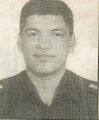
Major Mahesh Kumar Sihag

Nilam Sihag (Dr) RJS, Rajpura Churu

Labhu Ram Siyag, IPS

Siddharth Sihag and Rukmani Riyar Sihag IAS


See also
Further Reading
- Bongard-Levin, G.; Vigasin, A. (1984). The Image of India: The Study of Ancient Indian Civilization in the USSR, Moscow: Progress Publishers.
In News

दैनिक भास्कर में प्रकाशित गोष्ठी का समाचार

External links
- James Todd Annals
- The country of Assaka
- Asia's "Jats" and "Alani" Become Europe's "Jutes" and "Alans" - The Two Houses of Israel Information Center
- Jats and Jutes - The Lost Aryan Race Connection - YouTube
References
- ↑ Jat History Dalip Singh Ahlawat/Parishisht-I, s.n. स-70
- ↑ Jat History Thakur Deshraj/Chapter IX,p.695
- ↑ Dilip Singh Ahlawat: Jat viron ka Itihas
- ↑ Jat History Dalip Singh Ahlawat/Chapter IV, p.341
- ↑ O.S.Tugania:Jat Samuday ke Pramukh Adhar Bindu,p.62,s.n. 2450
- ↑ Jat History Dalip Singh Ahlawat/Parishisht-I, s.n. स-99
- ↑ O.S.Tugania:Jat Samuday ke Pramukh Adhar Bindu,p.62,s.n. 2450
- ↑ Dr Ompal Singh Tugania: Jat Samuday ke Pramukh Adhar Bindu, p.27,sn-5.
- ↑ Dr Ompal Singh Tugania: Jat Samuday ke Pramukh Adhar Bindu, p.27,sn-5.
- ↑ Jat History Dalip Singh Ahlawat/Parishisht-I, s.n. स-70
- ↑ B S Dahiya:Jats the Ancient Rulers (A clan study)/Jat Clan in India,p.236,s.n. 6
- ↑ Thakur Deshraj, Jat Itihas, p. 269-285
- ↑ An Inquiry Into the Ethnography of Afghanistan,H. W. Bellew, p.120
- ↑ Annals and Antiquities of Rajasthan, Volume II, Annals of Jaisalmer, pp.209, fn-5
- ↑ V. S. Agrawala: India as Known to Panini, 1953, p.38, 61, 425
- ↑ V. S. Agrawala: India as Known to Panini, 1953, p.420
- ↑ Natural History by Pliny Book VI/Chapter 32
- ↑ Jat History Thakur Deshraj/Chapter V , p. 143-144
- ↑ Natural History by Pliny Book VI/Chapter 26
- ↑ Natural History by Pliny Book VI/Chapter 32
- ↑ YHRD - Y Chromosome Haplotype Reference Database
- ↑ Thakur Deshraj, Jat Itihas, Delhi, 2002, p. 269-285
- ↑ Annals and Antiquities of Rajasthan. (1829-1832) James Tod and William Crooke, Reprint: Low Price Publications, Delhi (1990), Vol.II, Appendix. pp. 1126-1127
- ↑ History of the Jats:Ram Swarup Joon , 1938, 1967
- ↑ History of the Jats: Ram Swarup Joon , 1938, 1967
- ↑ History of the Jats: Ram Swarup Joon , 1938, 1967
- ↑ An Inquiry Into the Ethnography of Afghanistan By H. W. Bellew, p.167
- ↑ James Todd Annals/Sketch of the Indian Desert,p.1297
- ↑ Dr Pema Ram:Rajasthan Ke Jaton Ka Itihas, p.14
- ↑ Ram Sarup Joon: History of the Jats/Chapter III, p.40-41
- ↑ Ram Swarup Joon: History of the Jats/Chapter V, p. 102-103
- ↑ Dr Ompal Singh Tugania: Jat Samuday ke Pramukh Adhar Bindu,p.21
- ↑ Mansukh Ranwa: Kshatriy Shiromani Veer Tejaji, 2001, p. 21
- ↑ Mansukh Ranwa: Kshatriy Shiromani Veer Tejaji, 2001, p. 26
- ↑ Dr Karni Singh (1947): The Relations of House of Bikaner with Central Power, Munsi Ram Manohar Lal Pub. Pvt, 54 Rani Jhansi Road, New Delhi.
- ↑ Dr Brahmaram Chaudhary, The Jats, Vol. 2, Ed Dr Vir Singh, Originals, Delhi, 2006, ISBN 81-88629-52-9, p. 250
- ↑ Thakur Deshraj, Jat Itihas (Hindi), Maharaja Suraj Mal Smarak Shiksha Sansthan, Delhi, 1934, 2nd edition 1992, p. 617
- ↑ Ramratna Charan, Itihas
- ↑ Elliot, op. cit., Vol.I, p.133
- ↑ Muhammad Qasim Hindu Shah Firista, Gulsan-i-Ibrahimi, commonly known as Tarikh-i-Firishta, Nawal Kishore edition, (Kanpur, 1865), Vol.I, p.35
- ↑ Dr S.Jabir Raza, The Jats - Their Role and Contribution to the Socio-Economic Life and Polity of North and North West India. Vol I, 2004, Ed Dr Vir Singh
- ↑ Inscription No.1, Tod, op.cit., Vol.I, p. 622-23.
- ↑ Encyclopedia of Islam, vol.II, p.488
- ↑ Chachnama, pp.98, 117,131
- ↑ Zai'nul-Akhbar, p.191; Tarikh-i-Firishta, Vol.I,p.35
- ↑ Chachnama, pp.104,167
- ↑ Richard F. Burton, op. cit., p.246
- ↑ Inscription No.1, Tod, op.cit., Vol.II, Appendix pp. 914-917.
- ↑ Dr S.Jabir Raza, The Jats - Their Role and Contribution to the Socio-Economic Life and Polity of North and North West India. Vol I, 2004, Ed Dr Vir Singh
- ↑ Inscription No.II, Tod, op.cit., Vol.II, Appendix, pp. 917-919 and n. 13
- ↑ Chachnama, p.166
- ↑ Dr S.Jabir Raza, The Jats - Their Role and Contribution to the Socio-Economic Life and Polity of North and North West India. Vol I, 2004, Ed Dr Vir Singh
- ↑ Hasan Nizami, Tajul-ma'asir, Fascimile translation in ED, Vol. II, p.218
- ↑ A B Jibraeil: "Position of Jats in Churu Region", The Jats - Vol. II, Ed Dr Vir Singh, Delhi, 2006, p. 223.
- ↑ James Todd, Annals and Antiquities, Vol.II, p. 1126=27
- ↑ Ibid., Seventh clan of Jats
- ↑ James Todd, Annals and Antiquities, Vol.II, p. 1126=27
- ↑ G.S.L.Devra, op. cit., Cf. Dayaldas ri Khyat, Part II, p. 7-10
- ↑ History of the Jats: Ram Swarup Joon , 1938, 1967
- ↑ G.S.L.Devra, op. cit., Cf. Dayaldas ri Khyat, Part II, p. 7-10
- ↑ चौधरी हरिश्चंद्र नैन, बीकानेर में जनजाति, प्रथम खंड, पेज 18
- ↑ Dr Pema Ram, The Jats Vol. 3, ed. Dr Vir Singh,Originals, Delhi, 2007 p. 205-206
- ↑ G.S.L.Devra, op. cit., Cf. Dayaldas ri Khyat, Part II, p. 7-10
- ↑ Jat History Dalip Singh Ahlawat/Chapter IV, p. 341
- ↑ जाट वीरों का इतिहास: दलीप सिंह अहलावत, पृष्ठ.303-304
- ↑ History of the Jats/Chapter V,p.102
- ↑ Jat History Dalip Singh Ahlawat/Chapter IV,p.361
- ↑ जाट समाज, अक्टूबर,2013,p.26
- ↑ जाट समाज, अक्टूबर,2013,p.26
- ↑ Dahlaquist, Allan (1996). Megasthenes And Indian Religion - Volume 11 of History and Culture Series. Motilal Banarsidass Publ. p. 386. ISBN 8120813235, 9788120813236.
- ↑ Megasthenes; Schwanbeck, E. A. (1846). Indica. Sumptibus Pleimesii, bibliopolae (Original: Oxford University)
- ↑ Thakur Deshraj, Jat Itihas, 1934, pp. 616-624.
- ↑ An Inquiry Into the Ethnography of Afghanistan, H. W. Bellew, p.69
- ↑ An Inquiry Into the Ethnography of Afghanistan, H. W. Bellew, p.78
- ↑ Cap. Dalip Singh Ahalawat - article published in Jat Samaj Patrika (Oct./Nov.1991)
- ↑ Cap. Dalip Singh Ahalawat - article published in Jat Samaj Patrika (Oct./Nov.1991)
- ↑ James Todd, Annals and Antiquities, Vol.II
- ↑ M. Iuniani Iustini epitoma Historiarum Philippicarum Pompei Trogi, Accedunt prologi in Pompeium Trogum", p. 323. Ed. Otto Seel. (Stuttgart 1972). (Latin text based on an edition of Franz Ruel)
- ↑ Thakur Deshraj: Jat Ithas, Delhi, 1992
- ↑ Thakur Deshraj: Jat Ithas, Delhi, 1992
- ↑ Mangal Sen Jindal (1992): History of Origin of Some Clans in India (with special Reference to Jats), (ISBN 81-85431-08-6)
- ↑ Tod, J., (Lt. Col.), Annals and Antiquities of Rajasthan, Vol.1, Routledge & Kegan Paul Ltd., London, 1972 (reprint), first published in 1829, pp. 623.
- ↑ G. Bongard-Levin and A. Vigasin, Soviet studied,Russia.
- ↑ Mahabharata (VII. 61.39)
- ↑ Raychaudhuri, Hemchandra (1972) Political History of Ancient India, University of Calcutta, Calcutta, p.80
- ↑ Raychaudhuri, Hemchandra (1972) Political History of Ancient India, University of Calcutta, Calcutta, p.80
- ↑ 87.0 87.1 Kishori Lal Faujdar:Jat Samaj Monthly Magazine, Agra, January/February (2001) page-6
- ↑ 88.0 88.1 Sadananda Agrawal: Śrī Khāravela, Published by Sri Digambar Jain Samaj, Cuttack, 2000
- ↑ User:Rahar007
- ↑ User:Sumitk543
- ↑ User:Saharan88
- ↑ User:Abhimanyusingh9
- ↑ https://www.jatland.com/forums/showthread.php/40442-गोत्र-जोड़ने-बाबत
- ↑ Saharanrahul004
- ↑ User:Gsswami
- ↑ User:Godaradudi
- ↑ User:Sk56
- ↑ User:Sk56
- ↑ Jat History Dalip Singh Ahlawat/Chapter III (Page 304)
- ↑ James Todd Annals/Sketch of the Indian Desert, Vol.III,pp.1297
- ↑ Thakur Deshraj:Jat Jan Sewak, 1949, p.210-213
- ↑ Thakur Deshraj:Jat Jan Sewak, 1949, p.207
Back to Jat Gotras / Jat Kingdoms in Ancient India
- Jat Gotras
- Gotras after Persons
- Haryana
- Punjab
- Uttar Pradesh
- Madhya Pradesh
- Andhra Pradesh
- Gotras in Churu
- Gotras in Jaipur
- Gotras in Sikar
- Gotras in Nagaur
- Gotras in Jodhpur
- Gotras in Barmer
- Gotras in Jaisalmer
- Gotras in Pali
- Gotras in Jalor
- Gotras in Chittorgarh
- Gotras in Hanumangarh
- Gotras in Bikaner
- Gotras in Ganganagar
- Gotras in Tonk
- Gotras in Bhiwani
- Gotras in Sirsa
- Gotras in Fatehabad
- Gotras in Hisar
- Gotras in Jhajjar
- Gotras in Jind
- Gotras in Mahendragarh
- Gotras in Mandsaur
- Gotras in Dhar
- Gotras in Nimach
- Gotras in Ratlam
- Gotras in Hoshangabad
- Gotras in Sehore
- Gotras in Harda
- Gotras in Khandwa
- Gotras in Ujjain
- Jat Kingdoms in Ancient India
- Jat History
- Ancient Jat Gotras
- The Mahabharata Tribes
- Chauhan History
- Jat Gotras in Afghanistan
- Gotras after Weapons
- Genealogy
- Bard History