Sangwan
Sangwan (सांगवान)[1][2] Sangwan (साङ्गवान) Sangwan (सांगवाण)[3] Sagwan (सगवान)[4] Sagwan (सागवाण) Sogwan (सोगवान) Sagun (सागूण) is a clan or gotra of Jats found in Rajasthan,[5] Madhya Pradesh, Uttar Pradesh and Haryana in India. Sangu, Jakhu and Kada were in relation and they are said to have given names to Sangwan, Jakhar and Kadyan Jat gotras.[6] They were supporters of Saroya Confederacy. [7]
Origin
- The present name of Sangwan Gotra came from Raja Sangram Singh or Sangu who came to Charkhi Dadri area in Haryana from Ajmer in Rajasthan after a long war between old Kshatriya Jat Aryas and newly formed Rajput Kingdoms of Rajasthan.[8]
- Hawa Singh Sangwan [9] considers original Gotra of Sangwans to be Kashyap.
- सांगू के नाम पर सांगवान जाट गोत्र प्रचलित हुआ है.[11]
The Chronology of Sangwans
The Chronology of Sangwan Gotra Rulers is compiled on the basis of Jat History Thakur Deshraj/Chapter IX ( p.595-596) and Jat Varna Mimansa (1910) (p.21-22) by Pandit Amichandra Sharma.
- 1. Aadi Raja (1015 AD) - Adu or Yadu Raja, Suryavanshi Saroha Kshatriya, thirteen Sangwan rulers (S.No. 1-13) ruled at Sarsu Jangala
- 2. Yugadi Raja (1040 AD)
- 3. Brahmdutta Raja (1065 AD)
- 4. Atarsom Raja (1090 AD)
- 5. Nand Raja (1115 AD)
- 6. Mahanand Raja (1140 AD)
- 7. Aganikumar Raja (1165 AD)
- 8. Maer Raja (1190 AD)
- 9. Marich Raja (1215 AD)
- 10. Kashyap Raja (1240 AD)
- 11. Surya Raja (1265 AD)
- 12. Salibahan Raja (1290 AD)
- 13. Lahar - Lahari Raja (1315 AD) - Founded kingdom at Leeri village in Peesangan tahsil of Ajmer district in Rajasthan with the capital named after him.
- 14-21. Nine generations ruled at Leeri (Ajmer) (total period about 225 years)
- 22. Sangram Singh (1540 AD) - He left Leeri (Ajmer) and came to Dadri area in between 1540-45 AD during rule of Shersah Suri (r.1540-45 AD). The period is calculated from known period of Sangram Singh (1540 AD) assuming each generation of 25 years.
- 23 Khamu (1560 AD): From here onward genealogy is provided according to Jat Varna Mimansa (1910) by Pandit Amichandra Sharma, calculating period of each generation @20 years each.
- 24 Vangu (1580 AD)
- 25 Dujan (1600 AD)
- 26 Sedda (1620 AD)
- 27 Dungar (1640 AD)
- 28 Buda (1660 AD)
- 29 Kaursil (1680 AD)
- 30 Rupchand (1700 AD)
- 31 Madhio (1720 AD)
- 32 Kesari Singh (1740 AD)
- 33 Abhay Ram (1760 AD)
- 34 Tulsi Ram (1780 AD)
- 35 Bahadur (1800 AD)
- 36 Daula (1840 AD)
- 37 Chetram (1860 AD)
- 38 Lakshman (1880 AD)
- 39 Harnarayan (1900 AD) (Jhojhu Kalan)
- 40 Bharat Singh (1920 AD)
History
.jpg)
Ram Swarup Joon[12] writes about Sangwan - Sanga: They also belong to Jakhar dynasty. A King of the Sangwan gotra ruled in the Sarsu jungles of Mewar. According to Amin Chand, the author of 'Jat Varna Mimansa', their early rulers were Brahmadutt Somaud, Agni Kumar, Marichi, Surya and Shalbhan. They have about 40 villages in Dadri and they are also found in Amritsar, Ferozepur and Patiala. In the Jhelum and Gujrat regions they are called Sanga.
Ram Sarup Joon[13] quotes Alberuni, the eminent historian, who writes that Chittor was governed by Jatrana (Jat) Kings and its old name was 'Jator', where 'Mansarovar' exists in the memory of King Maninder Jatrana. According to the writings of Pandit Ami Chand, 14 Sangwan (Jat) Kings again governed Chittor and their capital was in Sarso Jungle.
Thakur Deshraj[14] writes that The Leeri (लीड़ी) village founded by Lahari Raja in Peesangan tahsil in Ajmer district in Rajasthan was the capital of rulers of Sangwan clan.
Thakur Deshraj[15] writes that the Sangwan Jats ruled at Sarsu in Jangladesh region of Rajasthan in 8th to 10th century.
Thakur Deshraj[16] writes thatThe Lahari Raja came to Ajmer area after long fight with Rajputs in Marwar area. Their title changed to Rana in Ajmer. There is one town "Lahar" in Bhind district of Madhya Pradesh. Surname Rana and Lahari are found in this part of Madhya Pradesh. The kingdom name was Lahadi in the name of Raja Lahari. The present name is village Lihdi near Ajmer. Sangwan Jats ruled here for 9 generations. Last king of this clan in Ajmer area was Sangram Singh or Sangu. He left the land Ajmer-Merwara. Dada Sangu came to Dadri area in 1540-45 AD during rule of Shersah Suri.
H.A. Rose [17] writes that Jakhar (जाखड़) is a tribe of Deswali Jats, claiming (Chauhan or Udhi) descent. Jaku, their eponym, migrated from Bikaner to Jhajjar in Rohtak. A Raja of Dwarka had a bow which Jaku failed to bend, in spite of the promised reward. In shame he left his native land and settled in Bikaner. The legend clearly points to the loss of military status by the Jakhars. Of the same stock are the Sangwan, Piru, and Kadian Jats.
Villages founded by Sangwan clan
- The Leeri (लीड़ी) village founded by Lahari Raja in Peesangan tahsil in Ajmer district in Rajasthan was the capital of rulers of Sangwan clan. [18]
- Sangwanon Ki Dhani (सांगवानों की ढ़ाणी) - village in district Nagaur in Rajasthan.
- Dhani Sangwan (ढाणी सांगवान) - Village in Rajgarh tahsil of Churu district in Rajasthan.
सांगवाण गोत्र का इतिहास
पंडित अमीचन्द्र शर्मा[19]ने सांगवाण गोत्र गोत्र का इतिहास और वंशावली निम्नानुसार दी है:
[p 21]: सांगवाण गोत्र का बड़ा सांगू सरोहा क्षत्रिय था। सरोहा संघ मुख्यत: जाट गोत्रों से ही बना था। सांगू अजमेर से चलकर हिसार प्रांत में आकर बसगया। सांगू के बड़े सूर्यवंशी सरोहा क्षत्रिय थे। उनकी पदवी राजा की थी। सांगू के पूर्वज मारवाड़ देशीय सारसू जांगला नामी ग्राम में रहते थे। इनका पूर्वज आदि राजा था। उसकी संतान 13 पुश्त तक सारसू जांगला रही। पीछे आदिराजा की संतान के लोग अजमेर आकर बसे। 9 पुश्त तक अजमेर में रहे। पुनः सांगू किसी कारण से अजमेर से चलकर चरखी और दादरी के बीच जंगल में एक कूप पर आकर रुक गए। उस कूप के पास खेड़ी ग्राम बसता है। सांगू के 3 भाई और थे वे भी साथ ही आए थे।
सांगू की संतान के 40 ग्राम तो तहसील दादरी रियासत जींद में हैं। अन्य प्रान्तों में भी सांगवान गोत्र के बहुत गाँव हैं। सांगू का डीघल ग्राम में, जो अब जिला रोहतक में है,
[प.22]: सांगू जाटों के धडे में मिल गया। झोझु ग्राम के सांगवान गोत्र के जाटों की वंशावली निम्नानुसार है।
1 आदि राजा, 2 युगादिराजा, 3 ब्रहमदत्त राजा, 4 अतरसोम राजा, 5 नन्द राजा, 6 महानन्द राजा, 7 अग्निकुमार राजा, 8 मेर राजा ,9 मारीच राजा, 10 कश्यप राजा, 11 सूर्य राजा, 12 शाह राजा, 13 शालीवाहन राजा।
यहाँ तक सारसू जांगल में रहे थे। और राजा की पदवी भी रही।
शालीवाहन का पुत्र लहर हुआ वह अजमेर आ गया। उसकी राणा की पदवी हो गई। 9 पीढ़ी तक अजमेर में रहे। लैहर से 9 पीढ़ी पीछे आकर राणा सांगू हुआ। अब सांगू से लेकर झोझू निवासी हरनारायण प्रधान आर्यसमाज झोझु तक की वंशावली इस प्रकार है –
1 राणा सांगू (1450 ई.), 2 खमू, 3 वणगू, 4 दूजन, 5 सेद्दा, 6 डूंगर, 7 बूड़ा, 8 कौरसिल, 9 रूपचन्द, 10 माधो, 11 केसरीसिंह, 12 अभयराम, 13 तुलसीराम, 14 बहादुर, 15 दौला, 16 चेतराम, 17 लक्ष्मण, 18 हरनारायण, 19 भरतसिंह
आदिराजा सरोहा क्षत्रिय हैं और उनके वंशज सांगू भी क्षत्रिय हैं। यह विवरण मुझको झोझु ग्राम निवासी पंडित मोहरसिंह ने लिखवाया।
ठाकुर देशराज लिखते हैं
ठाकुर देशराज लिखते हैं कि सांगू के नाम पर उसके साथी सांगवान कहलाये। ये कश्यप गोत्री जाट हैं। आरम्भ में इनका राज्य मारवाड़ के अन्तर्गत सारसू जांगल प्रदेश पर था। इनके पुरखा आदू अथवा आदि राजा से लेकर 13 पीढ़ी तक इनका राज्य सारसू जांगला पर रहा। जिन 13 सांगवान राजाओं ने मारवाड़ के सारसू जांगला प्रदेश पर राज्य किया, उनके नाम क्रमशः इस प्रकार हैं-(1) आदि राजा, (2) युगादि राजा, (3) ब्रह्मदत्त राजा, (4) अतरसोम राजा, (5) नन्द राजा, (6) महानन्द राजा, (7) अग्निकुंमार राजा, (8) मेर राजा, (9) मारीच राजा, (10) कश्यप राजा, (11) सूर्य राजा, (12) सूर्य राजा, (13) शालिवाहक राजा।
जाट इतिहास:ठाकुर देशराज,पृष्ठान्त-595
इन तेरह जाट राजाओं ने सारसू जांगला में राज किया और राजा की पदवी से भूपित भी रहे।
शालिवाहन के उत्तराधिकारी का नाम लैहर अथवा लहरी था। वह जांगला देश को छोड़कर अपने साथियों समेत अजमेर में आ गया। यहां उसकी पदवी राणा की हो गई। इस समेत नौ पीढ़ी तक सांगवान गोत के जाट नरेशों ने अजमेर की भूमि पर राज्य किया। हमारे मत से लैहर ने जिस स्थान को अपनी राजधानी बनाया था वह वर्तमान का लीड़ी ग्राम हो सकता है। लहैड ने अपने नाम से जो नगर होगा, वह आरम्भ में लैहड़ी रहा होगा और वही वर्तमान में लीडी हो सकता है। इस कुल का अन्तिम राजा संग्रामसिंह अथवा सांगू था। सांगू और उसके साथी मेरवाड़े की भूमि को छोड़कर चर्खी दादरी की ओर चले गये। भाट-ग्रन्थों में जो वंशावली दी गई है, उससे सांगू का समय पन्द्रहवीं-सोलहवीं सदी के बीच का जान पड़ता है और वह शेरशाह सूरी का समय कहा जा सकता है। भाट-ग्रन्थों में सांगू को अब से 20 पीढ़ी पहले लिखा है। औसतन 20 पीढ़ी के 400 वर्ष माने जाते हैं। इसीलिए हमने सांगू को पन्द्रहवीं-सोलहवीं शताब्दी के मध्य में बताया है। इनका प्रथम राजा जो कि मारवाड़ में सारसू-जांगला पर राज करता था, उस समय आठवीं, दसवी सदियों के बीच का हो सकता था, क्योंकि उसे अब से 50 पीढ़ी पहले बताया गया है।[20]
Sangwan Pal
Sangwan Pal has 84 villages around Charkhi Dadri in Bhiwani district in Haryana, out of these the main villages are Talu (तालू) , Baland (बालंद) , Surhati (सुरहती) , Birhi Kalan (बिरही कलां) . This khap has the descendants of Sangu and the Sangwan Jats. [21]
सांगवान पाल
75. सांगवान पाल - इस खाप के हरियाणा प्रांत में चरखी दादरी के आसपास 84 गांव हैं जिनमें तालु, बालन्द, सुरहती, बिरही कलां आदि मुख्य हैं. इस खाप में सांगू के वंशज और सांगवान गोत्र के जाट बसते हैं. चौधरी हुक्म सिंह पूर्व मुख्यमंत्री हरियाणा सांगवान खाप के हैं. इस खाप ने कई राजनेता, सांसद, फौजी अफसर पैदा किए हैं.[22]
Distribution in Haryana
Raja Samgram Singh was a brave king. He bought horses from Arab and Kabul. He married 7 times. His first marriage was in Sheorayan Gotra Jats and last time to a Baloch girl in Afghanistan. Today there are 44 Sangwan villages in Dadri area. Charkhi is a head village well known for so many other wars with Mughal, British and Maharaja Jind.
Dada Sangu Married Thrice and he had children from all the thee wives. The Sangwan villages which were 40 at that time were distributed among 3 sons as:
22 - Head Village Charkhi 13 - Head Village Jhojhu Kalan 7 - < No Info>
Still, Sangwan Khaap Head is selected from Village Charkhi Only.
Dada Dohla was Guru of Dada Sangu and Dohla temple is situated on a hill near village Mehra/Jhojhu, and is worshiped by all Sangwan and other Jats in region. Thousands of People gather there in the temple every Poornima".
There is Sangu Dhaam Temple (40 meter Height) in village Kheri, near Charkhi Dadri, Dist. Bhiwani, Haryana. Hierarchy of Sangwan Khaap or Sangwan Chalishi (40 Sangwan Villages) Head (upper to down trend) is: - Sangwan‘s 40 Villages Head from - village Charkhi; Sangwan‘s 22 Villages Head from - village Birhi; Sangwan‘s 13 Villages Head from - village Jhojhu; Sangwan‘s 5 Villages Head from - village Tiwala.
Heads of Sangwan Khaap are elected from and by respective villages only (as such there is no election procedure, the Sangwan Khaap Head is elected with the consent of all the villagers); no other village from Sangwan Khaap will take part in their election and no person outside these villages can't get elected as Sangwan Khaap Head from very beginning (eg: Sangwan Khaap Head is elected by Charkhi village only and from Charkhi village itself with the consent of all Charkhi village residents).
Villages in Panipat district
Villages in Karnal district
Villages in Bhiwani district
Aadampur Dadi(आदमपुर दाडी), Asawari Atela Kalan, Atela Khurd, Atela Naya, Badal, Balali, Barsana, Barwas, Bhairavi, Bhera, Bilawal, Bindraban, Birhi Kalan(बिरही कलां), Chandeni, Charkhi(चरखी), Chhapar(छपार), Damkora, Dhigava, Dohka Dina, Dohka Hariya, Dohka Moji, Dohki, Gauripur(गौरीपुर), Ghasola, Gheekada(घीकाडा), Gudana, Isharwal, Jarwai Jatai Bhiwani, Jhojhu Kalan (झोझू कलां), Jhojhu Khurd (झोझू खुर्द), Kalali, Kaluwala, Kheri Battar, Kheri Boora, Kitlana, Mandhan Tosham, Mandholi Kalan, Mandola, Mankawas (माणकावास), Mehra village, Meetathal, Mirch, Paintawas Kalan, Paintawas Khurd, Pandwan, Pichopa Kalan, Pichopa Khurd, Ramalwas, Rambass Rasiwas, Saarangpur (सारंगपुर), Sahuwas(साहुवास), Shishwala, Sonf (सौफ कासनी ) Taalu, Tiwala,
Villages in Charkhi Dadri district
Villages in Hisar district
Villages in Jhajjar district
Cheemni, Kharman (खरमाण), Sarai Aurangabad (सराय औरंगाबाद),
Villages in Yamuna nagar District
Bapauli, Chaneti, Munda Majra, Tejli
Villages in Kurukshetra District
Gisarpadi, Sanghor, Thol, Umri,
Villages in Sonipat District
Villages in Rewari District
Villages in Rohtak District
Villages in Jind district
Distribution in Punjab
Sangwan Akalgarh Dhaktaana, Dist Mohali population is 840 in Patiala district. [23] Sangwan population is 1,503 in Amritsar district. [24]
Distribution in Delhi
Villages in Delhi
Badu Sarai, Devli, Pahari Dheeraj, Dichaon Kalan.
Distribution in Uttar Pradesh
Villages in Meerut District
Arnawali, Bafar, Dungar, Ikla, Janjokhar (also spelt as Jinjokhar) Kalanjari, Kherki Muzakkipur, Kitholi, Shekhpuri,
Villages in Moradabad District
Adola Mafi (Tehsil-Sambhal),
Villages in Baghpat district
Rasoolpur Sankal Poothi, Raghunathpur (Tehsil-Baleni),
Villages in Bulandsahar district
Khad Mohan Nagar, Salabad Dhamaira (सलाबाद धमैडा),
Villages in Hapur district
Villages in Bijnor district
Rawanpur(रवनपुर),
Distribution in Uttarakhand
Villages in Udham Singh Nagar District
Bazpur (U.S.Nagar)
Distribution in Madhya Pradesh
In Madhya Pradesh they are found in Bhopal and beora rajgarh. Ratlam 1,
Villages in Bhopal district
Villages in Raisen district
Distribution in Rajasthan
Locations in Jaipur city
Ajmeri Road, Ambabari, Maharani Farm, Murlipura Scheme,
Villages in Churu district
Bas Bharind, Bas Mamraj, Bewad, Chandgothi, Dhani Khudani, Dhani Sangwan, Gagor, Ghasla Aguna, Gothyan Chhoti, Hamirwas, Harpalu Taal, Hira Ka Bas (Rajgarh), Kalri, Khairu Bari, Kirtan, Lalgarh, Nyangal Bari, Nyangal Chhoti, Ojhariya, Ragha Bari, Rajgarh, Sardarshahar, Shyopura, Thanmathui,
Villages in Sikar district
Pratappura, Ramgarh, Sikar, Utrada mohala malikpur,
Villages in Jhunjhunu district
Bhaloth, Dhani Bhalot, Doodwa, Doodhee, Haripura, Leekhawaa, Pilani, Sardarpura (Chhapra Ka Bas),
Villages in Nagaur district
Deh, Dholerav Kalan, Pharaspura, Sadokan, Sagwanon Ki Dhani,
Villages in Tonk district
Chaugai (17)
Villages in Jodhpur District
Notable persons
- Karan Sangwan - Social Media Teacher
- H.C Raj. Police चौधरी Mahendra singh Sangwan गाव Mandola Charkhi Dadri
- चौधरी हुक्म सिंह पूर्व मुख्यमंत्री हरियाणा सांगवान खाप के हैं. [25]
- Chaudhary Tara Chand Sangwan from Paintawas Khurd Charkhi Dadri . Ex-Army Man, served in Indian railways as Goods Inspector .
- Ajit Singh Sangwan, from Paintawas Khurd, Charkhi Dadri. M.Sc. Mathematics from Delhi university 1973, Manager and Auditor in UCO BANK, Georgian from Dholpur Military School, Dholpur, [Rajasthan
- Choudhary Jagdish Chand - Remained M.L.A. from 1946 to till death in 1969, except one term from 1962 to 1967. He belonged to Sangra gotra.
- Lahari Raja (1315 AD) - Founded kingdom at Leeri village in Peesangan tahsil of Ajmer district in Rajasthan with the capital named after him.
- Rana Sangu or Sangram Singh (1540 AD) - He left Leeri (Ajmer) and came to Dadri area in between 1540-45 AD during rule of Shersah Suri (r.1540-45 AD).
- Shiv Karan Sangwan (श्री पंडित शिवकरण प्रभाकर) (सांगवान), from Dohki (डोहकी), Charkhi Dadri, Bhiwani was a social worker and freedom fighter in Bhiwani, Haryana. [26]
- Major General Umrao Singh Sangwan Retd. from village Atela Khurd district Bhiwani, Haryana.
- Leela Ram Pahalwan - Wrestler
- Ravinder Singh (Sangwan) - From village Kharman district Jhajjar won Gold Medal in Common Wealth Games 2010 at Delhi in Wrestling 60 Kg.
- N.K. Sangwan - IRS, Chief Commissioner, Delhi
- Usha Sangwan - MD, LIC (First Lady MD of LIC)
- Dr Sukhvir Singh Sangwan - Awarded Dr B C Ray National award by President of India
- Smt Bimla Sangwan - Ex Chairperson of Mahila Vikas Nigam, Haryana
- Kishan Singh Sangwan - 3 times MP from Sonipat Lok Sabha constituency. He breathed his last on 22 August 2013. [1]
- Dayanand Sangwan - Veer Chakra, Martyr of 1971 Indo-Pak War.
- Pyare Lal Sangwan - Basically from Damkora. Presently residing at Loharu (Tehsil Headquarter) of Bhiwani District. Educationalist, Senior Lecturer by profession. Social Reformer. 61 Times Blood Donor.
- Hawa Singh Sangwan - retired commandant , social reformer , whistle blower of Jat reservation movement in Haryana , author of books 'asali lutere koun?' 'choudhary chhoturam ka hatyara kaun? ayodhya me ayodha
- Ramprakash Sangwan - Basically from Village Damkora. Presently residing at Gurgaon. Doctorate in Naturopathy & Yogic Science. Holding the responsibility of General Secretary of the Residents Welfare Association of Sector-5, Gurgaon. Officer in Food Corporation of India. [Mob- 09868900054]
- Brig. M. S. Sangwan (Retd.) - Basically from Village Jhojhu Khurd, Now setteled in Gurgaon
- Vivek Sangwan - From Damkora, residing at gurgaon,working with THE JOINT VENTURE OF 'HILTON' AND 'OBEROI HOTELS'.
- Virender Singh Sangwan - Shati Swarup Bhatnagar Award
- Satpal Sangwan - Ex MLA from Charkhi Dadri.
- Sombir Sangwan - MLA (Won election in 2019)
- Jaggi Sangwan - Ex MLA from Charkhi Dadri.
- Lila Ram Sangwan - Goldmedalist in wrestling in Commenwealth Games
- Raj Kumar Sangwan - Arjun award winner - 1996
- Pradeep Sangwan - Cricketer
- Soni Sangwan - TV journalist
- Lt. Colonel Pradeep Sangwan
- J.P.S Sangwan - I.A.S (Rtd.), Faridabad Jat Sabha.
- Dr. R. S. Sangwan - Sangwan Nursing Home, Sirsa
- Mahendra Singh Sangwan - IFS, Haryana - 1989 Batch
- Dr. Rajender Singh Sangwan - Scientist
- Brig. Brijendra Singh (Sangwan) - Retired Poona Horse Officer
- Yogeshwar Sangwan - IFS, Haryana
- Harish Chander Sangwan - An Environmentalist from Jhojhu Village
- Vijender Singh Sangwan - Technocrat, Environmentalist and social activist in Sweden
- Minter Singh Sangwan - Winner of Presidents Police Medal for Gallantry belongs to Jhojhu Kalan.
- Dharam Sangwan Paintawasiya - Wrestler
- Virender sangwan-MLA haryana
- Monika Sangwan - First girl to perform Ghurchari in marriage rituals
- Sukhdeep Sangwan - IC-45009F Brigadier Sukhdeep Sangwan Rajputana Rifles / Headquarters 112th Mountain Brigade Army. Awarded with Sena Medal (Devotion to Duty) on 26 January 2012.[27]
- Col Risal Singh Sangwan - Pradhan Sangwan Khap
- Capt Suman Sangwan Gudhaan - second woman from Haryana to climb Mt Everest.
- Narender Sangwan - MLA Gharonda
- Maj Narpender Sangwan Rasiwas - Ex MLA
- Maj Meer Singh Jhojju - Ex MLA
- Zile Singh Sangwan Mankawas - Ex SE
- Captain Poonam Sangwan - From village Kheri Boora (Bhiwani) started Mount Everest Abhiyan on 23 May 2012 and climbed it on 26 May 2012. (Jat Jyoti:4/2013)
- Dr.Kanwarpal Singh Sangwan-From village Sankalputhi (Baghpat) in UP,Head, Dairy Sc.& Technology Dept. Janta Vedic College,Baraut,UP(Formerly Jat College).
- Suraj Mal Sangwan - Ch. Suraj Mal Sangwan is author of the book 'Kisan Sangharsh aur Vidroh'.
- Dhalait (ढलैत) of Garh Takena (Rohtak) Haryana was commander of Sarvkhap Army who was an instrument in destroying the Nawab of Kalanaur.
- कै० सुमन सांगवान - प्रथम वर्दीधारी उच्च-अधिकारी महिला जो ‘माउंट ऐवरस्ट’ पर चढ़ी ।
- Ram Chander Sangwan - From Village Nuran Khera, Ex Sub Inspector Police Haryana.
- Mohinder Singh Sangwan - From Village Nuran Khera,Former Professor, Plant Pathology, CCS HAU, Hisar
- Naresh Kumar Sangwan - From Village Nuran Khera, Former Professor of Chemistry, CCS HAU, Hisar.
- Shahid Major Dharmesh Kumar Sangwan - From Kheri Bhiwani, became martyr in Sudan when Indian Peace Keeping Force encountered with militants. [28]
- Sachin Sangwan: Judge Tees Hazari Delhi, Home District Yamunanagar, Haryana. Residence Saket Delhi, M: 09650696124
- Vikas Sangwan: IRS 2008 batch, DCIT, TPO, New Delhi, M: 9999886030
- Ashish Sangwan: IAS-2015 Rank 12 ....From Chandeni, Bhiwani, Haryana,
- Sarvapriya Sangwan - Broadcast Journalist at BBC World Service, Former Anchor at NDTV, https://www.facebook.com/sarvpriyas. She bagged Ramnath Goenka award. President of India presented this prestigious award to righteous and brave journalist Sarvpriya Sangwan.
- Nitin Sangwan - IAS(2016), Gujarat Cadre
- Mahavir Singh Sangwan -from Jhojhu Kalan Senior General Manager – HR of Hindustan Syringes & Medical Devices Ltd.
- Dr Daljit Singh (Sangwan), MD., DM, Air force, Assistant Chief of Air Staff (Medical). Native village - Thol District Kurukshetra, Hariyana.
- Maharaj Singh Bharti - MP Meerut 1967
- डा. अजीत सिंह सांगवान, चिकित्सक, कोलार भोपाल,

- Khajan Singh Sangwan (Hav) (15.03.1944 - 1988), Vir Chakra, was from Kheri Boora village in tahsil and district Charkhi Dadri of Haryana. He was awarded with Vir Chakra for his act of bravery in Indo-Pak War-1971. He retired from Army as Honourary Lieutenant.
- Rahul Sangwan 508 Rank IAS in 2022
- Sachin Choudhary Sangwan - Sportsman from Paintawas Kalan.

- Dayanand Ram Sangwan (1936 - 05.12.1971) became martyr on 05.12.1971 during Indo-Pak War-1971. He was from Chandeni village in Charkhi Dadri tehsil and district of Haryana.
- Unit - 3 Rajputana Rifles

- Satyawan Sangwan (Paratrooper) (23.04.1980 – 03.04.2004) became martyr of militancy 03-04-2004 in Bandipore district of Jammu and Kashmir. He was from Chandeni village, tehsil Dadri district Bhiwani, Haryana.
- Unit – 10 Parachute
Gallery of Sangwans
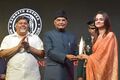
Sarvapriya Sangwan - Broadcast Journalist at BBC World Service, Former Anchor at NDTV, She bagged Ramnath Goenka award. President of India presented this prestigious award to righteous and brave journalist Sarvpriya Sangwan.


External links
- http://groups.yahoo.com/group/JatHistory/message/2497
- http://sangwanparivar.com/wp-content/pdf/book.pdf
References
- ↑ B S Dahiya:Jats the Ancient Rulers (A clan study), p.243, s.n.205
- ↑ Jat History Dalip Singh Ahlawat/Parishisht-I, s.n. स-15
- ↑ Jat History Dalip Singh Ahlawat/Parishisht-I, s.n. स-15
- ↑ Jat History Dalip Singh Ahlawat/Parishisht-I, s.n. स-10
- ↑ जाट इतिहास:ठाकुर देशराज,पृष्ठ-695
- ↑ Jat Varna Mimansa (1910): Pandit Amichandra Sharma, Published by Lala Devidayaluji Khajanchi, pp.21-24
- ↑ Jat Varna Mimansa (1910) by Pandit Amichandra Sharma,p. 57
- ↑ Jat History Thakur Deshraj/Chapter IX, p.595-596
- ↑ हवासिंह सांगवान जाट:असली लुटेरे कौन, 2009, पृ. 19
- ↑ Mahendra Singh Arya et al.: Ādhunik Jat Itihas, Agra 1998, p. 282
- ↑ Dr Ompal Singh Tugania, Jat Samuday ke Pramukh Adhar Bindu/Gotra, p.6
- ↑ Ram Swarup Joon: History of the Jats/Chapter V, p. 99
- ↑ Ram Sarup Joon: History of the Jats/ChapterVIII,p. 139
- ↑ Jat History Thakur Deshraj/Chapter IX, p.595-596
- ↑ Jat History Thakur Deshraj/Chapter IX, p.595-596
- ↑ Jat History Thakur Deshraj/Chapter IX, p.595-596
- ↑ A glossary of the Tribes and Castes of the Punjab and North-West Frontier Province By H.A. Rose Vol II/J,p.349-50
- ↑ Jat History Thakur Deshraj/Chapter IX, p.595-596
- ↑ Jat Varna Mimansa (1910), Author: Pandit Amichandra Sharma, Published by Lala Devidayaluji Khajanchi, pp.21-22
- ↑ जाट मीमांसा, पेज 22 (ले. अमीचन्द शर्मा)
- ↑ Ompal Singh Tugania : Jat Samuday Ke Pramukh Adhar Bindu, p . 22
- ↑ Ompal Singh Tugania : Jat Samuday Ke Pramukh Adhar Bindu, p . 22
- ↑ History and study of the Jats, B.S Dhillon, p.126
- ↑ History and study of the Jats, B.S Dhillon, p.124
- ↑ Ompal Singh Tugania : Jat Samuday Ke Pramukh Adhar Bindu, p . 22
- ↑ Thakur Deshraj:Jat Jan Sewak, 1949, p.512
- ↑ http://netindian.in/news/2012/01/25/00018449/368-republic-day-gallantry-other-defence-decorations-announced
- ↑ Jat Gatha, January-2016,p.18
- Thakur Deshraj: Jat Itihas (Hindi), Maharaja Suraj Mal Smarak Shiksha Sansthan, Delhi, 1934.
- Jat Viron Ka Itihas (Hindi): Capt Dalip Singh Ahalawat
Back to Jat Gotras
- Jat Gotras
- Gotras after Persons
- Rajasthan
- Haryana
- Punjab
- Madhya Pradesh
- Uttar Pradesh
- Uttarakhand
- Gotras in Charkhi Dadri
- Gotras in Hisar
- Gotras in Rewari
- Gotras in Sonipat
- Gotras in Jind
- Gotras in Rohtak
- Gotras in Panipat
- Gotras in Kurukshetra
- Gotras in Jhajjar
- Gotras in Yamunanagar
- Gotras in Meerut
- Gotras in Baghpat
- Gotras in Moradabad
- Gotras in Hapur
- Gotras in Udham Singh Nagar
- Gotras in Churu
- Gotras in Bhopal
- Gotras in Rajgarh
- Gotras in Sikar
- Gotras in Jaipur
- Gotras in Jhunjhunu
- Gotras in Tonk
- Gotras in Patiala
- Gotras in Amritsar
- Gotras in Ratlam
- Chauhan History
- Jat History
- Ancient Jat Gotras
- No Origin
- Kashyapagotri
- Saroya History