Agre
Agre (अग्रे)[1] / Agha (अघा)[2] Ag (अग)[3] Agah (अगा) Agi (अगि) Agach (अगाच)[4] Hunga (हुंगा) Henga (हेंग)[5] Hanga (हंगा)[6] Hanga (हांगा)[7] Hainga (हैंगा)[8] Hanga (हँगा) Haga (हागा)[9] Haga Chaudhary (हगा चौधरी) Agah Chaudhary (अगाह चौधरी) Hega (हेगा) Henga (हेंगा) are some of the names of the clans or gotra of the Jats found in Haryana , Uttar Pradesh and Rajasthan in India. Ako and Aka of Afghanistan stand for the Aga Jats.[10] Also these Henga Jats are non but the Hiang-nu of Chinese variants and Huns of Europe, these were the Huna mandal Rulers, who fought with almost every Indian power upto 10th century A.D. It was this clan which produced emperors like Touman, Maodun, Giya in the first three centuries prior to the Christian era.[11] Historian Capt. Dalip Singh Ahlawat mentions them as a Ruling Jat clan in China.[12]
Origin
- Agreya (आग्रेय) was an ancient Janapada in Punjab when Alexander attacked India. Probably they were ancestors of Agre people.
- This Agre clan has descended from Hagamasha who was a satrap of Mathura appointed by the Kushan ruler Kanishka. According to Bhim Singh Dahiya, name of the country Hungary is after the Henga or the Hunas clan. [13]
- यदुवंश के शाखागोत्र - : 1. वृष्णि 2. अन्धक 3. हाला 4. शिवस्कन्दे-सौकन्दे 5. डागुर-डीगराणा 6. खिरवार-खरे 7. बलहारा 8. सारन 9. सिनसिनवाल 10. छोंकर 11. सोगरवार 12. हांगा 13. घनिहार 14. भोज ।[14]
Jat Gotras Namesake
- Aga = Agbatana = Ecbatana (Pliny.vi.16, Pliny.vi.17, Pliny.vi.29)
- Haga = Hagmatana = Ecbatana (Pliny.vi.16, Pliny.vi.17, Pliny.vi.29)
- Agre = Agranis (Pliny.vi.30)
- Agre = Agræi (Pliny.vi.32)
- Agach = Agacturi (Pliny.vi.32).
- Hega = Hegra (Pliny.vi.32). Hegra, also known as Mada’in Salih, is an archaeological site located in the area of Al-'Ula[15] within Medina Province in the Hejaz region, Saudi Arabia.
- Agha = Arghasan = Arosapes (Pliny.vi.25).
- Aga = Ecbatana (Anabasis by Arrian, p. 179-181, 217, 312, 395 396.)
- Haga = Hagmatana = (Anabasis by Arrian, p. 179-181, 217, 312, 395 396.)
Mention by Pliny
Pliny[16] mentions The Ariani and the adjoining Nations..... Below all these countries, is the line of coast which we come to after leaving the Indus. Ariana13 is a region parched by the sun and surrounded by deserts; still, however, as the face of the country is every here and there diversified with well-shaded spots, it finds communities grouped together to cultivate it, and more especially around the two rivers, known as the Tonberos14 and the Arosapes.15 There is also the town of Artacoana16, and the river Arius17, which flows past Alexandria18 a city founded by Alexander; this place is thirty stadia in extent. Much more beautiful than it, as well as of much greater antiquity, is Artacabane19, fortified a second time by Antiochus, and fifty stadia in breadth.
13 Pliny is thought to have here confounded the extensive district of Ariana with the smaller province of Aria, which only formed a portion of it. Ariana comprehended nearly the whole of what had been previously ancient Persia.
14 The river known in modern times as the Ilincut, according to Parisot.
15 This is supposed by Forbiger to be the modern Arghasan, one of the tributaries of the Helmend. Parisot says that it was the same as the modern Sat.
16 27 Supposed to be the same as the "Aria civitas," or "city of Aria" of other authors, which, however, is most probably represented by Alexandria, the modern Herat, situate on the small stream now called the Heri-Rud. At all events, Artacoana (proved by M. Court to be a word of Persian origin —Arde Koun) was, if not the same place, at a very small distance from it. M. Barbie de Bocage is of opinion that it occupied the site of Fushing, a town on the Heri river, one stage from Herat; and by M. Court it is thought to have been at Obeh, near the same place.
17 Now called the Heri-Rud, which runs to the west of Herat.
18 It is said that, judging from a traditional verse still current among the people of Herat, that town is believed to unite the claims of the ancient capital built by Alexander the Great, or indeed, more properly, repaired by him, as he was but a short time in Aria. The distance also from the Caspian Gates to Alexandria favours its identification with the modern Herat.
19 This place does not appear to have been identified.
Pliny[17] mentions Mesopotamia .... There are writers who say that the Euphrates was drawn off by an artificial channel by the governor Gobares, at the point where we have stated15 that it branches off,16 in order that it might not commit damage in the city of Babylonia, in consequence of the extreme rapidity of its course. The Assyrians universally call this river by the name of Narmalcha17, which signifies the "royal river." At the point where its waters divide, there was in former times a very large city, called Agranis, which the Persæ have destroyed.
15 In B. v. c. 21.
16 This canal, leading from the Euphrates to the Tigris, is by some thought, according to Hardouin, to have been the river Chobar, mentioned in Ezekiel, c. i. v. 3.
17 For Arar-Melik, meaning the "River King," according to Parisot.
Pliny [18] mentions Arabia.........the Ilisanitæ, the Bachilitæ, the Samnæi, the Amitei, with the towns of Nessa55 and Cennesseris, the Zamareni, with the towns of Sagiatta and Canthace, the Bacascami, the town of Riphearma, the name by which they call barley, the Autei, the Ethravi, the Cyrei and the Mathatræi, the Helmodenes, with the town of Ebode, the Agacturi, dwelling in the mountains, with a town twenty miles distant, in which is a fountain called Ænuscabales56, which signifies "the town of the camels."
55 Agatharchides speaks of a town on the sea coast, which was so called from the multitude of ducks found there. The one here spoken of was in the interior, and cannot be the same.
56 Hardouin observes, that neither this word, nor the name Riphearma, above mentioned, has either a Hebrew or an Arabian origin.
Pliny[19] mentions Arabia....Ampelome57 also, a Milesian colony, the town of Athrida, the Calingii, whose city is called Mariva58, and signifies "the lord of all men;" the towns of Palon and Murannimal, near a river by which it is thought that the Euphrates discharges itself, the nations of the Agrei and the Ammonii, the town of Athenæ, the Caunaravi, a name which signifies "most rich in herds," the Coranitæ, the Œsani, and the Choani59. Here were also formerly the Greek towns of Arethusa, Larisa, and Chalcis, which have been destroyed in various wars.
57 Probably the same place as we find spoken of by Herodotus as Ampe, and at which Darius settled a colony of Miletians after the capture of Miletus, B. C. 494.
58 Hardouin remarks that Mariaba, the name found in former editions, has no such meaning in the modern Arabic.
59 Mentioned by Ovid in the Metamorphoses, B. v. 1. 165, et seq. Sillig, however, reads "Ciani."
Pliny[20] mentions Arabia....We then come to a promontory, from which to the mainland of the Troglodytæ it is fifty miles, and then the Thoani, the Actæi, the Chatramotitæ, the Tonabei, the Antidalei, the Lexianæ, the Agræi, the Cerbani, and the Sabæi37, the best known of all the tribes of Arabia, on account of their frankincense; these nations extend from sea to sea.38
37 Their country is supposed to have been the Sheba of Scripture, the queen of which visited king Solomon. It was situate in the south-western corner of Arabia Felix, the north and centre of the province of Yemen, though the geographers before Ptolemy seem to give it a still wider extent, quite to the south of Yemen. The Sabæi most probably spread originally on both sides of the southern part of the Red Sea, the shores of Arabia and Africa. Their capital was Saba, in which, according to their usage, their king was confined a close prisoner.
38 The Persian Gulf to the Red Sea.
Maratha Jat connections
Ranmal Singh pointed out Maratha Jat connections. Some of the Maratha clans evolved from Jat clans as under:
- Holkar - From Haga Jat clan
- Sindia - From Sindhu Jat clan
- Gayakwar - From Gawar Jat clan
- Bhosle - From Bisu Jat clan
- Pawar - From Panwar/Parmar Jat clan
This is based on oral History and needs Genealogical research to establish any Jat-Maratha Connection.
Agha in Bhagawata Purana

'A study of the Bhagavata Purana; or, Esoteric Hinduism' by Purnendu Narayana Sinha, p. 247 mentions Agha as one of the tribes in alliance with Kamsa. Kamsa With the alliance of the Magadhas ( people of Magadha or ancient Bihar) and with the help of Pralamba, Baka, Chanura, Tri-navarta, Agha (अघा), Mushtika, Arishta, Dvivid, Putana, Kesi, Dhenuka, Vana, Bhouma and other Asuras, tormented the Yadus. They fled away to the kingdoms of Kuru, Panchala, Kekaya, Salva, Vidarbha, Nishadha, Videha, and Kausala. Some only remained behind and they followed the behests of Kansa. [21]
Aghasura (अघासुर), is a demon (asura) in Hindu and Vedic mythology. He was one of the generals of King Kamsa. The Bhagavata Purana states that he assumed the form of a vast serpent. Krishna's companions, the cowherd boys, entered its mouth, mistaking it for a mountain cavern. After seeing this, Krishna then came to their rescue, killing Aghasura. [22]
Aghapur (अघापुर) Village is in Bharatpur tahsil of Bharatpur district in Rajasthan. This is a very old village and just near Keoladeo National Park/ Bird Sanctuaary. It was probably the capital of Aghasura.
In Mahabharata
Agreya (आग्रेय) Mahabharata (III. 241.67)
Agreya (अग्रेय) was a janapada conquered by Karna (III. 241.67).
Sandhya Jain[23] writes.... 29. Bhadra (भद्र) - Associated with Rohitaka and Agreya in Karna's conquest (III. 241.67). They had many branches and fought on both sides in the war (Pandavas VI.52.9 and Kauravas VI.47.9).
Sandhya Jain[24] mentions Tribes With unclear Position in Kurukshetra War: 10. Agreya (अग्रेय) - A janapada conquered by Karna (III. 241.67). Possibly in Hisar region or near Agra.
The Mahabharata Tribe - Agreya (अग्रेय) may be identified with Jat Gotra - Agre (अग्रे)
In Ramayana
This is ancient Gotra and finds mention in Ramayana in Kishkindha Kand Sarga 41 as under:
- तस्य आसीनम् नगस्य अग्रे मलयस्य' महोजसम्
- द्रक्ष्यथ आदित्य संकाशम् अगस्त्यम् ऋषि सत्तमम् । ॥४-४१-१५॥
जाट प्राचीन शासक (Jāṭ Prāchīn Śāsak); इतिहासकार बी. एस. दहिया 1982
[पृष्ठ संख्या 51]; अन्ततः हम इस निष्कर्ष पर पहुंचते हैं कि चीनी नाम हियूंग-नू (Hiung-Nu) पूर्ण रूप से सही है, क्योंकि तत्कालीन वस्तुस्थिति यह थी कि हियूंग-नू कबीला उस समय अपना प्रभुत्व रखने वाला कबीला था। यह वही कबीला था जिस ने ईसा पूर्व की प्रथम तीन शताब्दियों में तौमन, माओदून और गिया जैसे सम्राट इतिहास को दिये। यह हियूंग-नू अब भी भारत में पाये जाते हैं और उन्हें हेंग अथवा हेन्गा कहा जाता है। इस संदर्भ में हमें यह याद रखना चाहिये कि चीनी कांगों को अपनी भाषा में कांग नू (Kang-Nu) नाम देते हैं। इस तरह हेंग उन के लिये हेंग नू (Heng-Nu) या हियांग-नू थे। यह मथुरा के हूण मंडलेश्वर, हूण मण्डलों के शासक ही थे, जो 10 वीं शती तक भारत की प्रायः सभी शक्तियों के साथ निरन्तर युद्ध करते रहे।
उत्तर प्रदेश के मथुरा ज़िले में अभी भी इन के 360 गांव हैं। आयकर आयुक्त स्वर्गीय हरप्रसाद सिंह एक हेंगा जाट थे। पंजाब में यह शब्द "हूण" अर्थात् अभी, इसी वक्त हल्ला बोलने का समय या अन्तिम वार करने का अवसर। इस सम्बन्ध में О. M. Helfen भी यह व्यक्त करते हुये सही हो सकता है कि Hun (हूण) परा-जर्मन भाषा का कोई विशेषण है131 जिस के अर्थ है ऊँचा। जैसा पहिले लिख चुके हैं, सभी जाट कुल नामों का अर्थ है - उच्चस्थ एवं शीर्षस्थ, अथवा वरिष्ठतम, प्रमुख, राजमुकुट अथवा राजा।
- 131. Central Asiatic Journal, 1955, Vol. I, pt. II, pp. 101-106.
[पृष्ठ संख्या (ix)]; चीनियों द्वारा वर्णित क्यांग-नु आज के कंग जाट हैं, ठीक उसी तरह जैसे हिआंग-नु मथुरा के हेंगा जाट हैं। चीनियों का यह कथन पूर्ण रूप से उचित है कि हियँग-नु (हेयांग) यू-ची (गुटी) लोगों का अंग थे तथा इन गुटी लोगों के दो मुल्य भाग थे, ता यू-ची तथा सियाओ यू ची, जो हेरोडोटस द्वारा वर्णित मस्साजटी तथा थिस्साजटी के पूर्णतया अनुरूप है और जिनका अर्थ है, क्रमशः महान जाट (बहुसंख्यक) तथा लघु जाट (अल्पसंख्यक)।
[पृष्ठ संख्या 52]; हमने पहले ही लिखा है कि हूण कहलाने वाले लोग वास्तव में हिआंग-नू (चीनी वृत्तो के) अर्थात् हेगा वंश के जाट थे। भारतीय हूण सम्राट-तोरमान और मिहिरकुल का वंश, उनके अपने सिक्कों और शिलालेखो में, जौवर/जौहल लिखा हैं, जो एक जाट वंश है। इन्होंने ही अफगानिस्तान के एक क्षेत्र-जौलिस्तान को अपना कुल नाम दिया।
रोम का इतिहासकार जोनारस (Zonaras) ईरान पर 358 ई. में आक्रमण करने वाले इन लोगों को "मस्सा जटी" कहता है। इनका राजा ग्रुमवत था और रोमन सेना से अमीदा के युद्ध में (360 ई.) ग्रुमवत का पुत्र मारा गया, जब वह ईरानी सम्राट शापुर द्वितीय की सहायता कर रहा था। इतिहासकार अम्भियानुस ने उसकी अन्त्येष्टि का पूर्ण विवरण दिया है। उसका संस्कार चिता में लिटा कर अग्निदाह द्वारा किया गया था। ईरानी लोग अग्नि को पवित्र मानते हैं, अतः ईरानी सम्राट की धार्मिक भावनाओं के विपरीत, अग्नि-संस्कार करना, उन हूणों को जाट सिद्ध करता है। क्योंकि प्राचीन जर्मन गाट भी अग्निदाह संस्कार ही करते थे। यूरोप की ओर गये हुणा भी अग्नि-संस्कार ही करते थे, क्योंकि खुदाई में उसके अवशेष स्पष्ट रूप से मिले हैं।" (देखिये आर्कियोलोगीया हंगेरिका 32.) 1953 (पृ. 105) इतिहासकार प्रोकोपियस (Wars, 1, 3) हूणों के विषय में लिखता है कि हफतल हूण (Hephthalites) घुमन्तु नहीं थे, वे गोर वर्ण के थे और उनका नकशक भी सामान्य था।
इस प्रकार हम यह निष्कर्ष निकाल सकते हैं कि कुषाण, हूण, हफतल, शक आदि कहे जाने वाले लोग वास्तव में जाट ही थे और उन्होंने सदा ही स्वयं को ऐसा ही कहा।
[पृष्ठ संख्या 47]; Otto Maenchen Helfen अपने एक लेख, "हूण तथा हियूंग नू" में यह सिद्ध करता है कि संस्कृत रचनाओं में प्रयुक्त हूण वास्तव में हेपथलाइट ही थे।119 Thung-Kiang-Nu (थंग-कियांग नू) का चीनी लेखक 555 ईस्वी में लिखता है कि अपतल ता-यू-ची (महान् जाटों) की जाति में से ही थे। Ma Tuan-lin का विश्वकोष यह कहता है कि जेटा तथा आइता उसी जाति से सम्बन्धित थे जिस से यू.ची। अपने शारीरिक गठन, रंग रूप, कद, बालों की लम्बाई, नाक और आंखों तथा भाषा के लिहाज़ से वह भारत-युरोपियन ही थे। यही मत W. M. McGovern का है।120 अफ़गान लेखक अहमद अली कोहजाद अपने एक निबन्ध (जो 11 दिसम्बर 1961 में दिल्ली में आयोजित Asian History Congress में Movements of People & Ideas from Prehistoric Times to Early Seventh Century... के शीर्षक से पढ़ा गया था, में यह धारणा व्यक्त करते हैं कि हूणों की भाषा पुश्तों से मिलती जुलती थी।
उन की एक प्रथा यह थी कि वे अपने राजाओं की अन्त्येष्टि के समय स्वयं को घायल किया करते थे। हेरोडोटस के अनुसार यही प्रथा सिथियों में भी पाई जाती थीं। अतः हूणों व शकों की प्रथाएं एक समान थीं। एक भारतीय कृति (ललित विस्तार) में, विभिन्न लोगों की लिपियों का उल्लेख कर हुये 45 लीपियां सूचीबद्ध की गई हैं तथा हूण लिपि को क्रम 23 पर रखा गया है। चीनियों ने इन कृतियों का अपनी भाषा में अनुवाद किया, 587 ईस्वी का ज्ञान गुप्त का "फू पून हिंग त्सी—किंग, चूफा हूण (308 ईस्वी में) Pou Yas King व दिवाकर (683) के Fang Kamang में इन के अनुरूप जो प्रविष्टियां दी गई हैं, वे हैं क्रमशः मोन, हियुंग-नू और हौन। यह सब नाम मान तथा हूण (हेंगा) आदि जाट कबीलों के रूपांतरित नाम हैं। इस से यह सिद्ध होता है कि चीनी यह जानते थे कि यह सभी कबीले एक ही जाति यू-ची (गुत्ती) के वंशधर थे। इसलिये चीनियों ने जाति यू-ची के नाम का प्रयोग किया या फिर किसी विशेष समय के किसी विशेष कबीले का नाम, जिस से वह पूर्ण रूप से परिचित था, उस का प्रयोग किया। इन विविध नामों को एक दूसरे का स्वरूप माना गया, जिस का अर्थ यह है कि विविध कबीलों में जातीय और भाषाई रूप में विशेष अन्तर नहीं था। एच.डी. गुगनिस पांच खण्डों पर आधारित अपनी कृति (हूण/तूर/मंगोल इतिहास...) में चीनियों के द्वारा वर्णित हियुंग-नू को यूरोप के हूणों के ही सदृश्य देखता है।121 रूसी विद्वानों एन.ए.अरिस्तोव तथा के. इनोत्रान्चशेव ने चीनी प्रमाण-पत्रों के आधार पर यह सिद्ध किया कि हियूंग-नू व हूण एक ही थे। एफ. हिर्थ भी इसी परिणाम पर पहुंचा था, जैसा कि डाक्टर बुद्ध प्रकाश ने अपनी कृति "कालिदास तथा हूण" में उस को उद्धृत करते हुये लिखा।
- 119. Byzantism, 1944-45, Vol. XVIII, p. 230.
- 120. The Early Empires of Central Asia, p. 405.
- 121. Tartaras, 1756-58, Vol. II, p. 1-124.
[पृष्ठ संख्या 48]; यहां उल्लेखनीय बात यह है कि मोदी जाटों और हूणों में कोई अन्तर नहीं देखते क्योंकि उन के अनुसार, "वे मस्सा जटई जिन के विरुद्ध खुस महान् लड़ा तथा शक अथवा सिथियन जिन के विरुद्ध दारा लड़ा, सब हूणों के ही कबीले थे।" आगे चल कर अटिला की मृत्यु के बाद कुलुर गरी व उतार गरी नाम के दो कबीलों ने "पवित्र" रोमन साम्राज्य पर आक्रमण कर दिया और वह 485 ई. से ले कर 557 ई. तक निरन्तर 72 वर्ष तक उस से लड़ते रहे। कुलुर गरी व उतार गरी के वंशजों को बलगरी कहा गया, जिन के नाम पर आज के बुलगारिया राज्य का नाम पड़ा। 630 ई. में कुव्रत के नेतृत्व में उन्होंने सम्राट् हेराक्लियस (Heraclius) के साथ संधि कर ली। यह दोनों कबीले भारत में कुलार तथा उटार कहे जाने वाले कबीले ही हैं और बलगर भी भारत में बलहर कहलाते हैं। 46 ई. का हूणों का सम्राट् पौणु भारतीय जाट कबीले पन्नू का प्रतीक हो सकता है।
कुछ इतिहासकार चीनी इतिहास में वर्णित हियूंग-नू (हूणों) व भारत ईरान के हेफथलाईटों में अन्तर करने का प्रयास करते हैं, जिन्हें फिर किदारों से भिन्न मानने का प्रयास किया जाता है। लेकिन उन में कोई अन्तर है ही नहीं। शारीरिक एवं जातीय दृष्टि से सब भारत-यूरोपीय ही हैं और भाषाई रूप में भी उन मे बहुत कुछ एक समान था। हियूंग-नू (हूण) मंगोली नहीं थे। उन के नयन नक्श आर्यों जैसे थे, जैसे कि चीनियों द्वारा मारे गये उन के सैनिकों के चेहरों से स्पष्ट होता है। उन का रंग गोरा था, उन की नाक तीखी और लम्बी थी, वे घने बालों वाली दाढ़ियां रखते थे। मंगोलों के चेहरे की विशिष्टता चपटी नाक थी, जो हूणों में कभी नहीं पाई गई। उत्खनन के दौरान जो प्रमाण मिले हैं उन से उन के चेहरों, कालीनों व अन्य वस्तुओं के ईरानी होने की बात पुष्ट होती है।
[पृष्ठ संख्या 60]; वास्तव में उन (गुप्तों और कुषाणों) के परिधान तथा आभूषण पतलून कोट पेटी बूट लम्बी तलवारें आदि उत्कृष्टतम वेशभूषा भी थी जिसे चीनियों ने तीसरी शताब्दी ईसा पूर्व के आरम्भ में हियूंग-नू से नकल किया था। इस बात की पुष्टि बार्थोल्ड लाफर ने155 एम.आई. रोस्तोबजिफ ने156 टी. टाल्बोट राइस157 व अन्य इतिहासकार भी करते हैं। इन लोगों का मूल निश्चित रूप से ईरानी एवं सिथियन था।
- 155. Chinese Clay figures; Prolegomena on the History of Defensive Armonic, Chicago (1914) p. 218.
- 156. Iranians & Greeks in Southern Russia, OXFORD (1922). p. 204.
- 157. The Scythians, pp. 193-196.
इतिहासकार दलीप सिंह अहलावत
इतिहासकार दलीप सिंह अहलावत[25] लिखते हैं..........जाट इतिहास पृ० 173-174 पर ठा० देशराज लिखते हैं कि - :“अब भी टांग (तांग) पर्वतमाला तङ्गण जाटों के नाम से मानसरोवर से आगे है। मौर्यकाल में यादव कुल के हैंगा जाट भारतवर्ष से चीन गये और वहां पर हिंगू पहाड़ एवं हुंगहू नदी के किनारे काफी समय तक राज्य किया और फिर स्वदेश आ गये जो आजकल हैंगा1 कहलाते हैं।” चीनी इतिहासकार डिगायन ने जाटों का अन्य वर्णन करते हुए उन्हें बौद्ध-धर्मावलंबी लिखा है (टाड राजस्थान पहली जिल्द)। मि० ग्राउस साहब अपने लिखित इतिहास ‘मथुरा मेमायर्स’ में नववीर (नोहवार) जाटों को खोतन के पास नोह झील से वापिस आए हुए बताते हैं। वे लिखते हैं कि “नोहवार भारतीय नवराष्ट्र के रहने वाले लोग थे और वे खोतन के ऊपर तक पहुंच गये थे। हूणों के आक्रमण से पहले वे भारत में वापिस आ गये थे और अब नोह झील (जिला मथुरा) क्षेत्र में रहते हैं।” मि० कनिंघम साहब सिक्ख इतिहास में लिखते हैं कि “जाटों के अन्दर एक चीन गोत्र है जिससे उसका चीन जाना सिद्ध होता है। विदेशों में जातियां या तो उपनिवेश स्थापना के लिये जाती हैं अथवा धर्म-प्रचार के लिये। जाटों ने दोनों ही कार्य चीन में जाकर किये।”
जाट्स दी ऐनशन्ट रूलर्ज, पृ० X, XI पर बी० एस० दहिया ने लिखा है कि “चीनियों के कहने अनुसार हिंगनू लोग यूची (जाट) लोगों का ही एक हिस्सा था। इन यूची या जूटी लोगों के
- 1. हैंगा शब्द को चीनी भाषा में हिंगनू बोलते हैं। इन हैंगा जाटों के नाम पर हिंगू पहाड़ एवं हुंगहू नदी चीन देश में है। हैंगा जाट जिला मथुरा में काफी संख्या में आबाद हैं। इनके वहां 360 गांव हैं। हिंगू लोगों की धाक और उनके राज्य की चर्चा चीन देश में अब तक व्याप्त है।
जाट वीरों का इतिहास: दलीप सिंह अहलावत, पृष्ठान्त-324
दो बड़े खण्ड (विभाग) थे जिनमें से एक नाम “ता-यू-ची”, जिसका अर्थ है - महान् (प्रसिद्ध, शक्तिशाली) जाट संघ और दूसरे का नाम “सिऊ-यू-ची” था, जिसका अर्थ है छोटा या साधारण जाटसंघ। यूनानी प्रसिद्ध इतिहासकार हैरोडोटस ने जाटों के इन दो बड़े विभागों को मस्सा-गेटाई, जिसका अर्थ है “महान् जाट” (Great Jats) और थीस्सा गेटाई, जिसका अर्थ है छोटे जाट (Little Jats) लिखा है।” आगे इसी लेखक ने पृ० 25 पर लिखा है कि हिंगनू जाटों के दबाव से सिऊ-यूची जाट दक्षिण में तिब्बत की ओर चले गये और ता-यूची जाट पश्चिम की ओर गये और उन्होंने बैक्ट्रिया (बल्ख) पर अधिकार कर लिया।”
महावन का जाट वंश
महावन का जाट वंश जादौं वंशी हगा जाटों के अधीन था, महमूद गजनवी के आक्रमणों के दौरान इस क्षेत्र पर सम्राट कुलिचंद्र हंगा का शासन था।[26]
जिनके पुत्र राजा बरामल सिंह ने केरारों पर विजय प्राप्त की थी।
कुषाण से संबंधित जाट गोत्र
डॉ धर्मचंद विद्यालंकार [27] लिखते हैं कि कुषाणों का साम्राज्य मध्य-एशिया स्थित काश्गर-खोतान, चीनी, तुर्किस्तान (सिकियांग प्रान्त) से लेकर रूस में ताशकंद और समरकंद-बुखारा से लेकर भारत के कपिशा और काम्बोज से लेकर बैक्ट्रिया से पेशावर औए मद्र (स्यालकोट) से मथुरा और बनारस तक फैला हुआ था. उस समय मथुरा का कुषाण क्षत्रप हंगमाश था. जिसके वंशज हगा या अग्रे जाट लोग, जो कि कभी चीन की हूगाँ नदी तट से चलकर इधर आये थे, आज तक मथुरा और हाथरस जिलों में आबाद हैं. आज भी हाथरस या महामाया नगर की सादाबाद तहसील में इनके 80 गाँव आबाद हैं. (पृ.19 )
कुषाणों अथवा युचियों से रक्त सम्बन्ध रखने वाले ब्रज के जाटों में आज तक हगा (अग्रे), चाहर, सिनसिनवार, कुंतल, गांधरे (गांधार) और सिकरवार जैसे गोत्र मौजूद हैं. मथुरा मेमोयर्स के लेखक कुक साहब ने लिखा है कि मथुरा जिले के कुछ जाटों ने अपना निकास गढ़-गजनी या रावलपिंडी से बताया है. कुषाण साम्राज्य के अधिकांश क्षेत्र में जाटों की सघन जन संख्या उनको कुषाण वंसज होना सिद्ध करती है.(पृ.20)
आग्रेय
आग्रेय (AS, p.61) गणराज्य अलक्षेंद्र के समय में पंजाब में स्थित था। संभव है आग्रेय अग्राहा का ही पाठांतर हो। [28]
यौधेय गणराज्य में अग्रेय
यौधेय गणराज्य ने कालान्तर में एक शक्तिशाली गण-संघ का रूप ले लिया था, जिसके अन्तर्गत अनेक गणों की शक्ति जुड़ गई थी। यौधेय गणसंघ के मुख्य गण थै- यौधेय, आर्जुनायन, मालव, अग्रेय तथा भद्र। आर्जुनायन गणराज्य आधुनिक भरतपुर और अलवर क्षेत्रों पर आधारित था तथा मालव गणराज्य पहले पंजाब के आधुनिक मालवा क्षेत्र में स्थित था परन्तु इण्डोग्रीक आक्रमणों के कारण मालव राजपूताना क्षेत्र चले गये। जयपुर क्षेत्र में मालवनगर नामक प्राचीन स्थान उनकी राजधानी थी। अग्रेय गण की राजधानी आज का अग्रोहा था। एक मत के अनुसार यहां के गणपति एवं गणाध्यक्ष को अग्रसेन की उपाधि से अलंकृत किया जाता था। अग्रेय अपनी समाजवादी व्यवस्था के लिए प्रसिद्ध थे। जहाँ प्राचीन-काल में अग्रोहा अपनी समृद्धि और विकास के लिए प्रसिद्ध था वहाँ आज भी अग्रवाल जाति अपना विकास अग्रेहा से मानती है। वर्तमान अग्रवाल जाति का विकास इसी गणराज्य से हुआ है। इस गणराज्य में सिकंदर की सेनाओं का डटकर मुकाबला किया। जब उन्हें लगा कि वे युद्ध में जीत हासिल नहीं कर पायेंगे तब उन्होंने स्वयं अपनी नगरी को जला लिया।
जाट इतिहास:ठाकुर देशराज (पृ.-171) के अनुसार ज्ञातिवादी अर्थात् जाट लोग इसी संघर्ष में उत्तर में जगजार्टिस नदी तक और पच्छिम में ईरान की खाड़ी तक फैल गए। यहीं से वे अपने जत्थों द्वारा इधर-उधर भी गए। जदुकाडूंग से शनैःशनैः काश्मीर की ओर फिर दर्दस्तान को पार करके कुछ यादव पूर्वी चीन तक पहुंचे। चीन के प्राचीन इतिहास अपने को भारतीयों के वंशज बताते हैं। हियंगू नदी और हुंगा पर्वत के पास के लोग जो भारत में लौटकर आ गए, आज हग्गा जाट कहलाते हैं।
ठाकुर देशराज आगे लिखते हैं - कुषाण जाटवंशज सम्राट् कनिष्क (सन् 120 से 162 ई०) का सेनापति हंगामस था जो कि तुषार गोत्र का जाट था। सम्राट् कनिष्क की ओर से वह मथुरा में क्षत्रप (गवर्नर) रहा। उसके वंशधरों ने उसी के नाम से अपना परिचय देना प्रारम्भ किया। राज्यपदासीन वंशज होने से बृज में विशेष सम्मानित हुए। मुगल शासन ने इन हंगा जाटों को चौधरी की उपाधि दी। मथुरा जिले में हंगा चौधरी जाटों के गांव निम्न प्रकार से हैं -
निग्रवा गांव से 24, कुरसण्डा से 22, विसावर से 12, तरसीगा से 12, अरौठा से 5 गांव और 24 खेड़े बसे। इस तरह से मथुरा जिले में इन जाटों के 75 गांव और 24 खेड़े हैं। इनके प्रसिद्ध गांव - कारब, भरऊनेरा, धकरई, नगला नत्थू, नगला हरिया, अरोटा, रजावल, कलाई आदि हैं। [29]
शियोंग-नू साम्राज्य
शियोंग-नू साम्राज्य (Xiong-nu Empire), प्राचीन चीनी इतिहासकारों के अनुसार तीसरी शताब्दी ईसापूर्व में उन्होंने मोदू चानयु (冒顿单于, Modu Chanyu) नामक सरदार के नेतृत्व में २०९ ईसापूर्व में एक साम्राज्य संगठित कर लिया था। दूसरी शताब्दी ईसवी में उन्होंने अपने से पहले मध्य एशिया में शासन करने वाले युएझी (月支, Yuezhi) लोगों को हरा डाला और स्तेपी क्षेत्र की सबसे बड़ी शक्ति बन गए। वे दक्षिणी साइबेरिया, मंगोलिया, पश्चिमी मंचूरिया, भीतरी मंगोलिया, गांसू और शिनजियांग के इलाक़ों में सक्रीय थे।[30]
जैसा कि क्रित्फ़र पी. एटवुड के लेखों को पढ़ने से स्पष्ट होता है कि हियंग्नू और हूण और शियोंग्नु वस्तुत कोई अलग नहीं अपितु एक ही लोग थे,[31] फिर उनके बाद इतिहासकार बीएस दहिया के अनुसार यह युहचियों की हिंगनू शाखा(गोत्र) से संबंध रखते थे, जिसे की भारत में हैंगा जाट गोत्र भी कहते हैं।[32]

शियोंगनू साम्राज्य पर अधिक जानकारी हेतु देखें, Wikipedia
Xiong-nu is an another empire ruled by Hiung-nu Jats(a branch of Yuh-chis), these Hiung-nu people in India known as Henga or Hanga Jats as mentioned by Historian BS Dahiya[33]
For more information about this empire visit Wikipedia.
History
Ram Swarup Joon[34] writes about Hanga Chaudhary: Hangamas was a General of the Kushan, Yuechi or Tushar kings. Hanga is very well known in history. He belonged to Tushar or Kasvan dynasty and was appointed as the Governor of Mathura. His descendants came to be called Hanga. They have about 80 villages in district of Mathura.
In India, the Indo-Scythians conquered the area of Mathura over Indian kings around 60 BCE. Some of their satraps were Hagamasha and Hagana, who were in turn followed by the Saca Great Satrap Rajuvula. The Mathura lion capital, an Indo-Scythian sandstone capital in crude style, from Mathura, and dated to the 1st century CE, describes in kharoshthi the gift of a stupa with a relic of the Buddha, by Queen Nadasi Kasa, the wife of the Indo-Scythian ruler of Mathura, Rajuvula. The capital also mentions the genealogy of several Indo-Scythian satraps of Mathura.
According to Thakur Deshraj the Shivi gotra Jats of Shivaliks and lower reaches of Lake Manasarowar left this area after the Battle of Mahabharata and migrated to Uttar Kuru. Some of them settled in Punjab in the area known as "Yadu ki Dung", some settled in Kashmir and the rest moved far north upto Siberia.
The Krishna vamshi people in Sanskrit were called "Karshney" and "Karshniya". Karshniya or Kasaniya is a gotra of Jats found in Rajasthan. These Krishna vanshi people in China were known as Kushan or Yuezhi.
Bhim Singh Dahiya has established that Kushan or Yuezhi were Jats. There were two branches of Yuezhi people. One of the branches was called "Ta-Yuezhi" which means "The great Jat Sangh". The other branch was "Siu-Yuezhi" which means "General Jat Sangh". The Greek historian Herodotus has written Massagetae for Ta-Yuezhi and Thysagetae for Siu-Yuezhi. The Yuezhi people inhabited the Outer Mongolia and Gansu province of China.
Satyaketu Vidyalankar has mentioned that Rishika Jats were inhabitants of western China region near Lop Nur Lake. Tocharian people were settled in between the areas of Sakas and Rishikas (Yuezhi) in the north of Tarim River and Tian Shan mountain. Huns inhabited areas to the north of those occupied by Sakas, Rishikas and Tocharians. Rishikas and Tocharians were friends. They attacked the kingdom of Sakas and captured Bactria (Balkh). Following the settlement of the Yuezhi (described in the West as "Tocharians"), the general area of Bactria came to be called Tokharistan. From the 1st century CE to the 3rd century CE, Tokharistan was under the rule of the Kushans. After that they occupied Camboj situated in northwest Afghanistan.
Rishikas and Tocharians who were earlier defeated by Huns became powerful now. They jointly defeated the Huns and forced them to move towards Mongolia.
Rishikas and Tocharians along with Ta-Yuezhi Jats became Muslims in this region. Later when the pressure of Muslim religion increased these people moved down to Haryana and Uttar Pradesh.
Ta-Yuezhi branch included Rishikas, Tocharians, Kushans, Chahars, Jadons, Sinsinwars, Kuntals, Sogadia gotra Jats. Tocharians and Rishikas were great warriors and they became strong followers of Budhhism. They also helped in spreading the Buddhism religion to far off places.
A branch of Tocharians was Hunga who came to Brij area in India and settled on the fertile banks of Yamuna River. Hunga Jats are believed to get their name from Hungamas satrap who came from the region of "Huang He" river and "hingu" hills in China. The Hunga over a period became "Aga". Aga in Sanskrit became "Agre" meaning advance, since these were the people first to come to Brij area. Kanishka had made the Hunga people the rulers of Mathura. Another branch of Tocharians moved to Afghanistan and upto Iran. Kanishka made these people the rulers of Ghazni.
According to Dharampal Singh Dudee, Agi gotra is different from Aga, Haga or Agre. Agi gotra started from a Jat named Aksha (अक्ष),; they are also considered as descendants of rishi Agastya. [35] Historian Vidya Praksh Tyagi mentiones it as one of the Major Jat Clans.[36]
Bhim Singh Dahiya[37] writes that Finally we come to the conclusion that the Chinese name Hiung-nu is correct, after all. These Hiung-nu were a clan dominant at that time. It was this clan which produced emperors like Touman, Maodun, Giya in the first three centuries prior to the Christian era. These Hiung-nu are still existing as a Jat clan in India and are called Heng or Henga. We must remember that the Kang Jat were named by the Chinese as Kang-nu; similarly the Heng were called Heng-nu or Hiung-nu. These were the 'Huna Mandal' rulers who fought with almost all the Indian powers, right up to 10th century A.D.
They are the Hing-nu of the Chinese. In Puranic literature, "Hinga' means Bahlika or vice versa, showing their connection with Central Asia. [38]
They have now 360 villages in Mathura district of U.P. The late Har Prasad Singh, Commissioner of Income Tax, was a Henga Jat. As for the word 'Huna' itself, it may be a war cry of these people. In Punjab, it is used in the sense of 'now', i.e., the time for the attack and final kill. Again, Otto Macnchen-Helfen may be right when he says that Hun is a Proto-Germanic adjective, signifying 'High'.131 As already stated, all the Jat clan names mean 'high' or 'top' or 'head', 'crown' or 'king'.
According to Alexander Cunningham[39]Fa-Hian states that the city of Kanoj touched the river Heng, or Ganges, when he visited it in A.D. 400.
Villages after Hanga
- Hangah (हंगा) is a village in Handwara tahsil in Kupwara district of the Indian union territory of Jammu and Kashmir.
- Kurkanda (कुरकण्डा) - A prominent Jat Village in Sadabad (Hathras), founded by Puran Chand Haga. It was hometown of great rebels Deokaran Jat and Zalim Singh Jat who contributed in Indian rebellion of 1857 for Independence, both were hanged by Britishers.[40]
- Tasingu/Tasigau - A large village in Sadabad (Hathras) founded by Abupal Haga, who was from Susahar. His descends still holds the land.[41]
In Rajatarangini
Rajatarangini[42] tells us ...At the time of Murder of the king Sussala in 1127 AD, the king said in anger that he who remains here is a traitor. Only two remained there, the betel-bearer, an old man, and the learned Rahila, the minister for peace and war. At this time Aghadeva and Nishtavaishya, two spies of Tikka, came from him not knowing what Utpala was about. [VIII (i),p.112] (Aghadeva → Agha)
Hanga Khap
Hanga Khap is also known as Agrapal Khap. This khap has 150 villages in Sadabad tahsil of Mathura district in Uttar Pradesh. The main villages are: Bisawar , Naugawan etc. Ch Devkaran of this khap fought bravely with British Govt. [43]
हंगा खाप
82. हंगा खाप - इस खाप को अग्रपाल भी कहा जाता है. इसके 150 गांव मथुरा जनपद की सादाबाद तहसील में है जिनमें बिसावर, नौगांव आदि मुख्य हैं. चौधरी देवकरन ने अंग्रेजों से लोहा दिया था. वह इसी खाप के थे.[44]
Distribution in Rajasthan
Villages in Bharatpur district
Girdharpur Bharatpur, Didwari Bharatpur,
Distribution in Madhya Pradesh
Villages in Gwalior district
Villages in Shivpuri district
Villages in Chhindwara district
Distribution in Uttar Pradesh
Villages in Agra district
Jarua Katra (Agra), Kurkanda,
Villages in Hathras district
Arotha, Bagh Ka Nagla, Bangarh Hathras, Chhatara, Garh Hathras, Hathras, Nagla Chhatti, Nagla Ghani, Naugawan, Neetiniwas, Sadabad, Sethrapur (Govra). Teeket(Bisawar wali), Teeket (Bisawar wali), Teeket, Tilhu, Tasingu, Unchagaon Hathras,
Villages in Aligarh district
Barhsera, Talesar, Nunhera Aligarh,
Villages in Mathura district
Agha Chaudhary Khap has 105 villages in Mathura district.[45]
Anta Ki Garhi, Baltikari, Bisawar, Chihattar, Ganjoli, Khumani Ki Garhi, Kārab, Kursanda, Magorra, Nagla Bharau, Nagla Sakat Singh, Nayabans Mathura, Radoi, Sarai Daud, Tilhū, Vidhipur,
Distribution in Delhi
Notable persons
- Emperor Modu Chanyu, ruler of the Xioung-nu (Hioung-nu) empire in 209 BCE, controlled all of the present day China and other adjoining parts.[46]
- Jat Raja Kulchand Hanga, The Great Ruler of Mahavan, fought with Mahmud Gajnavi in year 1017AD.
- Ch. Devkaran of Agre Khap fought bravely with British Govt. [47] He was hanged by Britishers for providing leadership to Jats in "Moment of Independence at Sadabad dated Oct.1857"
- Zalim Singh Jat, from village Kurkanda (Sadabad, Hathras), was hanged by Britishers along with Deokaran Jat at village Khadouli near Mathura on 01-11-1857.
- Captain Mukhtiar Singh Haga - (25 October 1943 – 19 November 2019), popularly known as Mukhiya, was an Indian wrestler. He was the first one to grab two gold medals for India in Commonwealth Games[48] and also he won a bronze medal in the 1970 Asian Games. He served Indian Army for 26 years and retired as Hon. Captain in 1988. Indian Army honored him with Vishisht Seva Medal (VSM) for his outstanding services.[49] He was awarded Arjun Award, the second-highest sporting honour of India, in 1967.[50]
- Chaudhary Digambar Singh (Agre), from Kursanda (Mathura), was Member of Parliament elected to 3rd (1962), 4th (1967) and 7th Lok Sabha (1980) from Mathura in Uttar Pradesh.
- Kamlesh Bhartiya (1917-2009) was a freedom fighter, social worker and editor of the monthly magazine 'Hamari Chitthi' of All India Jat Mahasabha.
- O.P. Chaudhary IFS (Agre): Date of Birth: 3-9-1964, IFS (Madhya Pradesh, 1989
- Lal Singh Agre: Retired DFO Bharatpur (Raj.), Village: Didwari Bharatpur, PO: Konrer district, Bharatpur. Originally from Bagh Ka Nagala, Naugawan, tehsil Sadabad, district Hathras, Uttar Pradesh. M. 9414023699
- Sardar Singh Agre, Politician from Sadabad.
- Varun Kumar Chaudhary - MBBS, MD (medicine) and author of a literature book "kumbh mela: ek doctor ki yatra'" & many poetries.
- Jyoti Chaudhary (Aghaa Chaudhary), from Tehsil- Sadabad, Kursanda, Nangla Dhyan Village (Mathura), was Joint Secretary,DUSU(University of Delhi),2018-19, Mob no.-8800518133
- Bhondu Singh Hanga (सूबेदार भोंदू सिंह), from Girdharpur (गिरधरपुर), Bharatpur was a Social worker in Rajasthan. [51]
- Brijendra Singh Haga, MLA Sadabad 1991 Hathras.
- Late Har Prasad Singh, Commissiner of Incometax, was Henga Jat.
- Sanjay Kumar Chaudhary Agre, runs a social organization named "अवलोकन सेवा सूचना केन्द्र (आस्क)" - Address 99/8, Balkeshwar Colony, Agra, Mob 9927418193
- D L Verma, Sadabad
- O P Agre, Social Worker
- Jag Mohan Singh (Agre) - RAS, Land Acquisition Officer, Udaipur, Address : Mohalla Gopalgarh,Bharatpur, Phone : 02942430907, Mob:9414072223
- Dr.Yatendra Singh (Agah): MBBS,s/o Lal Singh ,Medical officer U.P. Govt. Native place - village - Garh, P.O.- Tasinga ,Tehsil-Sadabad, District - Hathras, U.P. Mobile 08802122441
- Piyush Chaudhary (Agre), Mechanical Er, s/o - Guru Prasad Chaudhary, Native place - Bharatpur, Rajasthan, Mob.9887037704
- Vivek Kumar Chaudhary (Agre): IES (2018), S/O. Mr. Netrapal Singh Chaudhary, Address: Village Bangarh Hathras, Tasinga, district: Hathras, Uttar Pradesh; Job - Assistant director (Ministry of Water Resources Delhi). Education- B.tech (CE) and M.tech from IIT Kharagpur

- Gajpal Singh Agre (Sepoy) is a Martyr of Kargil war from Uttar Pradesh. He became martyr on 30 May 1999 in Operation Vijay. He was from Nagala Chaudhary, PO: Baramai,Sadabad, Hathras, Uttar Pradesh. Unit-17 Jat Regiment.
- Manvendra Chaudhary (Agre) - S/O Mr. Rajveer Singh Chaudhary, Address: Village Nagla Bhura, Arotha, Sadabad, district: Hathras, Uttar Pradesh; Job - Junior Assistant (Forest Department Rajasthan ). Education- B.tech (IT) from Dr. A.P.J. Abdul Kalam Technical University, Lucknow E-mail: manvendrachaudhary12@gmail.com, Mobile- 9315111079
- Colonel Ashok Kumar Singh (Haga) - Greater Noida, 9999917202.
- Raj Kumar Singh is an author and journalist of Repute. He is from village Bisawar in Hathras district.
- Pradeep Kumar Singh, MLA Sadabad 2022.
Gallery of Agre people
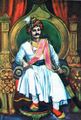
Jat Raja Kulchand Hanga, of Mahavan (1017 AD)[52]
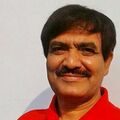
Lal Singh Agre DFO

Shaheed Gajpal Singh Agre; Brave martyr in Kargil War's Operation Vijay on 30 may 1999.
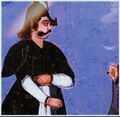
Ch. Deokaran Singh- A great martyr in revolt of 1857, who was hanged by Britishers, belongs to village Kursanda.[53]
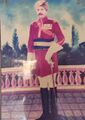
Sardar Bahadur Captain Mehtab Singh Agre OBI 3rd Cavalry. He was also awarded with Cross Victoria Gold Medal, born in a Zamindar family of Amrotha, Mathura. He was 7 feet 6 inches tall. He donated 200 bigha of land to Government(now the Civil lines and Jawahar Bagh of Mathura). Source - Jat Kshatriya Culture
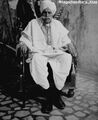
Thakur Phool Singh of Gadh (Hathras) His ancestors was Relative of Rao Churaman Singh of Sinsini (later Bharatpur State) and General also. Rao Churaman Singh of Sinsini gives his ancestors to a Zamindari of Gadh. Source - Haga Chaudhary Khap.
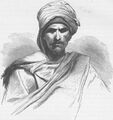
Ch. Zalim Singh of village Kurkanda (Sadabad, Hathras) was hanged by Britishers along with Deokaran Singh for revolting in 1857 Independece moment of India.[54] Dated, 01-11-1857


Further reading
- Bhim Singh Dahiya: Aryan Tribes and the Rig Veda, Dahinam Publishers, 16 B Sujan Singh Park, Sonepat, Haryana,India,1991
- Bhim Singh Dahiya: Jats the Ancient Rulers, Dahinam Publishers, 16 B Sujan Singh Park, Sonepat, Haryana,India,
- Thakur Deshraj: Jat Itihas (Hindi), Maharaja Suraj Mal Smarak Shiksha Sansthan, Delhi, 1934.
- Jat Viron Ka Itihas (Hindi): Capt Dalip Singh Ahalawat
- Jat Samaj: Agra, January 1992
References
- ↑ Dr Ompal Singh Tugania: Jat Samuday ke Pramukh Adhar Bindu, p.27,sn-34.
- ↑ Jat History Dalip Singh Ahlawat/Parishisht-I, s.n. अ-44
- ↑ Jat History Dalip Singh Ahlawat/Parishisht-I, s.n. अ-52
- ↑ Dr Ompal Singh Tugania: Jat Samuday ke Pramukh Adhar Bindu, p.27,sn-51.
- ↑ B S Dahiya:Jats the Ancient Rulers (A clan study), p.239, s.n.91
- ↑ Jat History Dalip Singh Ahlawat/Parishisht-I, s.n. ह-1
- ↑ Jat History Dalip Singh Ahlawat/Parishisht-I, s.n. ह-1
- ↑ Jat History Dalip Singh Ahlawat/Parishisht-I, s.n. ह-1
- ↑ Jat History Dalip Singh Ahlawat/Parishisht-I, s.n. ह-1
- ↑ An Inquiry Into the Ethnography of Afghanistan, H. W. Bellew, p.31
- ↑ Historian BS Dahiya, Jats the Ancient Rulers (A clan study) Page 46
- ↑ D.S. Ahlawat's Jat Viro Ka Itihas(Hindi) p.324
- ↑ Jats the Ancient Rulers (A clan study)/The Antiquity of the Jats, p. 303
- ↑ जाट वीरों का इतिहास: दलीप सिंह अहलावत, पृष्ठ.187
- ↑ "Mada'in Saleh - Arabian Rock Art Heritage".
- ↑ Natural History by Pliny Book VI/Chapter 25
- ↑ Natural History by Pliny Book VI/Chapter 30
- ↑ Natural History by Pliny Book VI/Chapter 32
- ↑ Natural History by Pliny Book VI/Chapter 32
- ↑ Natural History by Pliny Book VI/Chapter 32
- ↑ A study of the Bhagavata Purana; or, Esoteric Hinduism by Purnendu Narayana Sinha, p. 247
- ↑ A study of the Bhagavata Purana; or, Esoteric Hinduism by Purnendu Narayana Sinha, p. 260-61
- ↑ Sandhya Jain: Adi Deo Arya Devata - A Panoramic View of Tribal-Hindu Cultural Interface, Rupa & Co, 7/16, Ansari Road Daryaganj, New Delhi, 2004, p. 119
- ↑ Sandhya Jain: Adi Deo Arya Devata - A Panoramic View of Tribal-Hindu Cultural Interface, Rupa & Co, 7/16, Ansari Road Daryaganj, New Delhi, 2004, p.128
- ↑ Dilip Singh Ahlawat: Jat History Dalip Singh Ahlawat/Chapter IV,p.324
- ↑ Kanwarpal Singh: Pandav Gatha, page 206-8.
- ↑ Jat Samaj:11/2013,pp 19-20
- ↑ Aitihasik Sthanavali by Vijayendra Kumar Mathur, p.61
- ↑ Jat History Dalip Singh Ahlawat/Chapter XI (Page 1030)
- ↑ Source Wikipedia
- ↑ Christopher P. Etwood's "Huns and Xiongnu, New Thoughts on an old Problem"
- ↑ BS Dahiya's Book Jats the Ancient Rulers (A clan study) Page 46
- ↑ BS Dahiya's Jats the Ancient Rulers (A clan study) P.46
- ↑ Ram Swarup Joon: History of the Jats/Chapter V,p. 87
- ↑ Mahendra Singh Arya et al: Adhunik Jat Itihas
- ↑ Vidya Prakash Tyagi's "Martial Races of Undivided India" p.71
- ↑ Jats the Ancient Rulers (A clan study)/The Jats, p.46
- ↑ Bhim Singh Dahiya: Jats the Ancient Rulers ( A clan study), 1980, Sterling Publishers New Delhi, p. 257
- ↑ The Ancient Geography of India: I. The Buddhist Period, Including the ...By Sir Alexander Cunningham, p.376-382
- ↑ Mathura, a Gazetteer 1984 (p.272-273)
- ↑ Mathura, a Gazetteer 1984 (pp.338-339)
- ↑ Kings of Kashmira Vol 2 (Rajatarangini of Kalhana)/Book VIII (i) ,p.112
- ↑ Ompal Singh Tugania : Jat Samuday ke Pramukh Adhar Bindu,p. 23
- ↑ Ompal Singh Tugania : Jat Samuday ke Pramukh Adhar Bindu,p. 23
- ↑ Jat Bandhu, Agra, April 1991
- ↑ B S Dahiya's Jats the Ancient Rulers, 1980, Sterling Publishers, p.46.
- ↑ Ompal Singh Tugania : Jat Samuday ke Pramukh Adhar Bindu, p. 23
- ↑ Sarangi, Y. B. "CWG Wrestling: A reputation to live up to". Sportstar.
- ↑ Evans, Hilary; Gjerde, Arild; Heijmans, Jeroen; Mallon, Bill; et al. "Mukhtiar Singh Olympic Results". Olympics at Sports-Reference.com. Sports Reference LLC. Archived from the original on 18 April 2020.
- ↑ "Arjun Award Awarded to Mukhtiar Singh". The Official Website of Ministry Of Youth Affairs And Sports Of India.
- ↑ Thakur Deshraj:Jat Jan Sewak, p.38
- ↑ Author Kanwarpal Singh' "Pandav Gatha" p.207
- ↑ District Gazetteers by Uttar Pradesh Government, 1959, vol.10/21 p.344: [1]
- ↑ Mathura-Brindaban-The Mystical Land Of Lord Krishna (2000) by F. S. Growse p.443
Back to Gotras