Godara
Godara
(Godra, Gudara)
Location : Rajasthan, Haryana, Punjab, Uttar Pradesh, Madhya Pradesh, Maharashtra Delhi Sindh, Multan, Jhang, Faisalabad, Muzaffargarh, Rawalpindi,
Languages : Rajasthani, Haryanvi, Punjabi , Saraiki , Sindhi
Godara (गोदारा)[1] [2] Godra (गोदरा)[3] Gudara (गुदारा)[4][5]Godar (गोदर), Godhe (गोधे) is a Clan or Gotra of Jats found in Rajasthan,[6] Haryana, Punjab, Uttar Pradesh, Madhya Pradesh, Maharashtra and Delhi. Found in Pakistan. Godara gotra is a descendant of Jat king Shivi Guhadatta
They were were supporters of the Gahlot Confederacy.
Origin
- Godara gotra is a descendant of Jat king Shivi Guhadatta.
- Godaras are the descendants of Goha Dutta. [7]
- They became well known as Godara due to being inhabited sometime on the banks of river Godawari. The Prince of Mewar was adopted by Gohit vansh, which made them Godara. They were the rulers in Jangladesh. [8]
Jat Gotras Namesake
- Godara = Gogaræi (Pliny.vi.23)
History
According to bards Godara gotra is a descendant of Jat king Shivi Guhadatta. Ram Swarup Joon[9] writes that Godaras are the descendants of Goha Dutta, a prince of the Mewar dynasty who was adopted by a Brahmin to fight against the Mohala Rajputs and his descendants come to be called Godara. They are found in large number numbers in Bikaner State. Chieftains of Sheiksar and Radanvan belong to this gotra. Bika Rathor was made a King by the people of this very gotra.
Rajatarangini[10] mentions that after the death of Khagendra's son Surendra, one named Godhara, born of a different family, became king of Kashmir. He gave away the village of Hastishala to Brahmanas. According to Rajatarangini[11] Gonanda III was ruler of Kashmir in 1182 BC. Godhara was the king of Kashmir about 10 generations back so his period may be calculated about 1432 BC (@ 25 years for each generation).
Bhim Singh Dahiya writes about an important inscription of a scion of Ghuman clan, which requires special mention. This is the Manikiala silver plate inscription of Gomana Karavaka. Here the person named Karavaka is definitely from the Gomana or Ghumana clan. [12] Pargiter compares the name Gomana with Godhara and Gonanda. Both these are clan names, nowadays called Godara and Gondal, respectively. Similarly Goman is also a clan name. The fact that the clan name comes before the personal name is not of any significance because this was the practice in those days. The Gusur Simhabala and Saka Moda of the inscription have the clan name or the tribal name before the personal name. [13]
Earlier Godaras were in Central Asia and then they migrated to northern salt-range Punjab region in India. At the time of Alexander's invasion in Punjab in 326 B.C. they fought with Alexander the Great. Later Godaras along with Sihag,Punia,Saran,Beniwal and Johiya migrated to north Rajasthan region known as Jangladesh and ruled there till 15th century .
Godara Jats were the rulers in Jangladesh before Rathores annexed it. Rathores under the leadership of Bika were spreading their rule in Jangladesh. At that time Godara Jats were ruling in about 700 villages in Jangladesh. Pandu was the patriarchal head of the Godaras; his residence was at Shekhsar. The important towns in their territory were: Pundrasar, Gusainsar Bada, Shekhsar, Gharsisar, Garibdesar, Rungaysar, Kaloo etc. The people of this clan were known as great and ambitious warriors.
In samvat 1515 (1459 AD) Jodha Rathore transferred the seat of government from Mandor to Jodhpur. His son Bika, under the guidance of his uncle Kandul, led three hundred of the sons of Seoji to enlarge the boundaries of Rathore dominion amidst the sands of Maroo. Bika was stimulated to the attempt by the success of his brother Bida, who had recently subjugated the territory inhabited by the Mohils for ages. Bika, with his band of three hundred, fell upon the Sanklas of Jangladesh whom they massacred.
Bika now approximated to the settlements of the Jats, who had for ages been established in these arid abodes; and as the lands they held form a considerable portion of the state of Bikaner.
The Jats and Johiyas of these regions, who extended overall the northern desert even to the Garah, led a pastoral life, their wealth consisting in their cattle, which they reared in great numbers, disposing of the superfluity, and of the ghee and wool, through the medium of Sarasvat Brahmins (who, in these regions, devote themselves to traffic), receiving in return grain and other conveniences or necessaries of life.
H.A. Rose[14] writes that Godara is a prosperous clan of Jats, of the Shivagotri group, found in Hissar, where it owns large areas in Sirsa and Fatehabad tahsils. They trace their descent from Nimbuji, who founded a village near Bikaner, and say that as they could not agree upon one of their own clan as chieftain they asked the Raja of Jodhpur to give them one of his younger sons as their ruler, so he gave them Bika in whose honour Bikaner was founded. To this day, it is said, the raj-tilak is marked on the forehead of a new Raja of Bikaner by a Godara Jat, and not by the family priest.
Evidence compiled by Nainsi on the clans of the Jats and their original homes and migration there from to different places in Merta in Nagaur are of Immense importance. It is one of the prominent immigrant clans who came to Merta.
Villages founded by Godara clan
- Alakhpura Godaran (अलखपुरा गोदारान) - village in Laxmangarh tehsil of Sikar district in Rajasthan.
- Arauda - Kuber Godara came from Raya Mathura to Bharatpur and founded village Arauda in 1590 AD[15]
- Badopal (बडोपल) - village in tehsil Pillibangan in district Hanumangarh in the Indian state of Rajasthan was founded by Godara Jats.
- Chuwas (चुवास) - village in Fatehpur tehsil of Sikar district in Rajasthan was founded by Asa Ram Godara, who had come from a village 'Runiya Bara Bas' near Bikaner in samvat 1465 (1408 AD) .
- Chiriya चिड़िया - Village In Baytoo Tehsil In Barmer District In Rajasthan.
- Dhadheru Godaran (ढढेरू गोदारान) - village in Sujangarh tahsil in Churu district in Rajasthan.
- Dhani Pandusar (ढाणी पाण्डुसर) - village in Lunkaransar tehsil of Bikaner district in Rajasthan.
- Garabdesar(गरबदेसर) - village in Lunkaransar tehsil in Bikaner district in Rajasthan.
- Gharsisar (घड़सीसर) - village in Bikaner district in Rajasthan.
- Gopalyan (गोपलाणा) - village is in Lunkaransar tahsil of Bikaner district in Rajasthan.
- Gusaisar (गुसाईसर) - village in Bikaner tehsil in Bikaner district in Rajasthan
- Jajiwal Godara (जाजीवाल गोदारा) - village in Jodhpur Tahsil of Jodhpur district in Rajasthan.
- Madhera (मढेरा) village in district Sri Ganganagar in Rajasthan. Founded by Ch. Dhunkal Ram ji Godara.
- Unchaira (ऊंचाइडा) Tehsil of Lunkaransar district Bikaner Rajasthan
- Godara Ki Dhani (गोदारा की ढाणी) - village in Degana tehsil of Nagaur district in Rajasthan.
- Godaraon Ki Dhani (गोदारों की ढाणी) - Village in Baytu tahsil of Barmer district in Rajasthan.
- Godaron Ka Sara (गोदारों का सरा) - Village in Baytoo tahsil of Barmer district in Rajasthan.
- Godaron Ka Tala (गोदारों का तला) - village in Chohtan Tahsil of Barmer district in Rajasthan.
- Godaron Ka Tala (गोदारों का तला) - village in Gudha Malani Tahsil of Barmer district in Rajasthan.
- Godaron Ki Basti (गोदारों की बस्ती) - Village in Baytoo tahsil of Barmer district in Rajasthan.
- Godaron Ki Beri (गोदारों की बेरी) - two villages of same name are in Gudha Malani Tahsil of Barmer district in Rajasthan.
- Godaron Ki Dhani (गोदारों की ढाणी) - near Dharasar, is a village in Chohtan Tahsil of Barmer district in Rajasthan.
- Godaron Ki Dhani village is also in following tahsils:
- Baytoo in Barmer district in Rajasthan
- Gudha Malani in Barmer district in Rajasthan
- Chohtan in Barmer district in Rajasthan
- Pachpadra in Barmer district in Rajasthan
- Sanchore in Jalor district in Rajasthan.
- Kheenvsar in Nagaur district in Rajasthan
- Hira Ki Dhani (हीरा की ढाणी) (Heera Ki Dhani) - Village in Baytu tahsil of Barmer district in Rajasthan founded by Hira Godara.
- Chimoniyo ki dhani (चिमोणियों की ढाणी) (chimoniyo ki dhani) - Village in Baytu Tahsil of Barmer district in Rajasthan founded by Chimmaram Godara
- Kaloo Lunkaransar (कालू) - village in Lunkaransar tehsil of Bikaner district in Rajasthan
- Kapoorisar (कपूरीसर)- village in Lunkaransar tehsil of Bikaner district in Rajasthan.
- Ladhriya (लादड़िया) - village in Dungargarh tahsil of Bikaner district in Rajasthan. It was founded by Godara Jats.
- Lakhoni Godaron Ki Dhani (लाखोनी गोदारों की ढाणी) - village in Gudha Malani Tahsil of Barmer district in Rajasthan.
- Nakodesar (नकोदेसर) - village is in Lunkaransar tahsil of Bikaner district in Rajasthan. It was founded after Nakodar, son of Pandu Godara.
- Pandusar (पाण्डूसर) - village is in Nohar tahsil of Hanumangarh district in Rajasthan. Pandusar was founded by Pandu Godara.
- Rasisar (रासीसर) - village in Nokha tehsil of Bikaner district in Rajasthan.
- Runiya Barawas (रूनिया बडावास) - village in Bikaner tehsil in Bikaner district in Rajasthan
- Shekhsar (शेखसर) - village in Lunkaransar tehsil of Bikaner district in Rajasthan
- Soniyasar Godaran (सोनियासर गोदारान) - Village in Dungargarh tahsil of Bikaner district in Rajasthan.
- Udaipur Godaran (उदयपुर गोदारान) is a Village in Suratgarh tehsil of district Ganganagar in Rajasthan. Founded by Udai Ram Godara
- गुदरी (जाट गोत्र - गुदारा) : गुदरी नाम का गाँव झारखंड के पश्चिमी सिंहभूम जिले की गुदरी विकास-खंड में है।
Migration of Godara's
Traditionally Jats consider their origin from the far northwest and claimed ancient Garh Gajni (modernday area between Ghajni, Afghanistan to Rawalpindi, Pakistan) as their original abode.[16] Persian chronicler Firishta strengthened this view and informs us that Jats were originally living near the river of the Koh-i-Jud (Salt Range) in northwest Punjab.[17] The Jats then occupied the Indus valley and settled themselves on both the banks of the Indus River.
By the fourth century region of Multan was under their control.[18] Then they rose to the sovereign power and their ruler Jit Salindra, who promoted the renown of his race, started the Jat colonisation in Punjab and fortified the town Salpur/Sorpur, near Multan.[19]By the end of seventh century, Jats were thickly populated in Deybal region.[20]Their main population was settled in the lower Sindh.The Chachnama stratified these large population of Jats, as 'the western Jats' (Jatan-i-Gharbi) and 'the eastern Jats' (Jatan-i-Sharqi), [21] living on the eastern and western side of the Indus River. The chronicler s further classified them as 'The Jats living on the banks of the rivers (Lab-i-Daryayi) [22] and the Jats living in plain, desert (Jatan-i-Dashti); and 'the rustic Jats' (rusta'i Jat) living in villages.[23]As Jataki, the peculiar dialect of the Jats, also proves that the Jats must have come from the NW Punjab and from other districts (e.g. Multan) dependent upon the great country of the Five rivers.[24]
By the end of fifth and the beginning of the sixth century, Godara's and Jat's southward migration, second in line, took place and they reached Kota in Rajasthan, probably via Bikaner regions. From Kota they migrated further east and established their rule at Malwa under the rule of Salichandra, son of Vira Chandra. Salichandra erected a minster (mindra) on banks of the river Taveli in Malwa.[25] Probably after their defeat by Sultan Mahmud in 1027 AD, and later hard pressed by the Ghaznavi Turkish Commander, the Jats of Sind again migrated to Rajasthan and settled themselves in Bundi regions.[26] The second inscription found at Bundi probably dates from circa samvat 1191 (1135 AD) possibly refers to the Jats as opponents of the Parmara rulers of Rajasthan.[27]
When Muhammad bin Qasim attacked Dahlilah, a fortified town in between Roar and Brahmanabad, most of the inhabitants (the Jats) had abandoned the place and migrated to Rajasthan via desert and took shelter in the country of Siru (modern Sirohi distict) which was then ruled by King Deva Raj, a cousin of Rai Dahir.[28]
However, the third migration took place in early eighth century, Godara's and Jats of lower Sind migrated to Rajasthan, probably via Barmer regions to Bikaner, Ganganagar and Hanumangarh. By the twelfth century, the Jats settled in western Punjab, as the native poet Abul Farj Runi mentions them along with the Afghans.[29] Meanwhile, they also extended their abode in the eastern part of the Punjab (now Haryana to Sirsa and Hisar), as in the end of the twelfth century they resisted Qutb-ud-din Aybak in the region of Hansi.[30]
Sub divisions of Gahlot
Bhim Singh Dahiya[31] provides us list of Jat clans who were supporters of the Gahlot when they gained political ascendancy. The Godara clan supported the ascendant clan Gahlot and became part of a political confederacy.[32]
Godaras reconcile with Rathores
James Tod [33] writes that ....A variety of causes conspired to facilitate the formation of the state of Bikaner by Rathores, and the reduction of the ancient Scythic simplicity of the Jat communities to Rajpoot feudal sway. Although the success of his brother Bida over the Mohils in some degree paved the way, his bloodless conquest could never have happened but for the opresence of a vice which has dissolved all the republics of the world. The jealousy of the Johiyas and Godaras, the two most powerful of the six Jat cantons, was the immediate motive to the propitiation of the 'son of Joda' ; besides which, the communities found the band of Bida, which had extirpated the ancient Mohils when living with them in amity, most troublesome neighbours. Further, they were desirous to place between them and the Bhattis of Jaisalmer, a more powerful barrier ; and last, not least, they dreaded the hot valour and "thirst for land" which characterized Bika's retainers, now contiguous to them at Jangladesh. For these weighty reasons, at a meeting of the "elders" of the Godaras, it was resolved to conciliate the Rathore.[34]
The "elder" of Runiya was next in rank and estimation to Pandu Godara, in communities where equality was as absolute as the proprietary right to the lands which each individually held: that of pasture be common.
Conditions of Agreement with Godaras: The elders of Shekhsar and Runiya were deputed to enter into terms with the Rajput chief, and to invest him with supremacy over the community, on the following conditions :-
- (1) To make common cause with them, against the Johiyas and other cantons, with whom they were then at variance.
- (2) To guard the western frontier against the irruption of Bhattis.
- (3) To hold the rights and privileges of the community inviolable.
On the fulfillment of these conditions, they relinquished to Bika and his descendants the supreme power over the Godaras; assigning to him, in perpetuity, the power to levy dhooa, or a "hearth tax" of
[p.161]: one rupee on each house in the canton, and a land tax of two rupees on each hundred beeghas of cultivated land within their limits.
Apprehensive, however, that Bika or his descendants might encroach upon their rights, they asked what security he could offer against such a contingency ? The Rajput chief replied that, in order to dissipate their fears on this head, as well as to perpetuate the remembrance of the supremacy thus voluntarily conferred, he would solemnly bind himself and his successors to receive the tika of inauguration from the hands of the descendants of the elders of Shekhsar and Runiya, and that the gadi (the chair) should be deemed vacant until such rite was administered.
To this day, the descendant of Pandu Godara applies the unguent of royalty to the forehead of the successors of Bika; on which occasion, the prince places "the fine of relief", consisting of twenty-five pieces of gold, in the hand of the Godara Jat.
Moreover, the spot which he selected for his capital, was the birthright of a Nehra Jat who would only concede it for this purpose on the condition that his name should be linked in perpetuity with its surrender. Nehra was the name of the proprietor, which Bika added to his own, thus composing that of the future capital, Bikaner.
Besides this periodical recognition of the transfer of power, on all lapses of the crown, there are annual memorials of the rights of the Godaras, acknowledged not only by the prince, but by all his Rajpoot vassal-kin, quartered on the lands of the Jat; and although ' the sons of Beeka,' now multiplied over the country, do not much respect the ancient compact, they at least recognise, in the maintenance of these formulae, the origin of their power.
[p.162]: On the spring and autumnal festivals of the Holi and Dewali, the heirs of the patriarchs of Shekhsar and Roneah give the tika to the prince and all his feudality.
The Jat of Runiya bears the silver cup and platter which holds the ampoule of the desert, while his compeer applies it to the prince's forehead. The Raja in return deposits a nuzzerana of a gold mohur, and five pieces of silver ; the chieftains, according to their rank, following his example. The gold is taken by the Shekhsar Jat, the silver by the elder of Runiya.
Table of Jat republics in Jangladesh
Dr Karni Singh, a well known political personality and author, records that Jats had established powerful governments in north India. Prior to 1488 Jats had seven Janapadas of Godara, Saran, Sihag, Beniwal, Puniya, Johiya in desert region of Bikaner. Following are the main clans and their heads with capital and number of villages in each territory. [35], [36]
| S.No. | Name of janapada | Name of chieftain | No. of villages | Capital | Names of districts |
|---|---|---|---|---|---|
| 1. | Punia | Kanha Punia | 300 | Jhansal[37]/Luddi[38] | Bhadra, Ajitpura, Sidhmukh, Rajgarh, Dadrewa, Sankhoo |
| 2. | Beniwal | Raisal Beniwal | 150 | Raisalana | Bhukarkho, Sanduri, Manoharpur, Kooi, Bae |
| 3. | Johiya | Sher Singh Johiya | 600 | Bhurupal | Jaitpur, Kumana, Mahajan, Peepasar, Udasar |
| 4. | Sihag | Chokha Singh Sihag | 150 | Suin/Pallu | Rawatsar, Biramsar, Dandusar, Gandaisi |
| 5. | Saharan | Pula Saran | 300 | Bhadang | Khejra, Phog, Buchawas, Sui, Bandhnau, Sirsala |
| 6. | Godara | Pandu Godara | 700 | Shekhsar | Shekhsar, Pundrasar, Gusainsar Bada, Gharsisar, Garibdesar, Rungaysar, Kalu |
It is thus clear that out of 2670 villages in the Jangladesh, 2200 villages were under the rule of Jats. Each canton bore the name of the community, and was subdivided into districts.
इतिहास
पंडित अमीचन्द्र शर्मा[39] ने लिखा है -गुदारा जाटों ने गहलोत संघ का समर्थन किया । गुदारा गोत्र के जाटों का निकास जैसलमर है।
गोदारा गोत्र की वंशावली
जांगल प्रदेश(वर्तमान नाम बीकानेर) के गोदारा/गोधर /गोधारा जाटों का संक्षिप्त इतिहास गोदारा जाटों की उत्पत्ति शिवि वंश से मानी गई है। सिकन्दर के आक्रमन के समय यह लोग शिविस्तान से निकल कर कई शाखाओं में विभक्त होकर अलग अलग जगह आबाद हुए थे।इनकी एक शाखा चित्तौड़ के समीप मझमिका से नासिक पहुँची यहां त्रयम्बक पहाड़ी पर प्राचीन शिव मंदिर का पुनः निर्माण करवाया था,गौतम ऋषि के प्रयास से प्रवाहित गोतमी नदी(वर्तमान गोदावरी) के किनारे शिवि जनपद के स्थापना की थी।शिवि जनपद के राजा द्वारा गौतमी नदी को पवित्र स्थान प्राप्त होने के कारण यह नदी गोदावरी नाम से प्रसिद्ध हुई गोदा शब्द का अर्थ होता है पवित्र
जब इस क्षेत्र पर सातवाहन लोगो के आक्रमण हुए तो यह लोग यहां से निकलकर चित्तौड़ पहुँचे लेकिन चित्तौड़ पर मोर वंश का शासन धोखे से समाप्त करके नए राजवंश गुहिल का शासन प्रारम्भ हुआ था। गुहिलों ने शिवि जाटों से अपने को खतरा समझते हुए शिवि वंशी गोदारों को अपना धर्म भाई बनाते हुए शिविवंशी गोदारा जाटों को अन्यत्र बसने पर राजी किया इस कारण से यह लोग नए राज की तलाश में जांगल प्रदेश में आबाद हुए थे।
गोदावरी नदी के किनारे से आने तथा अपने राजा गुहदत्त शिवि के नाम से यह लोग गोदारा नाम से प्रसिद्ध हुए
गोदारा गोत्र के कुलदेवता भगवान महादेव शिव हैं और कुलदेवी सती माता(बाण माता) है । इनकी पवित्र नदी गोदावरी और पवित्र वेद इनकी प्रथम राजधानी लाघड़िया थी। लेकिन युद्ध मे मोहिलों को हराने के बाद इन्होंने 8 वी शताब्दी में रुनिया को बसाया था। यह ही इनकी वास्तविक राजधानी बनी थी।
रुनदेव गोदारा के 12 पुत्र थे उनके 12 खेड़े(बास) हुए जिनके नाम शेरेरा,आसेरा, राजेरा,पुरेरा,हेमेरा, रूपेरा,आनंदपुर, बड़ा बास इन मे से शेरेरा में गोदारों की पंचायत होती थी।
रुनिया के राजा कर्मसी गोदारा की शादी 1046 ईस्वी में बुरडक गोत की जाटनी आभलदे से हुई गोदारा वंशवाली की बात की जाए तो राजा वीरभद्र से गोदारों की 268 वी पीढ़ी चल रही है। जिसमे बीरभद्र ,गुणभद्र,गुह्भद्र,सोमदत्त,नागदत्त,गुहदत्त,रुनदेव,धुकलधर,दीवदत्त(दिवराज),सोनभद्र,गुणभद्र द्वितीय,धीरदल,खरराज,विहारदेव,मैंन राज,मलूकदेव, सिंधुराज(हिन्दो जी) ,पांडुजी मुख्य है गोदाराओ का अंतिम शासक पाण्डु गोदारा था।
बुरड़क गोत्र से सम्बन्ध
बुरड़क गोत्र से सम्बन्ध का उल्लेख बुरडक के बडवा की बही से 11 वीं शदी में मिलता है. ददरेवा के राव बुरडकदेव (b. - d.1000 ई.) के तीन बेटे समुद्रपाल, दरपाल तथा विजयपाल हुए. राव बुरडकदेव महमूद ग़ज़नवी के आक्रमणों के विरुद्ध राजा जयपाल की मदद के लिए लाहोर गए. वहां लड़ाई में संवत 1057 (1000 ई.) को वे जुझार हुए. इनकी पत्नी तेजल शेकवाल ददरेवा में तालाब के पाल पर संवत 1058 (1001 ई.) में सती हुई. राव बुरडकदेव से बुरडक गोत्र विख्यात हुआ.
राव बुरडकदेव के बड़े पुत्र समुद्रपाल के 2 पुत्र नरपाल एवं कुसुमपाल हुए. समुद्रपाल राजा जयपाल के पुत्र आनंदपाल की मदद के लिए 'वैहिंद' (पेशावर के निकट) गए और वहां पर जुझार हुए. संवत 1067 (1010 ई.) में इनकी पत्नी पुन्याणी साम्भर में सती हुई.
नरपाल के उदयसिंह और करणसिंह पुत्र हुए तथा पुत्री आभलदे हुई. आभलदे का विवाह संवत 1103 (1046 ई.) में रुनिया के गोदारा कर्मसिंह के साथ हुआ.
माली जाटों के इतिहास में
विक्रम संवत 1192 (=1135 ई.) में सांभर से प्रस्थान के बाद मलसी ने मालीसर गांव बसाया- वैशाख सुदी आखा तीज के दिन विक्रम संवत 1194 साल (=1137 ई.)। जहां मलसी ने पनघट का कुआं खुदवाया, जोहड़ खुदवाया, सवा सौ बीघा पड़तल भूमि छोड़ी तथा महादेव जी की छतरी करवाई। [40]
मलसी माली (1135 ई.) (पत्नि:सुंदर पूनिया पुत्री जोधराज पूनिया, चन्द्रा की पोती ) → धरमा (पत्नि:हेमी गोदारा, पुत्री मेहा गोदारा/हिदु की पोती) → जैतपाल (पत्नि: रायमल भावरीया, की पुत्री सायर) (भाई: करमसी, बहिन: राजां, जोरां) → उदय (पत्नि: सुलखा हरचतवाल की बेटी सिणगारी) (भाई रतन, जीवराज, बहिन सरस्वती) → धनराज (बहिन गणी) [41]
धरमा माली ने बेटी राजा व जोरां का विवाह किया- वैशाख सुदी तीज विक्रम संवत 1278 (=1221 ई.) विवाह में 21 गायें दहेज में दी। विक्रम संवत 1329 (=1272 ई.) में मालीसर गांव में धर्मा की याद में करमसी व जैतपाल ने ₹900 में पानी की 'पीय' कराई तथा विक्रम संवत 1338 (=1281 ई.) में मालीसर गांव में दान किया। विक्रम संवत 1342 (=1286 ई.) में मालीसर गांव में चौधरी उदय ने दान कार्य किया। (करमसी की पत्नि महासी निठारवाल की बेटी हरकू थी- वंश विराम)[42]
चौधरी उदयसी, रतनसी, जीवराज गांव मालीसर छोड़ पलसाना बसे- वैशाख सुदी 7 विक्रम संवत 1352 (=1295 ई.) (शनिवार) के दिन सवा पहर दिन चढ़ते समय छड़ी रोपी। [43]
विक्रम संवत 1513 (=1456 ई.) में चौधरी घासीराम माली पलसाना छोड़कर कासली बसा। [44]
वैशाख सुदी आखातीज विक्रम संवत 1732 की साल (28 अप्रैल 1675 ई.) में चौधरी खडता व धर्मा ने कासली छोड़ गांव पूरां बसाया। [45]
विक्रम संवत 1746 (1689 ई.) की साल धर्मा ने पुरां में धर्माणा जोहड़ा खुदवाया। कार्तिक सुदी सात विक्रम संवत 1754 (=1697 ई.) में चौधरी पांचू, बीजा, लौहट ने पिता धर्मा का मौसर किया। वह गंगाजी घाल गंगोज कराया। विक्रम संवत 1780 (=1723 ई.) की साल चौधरी पांचू/बाछू ने दान कार्य किया। [46]
ठाकुर देशराज लिखते हैं
ठाकुर देशराज लिखते हैं कि भारत की स्वतंत्रता को नष्ट कराने में जिस भांति जयचन्द राठौर का नाम बदनाम है, उसी भांति जांगल प्रदेश के जाट-साम्राज्य को पांडु गोदारा ने नष्ट कराकर अपने नाम को जाटों के लिए अहितकारी सिद्ध कर दिया है। आज उसकी संतान के नौजवान इस बात के लिए पश्चाताप कर सकते हैं कि शासक-जाति के होते हुए भी शासित हैं। किन्तु इतिहास में सभी प्रकार की घटनाएं हमें मिलती हैं। पांडु को यह कुछ भी पता न था कि उनकी संतान के जो अधिकार इस समय सुरक्षित हो रहे हैं, वे भविष्य में नष्ट हो जाएंगे। इसमें कोई सन्देह नहीं, पांडु बड़ा बहादुर सरदार था। उसके गोदारे बांके योद्धा थे। जांगल-प्रदेश में सबसे अधिक राज्य गोदारों के ही पास थे। उनके अधिकार में 700 गांव थे। इसी एक बात से जाना जाता है कि वे प्रसिद्ध योद्धा और महत्वाकांक्षी थे। पांडु से एक गलती हो गई थी कि वह सारन पूला की स्त्री को ले गया। कहा ऐसा जाता है कि सारन पूला से पहले उस स्त्री की शादी पांडु से होने वाली थी। पांडु ने स्त्री को उठाकर गलती ही की। किन्तु सभी जाट राज्यों का उससे शत्रुता कर लेना उचित न था। एक ओर से मोहिल जाति गोदारों की शत्रु बनी हुई थी, दूसरी ओर से जैसलमेर के भाटी उन्हें हड़प जाना चाहते थे, तीसरी ओर स्वयं जाट उन्हें मिटाने पर तुले हुए थे और चौथी ओर से प्रबल राठौर आक्रांता आ रहे थे। ऐसी हालत में गोदारा क्या करते? आत्म-समर्पण के सिवाय उन्हें कोई चारा नहीं दिखाई दिया। उन्होंने राठौर के साथ जो संधि की थी, उसकी शर्तें मांडलिक राजों से कम नहीं हैं। मुन्शी ज्वालासहाय जी ने लिखा है - बीका के वंशजों ने उन शर्तों का पालन नहीं किया।1
गोदारों का वर्णन जो ‘वाकए राजपूताना’ में लिखा गया है, उसके कुछ अंश हम ज्यों के त्यों उद्धृत करते हैं-
- “अपनी कदीम रियासत जोधपुर से आने के कुछ दिनों के बाद बीका 2470 गांव का मालिक हो गया। चूंकि इन दलों के लोगों ने उसे खुद मालिक स्वीकार
- 1. वाक-ए राजपूताना, जिल्द 3 ।
जाट इतिहास:ठाकुर देशराज,पृष्ठान्त-621
- कर लिया था, यह स्वीकारी उसे विजय से अच्छी पड़ी। किन्तु तब से अब तक उनमें से आधे देहात बरबाद हो गए हैं। किन्तु सूरतसिंह के जमाने में तो आधे भी न रहे थे। इस देश के जाट और जोहिया उत्तरी देशों में गाढ़ा नदी तक फेले हुए थे। वे अपना निर्वाह प्रायः पशुपालन से करते थे। भेड़-बकरियों के ऊन और भैंसों-गांयों के घी को सारस्वत ब्राह्मणों के हाथ बेच देते थे। उस रुपये से आवश्यक वस्तु मंगा लेते थे। जाटों की प्राचीन सादगी रफा हो के राजपूतों के अधिकृत होने और राज्य बीकानेर के कायम होने में चन्द नगर अनुकूल हो गए थे। बीका के मोहिलों पर विजयी होने से उन्हें विजय करना सुगम हो गया था। किन्तु जाटों में वह फूट न होती जिसने दुनिया की प्रायः सल्तनतों को बर्बाद कर दिया है, तो सहज ही में बिना खून-खराबी के सफल न होता। जाटों के छः दलों में से उनके दो बड़े दलों - जोहिया और गोदारों में अनबन थी। इससे उन्होंने राजी से बीका की हुकूमत को स्वीकार कर लिया। दूसरे वे बीका की फौज के उस अत्याचार को देख चुके थे जो उसने मोहिलों पर विजय पाने के समय किए थे। तीसरे वे यह भी चाहते थे कि हमारे और जैसलमेर के बीच कोई सरहद कायम हो जाए।
गोदारों का सरदार पाण्डु जो सेखसर में रहता था और रूनियां का सरदार जो उससे दूसरे दर्जे पर था, गोदारा जाटों की सभा ने इन दोनों को बीका के पास अधीनता स्वीकार करने की बात तय करने को भेजा। उन्होंने बीका के सामने निम्न प्रस्ताव रखे-
- 1. जोहिया आदि दीगर फिरकों के मुकाबले में हमारी मदद की जाये,
- 2. पश्चिमी सीमा की हिफाजत रखें,
- 3. हमारी जमात के अधिकार और लाभों में कोई हस्तक्षेप न किया जाये, अर्थात् सुरक्षित रखें।
‘भारत के देशी राज्य’ नामक इतिहास में लिखा है कि -
- “बीका ने उक्त प्रस्ताव स्वीकारते हुए कहा था - ‘मैं’ तथा मेरे उत्तराधिकारी किसी भी समय तुम्हारे अधिकारों में हस्तक्षेप न करेंगे। और जब तक इस तरह राजतिलक न दिया जाएगा, तब तक राजसिंहासन सूना समझा जाएगा।”
मुन्शी ज्वालासहाय जी ‘वाकए-राजपूताना’ में आगे लिखते हैं -
- 'इस पर गोदारों ने अपने इलाके में महसूल धुआं फी घर एक रुपया और जोता जमीन फी सौ बीघे पर दो रुपया लगान वसूल करने का अधिकार बीका को दिया।
'इस पशुपालन गिरोह के इस तरह इन्तकाल आतअत करने से शौक आजादी जो आक्सस और जगजार्टिस के किनारे से हिन्दुस्तान के जंगल तक उनके साथ रहा, बखूबी अयां है और अगर्चे उनकी हुकूमत मालिकाना बिलकुल चली गई है लेकिन उनका राजपूत आकाए, उनके नामुमकिन उल-इन्तकाल वापोती यानी
जाट इतिहास:ठाकुर देशराज,पृष्ठान्त-622
- हुकूक मौरुसी पर दस्तन्दाजी करना चाहें तो अब भी खूरेजी पर मुस्तैद हैं।1
गौदारों की अनबन से बीका को बिना लड़ाई-झगड़ा किए भू-भाग व हुकूमत मिल गई। ऐसा बहुत कम होता है और कुछ एक रस्में जो बतौर यादगार तरज हसूल हुकूमत मालिकाना कदमि वाशिन्दगान मुल्क से कुल हिन्दुस्तान के राजपूतों में जारी है असलियत की जानकारी के लिए बड़े काम की है। फर्मान रवायां मेवाड़ का मुल्क के कदीम वाशिन्दगान यानी भीलों से तिलक कराना आमेर में खजाने व किलआत का मीनों की हिफाजत व अहतमाम में रहना। कोटा-बूंदी का मदीक मालिकान हाडौती के नाम से मासूम होना और औलाद बीका का जाटों से टीका कराना ऐसी रस्में हैं कि उनके सबब से कदीम मालिकान सर जमीन के हकूक और तर्ज हसूल रियासत फर्मान वालिया हाल सहू नहीं हो सकते। आज तक दस्तूर जारी है कि बीका की औलाद में से कोई तख्तनशीन होता है तो पांडु खानदान का कोई शख्स उसके राजतिलक करता है। उस जाट को राज पच्चीस अशर्फियां देता है। अलावा इसके जिस जमीन को बीका ने अपनी राजधानी बनाने के लिए पसन्द किया था, वह एक जाट की मुल्क-मौरूसी थी। उसने भी दावा किया कि शहर के नाम के साथ मेरा नाम भी शामिल किया जाये। उसका नाम नेरा था, इसलिए बीका और नेरा के नाम से शहर का नाम बीकानेर रखा गया। दवामी यादगार मिल्कित के सिवा शेखसर और रूनियां के जमींदार होली और दशहरा पर रईस और उसके सरदारों के टीका करते हैं। रूनियां का सरदार अपने हाथ में नकरई तस्त व प्याला लेता है और शेखसर वाला रईस की पेशानी पर तिलक करता है। रईस इनको एक अशर्फी और पांच रुपये पेश करता है। अशर्फी शेखसर वाला ले लेता है और रुपये रूनियां वाले के पास रहते हैं। अन्य सरदार भी इसी तरह अपनी-अपनी हैसियत के अनुसार नजर करते हैं।”
ऊपर के वर्णन से मालूम होता है कि गोदारों की जो सन्धि बीकाजी के साथ हुई थी, वह सम्मानपूर्ण थी। उसमें यह कहीं भी जाहिर नहीं होता कि उन्होंने अपनी स्वाधीनता खो दी थी। यह ठीक है कि पीछे से शनैः-शनै उनकी स्वाधीनता नष्ट हो गई। कई इतिहासकारों ने राठौरों को इसके लिए दोष दिया है कि उन्होंने यह अच्छा नहीं किया कि अपने सहायक गोदारों की स्वतन्त्रता नष्ट कर दी, उन्हें ठिकानेदारों के रूप में भी नहीं रहने दिया। कुछ लोगों की ऐसी भी शिकायत है, किन्तु हम इस बात के लिए राठौर शासकों एवं बीकाजी के वंशजों को तनिक भी दोष देना उचित नहीं समझते। राजनीति में ऐसा होता है। यदि हमें भी राठौरों जैसा अवसर प्राप्त होता तो हम भी उनके साथ यही व्यवहार करते।
- 1. ये शब्द हमारे नहीं. 'वाकए राजपूताना' जिल्द में मुंशी ज्वालासहयजी ऐसा ही लिखा है. (लेखक)
जाट इतिहास:ठाकुर देशराज,पृष्ठान्त-623
ठाकुर देशराज[47] ने लिखा है .... भरतपुर-जयपुर रोड पर हलेना के पूर्व की ओर अजरौदा गोधारा जाटों का एक पुराना मशहूर गाँव है। गाँव की नींव सन् 1590 ई. में पड़ी थी। राया से चलकर आए कुछ लोगों ने इसे आबाद किया। आबाद करने वालों का सरदार कुवेर गोधारा था।
पांडुजी गोदारा की वंशावली
पांडुजी गोदारा की वंशावली (भाट इतिहास के अनुसार)
1. गोहदराव जी गुहिलोत - गढ- नागौर, पत्नी- अणद कंवर चौहान, गढ- अजमेर, सोमेश्वर चौहान की बेटी
(विक्रम संवत् 1133)
2. उमलजी गोहदरा - पत्नी- पदमावती पड़िहार, पदमसिंह पड़िहार की पुत्री (अनुमानित विक्रम संवत 1153)
3. सोमलजी गोहदरा - भाई- शेषोजी व सदैरणजी, पत्नी- उमरादे कंवर तंवर, भीमसिंह तंवर की बेटी (अनुमानित विक्रम संवत 1172)
4. बलदेव जी गोहदारा - पत्नी- कनकादे कंवर देवड़ा, कनकमल देवड़ा की बेटी (अनुमानित विक्रम संवत 1190)
5.धोंकलजी गोहदारा - पत्नी- कोडमदे कंवर दहिया, अभयसिंह दहिया की बेटी (अनुमानित विक्रम संवत 1210)
6.देवराजजी गोदारा - धुंकलधर जी के पुत्र देवराज जी गोदारा ने विक्रम संवत् 1236 को खींवजी थोरी की पुत्री सुखी से शादी करके देवराजसर गांव बसाया तथा गोदारा जाट हुए।
विक्रम संवत् 1299 में किसी अपशकुन के कारण गोदारों ने गांव का नाम गेधर जी कुम्हार के पोते शेरूजी के नाम पर शेरूणा रखा। गेधर जी कुम्हार सुखी थोरी के साथ आए थे, जिनसे कुम्हारों में गेधर गौत्र चला।
सुखी थोरी के साथ 9 जात के व्यक्ति आए-
- 1.गेधर कुम्हार
- 2.दामो खाती
- 3.टाक नाई
- 4.चाळियो मेघवाल
- 5.सहदेवड़ा सुनार
- 6.बाणिया-बीसलगोतो अग्रवाल,पेड़ीवाल पटवारी
- 7.सियोल ढाढी
- 8.हरियो सांसी
- 9.सरसो थोरी
दिवराज जी गोदारा की पत्नी सुखी थोरी के 6 पुत्र हुए-
- 1. कड़वोजी
- 2.भरथोजी (भरथगा थांबा)
- 3.सायरोजी/सांवरोजी (सायरिया/सांवरिया थांबा)
- 4.धोलियाजी (धोलिया थांबा)
- 5.रायसलजी (इनके वंशज गोदारों से अलग होकर गेहणा जाट कहलाए)
- 6.अर्जुनजी (वंश नष्ट हो गया)
दिवराजजी गोदारा के बड़े पुत्र कड़वोजी की पत्नी उमा बेनीवाल जो कि रायसल बेनिवाल की बेटी थी उनके तीन पुत्र हुए-
- 1. सोनकजी (सोनकरा थांबा)
- 2.बनड़जी (बनड़ थांबा)
- 3.दीपसिंह जी
इस प्रकार गोदारा के पांच थाम्बे हुए-
- 1. भरथगा थाम्बा
- 2. सायरिया/सांवरिया थाम्बा
- 3. धोलिया थाम्बा
- 4. सोनगरा थाम्बा
- 5. बनड़ थांबा
7.सोनकजी गोदारा - पत्नी- गंगा जाखड़, गांव- रिड़ि, ससुर- हमीरजी जाखड़, बेटा- डेल्होजी,देवसिंह जी (अनुमानित विक्रम संवत् 1255)
8.डेल्हाजी गोदारा - पत्नी- मानी भादू, गांव- खंडेला, ससुर- केशाजी भादू, बेटा- गणियोजी, कर्मसिंहजी (अनुमानित विक्रम संवत 1274)
9.गणियाजी गोदारा - पत्नी- केशी सियाक, ससुर - धोढुजी सियाक, बेटा-मूलसिंहजी,डांडुजी,जैमलजी,मुकनोजी,रतनोजी, कंवरूजी, बेटी- माली (अनुमानित विक्रम संवत् 1293)
10.मूलसिंह गोदारा - पत्नी- गौरां भूंकर, ससुर- जैसाजी भूंकर, बेटा- मालकजी,चाचोजी, पांडुजी, बेटी- माली (अनुमानित विक्रम संवत् 1312) (मालकजी व चाचोजी ने विक्रम संवत् 1352 को शेरूणा गांव में जोहड़ खुदवाया था)
11.मालकजी गोदारा - पत्नी- करमा जाखड़, गांव- रिड़ियाला, बेटा- हालुजी, लाखोजी, सावोजी,देदो जी, सायरोजी , कावोजी, केलोजी , तिलोजी, बेणोजी , बणवीरजी, खींयोजी, सालमजी, नौरंगजी, केकोजी, ऐलोजी, मुकनोजी,हुकमोजी ,देवसिंहजी, कर्मसिंहजी, बेटी- उगी,सोनी,सिणगारी (अनुमानित विक्रम संवत् 1331)
12. सोमराजजी गोदारा -
13. भोजराजजी गोदारा - भोजे रा बास (रूणिया) बसाया
14. हिंदवाणजी गोदारा -
15. पांडुजी गोदारा - (पांडुजी गोदारा के पांच पुत्र थे- धनोजी,नकोदरजी, मदोजी, खररोजी,छोटूजी)
Source - राजकुमार गोदारा विशनोई (Mob: 7665451936)
गोदारों का भादूओं से संघर्ष
बनड़जी गोदारा ने शेरूणा गांव छोड़कर दुसारण गांव बसाया और अपनी पुत्री पाना का रिश्ता खंडेला (वर्तमान भानीपुरा,आडसर) के भादुओं से किया।
एक बार बनड़जी ने अपने बड़े भाई सोनगजी के बेटे डेलाह को अपनी पुत्री पाना को लाने खंडेला (वर्तमान भानीपुरा,आडसर) गांव के भादूओं के वहां भेजा। नवरात्रि का त्योहार था भादू शराब के नशे में धुत होकर देवी को बकरा चढाने की तैयारी कर रहे थे। तभी डेलाह को गांव में आया हुआ देखकर नशे में कहा कि देवी को बकरा तो हर साल चढाते है इस बार देवी को एक गोदारा चढाएंगे, ऐसा कहकर डेलाह के मारने को मारने की कोशिश की। डेलाह अकेला था तथा भादू संख्यां में ज्यादा थे। किसी तरह से डेलाह यहीं से निकलने में कामयाब रहा पर इसी झड़प में डेलाह का एक कान कट गया।
डेलाह गुस्से से भरकर वापस दुसारणा बनड़जी के पास पहुंचा तथा गोदारों को इक़ट्ठा करके सेना तैयार की तथा भादूओं पर हमला कर दिया।
विक्रम संवत 1242 को आडसर (कालू के पास एक गांव) के पश्चिम दिशा में स्थित भानीपुरा, जिसे तब खंडेला गांव कहते थे, उस गांव की थेह अब भी वहां मौजूद है। यहां राजा भादसेन का गोदारों से युद्ध हुआ।
गोदारा सेना के मुख्य वीर-
1.रायसल जी S/O देवराज जी गोदारा (इनके वंशज गोदारा से अलग होकर गैणा जाट हुए)
2.धवल जी S/O देवराज जी गोदारा (इनके वंशज धौलिया गोदारा कहलाए)
3.सोनक जी S/O कड़वो जी गोदारा (इनके वंशज सोनकरा गोदारा कहलाए)
4. बनड़ जी S/O कड़वो जी गोदारा (इनके वंशज बनड़ गोदारा कहलाए)
5. डेल्हा जी S/O सोनक जी गोदारा
6. बांधल जी गोदारा
7. तेजल जी गोदारा
भादू सेना के मुख्य वीर-
1.राजा भादसेन S/O कानसेन भाटी (इनके वंशज भादू कहलाए)
2.धरड़ा जी
3.भोला जी
4.ओगड़ जी
5. बोगड़ जी
6. छेतसेन जी S/O कानसेन भाटी (इनके वंशज संधू जाट कहलाए)
7.खड़गसेन जी S/O कानसेन भाटी (इनके वंशज खोड़/खोड कहलाए)
8. घणगससेन जी S/O कानसेन भाटी (इनके वंशज घणघस कहलाए)
इस युद्ध में राजा भादसेन सहित सारे योद्धा मारे गए। राणी हीरकंवर राजा भादसेन के साथ सती हो गई। गोदारों ने भादूओं का सारा वंश खत्म कर दिया। कालू गांव के ताल पर इनकी छतरियां व चबूतरा आज भी मौजूद है। भादुओं ने अपनी लड़की का विवाह डेलाह गोदारा से करके इस बैर का अंत किया।
गोदाराओं ने भादुओं का वंश खत्म कर दिया था । भादुओ की दो स्त्रियां जो कि गर्भवती थी । वो बच गई थी। उनमें से एक ने ब्राह्मण (सारस्वत) के यहां शरण ली और दूसरी ने एक ढाढ़ी के घर । उनके जो संतान हुई उनसे पुनः भादु वंश की ऐल शुरू । भादुओं के दो थम्ब हुए । सारस्वत ब्राह्मण के घर शरण लेने वाली स्त्री के पुत्र से "सरस्वा भादू" थंब और ढाढ़ी के घर शरण वाली स्त्री के पुत्र से "काबा भादू" थम्ब ।
लोक श्रुति है कि कालांतर में कालू के पंडित महादेव सारस्वत का कोई वंशज शेरुणा अपने जजमान गोदारों के यहां गया । उनकी अच्छा मान सम्मान किया । लेकिन पंडित जी ने पानी और खाने के लिए मना यह कहकर कर दिया कि आपने भादुओं का वंश खत्म कर दिया । वंश तो जीवित छोड़ना था। तो गोदारा प्रमुख ने कहा कि महाराज क्रोध में हमने यह सब हो गया । अब क्या हो सकता है ।
तब महाराज ने कहा कि यदि भादुओं के वंशज कहीं जिंदा हो तो आप उनको पाल पोष सकते हो ? गोदारा प्रमुख ने हामी भर दी । तो महाराज ने कहा कि "कालू" में दो स्त्रियों के दो पुत्र जीवित है । उनको ले आओ और उनके वंश की रक्षा करो ।
कहते है कि फिर उन वंशजो को गोदारा शेरुना लाए और गोदारा जाटों ने शेरुना में अपने साथ रखा । इन काबा भादू और सरस्वा भादू ने पल्लू गांव में गोदारों की कुलदेवी ब्राह्मणी माता व इष्टदेवी कालिकामाता के मन्दिर का निर्माण करवाया।
कालांतर में सरस्वा भादु या उसके वंशज शेरुना से उतर दिशा में कहीं जाकर बस गया । जिनके वर्तमान में सूरतगढ़ के बड़ोपल आदि गांवो में है
काबा थम्ब के भादु से सूडसर, देराजसर, दुलचासर, टेऊ, गोपालसर एवं भादवा आदि आबाद हुए जहां भादू वंश निवास करता है ।
डेलाह जी गोदारा का वंश उसकी पत्नी भादू के बेटे गणराज गोदारा से आगे बढा।
इन्हीं गणराज गोदारा के वंशज पांडु गोदारा महान शासक हुए।
Source - राजकुमार गोदारा विशनोई (Mob: 7665451936)
Distribution in Delhi
Distribution in Uttar Pradesh
Villages in Hapur district
Godara Sikh Jats live in :
Villages in Meerut district
Alamgirpur Badhla, Nangli Kithod
Villages in Mathura district
Achru Ladhora, Katela Mathura (Raya), Nagal Mathura
Distribution in Gujarat
Villages in Banas Kantha district
Distribution in Rajasthan
Locations in Jaipur city
22 Godam, Ambabari, Anaj Mandi, Barkat Nagar, Bhagwati Nagar, C-Scheme, Gandhi Nagar, Ganpati Nagar, Gopalpura Bypass, Hanuman Nagar, Jawahar Nagar, Jhotwara, Khatipura, Malviy Nagar, Mansarowar Colony, Nemi Nagar, Officers Campus, Queens Road, Shastri Nagar, Shyam Nagar, Sindhi Camp, Sodala, Station Road, Tonk Road, Vaishali Nagar, BMIT
Villages in Jaipur district
Godara Jats live in villages: Achalpura, Birampura Pipala (4), Renwal (1), Sadarampura (3), Jaganavtali (1), Laxminarayanpura (5), Titaria,
Godawara Jats live in villages: Garudwasi (1),
Godhara Jats live in villages: Mohanpura (2), Hirnoda (2),
Villages in Sikar district
Alakhpura Godaran, Banthod, Bhojasar Bara, Bhookhron Ka Bas, Bidasar, Birania, Birodi Badi, Chuwas, Dadhia, Daulatpura Sikar, Dhandhan (20), Dinarpura, Jaleu, Kandlau, Kanwarpura Srimadhopur (1), Katrathal, Losal, Manasiya, Mandawara Sikar, Mandiwal Ki Dhani, Mardatu Bari, Nabipura, Rulyana Mali, Sikar, Sujanpura, Sutod (Ganeri), Thethalia, Vijaipura Laxmangarh,
Villages in Churu district
Abasar, Badhsar, Baghsara, Bhalau Teeba, Bhanin, Bharang, Bidasar, Chhabari Mithi, Chadwas, Chhajusar Churu (5), Chhapar Churu (11), Dhadheru Godaran, Dhani DSPura, Dhani Meghsar, Dheerwas Bara, Dulchasar, Girwarsar, Haripura Taranagar, Kalwas, Kanuta, Karansar, Khundiya Bas Lalgarh, Lambor Chhoti, Lodsar, Malasar Sujangarh, Meethadi, Mundra, Neshal, Paharsar (50), Raiya Tunda, Rajalwara, Ratnadesar (2), Rewasi, Sahwa, Sangasar, Sardarshahar, Sujangarh (87), Suratpura, Toliyasar, Udsar, Untalad,
Villages in Jhunjhunu district
Ajari Kalan, Bhorki (100), Birol (1), Bhurasar, Ghumansar Khurd, Godaron Ka Bas (Singnor), Godara Ki Dhani, Kari, Kaseroo, Nalwa Chirawa (350), Udhampura,
Villages in Jodhpur district
Anwana, Baithwasiya, Bana Ka Bas, Banar Jodhpur, Baori, Barliya, Basni Harisingh, Bawarli, Bhundana, Bijariya Bavri (20), Boranara, Boyal, Buch Kalan, Chicharli, Dabri Jodhpur, Dhanari Kalan, Gagari, Godaron Ki Dhani (Salwan Kalan), Gujaron Ka Bas, Jagalwas, Jajiwal Godara, Jodhpur, Khabra Khurd Osian, Khangata (1), Khara Bera, Kharapar, Khatiyasani, Khinchan, Lawera Kalan (10) Lohawat Jatahwas, Loradi, Mailana (60), Malawas Bilada, Mandor, Masooriya, Matora, Mathaniya, Melawas, Merasiya, Nagalwas, Nandara Kalan, Nandiya Khurd, Nandwan, Nokhra Godara, Ostaran, Padasla, Palasani, Poonasar, Purkhawas, Raikoriya, Raimalwara, Rajlani (70), Rudiya, Salwa Kalla, Shaitan Singh Nagar, Sirmandi, Sopra, Sramikpura, Tena,
Villages in Hanumangarh district
3 Rwd, 34 ndr, 654 rd, Alayki, Bhadra, Bhagwan, Bhairusari, Bhakranwali, Bharwana, Bhojasar, Bhompura, Bhukarka, Bolanwali, Chahuwali, Chaiya, Chak 34 RWD (Rawatsar), Chhani Badi, Chindalia, Dabli Kalan, Deeplana, Deidas, Dhaban, Dingarh, Dudali, Dulmana, Shri Dungar Singh Pura, Fatehgarh Hanumangarh, Fefana, Ghamoorwali, Gogamedi, Ghotra Khalsa, Hanumangarh, Indrapura Hanumangarh, Jakharanwali, Jogiwala, Jorkian, Khat Jalu, Kikarawali, Khachwana, Khotanwali, Kirara Bara, Kishanpura Utradha, Kulchander Lilanwali, Makkasar, Maliya Nohar, Mallkhera, Maujgarh, Meharwala Hanumangarh, Mirjawali Mair, Mohan Magaria, Morjanda Khari, Moter, Nagrana, Nathwana, Nethrana, Nimla, Nukera, Pacca Saharana, Panditanwali, Phephana, Pichkarain, Pilibanga, Ramgarh, Ramgarh Ujjalwas, Rampura Urf Ramsara, Ratanpura Hanumangarh, Ratanpura Nohar, Ratna Desar, Ratnisar Mahajan, Rohiran wali, Rorawali, Saharani, Saliwala, Silwala Kalan, Silwala Khurd, Sangaria, Shivdanpura, Thalarka, Udasar Bara,
Villages in Sri Ganganagar district
22 ndr, Amarpura Jatan, Binjhbaila, Dungar Singh Pura, Ganganagar, Ghamudwali, Lalgarh, Maler, Mandera, Manniwali, Mirjewala, Padampur, Pakka Bhadwan, Purani Abadi, Sadhuwali, Sardarpura Jiwan, Sherekan, Udaipur Godaran,
Villages in Nagaur district
Ajawa, Akora, Alay, Anwaliyasar, Bagrasar, Banwarla, Barayli, Barnel (Parbatsar), Beetan, Berawas, Bherwas, Bhomasar, Bidiyad, Birloka, Borawar, Borwa, Boseri, Bugarda, Chandi Makrana, Dabgaon, Degana Ganw, Deh, Derwa, Dhehari, Dhundhiyari, Dodiyana Nagaur, Fatehsar, Gajoo, Gigaliya, Hathitala, Jakhli, Jathera, Jatawas, Jhareli, Jogalsar, Kalri, Kameriya, Kashipura, Khabariyana, Kharnal (20), Kherat, Khinyala, Kuchera, Kuliyana, Kurchhi, Ladwa Merta (4), Lalawas, Langod, Luniyas, Madhaniyon Ki Dhani, Maharana, Mahiyanwali, Mandal Jodha, Mandookara, Manglod, Manjhwas, Meharana, Morra, Narwa Kalan, Nimbari Kalan, Nimbi Jodhan, Pachranda Khurd, Palri Kalan, Papasani, Parasiya ki Dhani, Payali, Raidhanu, Raliyawata, Ramgarh Nagaur, Rawaliyawas, Reengan, Rooniya, Sabalpur, Sardarpura Kalan, Sarunda, Satheran, Sindhlas, Sunari, Tanwara, Teewli, Thalanjoo, Tilanesh, Udrasar Nagaur (9), Untwaliya,
Villages in Bikaner district
Akkhasar, Ankhisar, Arjunsar Station, Barsingsar, Bikaner, Chandesara, Dantaur, Dhani Pandusar, Dusarna, Gharsana, Jasrasar Bikaner, Kapoorisar, Kesar Desar Jatan, Khajuwala, Kolayat, Kuchor Athooni, Malasar, Migsariya, Mohkampura, Molaniya, Momasar, Nakodesar, Napasar, Narsinhsar, Nokhagaon (200), Palana, Panchoo, Ramnagar, Raner (t.Chhatargarh), Ridmalsar Purohitan, Runiya Barawas, Rupera, Satasar, Serera (Udasar), Shekhsar, Soniyasar Godaran, Surnana, Suratsinghpura, Takhatpura, Tejpura, Thawariya, Udarasar (Village of Godara), Unchaira, Upana,
Villages in Barmer district
Aakli, Aalpura, Aasuon Ki Dhani, Aasupura, Adarsh Jogasar, Adel Panji, Balau Jati, Baldevnagar, Balewa, Balotra, Barmer, Bataru, Baytu, Beriwala Tala (बेरीवाला तला), Bhadrai, Bhatala, Bheemra, Bhimarlai (भीमरलाई), Bhiyad, Bhurtiya, Bijrar, Bor Charnan, Borwa Barmer, Chabawas, Chak Gudha, Chandesara, Chaukriya Ki Dhani, Chawa, Chimoniyon Ki Dhani, Chiriya, Daboi, Dakhan (2), Dharasar, Gangavas, Garal (4), Gira, Godaraon Ki Dhani, Godaro Ki Dhani, Godaron Ka Sara, Godaron Ka Tala (Chohtan tahsil), Godaron Ka Tala (t.Gudha Malani), Godaron Ki Basti, Godaron Ki Beri (t.Gudha Malani), Godaron Ki Beri (t.Gudha Malani), Godaron ki Dhani (Dharasar), Godaron Ki Dhani (Baytu tahsil), Godaron Ki Dhani (Chohtan tahsil), Godaron Ki Dhani (t.Gudha Malani), Godaron Ki Dhani (t.Pachpadra), Godaron Ki Dhani, Heera Ki Dhani, Isrol (60), Jalipa, Jaydoo, Jhingi Nadi (20), Kalewa, Kanor, Kawas, Kharapar, Khipali Kheda, Khokhsar, Khudasa (20), Koloo, Korna, Kothala, Kumpliya, Ladhaniyon Ki Dhani, Lakhoni Godaron Ki Dhani, Lilala, Lilsar, Madhasar, Madpura Barwala, Mandrooponiyon Ki Dhani, Mekarna, Mewa Nagar, Mokhab Khurd, Nagar (t.Gudha Malani), Naukh, Nimboniyon Ki Dhani, Nokhra (20), Pabubera, Panawara, Pareu, Pareu, Patasar, Patiyal, Pooniyon Ka Tala, Rateu, Rawatsar Barmer, Redana, Relon Ki Beri, Roopji Rajaberi, Sahar, Santara (सणतरा), Sarla Barmer, Sarli, Sawau Moolraj Baytu, Sawau, Udasar Barmer, Utarlai (Kawas), Bankasra (Sarli),
Villages in Pali district
Chopra Pali, Kekindara (3), Lalki, Pali,
Villages in Jalore district
Dabli, Godaron Ki Dhani (Hanumanji Ka Sthan) (t.Sanchore), Kotra Ahore, Lalji Ki Dungari, Mirpur Kheda,
Villages in Jaisalmer district
Bhiyan, Bhaniyana, Fatehgarh, Jaisalmer, Lordisar,
Villages in Bhilwara district
Villages in Baran district
Villages in Tonk district
Bhurali (4), Bhairupura (3), Hajipura (9), Raghunathpura Parli (2), Rindalya Rampura (1), Soorsagar Ambapura, Sursanagar (10), Thada Nimeda (1), Bardla ,
Villages in Alwar district
Baghana (50),
Distribution in Haryana
Villages in Sirsa district
Anandgarh, Asa khera (आसा खेडा), Chadiwal, Chautala, Darba Kalan, Dholpalia, Ding, Dudhianwali, Dhingtania, Ellenabad, Fatehpuria, Gudia Khera, Jamal, Jodhkan Jodhpuria, Kaluana, Keharwala, Kelnian, Khai Shergarh, Khari Sureran, Kheowali, Kheri Sirsa, Kishanpura Ludesar, Madho Singhana, Mameran Kalan, Narain Khera, Nathore, Neemla, Nezia Khera, Rohiran wali, Sahuwala, Sherpura, Sultanpuria, Teja Khera, Balasar, Mehna Khera, Poharka, Dhottar, Farwain Kalan
Villages in Fatehabad district
Badopal Fatehabad, Bhattu Kalan, Bangram, Gadli Jattan, Jandli Khurd, Kirdhan, Nadhori, Pili Mandori, Suli Khera, Khabra Kalan, Dhand, Bodiwali, Sarwarpur Fatehabad, Dhingsara, Dhani Gopal, Mehuwala, Kumharia Fatehabad, Ramsara, Sekhupur Daroli
Villages in Hisar district
Agroha, Bandaheri, Bhaini Badshahpur, Bhairi Akbarpur, Chaudhriwas, Daroli, Jagan, Jakhod Khera, Juglan, Kaimri, Kharia Dhobi, Kharia Hisar, Kharia, Kharkari, Lohari Ragho, Muklan, Nang Thala, Shamsukh, Umra,
Villages in Jhajjar district
Villages in Bhiwani district
Villages in Kurukshetra District
Distribution in Punjab
Godara Jats have a population of 2,190 in Patiala district.[48] Other villages with Godaras are;
Villages in Patiala district
Villages in Firozepur district
Bhagsar, Daulatpura, Hiranwali. Kandhwala Amarkot, Karmgarh, Kheowali Dhab, New Siwana, Roherianwali, Dingawali
Villages in Muktsar district
Villages in Firozpur district
Villages in Hoshiarpur district
Distribution in Madhya Pradesh
Godara Jats are found in Bhopal, Nimach, Dewas, Dhar Ratlam and Mandsaur districts in Madhya Pradesh.
Villages in Mandsaur district
Betikheri, Bhilyakheri, Ghatawda, Handari, Kacharia Jat, Laduna (Sitamau), Molyakheri, Narayangarh (Malhargarh), Nataram (Sitamau), Pipalkhuta, Rajnagar (Sitamau), Ralayta (Haidra Mata), Ralayta (Multanpura), Ranayra (Sitamau),
Villages in Nimach district
Fatehnagar (2), Pipalyavyas (1), Ganeshpura (1), Luharia Jat (1), Khadawda (10), Nagpura (2), Pawti (2),
Villages in Dewas district
Ajnas, Bangar Dewas, Barwaikheda, Bordha, Deola, Gola Guthan, Hatpipalya, Nimasa, Piplani, Umariya Khategaon
Villages in Dhar district
Villages in Hoshangabad district
Jhillai (झिल्लाय)
Villages in Ratlam district
Villages in Ratlam district with population of this gotra are:
Berchha 1, Bilpank 1, Damottar 2, Dantodiya 1, Delanpur 2, Dhamottar 2, Dhaturiya 1, Dheekwa 14, Dodiana 2, Ghatwas 2, Gunawad 1, Jawra 4, Jharsandala 2, Kalori khurd 2, Kanchan khedi 18, Kanser 4, Madhopura 1, Mundari 2, Namli 2, Narayangarh sailana 2, Negarda 23, Panchewa 1, Salakhedi 1, Sikhedi 1,
Villages in Harda district
Adampur Harda, Ahalwada (Timarni tahsil), Bhamori, Bhonkhedi, Dagawan Neema, Devtalab, Nayagaon, Pura Nausar, Rundlay,
Villages in Indore district
Dudhia, Mend, Pardeshipura (a locality in Indore city)
Villages in Sehore district
Ashta, Kannod Mirzi, Khandwa Sehore, Nimota,
Villages in Khargone district
Villages in Ujjain district
Barkheda Tarana, Dewankhedi, Hakkanipura, Karondiya[49], Urdupura (a locality of Ujjain city),
Villages in Shajapur district
Villages in Rajgarh district
Distribution in Maharashtra
Villages in Amravati district
Villages in Buldhana district
Villages in Wasim district
Distribution in Pakistan
Hindu
Godara Hindu Jats are residing in Umarkot, Tharparkar, Mirpurkhas and Sanghar districts of Sindh Province,Pakistan and Punjab (Pakistan).
Muslim
The Godara were another Mulla Jat clan found mainly in Hissar and Sirsa. Like other Mulla Jat clans, they emigrated to Punjab (Pakistan) after partition.
Natable persons
- Mani Ram Godara - Hisar MP 1971
- Pandu Godara - Jat ruler of Jangladesh region in Rajasthan prior to annexation of it by Rathores in 15th century.
- Kuber Godara (1590) - ठाकुर देशराज[50] ने लिखा है .... भरतपुर-जयपुर रोड पर हलेना के पूर्व की ओर अजरौदा गोधारा जाटों का एक पुराना मशहूर गाँव है। गाँव की नींव सन् 1590 ई. में पड़ी थी। राया से चलकर आए कुछ लोगों ने इसे आबाद किया। आबाद करने वालों का सरदार कुवेर गोधारा था।
- Khyali Singh Godaral (चौधरी खयालीसिंह गोदारा), from ----, Bikaner, was a Social worker in Bikaner, Rajasthan. He was the first Jat Minister in Bikaner.[51]
- Sahab Ram Godara - Ex-MP Bikaner and Social worker from village Makkasar (मक्कासर) district Hanumangarh, Rajasthan
- Kesha Ram Godara (चौधरी केशाराम गोदारा), from Udasar Bara (उदासर), Nohar, Hanumangarh, was a Social worker in Hanumangarh, Rajasthan. [52]
- Shiyojiram Godara (श्योजीराम गोदारा) - बीकानेर जिले के लूणकरणसर तहसील में ऊंचाईडा गांव के रहने वाले जागीरदार और दानदाता चौधरी थे ।
- चन्दा राम गोदारा, ऊंटवालिया - मारवाड़ जाट कृषक सुधार सभा की प्रबंधकारिणी और कार्यकारिणी में रहकर आप ने जाट जाति की सेवा करके अपने को कृतार्थ किया है। [53]
- Harish Choudhary (Godara) (हरीश चौधरी) - Congress MP Barmer (2009).
- Choudhary Ramlal GODARA [famous landlord an have 300 cows and social workar and politician]shekhsar
- Dr. Pradeep Godara [snake bite and poisoning case specialist]shekhsar,9829714545
- Daya Ram Godara - RJS Rajasthan. shekhsar
- Dr. Sitaram Godara[orthopedic surgeone]shekhsar
- Chetan Ram Godara - Social worker
- Hema Ram Godara - Village: Beriwala Tala, Barmer, Martyr of 1965 Indo-Pak War
- Harji Ram Godara -Social worker from village Malot (Hoshiarpur)
- Sunita Godara - Asian Marathon Champion and Arjuna award winner.
- Dr. Lal Chand Godara
- Prof G. R. Godara
- Rajendra Godara
- Ravi Shankar Godara
- Mahendra Singh Godara - (Lans Hawaldar) from village Suratpura in Rajgarh tahsil of Churu district was a Martyr of Kargil war from Rajasthan. He became martyr on 12 June 1999. He was in Unit-04 Jat Regiment
- Chima Ram Godara - Martyr of 1965 Indo-Pak War from Barmer
- Hukma Ram Godara (1947 - 1965) - Martyr of Indo-Pak War 1965 from Madhasar (Barmer)
- Aaidan Ram Godara - Martyr for protecting wildlife, Village:Relon Ki Beri (Barmer)
- Mota Ram Godara - Martyr of Militancy, Village: Korna (Barmer)
- Amar Singh Godara - RJS Rajasthan
- Hari Kumar Godara - RHJS (Labour Judge, Bikaner), Rajasthan
- Som Prakash Godara - RJS Rajasthan
- Mangla Ram Godara - Elected Cong.MLA from Dungargarh,Bikaner in 2009
- Om Prakash Godara - RAS Rajasthan
- Pawan Kumar Godara : IPS -2009, Posted at SP Unnao , UP cadre, From Bhompura, Hanumangarh, Rajasthan, M: 7409889888
- Manish Godara - IRS 2007 batch, Deputy Commissioner Customs, Gandhidham, Gujrat
- Chaudhari Chhoga Ram Godara - Social worker from village Akkhasar (अक्खासर) district Bikaner, Rajasthan [54]
- Chaudhari Hari Ram Godara - Social worker from village Makkasar (मक्कासर) district Hanumangarh, Rajasthan [55]
- Kishana Ram Godara, IES(Railways) from (Baytu) in Barmer Rajasthan
- Anuprerna Kuntal (Godara) - RAS (1991) Bikaner Rajasthan.
- Jeet Ram Godara - RAS, Addl.Coll. & Addl.DM, Banswara,9414290483
- Ramniwas Godara - Agriculture officer in Department of Agriculture, Rajasthan Government, from Village-ऊंचाईडा tahsil-Lunkaransar District- Bikaner.
- Manohar Singh Godara - Deputy Chief Engineer (IES), Indian Railways, Village-Sardarpura Kalan tehsil-Didwana District- Nagaur. He is currently posted at Jodhpur, Rajasthan.
- Kishna Ram Chaudhary (Godara) - IRES, From village Baytoo Bhopji in Barmer district in Rajasthan.
- Prof. Hema Ram Godara - Principal College Education, Date of Birth : 6-December-1944, VPO - Toliyasar, Teh. - Sujangarh, Distt.- Churu, (Raj.), Present Address : "Godara Bhawan" Sunder Marg,Piprali Road, Sikar (Raj.), Resident Phone, Number:01572-253721, Mobile Number : 9413407361, Email Address : digodara@gmail.com
- K. L. Godara - IPS (Retd.), Home town Hanumangarh, Date of Birth : 5-August-1933,213,OFFICERS CAMPUS,SIRSI ROAD,JAIPUR, Phone: 0141-2352399, Mob: 9414236979, Email Address : dadagodara@aol.com
- R. C. Godara - AGM BSNL , Date of Birth : 20-April-1954, Present Address : Ward No. 4, Raisinghnagar, Sri Ganganagar, Resi Phone: 01507220975, Mob: 9413395093
- R. S. Godara - Managing Director Dairy Department. V. P.O. Maler, teh.- Suratgarh, distt.- Sri Ganganagar, Date of Birth : 23-November-1952, Present Address : 8, Charan Singh Colony, Tonk Road, Jaipur, Resi Phone: 0141-2550008, Mob: 9829190009
- J.S. Godara - D E BSNL, Date of Birth : 12-May-1962, VPo - Birania, Teh- Fatehpur, Sikar, Present Address : Hanumaan Nagar, Near Mody College, Laxmangarh, Sikar,Phone Number : 01573-222001, Mob: 9413395551, Email: jagdishgodara2@gmail.com
- Birda Ram Choudhary (Godara) - Sr.A.O. Jodhpur Dev. Authority , Date of Birth :15-December-1960,VPO - Heera Ki Dhani, Teh.- Baitu, Distt.- Barmer, Rajasthan, Present Address : 294, Rajeev Nagar, Jodhpur, Phone : 0291-2720518, Mob: 9414530250
- Mahendra Kumar Godara - RAS (2011) 78 Rank (General). From Dhani Pandusar (Lunkaransar), Bikaner.
- Dheer Singh- BDO Rajgarh (panchayat samiti) from Haripura,Taranagar.
- Puran Ram Godara - जायल (नागौर) गाँव के 85 वर्षीय जगत मामा के नाम से प्रसिद्ध ।
- चौ. हेमराज गोदारा (आजीवन ट्रस्टी), एडवोकेट, संगरिया, 01499-250031, 9414380664, Life Time Member Trustee Gramotthan Vidyapeeth Sangaria.
- Jaipal Godara - RAS (2012), from Borwa (Jayal, Nagaur) [56]
- Jitendra Godara - RAS (2012), from Palthana (Sikar) [57]
- Mahendra Kumar Godara - RAS (2012), from Lunkaransar (Bikaner) [58]
- Ganga Ram Godara - RAS (2012), from Borawar (Makrana, Nagaur) [59]
- Mota Ram Godara - RAS (2012), from Baytu (Baytu, Barmer) [60]
- Sawai Singh Godara - IPS, SP Sawai Madhopur
- Megha Godara - IAS-2014, Rank-1123. [61]
- Devhuti Godara from New Jyoti Balika Vidyamandir Sanghar Suratgarh secured Rank 2nd with 95.20 % marks in Rajasthan Board of Secondary Education Exame-2016 in class XII arts
- Sawai Singh Godara: IPS, SP Kota City, DOB:12.7.1963, From Bhaniyana, Pokaran,Jaisalmer, M: 9414152587
- Ranjit Singh Godara - RAS,DOB:18.10.1971, from Nathwana, Hanumangarh
- Ajay Godara: RJS 2002 batch, Senior Civil Judge cum Chief Judicial Magistrate, Posting - Secretary, District Legal Services Authority, Place - Ajmer , Rajasthan, M: 9414500786
- Mahendra Godara: IRS (C&CE ) 2016, From Bikaner, M - 9929295036
- Manish Godara: IRS (C&CE), 2010 Batch posted, At Gandhidham, Gujarat, M: +919414327885
- Navdeep Godara: RJS 2015 batch, OT at Jodhpur, M: 8239114104
- Pratiksha Godara: IPS 2011 batch Haryana Cadre, SP Bhivani, M: 9983977715
- Nawal Kishor Godara - Businessman in South Africa in Kinshana Rd., Congo Handling Reetu Group Kinshasa as MD. He is from village Bhiyar (भियाड़) in Sheo Tehsil of Barmer district in Rajasthan.
- श्योपत गोदारा प्रदेशाध्यक्ष ऑल इंडिया मेडिकल स्टुडेंट एसोसिएशन राजस्थान एव पूर्व प्रदेश सचिव NSUI निवासी -गांव धीरेंरा तहसील लुणकरणसर जिला बीकानेर 9680660366
- Khyali Ram Godara - Freedom fighter, took part in Raisinghnagar movement of farmers. [62]
- Rahul Singh Godara : IAS AGMUT 2013 batch posted at Delhi
- Nihal Singh Godara: became martyr in Kargil War on 1.11.1999. He was from Kheri, Sirsa, Haryana. Unit: 21st Battalion BSF.
- अतुल गोदारा .. सुपुत्र श्री मोहरसिंह गोदारा, तारानगर जिला ..चूरू राजस्थान। कनिष्ठ अभियंता सार्वजनिक निर्माण विभाग भारत सरकार । प्रधानमंत्री कार्यालय नई दिल्ली।
- Surendra Godara - S/O Prem Raj Godara, B.Tech (Honours) and M.Tech from IIT KHARAGPUR.MO. 7797255941, 9783372300, Present occupation: Assistant Professor at RTU Kota, (Ex-Scientist at DRDO Bangalore), Current Location: Kota, Batch: 2006-10, Branch: Mechanical Engg, Qualification: BTech (GECA Ajmer), M.Tech. ( IIT Kharagpur), Hometown: Village-Akora, Via-Deh, Tehsil- Jayal, District-Nagaur, Rajasthan, Blood group: A+ve, Married, Mobile No: 9782605555, Email address:-godarasurendra @gmail.com.
- Kana Ram Godara - IFS, Cadre: Himachal Pradesh
See also
Further reading
- Thakur Deshraj: Jat Itihas (Hindi), Maharaja Suraj Mal Smarak Shiksha Sansthan, Delhi, 1934.
- James Tod: Annalas and Antiquities of Rajasthan (1829)
Gallery of Godaras
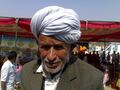
A Godara Jat, Dinarpura
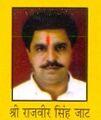
Rajvir Singh Jat (Godara), Nimota
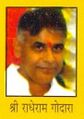
Radheram Godara
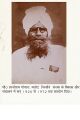
Harji Ram Godara, Malot, worked for Jat School Sangaria


References
- ↑ B S Dahiya:Jats the Ancient Rulers (A clan study), p.238, s.n.79
- ↑ Dr Ompal Singh Tugania: Jat Samuday ke Pramukh Adhar Bindu, p.36, sn-617.
- ↑ Dr Ompal Singh Tugania: Jat Samuday ke Pramukh Adhar Bindu, p.36, sn-617.
- ↑ Jat History Dalip Singh Ahlawat/Parishisht-I, s.n. ग-30
- ↑ Dr Ompal Singh Tugania: Jat Samuday ke Pramukh Adhar Bindu, p.36, sn-617.
- ↑ Jat History Thakur Deshraj/Chapter IX,p.695
- ↑ Ram Swarup Joon: History of the Jats/Chapter V,p. 85
- ↑ Mahendra Singh Arya et al.: Adhunik Jat Itihas, Agra 1998, p. 237
- ↑ Ram Swarup Joon: History of the Jats/Chapter V,p. 85
- ↑ Rajatarangini of Kalhana:Kings of Kashmira/Book I,p.8
- ↑ Rajatarangini of Kalhana:Kings of Kashmira/List of Kings, pp. xix-xx
- ↑ EI, Vol. XII, p. 301,
- ↑ Jats the Ancient Rulers (A clan study), Bhim Singh Dahiya, p. 336-337
- ↑ A glossary of the Tribes and Castes of the Punjab and North-West Frontier Province By H.A. Rose Vol II/G,p.301
- ↑ Thakur Deshraj:Jat Jan Sewak, p.71
- ↑ Elliot, op. cit., Vol.I, p.133
- ↑ Muhammad Qasim Hindu Shah Firista, Gulsan-i-Ibrahimi, commonly known as Tarikh-i-Firishta, Nawal Kishore edition, (Kanpur, 1865), Vol.I, p.35
- ↑ Dr S.Jabir Raza, The Jats - Their Role and Contribution to the Socio-Economic Life and Polity of North and North West India. Vol I, 2004, Ed Dr Vir Singh
- ↑ Inscription No.1, Tod, op.cit., Vol.I, p. 622-23.
- ↑ Encyclopedia of Islam, vol.II, p.488
- ↑ Chachnama, pp.98, 117,131
- ↑ Zai'nul-Akhbar, p.191; Tarikh-i-Firishta, Vol.I,p.35
- ↑ Chachnama, pp.104,167
- ↑ Richard F. Burton, op. cit., p.246
- ↑ Inscription No.1, Tod, op.cit., Vol.II, Appendix pp. 914-917.
- ↑ Dr S.Jabir Raza, The Jats - Their Role and Contribution to the Socio-Economic Life and Polity of North and North West India. Vol I, 2004, Ed Dr Vir Singh
- ↑ Inscription No.II, Tod, op.cit., Vol.II, Appendix, pp. 917-919 and n. 13
- ↑ Chachnama, p.166
- ↑ Dr S.Jabir Raza, The Jats - Their Role and Contribution to the Socio-Economic Life and Polity of North and North West India. Vol I, 2004, Ed Dr Vir Singh
- ↑ Hasan Nizami, Tajul-ma'asir, Fascimile translation in ED, Vol. II, p.218
- ↑ Jats the Ancient Rulers (A clan study)/Appendices/Appendix I,p.316-17
- ↑ A glossary of the Tribes and Castes of the Punjab and North-West Frontier Province By H.A. Rose Vol II/J,p.376
- ↑ James Tod: Annals and Antiquities of Rajasthan, Volume II, Annals of Bikaner,p.160-162
- ↑ James Todd Annals, p. 140
- ↑ Dr Karni Singh (1947): The Relations of House of Bikaner with Central Power, Munsi Ram Manohar Lal Pub. Pvt, 54 Rani Jhansi Road, New Delhi.
- ↑ Dr Brahmaram Chaudhary, The Jats, Vol. 2, Ed Dr Vir Singh, Originals, Delhi, 2006, ISBN 81-88629-52-9, p. 250
- ↑ Thakur Deshraj, Jat Itihas (Hindi), Maharaja Suraj Mal Smarak Shiksha Sansthan, Delhi, 1934, 2nd edition 1992, p. 617
- ↑ Ramratna Charan, Itihas
- ↑ Jat Varna Mimansa (1910) by Pandit Amichandra Sharma, p.44
- ↑ Raghunath Bhakhar: 'Rulyana Mali' (Jhankata Ateet), Bhaskar Prakashan Sikar, 2022. ISBN: 978-93-5607-079-0, p.55
- ↑ Raghunath Bhakhar: 'Rulyana Mali' (Jhankata Ateet), Bhaskar Prakashan Sikar, 2022. ISBN: 978-93-5607-079-0, p.55
- ↑ Raghunath Bhakhar: 'Rulyana Mali' (Jhankata Ateet), Bhaskar Prakashan Sikar, 2022. ISBN: 978-93-5607-079-0, p.55
- ↑ Raghunath Bhakhar: 'Rulyana Mali' (Jhankata Ateet), Bhaskar Prakashan Sikar, 2022. ISBN: 978-93-5607-079-0, p.56
- ↑ Raghunath Bhakhar: 'Rulyana Mali' (Jhankata Ateet), Bhaskar Prakashan Sikar, 2022. ISBN: 978-93-5607-079-0, p.56
- ↑ Raghunath Bhakhar: 'Rulyana Mali' (Jhankata Ateet), Bhaskar Prakashan Sikar, 2022. ISBN: 978-93-5607-079-0, p.56
- ↑ Raghunath Bhakhar: 'Rulyana Mali' (Jhankata Ateet), Bhaskar Prakashan Sikar, 2022. ISBN: 978-93-5607-079-0, p.56
- ↑ Thakur Deshraj:Jat Jan Sewak, p.71
- ↑ History and study of the Jats. B.S Dhillon. p.126
- ↑ Jat Samaj Badnawar, Samuhik Vivah Samoroh Samiti, Dwitiy Samuhik Vivah Samoroh 4 February 2014. Phone:9425969553, 9893548483, 9826418672
- ↑ Thakur Deshraj:Jat Jan Sewak, p.71
- ↑ Thakur Deshraj:Jat Jan Sewak, 1949, p.157
- ↑ Thakur Deshraj:Jat Jan Sewak, 1949, p.151
- ↑ Thakur Deshraj: Jat Jan Sewak, 1949, p.209
- ↑ Mahendra Singh Arya et al.: Adhunik Jat Itihas, Agra 1998, p. 343
- ↑ Mahendra Singh Arya et al.: Adhunik Jat Itihas, Agra 1998, p. 364
- ↑ Jat Gatha, September-2015,p. 15
- ↑ Jat Gatha, September-2015,p. 15
- ↑ Jat Gatha, September-2015,p. 15
- ↑ Jat Gatha, September-2015,p. 15
- ↑ Jat Gatha, September-2015,p. 15
- ↑ 'Jat Privesh', July 2015,p. 18
- ↑ Ganesh Berwal: 'Jan Jagaran Ke Jan Nayak Kamred Mohar Singh', 2016, ISBN 978.81.926510.7.1, p.57-59
Back to Gotras / Jat Kingdoms in Ancient India
- Jat Gotras
- Muslim Jat Gotras
- Jat Gotras in Pakistan
- Ancient Jat Gotras
- Gotras after Titles
- Shivagotri
- Shiva
- Gujarat
- Rajasthan
- Madhya Pradesh
- Uttar Pradesh
- Maharashtra
- Haryana
- Delhi
- Punjab
- Gotras in Banas Kantha
- Gotras in Jhunjhunu
- Gotras in Sikar
- Gotras in Churu
- Gotras in Hanumangarh
- Gotras in Jodhpur
- Gotras in Jaisalmer
- Gotras in Nagaur
- Gotras in Bikaner
- Gotras in Baran
- Gotras in Barmer
- Gotras in Pali
- Gotras in Jalor
- Gotras in Bhilwara
- Gotras in Ganganagar
- Gotras in Tonk
- Gotras in Jaipur
- Gotras in Sirsa
- Gotras in Hisar
- Gotras in Jhajjar
- Gotras in Bhopal
- Gotras in Mandsaur
- Gotras in Nimach
- Gotras in Dewas
- Gotras in Dhar
- Gotras in Harda
- Gotras in Ratlam
- Gotras in Indore
- Gotras in Sehore
- Gotras in Ujjain
- Gotras in Khargone
- Gotras in Shajapur
- Gotras in Rajgarh
- Gotras in Mathura
- Gotras in Meerut
- Gotras in Hapur
- Gotras in Hoshangabad
- Gotras in Patiala
- Gotras in Firozpur
- Gotras in Hoshiarpur
- Gotras in Amravati
- Gotras in Buldhana
- Gotras in Wasim
- Jat Kingdoms in Ancient India
- Jat History
- Rajput History